• KGS/USD = 0.01144 0%
  • KZT/USD = 0.00216 0%
  • TJS/USD = 0.10659 0%
  • UZS/USD = 0.00008 0%
  • TMT/USD = 0.28530 0%
  • KGS/USD = 0.01144 0%
  • KZT/USD = 0.00216 0%
  • TJS/USD = 0.10659 0%
  • UZS/USD = 0.00008 0%
  • TMT/USD = 0.28530 0%
  • KGS/USD = 0.01144 0%
  • KZT/USD = 0.00216 0%
  • TJS/USD = 0.10659 0%
  • UZS/USD = 0.00008 0%
  • TMT/USD = 0.28530 0%
  • KGS/USD = 0.01144 0%
  • KZT/USD = 0.00216 0%
  • TJS/USD = 0.10659 0%
  • UZS/USD = 0.00008 0%
  • TMT/USD = 0.28530 0%
  • KGS/USD = 0.01144 0%
  • KZT/USD = 0.00216 0%
  • TJS/USD = 0.10659 0%
  • UZS/USD = 0.00008 0%
  • TMT/USD = 0.28530 0%
  • KGS/USD = 0.01144 0%
  • KZT/USD = 0.00216 0%
  • TJS/USD = 0.10659 0%
  • UZS/USD = 0.00008 0%
  • TMT/USD = 0.28530 0%
  • KGS/USD = 0.01144 0%
  • KZT/USD = 0.00216 0%
  • TJS/USD = 0.10659 0%
  • UZS/USD = 0.00008 0%
  • TMT/USD = 0.28530 0%
  • KGS/USD = 0.01144 0%
  • KZT/USD = 0.00216 0%
  • TJS/USD = 0.10659 0%
  • UZS/USD = 0.00008 0%
  • TMT/USD = 0.28530 0%

Viewing results 1 - 6 of 15

Tajikistan Continues Electricity Supply to Uzbekistan and Afghanistan

It is being reported that Tajikistan delivered more than $82.3 million worth of electricity to neighboring countries from January to August of this year. The export of electricity is $2.8 million (3.3%) less than in the same period of 2023. During this period, Tajikistan's electricity production amounted to about 15.4 billion kilowatt-hours, of which about 1 billion kilowatt-hours (6.5% of the total production) were exported. More than 80% of electricity exports go to Afghanistan, and the remaining 20% to Uzbekistan. Tajikistan signed an agreement on the export of electricity for 2024 with these two countries. Electricity exports to Uzbekistan are carried out only in the summer, and supplies to Afghanistan will continue in the autumn-winter season, but in small volumes — “exclusively for the preservation of infrastructure.” For information, a memorandum of understanding has been signed between Tajikistan and Kazakhstan, providing electricity supply produced by the Rogun hydropower plant until 2032. Agreements on the supply of electricity to Kazakhstan and Uzbekistan are one condition for external financing of the Rogun project. The Times of Central Asia has reported that when the Rogun hydropower plant in Tajikistan reaches full capacity, about 70% of the electricity produced will be exported to other Central Asian countries.

Saudi Fund Contributes $100 Million Towards Rogun Hydropower Plant in Tajikistan

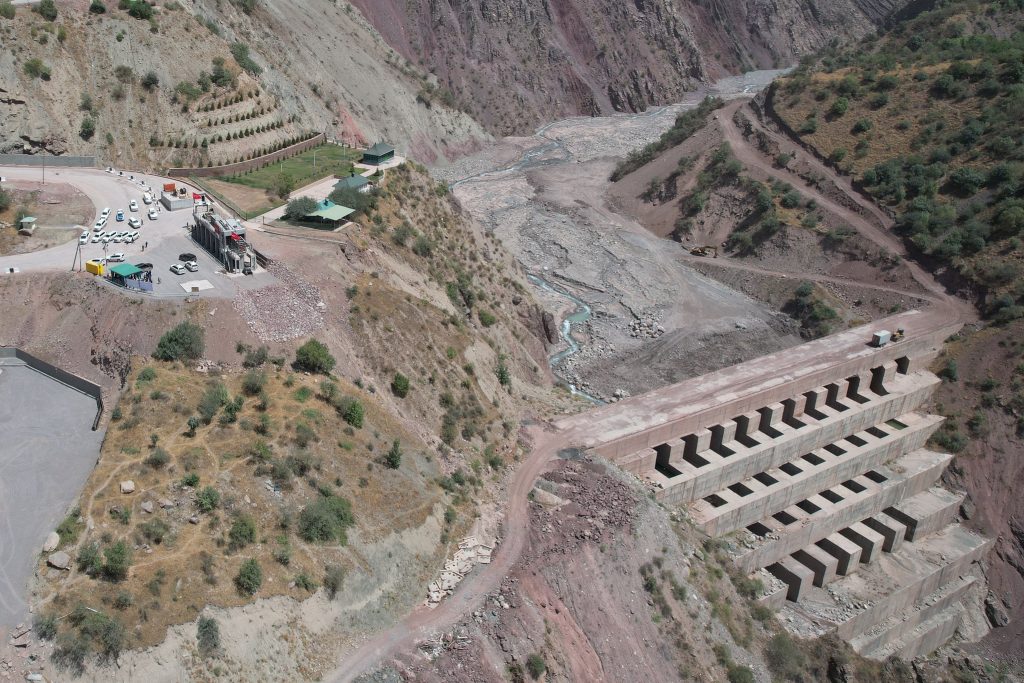
The Saudi Development Fund has allocated $100 million to finance the completion of the Rogun hydropower plant in Tajikistan. This was announced by the Ambassador Extraordinary and Plenipotentiary of the Kingdom of Saudi Arabia to the Republic of Tajikistan, Walid bin Abdulrahman Al-Rashidan, at a press conference dedicated to the 94th anniversary of the Kingdom of Saudi Arabia's founding. “This project is strategically important for the country, as it will ensure energy security and sustainable economic growth. The Rogun HPP is a key element of Tajikistan's energy infrastructure; it will significantly increase electricity production and strengthen its position regionally,” Al-Rashidan said. Saudi Arabia’s financial support strengthens bilateral cooperation in energy and economic relations. The estimated cost of completing the construction of the Rogun HPP is $6.4 billion. Once it reaches full capacity, about 70% of the electricity generated will be exported to other Central Asian countries. According to a report by the Eurasian Fund for Stabilization and Development (EFSD), the financing of the Rogun HPP is one of the main risks for Tajikistan’s budget and debt sustainability. A possible increase in the cost of hydropower construction could reduce funding for other essential infrastructure projects and social spending. Analysts emphasize that “in the face of uncertainty regarding funding sources, starting in 2025, the government of Tajikistan may have additional needs for budgetary support from international financial organizations.”

A Model of Cooperation: Kyrgyzstan Selecting Dam Type for Kambarata-1 Hydropower Plant

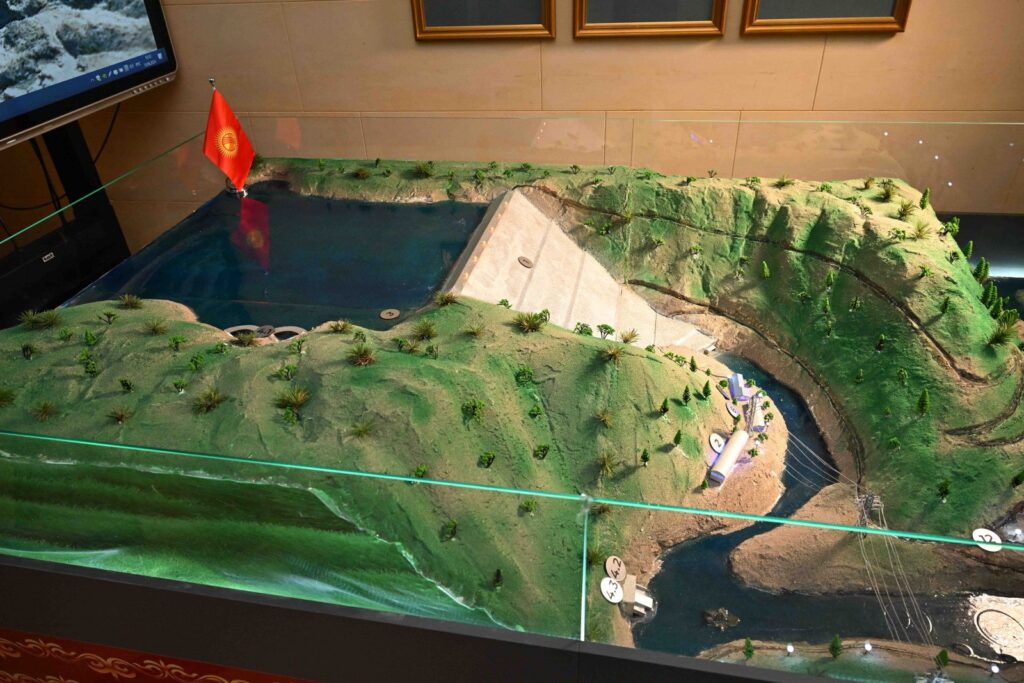
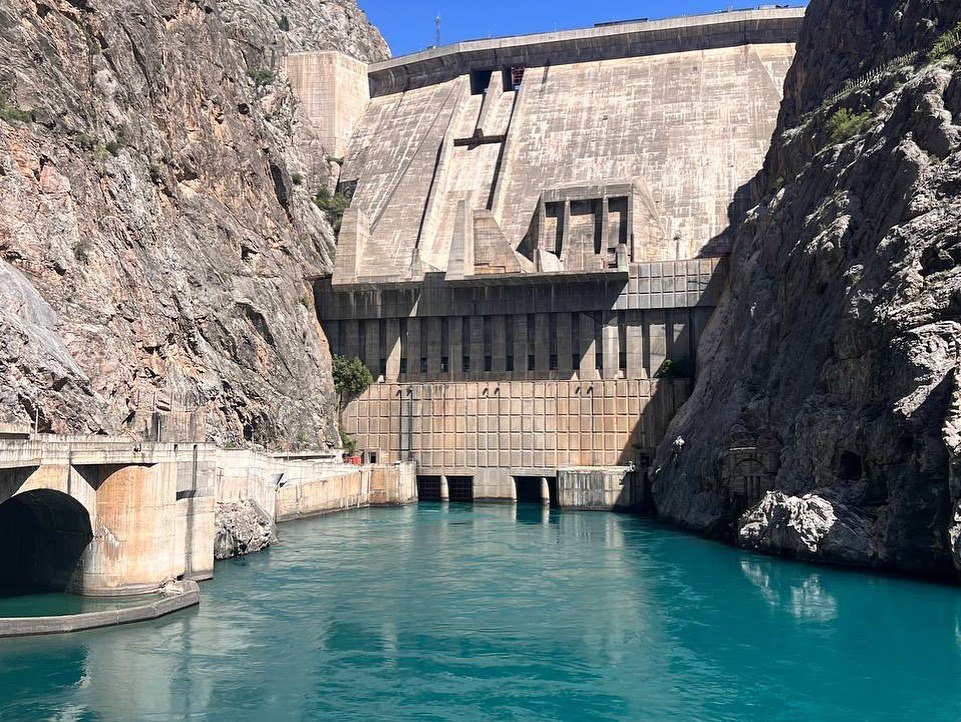
On September 4, in Bishkek, Kyrgyzstan’s Cabinet of Ministers and the World Bank organized a roundtable on dam type selection for the country’s flagship Kambarata-1 Hydropower Plant (HPP). As the Kyrgyz Ministry of Energy reported, Swiss engineering company AFRY presented possible dam types for the flagship energy project at the meeting. A feasibility study will be prepared by May 2025 based on the type of dam chosen. According to Maksudjon Safarov, Senior Energy Specialist with the World Bank, the institution is financing comprehensive preparations for the Kambarata-1 HPP's construction. “The Swiss company AFRY is preparing the project’s feasibility study, with world-class experts involved in the work to ensure that the project is efficient, environmentally friendly, and sustainable," Safarov stated. The Kambarata-1 HPP will be situated in the upper reaches of the Naryn River in Kyrgyzstan. Its installed capacity will be 1,860 megawatts, with an average annual generation of 5.6 billion kilowatt-hours of electricity. The preliminary construction cost for the project is more than $4 billion. At the roundtable, Deputy Chairman of the Kyrgyz Cabinet of Ministers, Bakyt Torobayev, emphasized that time is critical in developing the Kambarata-1 HPP. “As part of the construction, trilateral agreements were signed between the Ministries of Energy of the Kyrgyz Republic, the Republic of Kazakhstan, and the Republic of Uzbekistan. This is a unique case when three countries in the region come to a common understanding and support for the project. We are confident that joint work will create a high-quality project to provide Central Asia with clean and renewable energy, improve water and energy resources, and strengthen regional cooperation." Kyrgyz Energy Minister Taalaibek Ibrayev noted significant progress in the ongoing preparations. “To date, several important works have already been completed. On August 30, the construction of a 1,388-meter transport tunnel was completed. Work is underway to build 15 km of concrete roads. We are working to provide electricity [for the future construction site], with 80% of overhead transmission lines now complete. Completion of a 110 kv power transmission line and a substation is scheduled for the end of 2024. Construction of a bridge across the Naryn River is underway, and at the same time, a workers' camp is being built. All work is going according to plan, and we are confident that all preparatory stages will be completed by next May,” the Minister stated. To support the project, a Donor Coordination Committee for constructing Kambarata-1 HPP was established at the Kyrgyz Republic International Energy Investment Forum, held in Vienna on June 10, 2024. The Committee comprises major international financial institutions and development partners, including the World Bank, the OPEC Fund, the Asian Development Bank, the Asian Infrastructure Investment Bank, the Islamic Development Bank, and the European Bank for Reconstruction and Development.

Major Industrial and Energy Projects for Uzbekistan

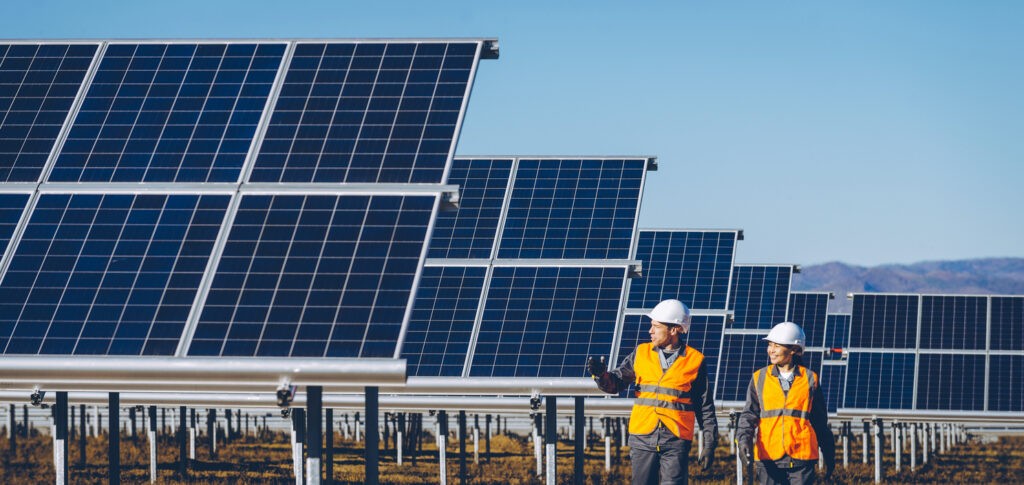
On April 8th, Uzbekistan President Shavkat Mirziyoyev attended a launch ceremony for the construction of two major industry and energy projects in the Jizzakh region. The first, in the Gallyaaral district, comprises an industrial zone specializing in metallurgy. Encompassing a customs warehouse and 7 projects worth $500 million, the new zone will manufacture various fittings, steel balls, pipes, automobile bodies, and provide 5,000 jobs. The second project to be established in the Farish district in collaboration with China Poly Group and China Electric, is a large 500-megawatt solar power plant. With investment of $350 million, the plant will generate 1.1 billion kilowatt-hours of electricity per annum and improve the supply of energy to 450,000 households. The first 200 megawatts will be put into operation later this year. It was announced at the ceremony that in the coming years, additional thermal, wind and solar power plants with a total capacity of 1,660 megawatts will be built in the Jizzakh region. The new facilities will improve the standard of living of the local population and provide a new impetus to the region’s economic development.

Kazakhstan to Build New Power Generation Facilities

To ensure Kazakhstan’s energy security and increase its export potential, the Ministry of Energy has adopted a development plan for the country’s electrical power industry. On March 5th, the Minister of Energy, Almasadam Satkaliev reported that under the new plan, scheduled to run until 2035, existing power generating facilities are to be modernized alongside the commission of new facilities with a total capacity of 26 GW. In the southern regions of Kazakhstan, gas, and steam generation projects with an installed capacity of about 2.3 GW are due for completion in 2025-2026. The projects comprise combined cycle gas turbines in Turkestan and Kyzylorda with a capacity of 926.5 MW and 240 MW, as well as combined cycle power generation units at two heating plants in Almaty with a capacity of 544 MW and 557 MW. Another combined cycle power plant with a capacity of 1.1 GW will be constructed in the Kyzylorda region. The plans also include new gas and coal-fired power generation projects in Kazakhstan with a total capacity of 6.7 GW and the conclusion of an agreement with Russia for the construction of coal-fired thermal power plants in the cities of Kokshetau, Semey, and Ust-Kamenogorsk. To achieve a 15% share of electricity generation by renewable energy sources by 2030, annual auctions will be held for a total capacity of over 6 GW (1,270 MW in 2024). Renewable energy projects with a total capacity of 3 GW are currently progressing in collaboration with Total Energies (France), Acwa Power (Saudi Arabia), and Masdar (UAE). Eleven renewable energy facilities with a total capacity of 259 MW are to be commissioned this year. Last month, Energy Minister Satkaliev reported that in 2023, Kazakhstan consumed 115 billion kWh of electrical energy, compared with 112.9 billion kWh in 2022, and produced 112.8 billion kWh, the same amount as in 2022. Last year Kazakhstan imported 3.4 billion kWh, and exported 1.4 billion kWh. In 2024, the country plans to generate 115 billion kWh. Last year, the volume of electricity generated by renewable energy facilities amounted to 6.675 billion kWh, including 3.8 billion kWh from wind power plants, 1.8 billion kWh from solar plants, and 993.8 million kWh from hydropower plants. The generation of electricity from renewable sources in 2023 thus amounted to just 5.9% of the country’s total. Looking to a greener future, Kazakhstan’s new goal is to achieve a 15% share of renewable energy sources in power generation by 2030, and a 50% share by 2050.