Ukraine’s Foreign Minister on Kazakhstan, Trade, and War
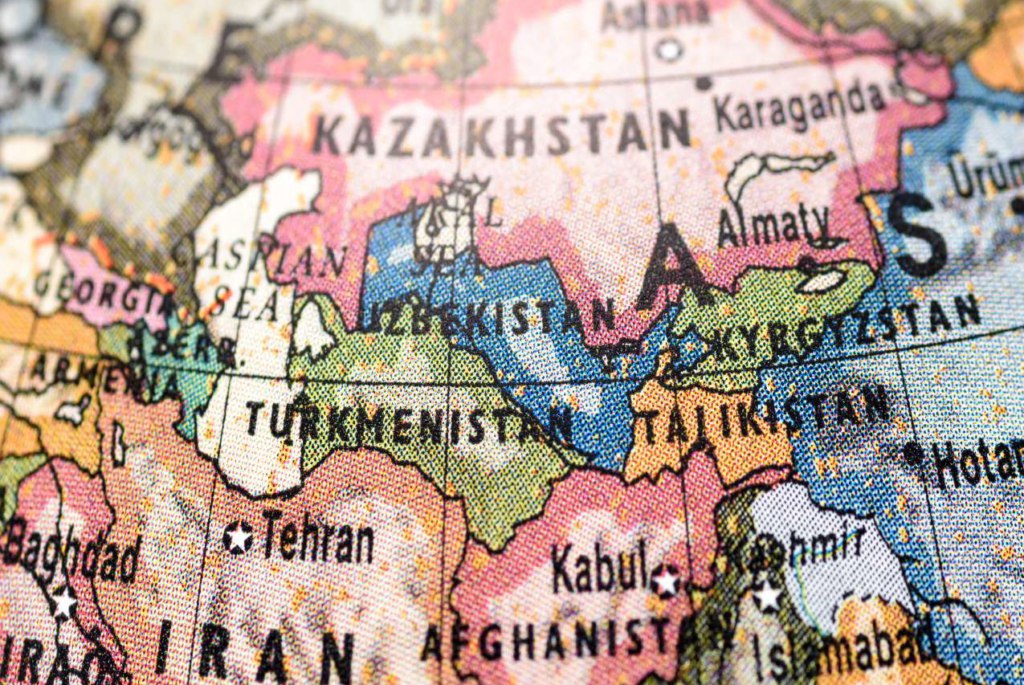
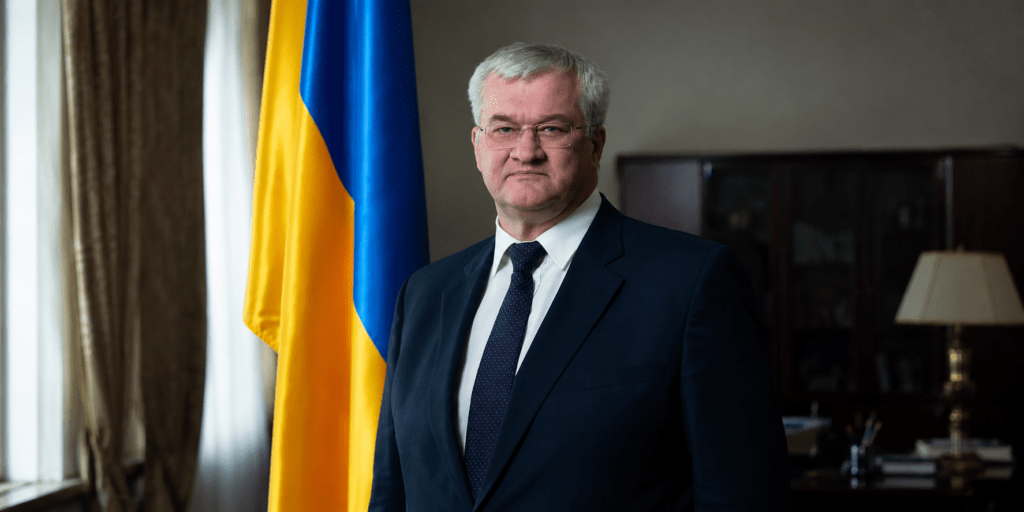
As Kyiv works to rebuild ties across Central Asia, Kazakhstan has become one of Ukraine’s most important regional interlocutors. The relationship has been shaped by war, trade disruption, humanitarian support, and the search for new transport routes linking Asia and Europe. The Times of Central Asia has previously reported on Ukraine’s efforts to deepen engagement with Central Asia and on Astana and Kyiv’s attempts to restore trade ties. In an interview with TCA, Ukraine’s Foreign Minister Andrii Sybiha discussed Kazakhstan’s role in this changing landscape, the prospects for economic cooperation, the Middle Corridor, post-war reconstruction, and the humanitarian and cultural ties connecting the two countries. TCA: Against the backdrop of shifts in global politics and Central Asia’s growing role, Ukraine has been deepening its dialogue with the region. How are these relations being translated into practical cooperation in politics, economics, and the humanitarian sphere? Foreign Minister Sybiha: Ukraine and Kazakhstan share a long-standing, traditionally friendly relationship, not only at a governmental level, but also between our peoples. My own family history is directly connected with Kazakhstan. My father worked in your wonderful country, in Kostanay. Many of his friends still live there. He often told me that he dreams of returning one day to see them again. Personally, I associate Kazakhstan with many warm memories, including your unique cuisine. I love qazy; it is an incredibly delicious dish. Kazakhstan possesses a rich and distinctive culture, language, and national identity. I greatly admire how all of this continues to develop in modern Kazakhstan, especially how young people are embracing traditions and striving to preserve and enrich them. This is a sign of a strong nation that knows its roots and therefore has a future. Kostanay is also linked to the story of our outstanding writer, Mykola Khvylovy, who lived and worked there for a period of time. You see how much connects our countries, even if we take just one city as an example. Unfortunately, there are tragic chapters as well. It was in Kostanay that our world-renowned orientalist, Slavic scholar, and one of the founders of the Ukrainian Academy of Sciences, Ahatanhel Krymsky, died in imprisonment. Those were terrible times, a painful past from which we must draw the right conclusions for the present and the future. Turning to politics and global issues, I would emphasize the following: all our efforts are aimed at achieving peace. This war cannot be ended solely on the battlefield; Ukraine understands this very realistically. The question is whether Moscow is finally prepared to understand it as well. It is time to end the war and move toward diplomacy. Today, Ukrainians are defending their homes and their children with weapons in their hands against unprovoked aggression. This is an existential struggle for the future of the next generations and for the right to remain Ukrainian. This struggle did not begin four and a half or even twelve years ago. Russia’s strategic objective is to complete what the Russian Empire began and what the Soviet Union...