• KZT/USD = 0.00217
  • TJS/USD = 0.10810
  • UZS/USD = 0.00009
  • TMT/USD = 0.29760
  • KZT/USD = 0.00217
  • TJS/USD = 0.10810
  • UZS/USD = 0.00009
  • TMT/USD = 0.29760
  • KZT/USD = 0.00217
  • TJS/USD = 0.10810
  • UZS/USD = 0.00009
  • TMT/USD = 0.29760
  • KZT/USD = 0.00217
  • TJS/USD = 0.10810
  • UZS/USD = 0.00009
  • TMT/USD = 0.29760
  • KZT/USD = 0.00217
  • TJS/USD = 0.10810
  • UZS/USD = 0.00009
  • TMT/USD = 0.29760
  • KZT/USD = 0.00217
  • TJS/USD = 0.10810
  • UZS/USD = 0.00009
  • TMT/USD = 0.29760
  • KZT/USD = 0.00217
  • TJS/USD = 0.10810
  • UZS/USD = 0.00009
  • TMT/USD = 0.29760
  • KZT/USD = 0.00217
  • TJS/USD = 0.10810
  • UZS/USD = 0.00009
  • TMT/USD = 0.29760
24 August 2026

Viewing results 1 - 6 of 44

Kazakhstan Moves to Regulate Chinese Medicine Clinics

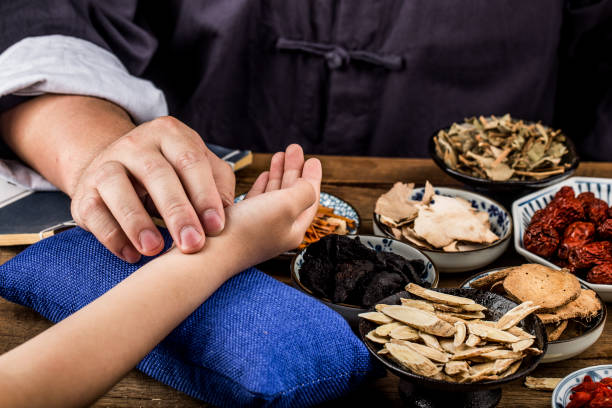
Amanzhol Altai, a deputy of the Mazhilis, has submitted a formal request to the Ministry of Health proposing tighter oversight of centers operating under labels such as “Eastern medicine,” “Chinese medicine,” “acupuncture,” and “manual therapy.” The central proposal is the creation of an open digital register of such institutions, particularly those involving foreign specialists. According to the deputy, he regularly receives complaints from citizens about the provision of medical services without proper licenses or verified qualifications, the performance of invasive procedures in violation of sanitary standards, the use of unregistered medicines, and misleading advertising that promises to “cure” serious illnesses. Altai also said that some centers operate for only short periods before changing their names or addresses in order to evade oversight. Of particular concern, he noted, are cases in which foreign nationals without confirmed medical education present themselves as doctors. “We are talking about citizens of the People's Republic of China who present themselves as qualified specialists, see patients for several months, and then close the center and leave the country,” the deputy said. In his view, such practices pose a direct threat to patients’ life and health and undermine trust in the healthcare system. At the same time, some services offered under the branding of “traditional Chinese medicine” are classified as medical activities under Kazakh law and therefore require licensing, certified qualifications, and compliance with established regulatory standards. In this context, Altai proposes not only establishing a digital register of these organizations but also issuing official legal clarifications on the status of such services, strengthening interagency control over the circulation of unregistered medicines, and tightening oversight of online advertising for these centers. The Times of Central Asia previously reported on the risks of drug shortages in Kazakhstan amid proposed changes to tax policy.

Kyrgyzstan Increases Excise Taxes on Alcohol and Sweetened Beverages

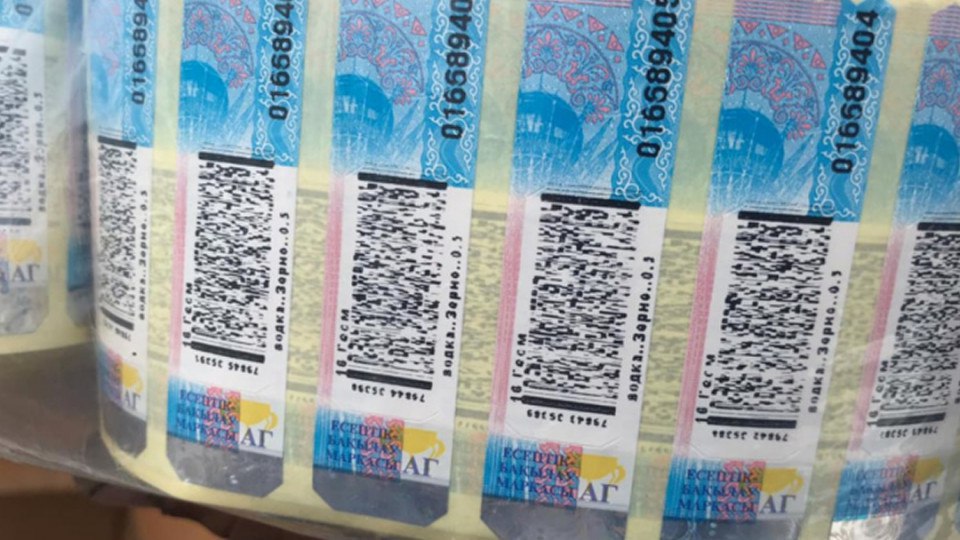
The Kyrgyz Cabinet of Ministers has approved a rise in excise tax rates on alcoholic beverages and sugar-containing drinks, including children's juices, as part of a broader phased tax reform strategy According to the State Tax Service (STS), the adjustments are part of a long-term initiative that will continue incrementally through the end of the decade. The excise tax on vodka and spirits has increased from approximately $1.8 to $2.2 per liter, with an additional annual increase of about $0.2 expected in the coming years. Rates for other alcoholic beverages have also been revised: Wine: increased by approximately $0.05 per liter (now around $0.2) Cognac: increased by about $0.4 per liter (now about $1.6) Beer: increased by roughly $0.03 per liter (now approximately $0.2) The tax agency highlighted that the changes are being implemented gradually to mitigate potential inflationary effects on retail prices. Officials stated that the reform has a social dimension, aiming to curb consumption of products deemed harmful to public health. In the first 11 months of last year, Kyrgyzstan collected approximately $228.5 million in excise tax revenues. Of that total, around $55 million came from domestically produced goods, including $38.8 million from alcohol sales. New Tax Introduced on Sugar-Containing Beverages The reform also introduces an excise tax on sugar-containing beverages for the first time, including products previously classified as baby food. Previously, such items were exempt, leading to regulatory loopholes. The STS explained that some manufacturers registered sweetened beverages as baby food to avoid excise duties, creating unfair competition in the market. To close this gap, all sugar-containing beverages, including children’s juices, will now be taxed at a minimum rate of about $0.03 per liter. Given the typically small packaging sizes, authorities estimate the retail price increase per unit will be modest, approximately $0.01. The reform reflects a growing regional trend of leveraging fiscal policy to discourage unhealthy consumption habits while generating revenue for public spending.

Uzbekistan Proposes Ban on Marriages Between Relatives

Uzbekistan’s Ministry of Justice has drafted legislation that would ban marriages between distant blood relatives, including unions between uncles and nieces, aunts and nephews, and cousins up to the third degree, UzNews.uz reported. The proposed penalties for violating the ban include fines or correctional labor of up to two years. Exceptions would apply only in cases where one of the prospective spouses is an adopted child and no biological relationship exists. Under current law, Uzbekistan’s Family Code prohibits marriages between close blood relatives in a direct ascending or descending line, as well as between full and half-siblings and between adoptive parents and adopted children. The proposal follows alarming findings from a recent study highlighting the genetic risks associated with consanguineous marriages. According to Zamin.uz, researchers from the Center for Advanced Technologies have identified dozens of new genetic mutations in Uzbek individuals. The study revealed that every second child tested carried a hereditary mutation, and nearly 86% of children were found to be carriers of at least one damaged gene, twice the international average. Researchers attribute this trend to the high prevalence of kinship marriages, which in some Uzbek regions account for roughly one-quarter of all unions. Experts warn that these genetic anomalies not only increase the likelihood of hereditary disorders but also elevate the risks of diabetes, cardiovascular conditions, and cancer. The study's authors strongly recommend introducing genetic testing for couples prior to marriage as a public health measure.

Kazakhstan’s Youth Struggle with Access to Sexual Health Information

One in five young people in Kazakhstan lacks access to information about reproductive and sexual health, according to an analysis by Ranking.kz based on a survey conducted by the Youth Research Center. Where Young People Seek Information The study reveals a significant gender disparity: 34.2% of female respondents seek information from medical specialists, compared to only 19.4% of male respondents. Alarmingly, 24.4% of young men report having no information on reproductive health at all, versus 14.9% of young women. The most commonly cited sources of reproductive health information are gynecologists, urologists, and reproductive specialists (26.6%), followed by online resources and articles (17.9%). Family discussions (16.6%), conversations with peers (15.4%), consultations with family doctors (15.3%), social media (14.4%), and printed materials from medical institutions (11.3%) also play a role. Despite these resources, 9.3% of respondents admitted they feel uncomfortable discussing such topics, while 19.8% reported receiving no information at all, underscoring the persistent knowledge gap. Infections and Awareness Sexually transmitted infections (STIs) remain a pressing concern. Only 16.8% of respondents said they are well informed about STIs. A further 36.7% reported partial awareness, 26.9% had only heard vague references, 15.4% were entirely uninformed, and 4.4% found the question difficult to answer. According to the Ministry of Health, Kazakhstan recorded 89.1 cases of STIs per 100,000 population in 2024, down from 96.4 in 2023, but still considered high. The most common infections included chlamydia (13.9 cases per 100,000), trichomoniasis (13.8), syphilis (8.5), and gonorrhea (6). The highest infection rates were recorded in Shymkent (247.7 per 100,000), Almaty (139.3), and Astana (127.1), followed by the Abai (125.9) and North Kazakhstan (118.6) regions. The lowest rates were reported in Zhambyl (24.6), Ulytau (30.7), and West Kazakhstan (31.4). Debate Over Sex Education in Schools When asked about the introduction of sex education in schools, 58.9% of survey respondents supported the idea, citing benefits such as improved understanding of physiology and anatomy, and a reduced risk of unwanted pregnancies and STIs. However, 35.6% opposed such initiatives. Among them, 15% found the topic too “embarrassing,” while 20.6% feared that sex education might encourage early sexual activity among teenagers.

Central Asian Nations Rank Low in Global Mental Health Index

Mental health remains a significant challenge across Central Asia, with populations reporting high levels of distress and rising rates of self-harm. According to the Mental State of the World survey, Uzbekistan ranked 74th out of 82 countries on the Mental Health and Wellbeing Index, scoring 54.5 points. Kazakhstan followed at 76th (52.3), Kyrgyzstan at 79th (51.2), and Tajikistan at 80th (51.2). The global average stands at 63 points, suggesting that, on average, people around the world feel mentally stable and active for about 21 days each month. Experts point to a range of factors driving poor mental health in the region, including anxiety, depression, fatigue, loneliness, and unresolved personal issues. A joint survey by the UN Population Fund (UNFPA) and YouGov, which included more than 14,000 respondents across 14 countries, found that 32 percent had experienced unplanned pregnancies and 23 percent were unable to start families when they wished. Financial hardship was the most frequently cited barrier to wellbeing (39 percent), followed by job insecurity (21 percent), inadequate housing (19 percent), and fear of war or pandemics (19 percent). A study published in BMC Public Health reported age-standardized suicide rates per 100,000 people in 2019 as follows: Kazakhstan at 18.05; Uzbekistan and Kyrgyzstan both at 8.28; Turkmenistan at 6.07; and Tajikistan at 5.32. By comparison, the global suicide rate that year was approximately 9 per 100,000. Despite its relative economic strength, Kazakhstan ranked 17th globally for suicide rate in 2020, with 18 deaths per 100,000 people, according to World Health Organization (WHO) data. UNICEF has also recorded a disturbing trend among the country’s youth: between January and August 2024, over 2,300 self-harm incidents were reported, including 128 involving children aged 5 to 18. Among adolescents aged 15 to 19, self-harm has become the leading cause of death. Uzbekistan, which received the highest score in the region, is expanding access to counseling services and training school psychologists. Meanwhile, Kyrgyzstan and Tajikistan are piloting community-based mental health centers. However, specialists warn that without broader social reforms, such as stable employment, affordable housing, and gender equality, both reproductive and mental health will continue to fall short of international standards. “True progress means giving people freedom to choose and live without fear,” the UNFPA report concludes. For Central Asia, this requires greater investment in rights, services, and long-term wellbeing.

Anthrax Outbreak Reported in Northern Kazakhstan

An outbreak of anthrax has been confirmed in the Akmola region of northern Kazakhstan. According to official data, at least seven people have been infected after coming into contact with contaminated livestock. Kazakhstan’s Minister of Agriculture, Aidarbek Saparov, identified the source as unvaccinated and unregistered animals grazing near an old cattle burial ground located approximately seven kilometers from the villages of Magdalinovka and Novomarinovka. Ten infected cattle have been identified and culled. “There are many questions for the owners of these animals. They were not registered anywhere,” Saparov said at a press briefing. Authorities have imposed a quarantine, carried out disinfection procedures, and restricted access to the affected pastures. Sanitary measures have also been intensified in nearby settlements. The Ministry of Health reported that 19 individuals underwent medical examinations, with seven cases confirmed in laboratory tests. One patient is in serious condition, while the remaining six are in stable condition. Four of these cases had been previously reported. Saparov also dismissed speculation that contaminated meat had entered Astana’s markets. "We checked everything, even the door handles. All samples tested negative. Suspicious meat was immediately seized," the minister stated. The outbreak in the Atbasar district has exposed long-standing deficiencies in Kazakhstan’s veterinary oversight and livestock registration systems. Although the country maintains an electronic livestock registration system, its usage is inconsistent, particularly in remote regions where many farmers fail to register or vaccinate their animals. In response, the government has pledged to tighten regulatory enforcement. Inspections will begin in the affected areas, with violators facing increased fines. Authorities also plan to target so-called “dealers,” middlemen trading in unregistered livestock. “This is not just about private property. It is a threat to public health,” Saparov added. The quarantine in the outbreak zone will last a minimum of 15 days. Authorities will assess whether to lift the restrictions following additional inspections. Anthrax is a dangerous bacterial infection transmitted from animals to humans, primarily through contact with infected meat or contaminated soil. Outbreaks occur periodically in Kazakhstan, particularly in areas where Soviet-era cattle burial sites remain unregistered and unmapped. Regional veterinary officials have warned that many of these burial grounds have not yet been properly identified, posing a continuing risk to grazing livestock. In recent days, Minister Saparov proposed introducing criminal liability for the sale of meat that bypasses veterinary and sanitary controls.