• KGS/USD = 0.01144 0%
  • KZT/USD = 0.00201 0%
  • TJS/USD = 0.10468 -0.1%
  • UZS/USD = 0.00008 0%
  • TMT/USD = 0.28571 0%
  • KGS/USD = 0.01144 0%
  • KZT/USD = 0.00201 0%
  • TJS/USD = 0.10468 -0.1%
  • UZS/USD = 0.00008 0%
  • TMT/USD = 0.28571 0%
  • KGS/USD = 0.01144 0%
  • KZT/USD = 0.00201 0%
  • TJS/USD = 0.10468 -0.1%
  • UZS/USD = 0.00008 0%
  • TMT/USD = 0.28571 0%
  • KGS/USD = 0.01144 0%
  • KZT/USD = 0.00201 0%
  • TJS/USD = 0.10468 -0.1%
  • UZS/USD = 0.00008 0%
  • TMT/USD = 0.28571 0%
  • KGS/USD = 0.01144 0%
  • KZT/USD = 0.00201 0%
  • TJS/USD = 0.10468 -0.1%
  • UZS/USD = 0.00008 0%
  • TMT/USD = 0.28571 0%
  • KGS/USD = 0.01144 0%
  • KZT/USD = 0.00201 0%
  • TJS/USD = 0.10468 -0.1%
  • UZS/USD = 0.00008 0%
  • TMT/USD = 0.28571 0%
  • KGS/USD = 0.01144 0%
  • KZT/USD = 0.00201 0%
  • TJS/USD = 0.10468 -0.1%
  • UZS/USD = 0.00008 0%
  • TMT/USD = 0.28571 0%
  • KGS/USD = 0.01144 0%
  • KZT/USD = 0.00201 0%
  • TJS/USD = 0.10468 -0.1%
  • UZS/USD = 0.00008 0%
  • TMT/USD = 0.28571 0%

Viewing results 1 - 6 of 8

Rogun Dam’s Cross-Border Environmental Impact Draws Scrutiny

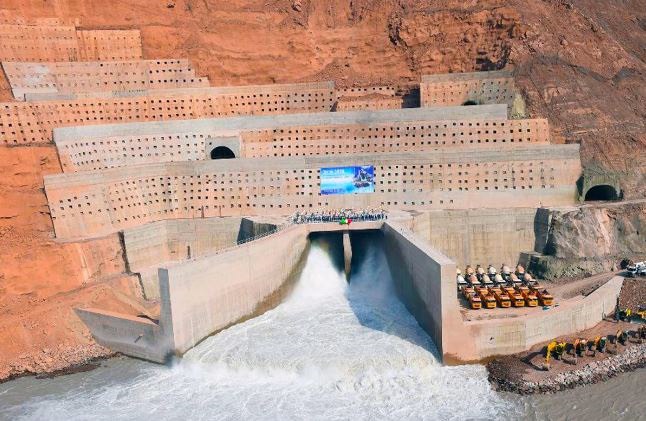
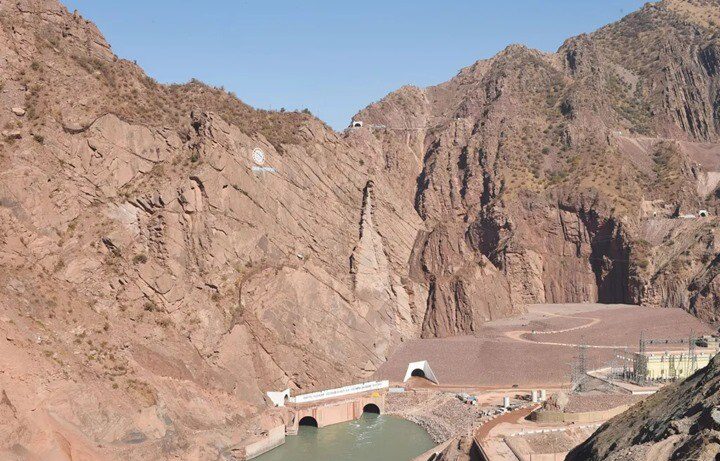
An international environmental coalition has raised new concerns about the environmental assessment of Tajikistan’s Rogun Hydropower Plant, warning that its potential cross-border and cumulative impacts on downstream countries are being underestimated. The group, Rivers without Boundaries, presented its latest report, Eyes Wide Shut: Ignoring the Transboundary and Cumulative Impacts of the Rogun Hydropower Plant, highlighting what it describes as serious shortcomings in the project’s environmental and social review. According to the report, the current assessment of Rogun’s transboundary effects does not fully comply with the environmental and social standards of the World Bank. Experts argue the analysis relies on outdated data from 2014 and uses static modeling scenarios that fail to reflect climate change trends and the current hydrological realities of the Amu Darya basin. Rivers without Boundaries contends that this approach prevents a realistic understanding of how the project could affect downstream water availability and ecosystems. The coalition also criticizes what it describes as a failure to account for key external factors, particularly the construction of Afghanistan’s Qosh Tepa canal, which is expected to significantly alter regional water balances. Rather than applying a basin-wide and cumulative assessment, the developers have labeled Rogun’s impact as “neutral”, a claim environmental experts deem misleading. “The authors of the impact assessment preferred to act with their eyes wide shut, excluding the most sensitive and uncomfortable scenarios,” said Evgeny Simonov, international coordinator of Rivers without Boundaries. He added that portraying the world’s tallest dam as environmentally neutral contradicts the very premise of cumulative impact assessment. Without binding commitments on environmental water releases and artificial floods, Simonov warned, the project risks prolonging ecological degradation in downstream areas for decades. The report flags particular threats to biodiversity and wetlands in the Amu Darya delta, many of which are protected under the Ramsar Convention. It notes that the Rogun assessment lacks clear mechanisms to guarantee water flows to these critical habitats during dry periods. The coalition also points to significant gaps in public consultation processes, especially in downstream countries, raising questions about the legitimacy of conclusions drawn regarding the project’s social acceptability. Alexander Kolotov, the coalition’s Central Asia regional coordinator, said consultations were not conducted in affected areas of Uzbekistan and Turkmenistan. “The risks linked to seasonal water redistribution and the launch of the Qosh Tepa canal were effectively left out of the analysis,” he said, calling this a dangerous precedent for a project of regional significance. Rivers without Boundaries is calling for a full Strategic Environmental Assessment of the entire Amu Darya basin, along with the development of legally binding water management plans that include climate adaptation strategies and biodiversity protection measures. Without a fundamental revision of the current approach, the coalition warns, Rogun could become a long-term source of environmental and social tension in Central Asia. At the heart of the concern is the filling of the Rogun reservoir, which experts say could reduce water flows to the Amu Darya delta by 25% or more, accelerating desertification and threatening the livelihoods of up to 10...

Environmental Groups Criticize World Bank’s Decision on Rogun Dam Complaint

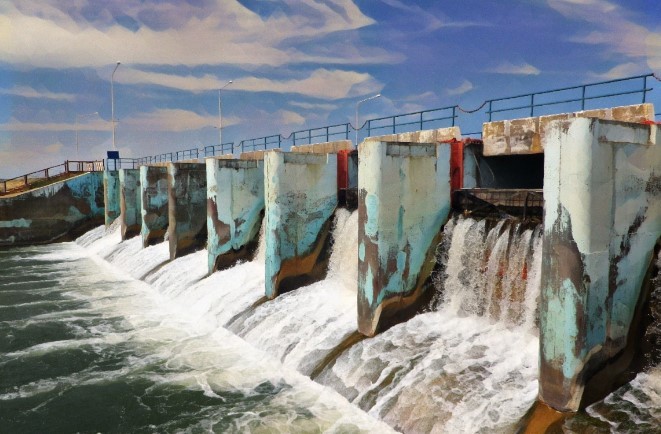
Environmental advocates have sharply criticized the World Bank’s decision to reject a request for a full investigation into Tajikistan’s Rogun Hydropower Plant, citing concerns over potentially severe environmental and social consequences for communities downstream along the Amu Darya river in Uzbekistan and Turkmenistan. According to the international coalition Rivers without Boundaries, the World Bank’s Board of Executive Directors dismissed the complaint despite mounting evidence that the project could exacerbate water scarcity, degrade water quality, damage vulnerable ecosystems, and displace rural populations dependent on agriculture and access to clean water. The complaint, filed earlier this year on behalf of affected communities, argued that the project’s environmental impact assessments were based on outdated data and non-binding verbal assurances from Tajikistan that the reservoir would not be operated at full capacity. The World Bank’s Inspection Panel registered the complaint in April 2025 and, after conducting an initial review, including a fact-finding visit to Tajikistan in June, recommended a comprehensive investigation, citing a strong likelihood of harm. However, the Bank’s Board rejected that recommendation, asserting that only citizens of the country receiving Bank financing are eligible to request an investigation. This decision surprised observers, particularly given that the Bank had previously accepted similar complaints from Uzbekistan over the same project in 2010. Environmental groups argue that the Board’s procedural reasoning allows it to ignore the project's far-reaching transboundary impacts. Evgeny Simonov, a lead expert at Rivers without Boundaries, stated that the Inspection Panel’s own findings validated the downstream communities’ concerns. He accused the Bank of avoiding accountability by hiding behind technicalities. Alexander Kolotov, director of the same coalition, said the ruling reveals a contradiction between the Bank’s public commitments to inclusive development and its actual response to cross-border grievances. He warned that dismissing downstream voices undermines the principles of equitable and participatory water governance. Environmental experts also caution that the refusal to launch an investigation leaves no recourse for affected communities should their fears materialize. Potential long-term impacts include increased soil salinity, reduced agricultural productivity, and the erosion of traditional rural livelihoods. The Rogun Alert coalition, an alliance of international environmental organizations, announced plans to continue monitoring the situation and to explore alternative mechanisms to protect the environmental rights of the region’s residents. Previous assessments had warned that filling the Rogun reservoir could reduce water flows to the Amu Darya delta by 25% or more, with potentially devastating effects on ecosystems and the wellbeing of up to 10 million people in Uzbekistan and Turkmenistan.

Ecologists Warn Central Asian Dams May Threaten UNESCO Heritage Site

A coalition of international environmentalists is sounding the alarm over the impact of large-scale dam construction in Central Asia, warning that it could cause irreversible harm to the Western Tien Shan, a UNESCO World Heritage Site jointly shared by Kazakhstan, Kyrgyzstan, and Uzbekistan. Dam Projects Multiply Across Region According to a recent report by the coalition Rivers Without Boundaries, dozens of new hydropower projects are either in development or under construction across the region. The group says this wave of dam-building poses a significant threat to the unique ecosystems and biodiversity of the Western Tien Shan, which was inscribed on the UNESCO World Heritage List in 2016 due to its exceptional natural value. The report identifies more than five dams already constructed in recent years, with an additional 15 to 40 projects currently in the pipeline. These developments are affecting key river systems, including the Chatkal, Ugam, Pskem, and Aksu, which play a vital role in sustaining the region’s delicate ecological balance. Protected Areas Under Pressure Some of the most contentious projects are unfolding inside or near designated conservation zones. In Kyrgyzstan, a dam is planned within the Besh-Aral Nature Reserve, while gold mining activities have already degraded parts of the Chatkal River valley. In Kazakhstan, officials are considering a series of dams in Sayram-Ugam National Park. Uzbekistan is also pressing ahead with new hydropower schemes, including one on the Pskem River, drawing criticism from environmental advocates. “Short-term economic goals are being prioritized over the long-term need to protect this globally important natural area,” said Eugene Simonov, international coordinator of Rivers Without Boundaries. He urged UNESCO and the broader international community to intervene before further damage is done. Threats to Rare Species and Ecosystems Environmentalists argue that dam construction is fragmenting river systems and isolating animal habitats, particularly those of rare and endemic species. The snow leopard and several native fish species are among the wildlife at risk. Floodplain forests and wild fruit tree habitats, critical components of the area’s biodiversity, are also under threat. Alexander Kolotov, regional director of Rivers Without Boundaries, highlighted the dangers of building dams within protected national parks. “We are not properly measuring the impact on fish and river ecosystems,” he said. “If this continues, we could lose many species forever.” Legal and Diplomatic Concerns The group further contends that several dam projects may be violating international agreements, including the World Heritage Convention and the Espoo and Aarhus Conventions. These treaties require environmental impact assessments, public consultation, and cross-border cooperation, all of which may be lacking or inadequately implemented. Rivers Without Boundaries has formally petitioned UNESCO to add the Western Tien Shan to its List of World Heritage in Danger. The proposal is expected to be reviewed at the UNESCO World Heritage Committee session scheduled for July 2025. Previously, Evgeny Vinokurov, Vice-Chairman and Chief Economist of the Eurasian Development Bank, issued a stark warning about Central Asia’s looming water and energy crisis, noting that regional development must be carefully balanced with environmental protection.

Communities in Uzbekistan and Turkmenistan Demand World Bank Investigation into Rogun HPP

The World Bank’s Inspection Panel has agreed to formally investigate the World Bank’s involvement in the Rogun Hydropower Project (HPP) in Tajikistan, following a complaint filed on behalf of communities living downstream on the Amu Darya River in Uzbekistan and Turkmenistan. The complaint, submitted by the international environmental coalition Rivers without Boundaries, raises serious concerns about the project's environmental and social impacts. The group claims the World Bank approved funding for the project based on outdated and incomplete assessments, failing to adequately consider risks to local ecosystems and communities. At the heart of the issue is the potential impact of filling the Rogun reservoir, which could reduce water flow to the Amu Darya delta by 25% or more. Experts warn this could accelerate desertification, increase soil salinity, and threaten the livelihoods and health of up to 10 million people in Uzbekistan and Turkmenistan. Particularly vulnerable are the region’s rare tugai forests, including the Tigrovaya Balka Reserve, which was inscribed on UNESCO’s World Heritage List in 2023. The dam's construction also endangers local aquatic species, such as the critically endangered Amu Darya false shovelnose sturgeon. “This investigation is a crucial step,” said Yevgeny Simonov, international coordinator of Rivers without Boundaries. “The Rogun project in its current form is a massive threat to the environment and to millions of people in Central Asia. The World Bank must adhere to its own environmental and social safeguards.” Activists also criticized the lack of public consultation in Uzbekistan and Turkmenistan, where affected communities were allegedly not informed in their native languages, Uzbek, Karakalpak, or Turkmen and where access to key documents was limited. Several complainants reportedly requested anonymity, citing fear of retaliation, which reflects the challenging environment for civic participation in the region. “People living in the lower Amu Darya basin have already suffered for decades due to poor water management and the drying of the Aral Sea. The Rogun project could be the final blow,” said Manana Kochladze of CEE Bankwatch Network. “There has been no serious dialogue with those whose lives depend on this river, which contradicts the basic principles of transparency and participation.” In 2023, environmental groups submitted proposed modifications to align the Rogun project with international standards, including cheaper and safer alternatives. However, the World Bank has yet to respond. Rivers without Boundaries alleges that the project violates multiple Bank policies, including those on environmental assessment, biodiversity protection, resource efficiency, dam safety, community engagement, and resettlement. The coalition is now urging the World Bank and other financiers to pause funding until a comprehensive, independent, and transparent investigation is completed and until meaningful steps are taken to prevent further harm to both people and nature.