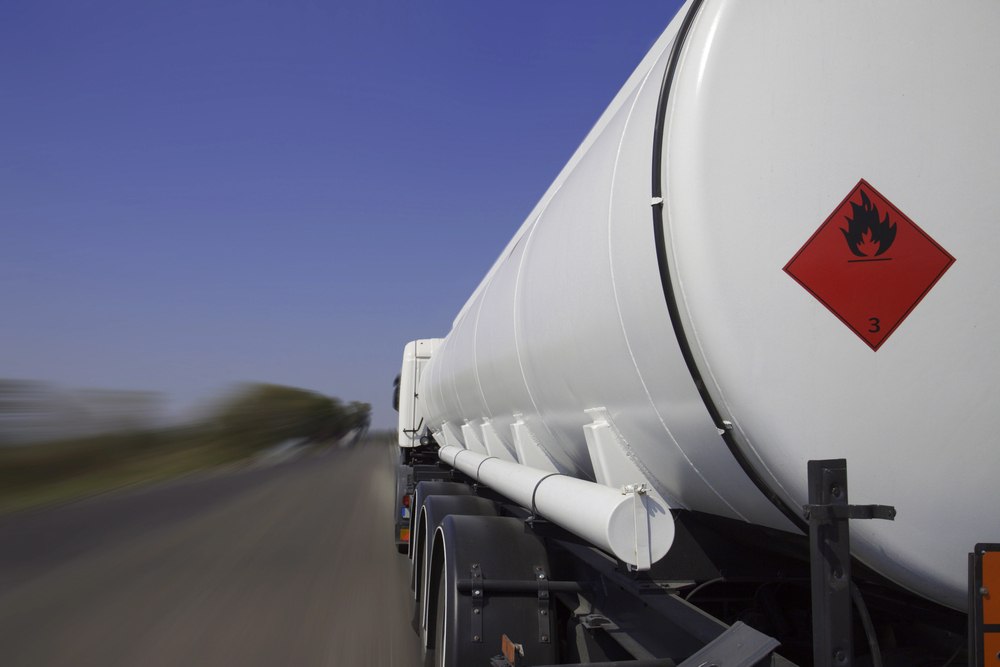
Kyrgyzstan Looks Beyond Russia as Fuel Squeeze Hits Central Asia
Kyrgyzstan has asked Azerbaijan, Belarus, Kazakhstan, Russia, Turkmenistan and Uzbekistan to help secure its fuel supplies as shortages inside Russia put new strain on Central Asia's fuel market. The move follows reduced Russian refining capacity after Ukrainian drone strikes on oil refineries, seasonal demand, and tighter export controls. “Due to the lack of adequate oil and gas production, we remain a country dependent on imports,” Deputy Energy Minister Nasipbek Kerimov told Birinchi Radio. “Kyrgyzstan annually consumes approximately 2 million tons of various types of fuel and lubricants, and almost 95% of this volume comes from Russia.” The dependence rests on long-standing trade terms; Russia supplies oil products to Kyrgyzstan duty-free under annual indicative balances within the Eurasian Economic Union. Russian Deputy Prime Minister Alexey Overchuk said in October 2025 that balances for 2026 had already been signed. The system has helped hold down prices, but it also leaves the market exposed when Russian refineries or export rules change. Kyrgyz officials have tried to calm consumers. The Energy Ministry said fuel reserves were sufficient, supplies were moving under existing contracts, and that “official requests have been sent” to relevant governments to support stable supplies. Local officials also pressed Kyrgyzneftegaz and the Junda refinery to increase domestic production and deliveries. The pressure is not equal across all fuel types. AI-95 and AI-98 gasoline have disappeared from some filling stations, while AI-92 reserves remain stronger. Oil Traders Association head Kanatbek Eshatov told Kaktus.media that AI-92 stocks would last 30 to 45 days, depending on the company. He said the AI-95 problem could be solved “in a couple of weeks, if refineries recover after the shelling.” Diesel remains available, and farmers had stocked up before harvest work began, he added. As of July 6, AI-95 remained unavailable at some Bishkek filling stations. Bishkek has also moved on prices, with the Cabinet introducing temporary price regulation under Resolution No. 369 of May 25, 2026. The system subsidizes importers and sellers until September 30 by compensating the gap between market prices and fixed benchmark import prices. In Bishkek, capped pump prices are 79.9 soms per liter for AI-92 gasoline, 88.9 soms for AI-95 and 93.9 soms for diesel, equal to about $3.46, $3.85 and $4.06 per U.S. gallon. The state is using subsidies to prevent a sharper jump at the pump. Kerimov said prices would stay unchanged while talks continued with suppliers. “We are currently offered fuel at various prices,” he said, and even if purchase prices rise, “there should be no shortage on the domestic market.” President Vladimir Putin acknowledged on June 28 that fuel shortages inside Russia had created queues at filling stations. “Problems for drivers and for businesses persist,” he said, adding that “the harvest depends on” keeping seasonal fuel schedules for farms. Russian officials said gasoline reserves stood at 1.7 million metric tons, but Moscow was considering a complete ban on diesel exports. Russia had already imposed temporary restrictions on gasoline exports, with exemptions for some intergovernmental arrangements. Reuters reported on June...