• KGS/USD = 0.01144 0%
  • KZT/USD = 0.00205 0%
  • TJS/USD = 0.10722 0%
  • UZS/USD = 0.00008 0%
  • TMT/USD = 0.28490 0%
  • KGS/USD = 0.01144 0%
  • KZT/USD = 0.00205 0%
  • TJS/USD = 0.10722 0%
  • UZS/USD = 0.00008 0%
  • TMT/USD = 0.28490 0%
  • KGS/USD = 0.01144 0%
  • KZT/USD = 0.00205 0%
  • TJS/USD = 0.10722 0%
  • UZS/USD = 0.00008 0%
  • TMT/USD = 0.28490 0%
  • KGS/USD = 0.01144 0%
  • KZT/USD = 0.00205 0%
  • TJS/USD = 0.10722 0%
  • UZS/USD = 0.00008 0%
  • TMT/USD = 0.28490 0%
  • KGS/USD = 0.01144 0%
  • KZT/USD = 0.00205 0%
  • TJS/USD = 0.10722 0%
  • UZS/USD = 0.00008 0%
  • TMT/USD = 0.28490 0%
  • KGS/USD = 0.01144 0%
  • KZT/USD = 0.00205 0%
  • TJS/USD = 0.10722 0%
  • UZS/USD = 0.00008 0%
  • TMT/USD = 0.28490 0%
  • KGS/USD = 0.01144 0%
  • KZT/USD = 0.00205 0%
  • TJS/USD = 0.10722 0%
  • UZS/USD = 0.00008 0%
  • TMT/USD = 0.28490 0%
  • KGS/USD = 0.01144 0%
  • KZT/USD = 0.00205 0%
  • TJS/USD = 0.10722 0%
  • UZS/USD = 0.00008 0%
  • TMT/USD = 0.28490 0%

Viewing results 1 - 6 of 464

Uzbekistan Shakes Up Top Security Positions

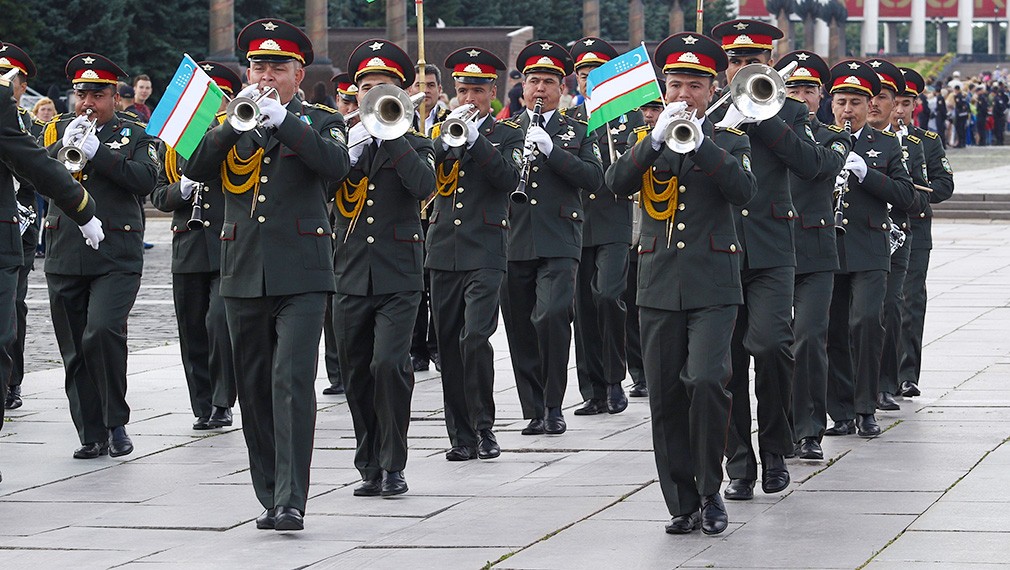
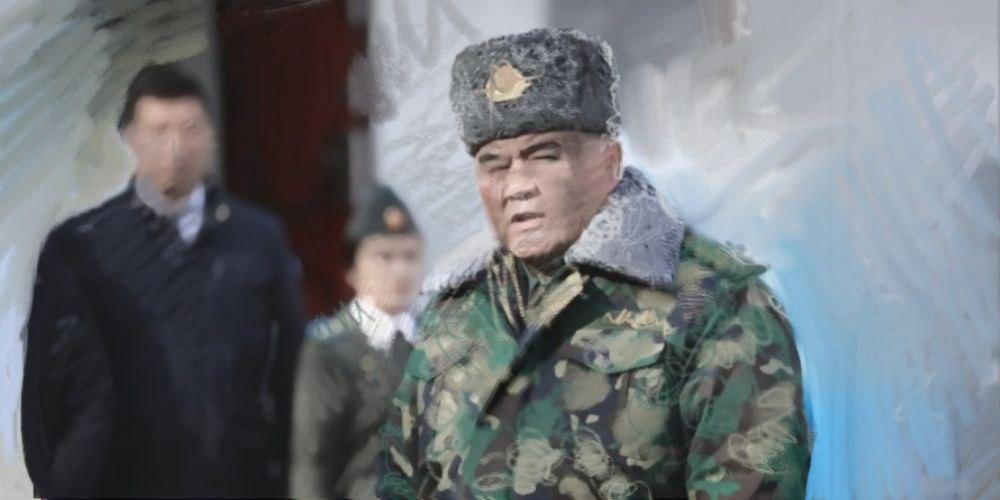
Uzbek President Shavkat Mirziyoyev has reshuffled several top posts in the government’s security establishment, a presidential aide said on Sunday. Shukhrat Khalmukhamedov has been promoted to defense minister from his previous post as the ministry’s first deputy minister and chief of the general staff of the military, presidential press secretary Sherzod Asadov said on social media. Khalmukhamedov had held his previous job since 2021. Khalmukhamedov replaced Bahodir Kurbanov, who was defense minister for five years and moved to chairman of the State Security Service, the national intelligence agency, according to the press secretary. Kurbanov, in turn, took over from Abdusalam Azizov, who was transferred to the Security Council secretariat under the president. Azizov previously held several high-level jobs, including defense minister, internal affairs minister and head of the Uzbekistan Football Association. The government did not announce any reasons for the reshuffle. It came one month after a shooting attack on a vehicle in the Tashkent region that prompted reports by Uzbek media organizations and social media posts that a former high-profile figure in the government was traveling in the vehicle and was the target. There were no injuries in the attack. The prosecutor general’s office has said several suspects were arrested, but has provided few other details about the case. Authorities warned that people who spread false information can be prosecuted because it can lead to panic and destabilize society. In other security developments in the region, Kazakh President Kassym-Jomart Tokayev has told his government to upgrade protections at key military and civilian facilities because of escalating hostilities between Ukraine and Russia, which launched a full-scale invasion of Ukraine in early 2022.

Kazakhstan on Alert as War in Ukraine Escalates

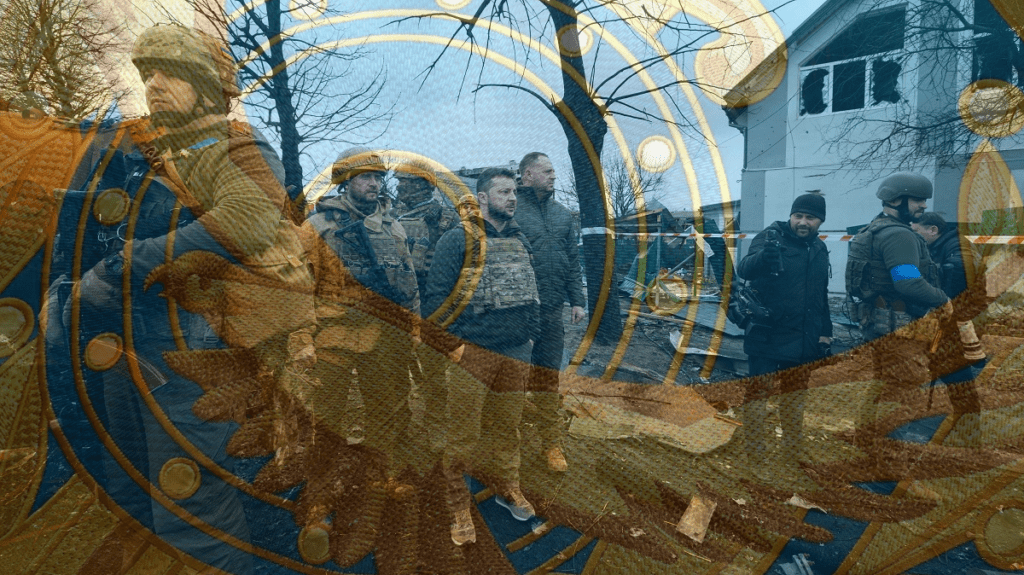
Kazakh President Kassym-Jomart Tokayev has instructed his government to take urgent steps to safeguard key military and civilian facilities because of escalating hostilities in Ukraine, which has been fighting Russian forces since they launched a full-scale invasion in early 2022. Tokayev ordered the prime minister, the presidential chief of staff, security chiefs and regional governors “to ensure the security” of the facilities, presidential press secretary Berik Uali said on Facebook on Thursday. Uali’s message did not include any details about the security steps that were being taken. Parliamentary leaders were notified of the measures, according to Uali. “The President is personally monitoring the situation in the country,” he said. The message came hours after Russia struck a site in the Ukrainian city of Dnipro with a new ballistic missile that amounted to a heightened warning from Russian President Vladimir Putin. The missile was only carrying conventional warheads, but it is in a class of missiles that can carry nuclear weapons. On Wednesday, Kazakhstan’s embassy in Ukraine urged Kazakh citizens to consider leaving Ukraine for safety reasons, and Kyrgyzstan issued a similar message to its nationals. Kazakhstan, which shares a long border with Russia, has called for an end to the conflict in Ukraine through negotiations. Kazakhstan and other Central Asian countries that, like Ukraine, were former Soviet republics have sought a neutral stance, maintaining trade and security ties with Russia while not publicly supporting the invasion.

Charges Reclassified for Defendants in Crocus Terror Attack Case

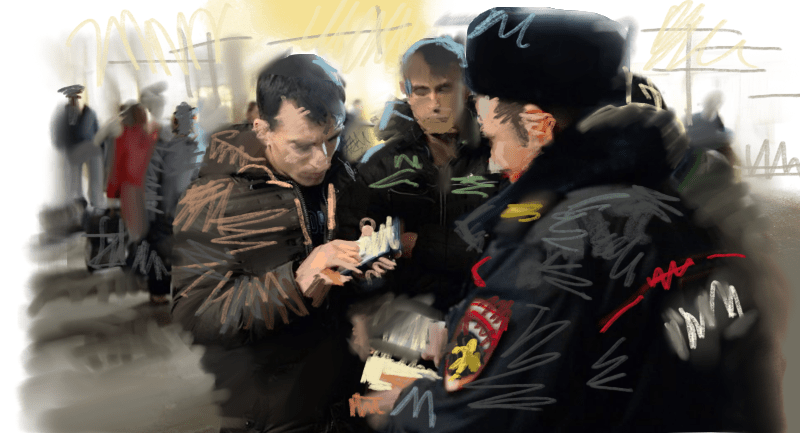
The charges against the four defendants in the Crocus City Hall terrorist attack case have been reclassified, lawyer Alexander Yarin has told Russia's state-owned TASS news agency. “Aminchon and Dilovar Islomov, their father Isroil Islomov, and Alisher Kasimov are now charged under Part 3 of Article 205.1 of the Russian Criminal Code,” Yarin stated. Previously, the defendants were charged under paragraph “b” of Part 3 of Article 205 of the Criminal Code, which pertains to a terrorist act resulting in a fatality. The updated charges now reflect involvement in actions that facilitated the commission of a terrorist act. As previously reported by TCA, the terrorist attack at Crocus City Hall, located on the outskirts of Moscow, resulted in 144 fatalities and 551 injuries. The incident has created a climate of fear among Central Asian migrants living in Russia. In the aftermath of the attack, Tajik migrants have faced a surge of hostility and aggression, further exacerbating tensions within the migrant community.

AI Facial Recognition System Being Tested in Two Cities in Kazakhstan

Kazakhstan has launched a national video monitoring system powered by artificial intelligence technologies. The project, developed by the Ministry of Internal Affairs, the National Security Committee, and the Ministry of Digital Development, Innovation, and Aerospace Industry, aims to enhance surveillance capabilities across key locations in the country. The system is designed to recognize faces, detect abandoned objects, capture offenses, and identify vehicles by make, model, and color. Critical sites such as railway stations, airports, hotels, streets, intersections, and shopping malls are priority areas for implementation. During the World Nomad Games in Astana, the technology was reportedly instrumental in locating lost children and missing persons. Authorities also noted that the system helped detain 46 wanted individuals in Astana and 30 in Almaty. Proponents argue that these technologies could contribute to improving public safety and reducing crime. Kazakhstan’s initiative follows a broader global trend of integrating AI into “smart city” systems, similar to developments in China, Russia, and some European countries. Officials say the system will be expanded with additional cameras nationwide to increase monitoring coverage. To date, more than 1.3 million video cameras have been installed in Kazakhstan, with 310,000 of them connected to operational control centers and police duty stations. Advocates of the system highlight its potential to deter crime and bolster public security, although concerns about privacy and misuse of surveillance technology have been raised internationally. Worldwide, AI video surveillance systems are being adopted to improve law enforcement and public safety. In China, they are used for facial recognition to track criminals and prevent offenses. Russia has integrated AI into its video systems to detect potential threats, while in the UK, intelligent cameras are used for crowd management and event security. While supporters emphasize the benefits of such systems in enabling faster responses to incidents and reducing crime, the deployment of AI in surveillance has sparked ongoing debates over privacy, civil liberties, and the potential for misuse.

War in Ukraine: Kazakhstan, Kyrgyzstan Tell Citizens to Step Up Safety

Some Central Asian countries are urging their nationals to consider leaving Ukraine as the war with Russian forces escalates there. “Due to the increased frequency of artillery shelling and airstrikes in Ukraine, the Embassy of the Republic of Kazakhstan in Ukraine strongly advises its citizens to consider leaving areas close to active combat zones or leaving Ukraine altogether for safety purposes,” the embassy said on Telegram on Wednesday. It urged citizens “to take air raid warnings seriously, immediately seek shelter, adhere to personal safety measures, and follow the recommendations of official authorities.” Kazakh citizens can travel home from Ukraine by using land routes through Poland or Moldova, and then boarding a commercial flight, according to the embassy. It said a Schengen visa is required for entry into Poland and no visa is needed for Moldova. Citing its embassy in Ukraine, Kyrgyzstan’s Ministry of Foreign Affairs said “a massive attack was carried out on the territory of the Kyiv region using attack unmanned aerial vehicles” on Wednesday. The ministry recommended that Kyrgyz citizens currently in Ukraine “strengthen their personal security measures and, if necessary, leave the territory of Ukraine until the situation has fully stabilized.” The U.S. Embassy in Kyiv said it was closing on Wednesday as a precaution after receiving “specific information of a potential significant air attack” and that embassy employees were instructed to shelter in place. Some other Western embassies also closed temporarily. Russia launched a full-scale invasion of Ukraine in February 2022 and the war has recently escalated. North Korean troops have deployed into ally Russia’s territory near the border, including in the Kursk region of Russia where Ukrainian troops have seized territory; the United States has allowed Ukraine to use U.S.-supplied, longer-range missiles to attack targets in Russia; and Russian President Vladimir Putin has issued another round of warnings about the possible use of Russia’s nuclear arsenal, in an apparent effort to deter more Western support for Ukraine.

Kazakhstan Abandons Universal Income Declaration Plan

Kazakhstan Scraps Universal Tax Declarations Amid Public Concerns In a surprising move, the Kazakh government has proposed canceling the universal tax declaration system set to take effect in 2025. The decision, aimed at alleviating public anxiety amid worsening economic conditions, will exempt over 90% of the population from filing declarations. Experts argue that this adjustment is necessary and practical, as the reform would otherwise add unnecessary strain on taxpayers without significantly benefiting state revenues. Public Backlash and Policy Reassessment The Universal Declaration initiative was intended to include approximately 8 million additional citizens in 2025, encompassing private sector employees, pensioners, and students. However, widespread public concern about the burden on taxpayers and tax authorities prompted a reevaluation. Finance Minister Madi Takiyev announced the exemption on November 19, citing the country's advanced digital infrastructure, which already tracks key financial data. Prime Minister Olzhas Bektenov echoed these sentiments, directing the Ministries of Finance, National Economy, and Justice to draft legislative amendments within three days. He emphasized that the reform had “caused concern of the population, which was brought to the attention of the head of state.”  He added that a widespread income declaration is unnecessary because the databases of state agencies in Kazakhstan are "highly digitized." Streamlined Tax Obligations The revised approach retains declaration requirements for specific groups, including: Citizens with assets abroad. Individuals making significant purchases (exceeding 74 million KZT, or approximately $149,000, in 2024). Those receiving income are subject to independent taxation. Voluntary declarations will remain an option for all citizens. A Phased Reform The universal declaration system began in 2021 and was implemented in stages. Initially, it targeted government officials and their spouses. The requirement extended to public sector employees and the quasi-public sector in subsequent phases. By 2024, business leaders, entrepreneurs, and their spouses were included. The final stage, which aimed to include the broader population, faced criticism for being outdated in the digital era. President Kassym-Jomart Tokayev acknowledged this, stating, “It is planned that about 8 million more people will submit declarations next year. However, we should consider that the concept of universal income declaration was adopted 14 years ago. During this time, the country has made significant progress in digitalization and fintech. Databases of various government agencies have been integrated. Financial and tax control has been strengthened. Given these large-scale changes, the question arises as to whether it is advisable for citizens falling under the fourth and final stage to submit declarations. The government needs to work out a solution to this.” Expert Analysis Political scientist Gaziz Abishev highlighted the effectiveness of the reform's earlier stages, which targeted those most likely to influence public funds or earn significant income. “The first three stages have already included bureaucrats, civil servants, quasi-public sector employees, and businesspeople. Everyone who manages public funds or earns a considerable income within Kazakhstan’s economy has already been required to report and will continue to submit declarations,” Abishev explained. The fourth stage, set to include around 8 million additional citizens, drew criticism for its lack...