• KZT/USD = 0.00215
  • TJS/USD = 0.10800
  • UZS/USD = 0.00008
  • TMT/USD = 0.29850
  • KZT/USD = 0.00215
  • TJS/USD = 0.10800
  • UZS/USD = 0.00008
  • TMT/USD = 0.29850
  • KZT/USD = 0.00215
  • TJS/USD = 0.10800
  • UZS/USD = 0.00008
  • TMT/USD = 0.29850
  • KZT/USD = 0.00215
  • TJS/USD = 0.10800
  • UZS/USD = 0.00008
  • TMT/USD = 0.29850
  • KZT/USD = 0.00215
  • TJS/USD = 0.10800
  • UZS/USD = 0.00008
  • TMT/USD = 0.29850
  • KZT/USD = 0.00215
  • TJS/USD = 0.10800
  • UZS/USD = 0.00008
  • TMT/USD = 0.29850
  • KZT/USD = 0.00215
  • TJS/USD = 0.10800
  • UZS/USD = 0.00008
  • TMT/USD = 0.29850
  • KZT/USD = 0.00215
  • TJS/USD = 0.10800
  • UZS/USD = 0.00008
  • TMT/USD = 0.29850
16 August 2026

Viewing results 1 - 6 of 47

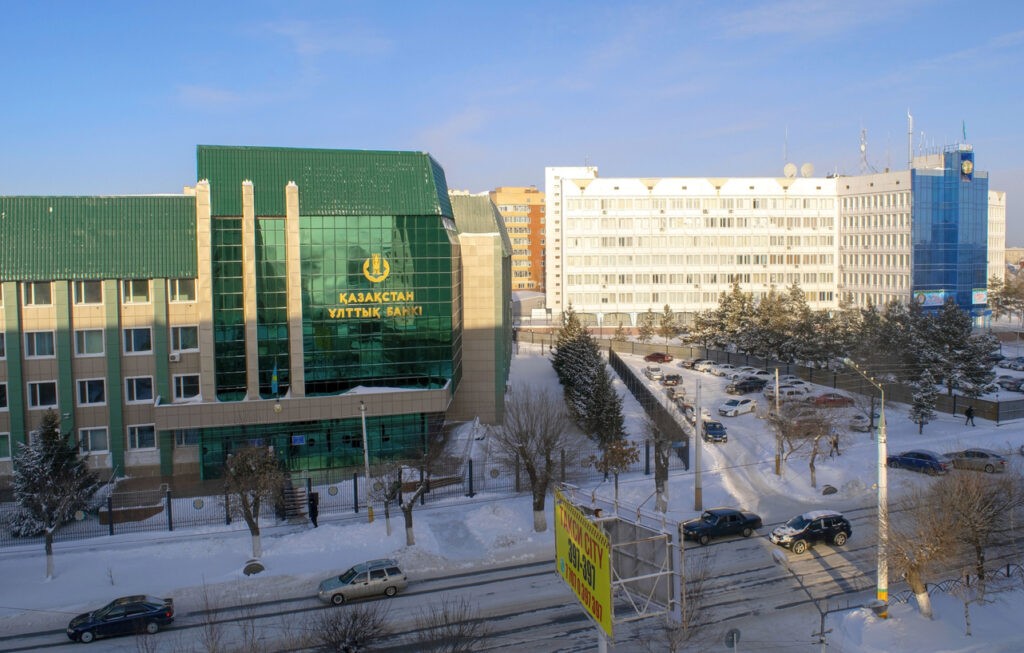
Kazakhstan’s National Bank Raises Prime Rate to 15.25% Annually

The Monetary Policy Committee of Kazakhstan’s National Bank has raised the prime rate to 15.25% per annum, with an allowable deviation of 1 percentage point. This adjustment comes in response to the sharp weakening of the national currency, the tenge. The decision is grounded in updated forecasts and assessments of inflationary risks. The National Bank cited easing monetary conditions—driven by the tenge's depreciation, declining real interest rates, and heightened inflation expectations—as key factors behind the rate increase. Financial market volatility has further underscored the need for this measure. The National Bank emphasized its commitment to closely monitoring market dynamics and taking additional measures if needed to stabilize inflation. The central goal remains returning inflation, which has risen to 8.5%, to a target of 5%. The next decision on the prime rate is scheduled for January 17, 2025. Role of the Prime Rate The prime rate is a critical economic tool, directly influencing credit costs for banks and shaping inflation trends. Determined through an analysis of economic conditions, it regulates the money market. While a lower prime rate may temporarily weaken the tenge, it can boost production and economic growth in the medium term. Recent Adjustments The latest hike follows a series of previous adjustments. In February 2024, the prime rate was reduced to 14.75%, followed by another decrease to 14.25% in July. The rate was maintained at this level in October before this recent increase. Looking ahead, the National Bank has also published a schedule of rate decisions for 2025, underscoring its transparent approach to monetary policy.

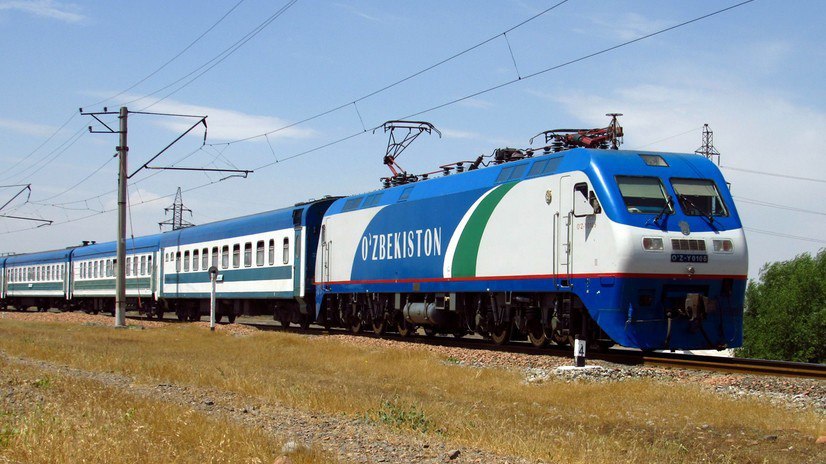
Uzbekistan Targets $200 Billion GDP by 2030 with Transport Reforms

On November 26, President Shavkat Mirziyoyev outlined transformative plans for Uzbekistan’s state-owned railway and aviation sectors, setting an ambitious goal to increase the country’s GDP to $200 billion by 2030. Significant changes are already being implemented to enhance efficiency and convenience. In the railway sector, six independent enterprises have been created under “Uzbekistan Railways.” The company added 1,200 new freight cars, halving domestic freight transportation times. The digitalization of operations has streamlined processes, cutting the ordering stage for freight cars from seven days to three and reducing processing time from 72 hours to just 12 hours. Around Tashkent, train traffic has increased by 30%, and for the first time, the previously unprofitable enterprise posted a profit of 30 billion UZS ($2.3 million) this year. In the aviation sector, Uzbekistan Airways has seen flights increase by 25%, with domestic flights surging 2.5 times. The airline now holds a 20% share of international transport in Central Asia, and annual passenger traffic is projected to exceed 6 million. “Uzbekistan Airports” has also expanded services for planes, cargo, and passengers. Greater private sector involvement in airport management has yielded notable results, with 44 airlines currently operating in Uzbekistan. Cargo transportation through airports is expected to grow by 22% this year. “The economy and trade relations in our country are developing year after year. The population’s income and the tourism potential of the regions are also increasing. By 2030, we have set a goal to increase the volume of our gross domestic product to $200 billion. Therefore, we should pay special attention to the transport arteries,” Mirziyoyev said. To support these developments, a new version of the Law “On Railway Transport” has been signed, replacing the 25-year-old legislation. The updated law aims to attract private companies and investments to further develop infrastructure and accelerate industry growth.

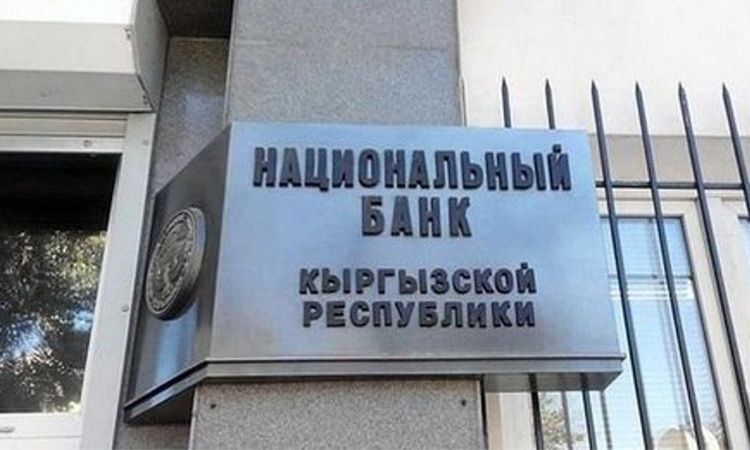
Kyrgyz National Bank Maintains Discount Rate at 9% Amid Stable Inflation and Economic Growth

The National Bank of the Kyrgyz Republic has announced its decision to keep the discount rate steady at 9%, according to a statement published on its official website. The Bank credited its effective monetary policy for maintaining stable inflation. As of November 2024, annual inflation dropped from 7.3% at the start of the year to 5.2%, aligning with the regulator’s targets. Inflationary pressures remained moderate, with slowed price growth in both food and non-food categories. Key drivers of price levels include strong domestic demand and the impact of tariff policy measures. Kyrgyzstan’s economy continues to demonstrate robust growth, primarily driven by expansion in the construction and services sectors. Real GDP grew by 9.6% during the first ten months of 2024, fueled by increased domestic consumption supported by rising household incomes. Higher real wages and a surge in individual remittances have contributed significantly to this growth. Fixed asset investments, largely financed by domestic sources, have also risen. The domestic foreign exchange market has shown resilience, with fluctuations in the national currency attributed to seasonal factors and balanced supply-demand dynamics. The National Bank has conducted $20.75 million in net foreign currency sales since the beginning of the year to prevent sharp exchange rate volatility. The Bank has progressively adjusted its discount rate over the past two years. In November 2022, it was reduced from 14% to 13%, followed by further reductions in 2024: from 13% to 11% in April and then to the current 9% in May. The next review of the discount rate is scheduled for January 27, 2025.  

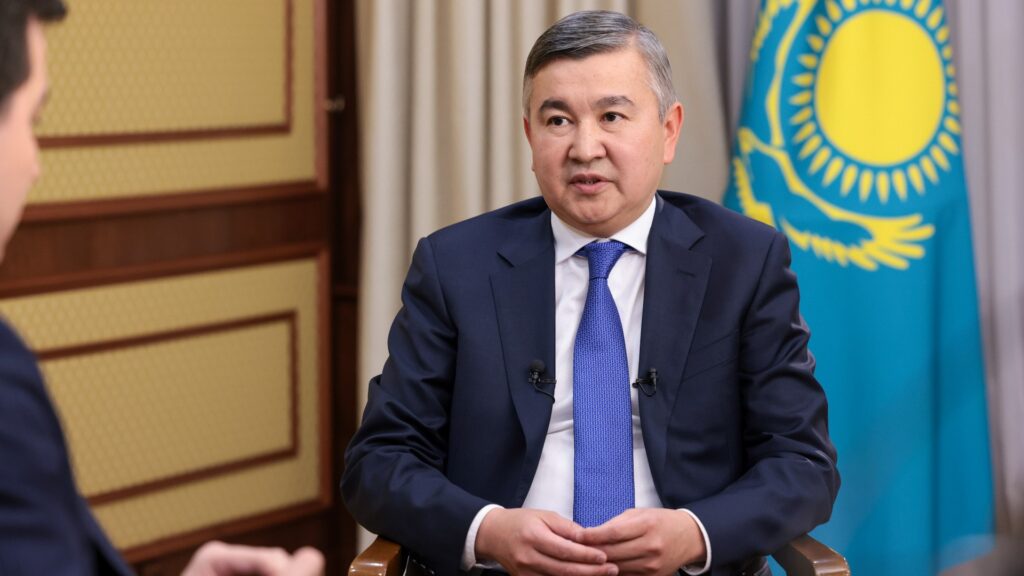
Kazakhstan’s Public Debt Remains at ‘Comfortable Level,’ Says Economy Minister

On November 22, Nurlan Baibazarov, Kazakhstan’s Minister of National Economy, addressed the current status of the country’s public debt, emphasizing its manageable level. Baibazarov highlighted that international organizations, including the International Monetary Fund, the World Bank, and global credit rating agencies, consistently recognize Kazakhstan's low public debt. "The latest changes in international credit ratings indicate the fiscal and financial stability of our country,” Baibazarov stated. “We have significant reserves in the National Fund, as well as gold and foreign exchange reserves exceeding $100 billion. These serve as a financial safety cushion, enabling us to actively attract investments." Kazakhstan’s Concept of Public Finance Management imposes a limit ensuring that national debt does not exceed 32% of GDP. Baibazarov reported that the current figure stands at approximately 23%, reflecting a "safe and comfortable" level. He further explained that public debt should be seen as a tool for economic investment. "We build roads, invest in infrastructure, and launch new production facilities. These projects lay the groundwork for future economic growth and sustainable development," he added. As of October 1, 2024, Kazakhstan’s total public debt was reported to be over 30.5 trillion KZT (approximately $61 billion), equating to 22.6% of GDP. This reinforces the country's position within the fiscal parameters set by its government.

Tajikistan’s External Debt Reaches $3.25 Billion

As of October 1, Tajikistan’s external debt stood at $3.25 billion, according to a report by Asia-Plus citing the Ministry of Finance. This represents a modest 0.2% increase, or $7.1 million, compared to January 1. Approximately 96% of the debt comprises direct government debt, incurred to meet state obligations, while $138.8 million is under state guarantees. Tajikistan’s external debt-to-GDP ratio is 27%, which is considered a favorable level. The largest creditors include the World Bank ($370 million), the Asian Development Bank ($260 million), the Islamic Development Bank ($212 million), and the European Bank for Reconstruction and Development ($167 million). A significant portion of the debt, $500 million, consists of Eurobonds issued in 2017 to finance the completion of the Rogun Hydroelectric Power Plant. While the government adheres to the repayment schedule for these bonds, only interest payments have been made so far. Next year, Tajikistan is expected to seek additional loans from development partners to continue work on the Rogun Hydroelectric Power Plant. This move is anticipated to substantially increase the country’s external debt. By way of comparison, The Times of Central Asia recently reported that neighboring Uzbekistan’s public debt is projected to reach $45.1 billion by the end of 2025.

Gold Reserves in Kyrgyzstan May Reach Up to 4,000 Tons

Kyrgyzstan holds over 5,000 deposits of various minerals, including valuable resources such as gold, rare earth elements, uranium, and thorium. This was announced by Deputy Minister of Natural Resources Narynbek Satybaldiev during a briefing. According to official state data, Kyrgyzstan has just over 1,000 tons of confirmed gold reserves. However, geologists estimate that the country's total potential exceeds 4,000 tons. Many deposits are complex, containing other metals such as antimony, copper, and zinc alongside gold. Satybaldiev highlighted that the recent lifting of a moratorium on deposit development presents new opportunities for mining gold and other strategically important metals essential for the global economy. The Kyrgyz government is developing a comprehensive strategy to fully utilize its mineral resources. The plan includes exploration, mining, and processing initiatives, with a particular focus on rare earth metals. These resources are critical for producing high-tech products and advancing green energy technologies. The implementation of this strategy is expected to boost mining revenues, strengthen Kyrgyzstan's economic independence, and attract foreign investment. In June 2024, Kyrgyzstan lifted a ban on developing uranium and thorium deposits, a restriction that had been in place since 2019. The decision reflects the government’s aim to balance environmental safety with the need to harness strategically important resources for economic growth. The policy change is expected to attract investment, create jobs, and increase revenues from mineral exports.