• KZT/USD = 0.00211
  • TJS/USD = 0.10800
  • UZS/USD = 0.00008
  • TMT/USD = 0.29850
  • KZT/USD = 0.00211
  • TJS/USD = 0.10800
  • UZS/USD = 0.00008
  • TMT/USD = 0.29850
  • KZT/USD = 0.00211
  • TJS/USD = 0.10800
  • UZS/USD = 0.00008
  • TMT/USD = 0.29850
  • KZT/USD = 0.00211
  • TJS/USD = 0.10800
  • UZS/USD = 0.00008
  • TMT/USD = 0.29850
  • KZT/USD = 0.00211
  • TJS/USD = 0.10800
  • UZS/USD = 0.00008
  • TMT/USD = 0.29850
  • KZT/USD = 0.00211
  • TJS/USD = 0.10800
  • UZS/USD = 0.00008
  • TMT/USD = 0.29850
  • KZT/USD = 0.00211
  • TJS/USD = 0.10800
  • UZS/USD = 0.00008
  • TMT/USD = 0.29850
  • KZT/USD = 0.00211
  • TJS/USD = 0.10800
  • UZS/USD = 0.00008
  • TMT/USD = 0.29850

Viewing results 1 - 6 of 4

Japarov Says Tourist Flow to Kyrgyzstan Has Reached 13 Million as Central Asia’s Travel Boom Accelerates

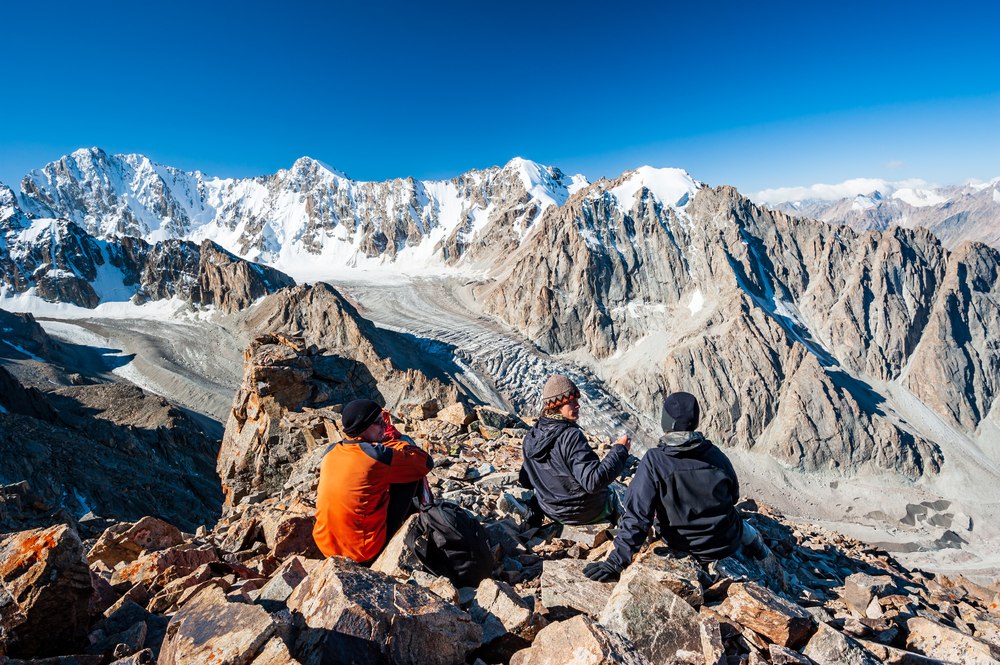
President Sadyr Japarov says the number of tourists visiting Kyrgyzstan has reached 13 million, although his July 21 statement did not specify the reporting period or methodology behind the figure. For a country of roughly seven million people, the reported total is nearly twice the size of its population. Kyrgyzstan’s official tourism statistics count border crossings rather than unique visitors, meaning the same traveler may be counted more than once. Japarov said the total had risen from 2-3 million annual visitors before 2020-2021. However, official tourism datasets have used different measures over time, so the comparison should be treated cautiously. Kyrgyzstan has steadily strengthened its position in Central Asia’s tourism market by promoting mountain destinations, ecotourism, trekking routes, and cultural heritage. Official expectations for visitor numbers have risen almost every year alongside continued investment in the sector. According to State Agency for Tourism Development head Eduard Kubatov, about 10 million tourists visited the country in 2025, contributing more than $1 billion to the economy. Earlier this summer, the agency forecast around 12 million tourist arrivals for 2026. Kubatov said tourism accounts for more than 5% of Kyrgyzstan’s GDP and that the government aims to increase its contribution to 7.5%. The National Statistical Committee separately estimated tourism’s gross value added at 3.8% of GDP in 2024. Another factor expected to support the sector is the removal of all air carriers certified in Kyrgyzstan from the European Union’s Air Safety List, opening the possibility of direct air services between the country and EU member states. Kyrgyzstan’s latest figures come amid a broader tourism boom across Central Asia, although comparisons between countries require caution because governments use different statistical methodologies. Some count all foreign arrivals, while others distinguish between overnight tourists, same-day visitors, and other categories of travelers. Kazakhstan reported 15.7 million foreign arrivals in 2025, excluding people entering for employment or permanent residence. Official data indicates that 11.1 million qualified as tourists, while accommodation statistics show that about 1.4 million foreign visitors used registered accommodation, suggesting many stayed with relatives, friends, or in private rentals. Uzbekistan also reported strong growth. During the first half of 2026, the country recorded 6.56 million tourist arrivals, nearly one-quarter more than during the same period a year earlier. For comparison, Uzbekistan recorded about 8 million tourist trips by foreign citizens throughout 2024. One notable feature of regional tourism is the intensity of cross-border travel within Central Asia. Kyrgyz citizens formed the largest group of foreign visitors to Uzbekistan during the first half of 2026, illustrating how neighboring countries increasingly generate tourism demand for one another. The latest figures reinforce the growing importance of tourism for Kyrgyzstan’s economy. Whether the reported arrival numbers translate into higher export revenues, longer visitor stays, and greater private investment will depend less on the volume of border crossings than on visitor spending, infrastructure development, and the industry’s ability to create sustainable economic value. For now, the available data suggest that tourism is becoming increasingly important in Kyrgyzstan and across Central Asia,...
Kyrgyzstan Launches Sustainable Tourism Development Program

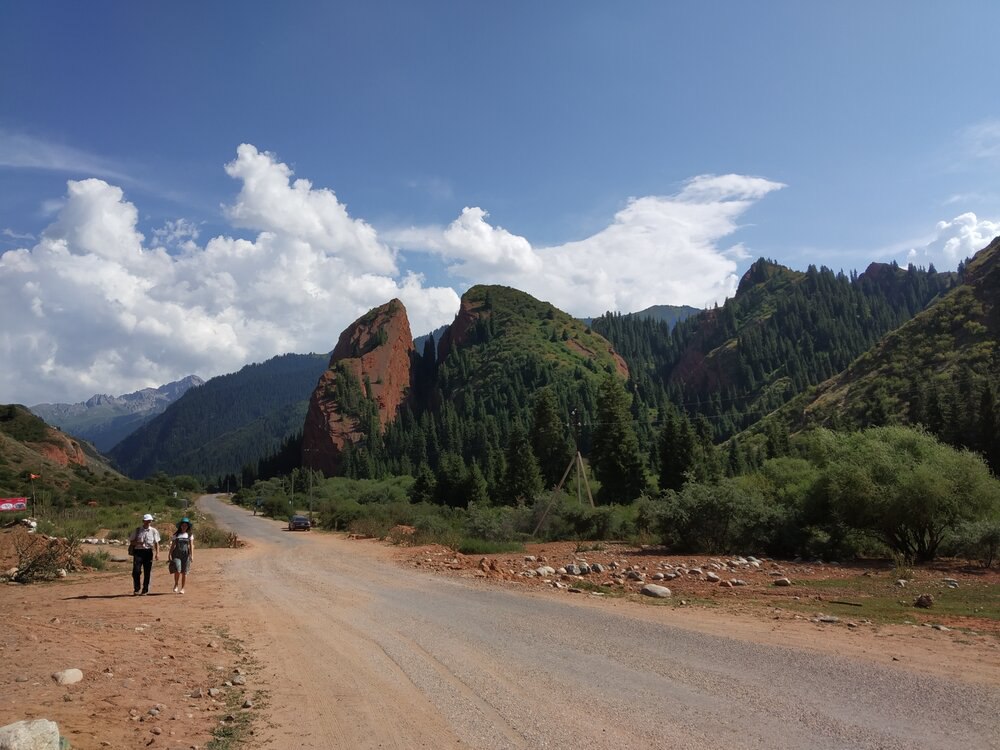
The Cabinet of Ministers of Kyrgyzstan has approved a new Program for Sustainable Tourism Development which is set to run until 2030. The program aims to significantly enhance the country's tourism sector, focusing on sustainable growth, regional development, and environmental preservation. Program Priorities The program outlines several key areas for development: Strengthening state policy, improving regulations, and enhancing strategic management in tourism. Boosting the attractiveness of tourism services for both domestic and international travelers. Leveraging digital technologies to simplify access to tourism products. Ensuring the safety and security of tourists. Preserving and promoting Kyrgyzstan’s historical, cultural, and natural heritage while maintaining ecological balance. Stimulating regional development and supporting local economies through tourism initiatives. Improving transport, hotel, and tourism infrastructure. Encouraging the adoption of green technologies and supporting environmentally friendly practices. Promoting niche tourism markets such as medical, sports, and health resort tourism. The program has ambitious goals, including increasing tourism's contribution to the national GDP to 7% and achieving a 10% annual growth in the number of domestic and foreign tourists. Currently, tourism accounts for 2.7% of Kyrgyzstan’s GDP. Rising Tourism Numbers Kyrgyzstan’s tourism industry has seen steady growth in recent years. As previously reported by The Times of Central Asia, the country is expected to have attracted more than 10.5 million foreign tourists in 2024, up from 8.5 million in 2023. In the first eight months of 2024 alone, Kyrgyzstan welcomed 6.1 million foreign visitors. The majority of tourists came from Uzbekistan, Kazakhstan, and Russia, followed by travelers from Turkey, China, India, Germany, Pakistan, the United States, and South Korea. Infrastructure and Investment On January 11, the First Deputy Chairman of the Cabinet of Ministers, Daniyar Amangeldiev, chaired a meeting on tourism development. The discussions centered on improving tourism infrastructure, creating favorable conditions for investment in the sector, and designing new tourist routes. Amangeldiev emphasized the pivotal role of tourism in driving economic growth and creating jobs. As part of the government's plans, 40 new tourist bases are expected to open across the country by 2025. These will be developed in cooperation with local communities and investors. “We must improve services, develop unique routes, and ensure tourists’ safety throughout their journey in Kyrgyzstan,” Amangeldiev stated. A Vision for the Future With its diverse landscapes, rich cultural heritage, and growing global recognition, Kyrgyzstan is positioning itself as a major tourism destination in Central Asia. The new program aims to transform the sector into a key driver of sustainable development, while preserving the country’s natural and cultural treasures for future generations.

Turkmenistan Tourism: Dinosaur Footprints, a Mystical Crater and Healing Lakes

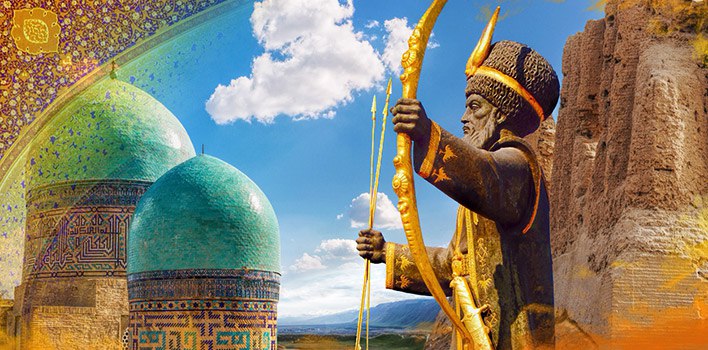
Dotted with historical and cultural sites, and blessed with beautiful nature and a good climate, Turkmenistan is beginning to develop its tourism industry. Turkmen authorities are expanding tourist itineraries, and improving the infrastructure and quality of services. Measures are also in place to provide a clean environment, safe drinking water and better food hygiene. Turkmenistan has a variety of natural wonders. The unique landscapes of Kopetdag, the Karakum desert, the Amu Darya river, Koytendag, the subtropics of south-western Turkmenistan and the Turkmen coast of the Caspian Sea are ideal spots for ecological tourism. The Aydere Gorge in western Kopetdag is also popular with travelers. Here there are dozens of picturesque valleys with pure springs, as well as ancient fortresses and historical monuments that guard the secrets of ancient times. Koytendag, located in the south-east of the country, attracts tourists seeking the traces of dinosaurs that lived here in prehistoric times. The Sumbar Gorge in the south-west of the country also offers great opportunities for tourism development. Its beautiful mountain valleys, life-giving springs, and diversity of animal life make this place especially attractive. The national tourist zone Avaza on the Caspian Sea coast attracts tourists from all over the world. Its comfortable climate, therapeutic mud, and mineral springs create ideal conditions for the development of ecotourism. The Caspian Sea coast, with its amazing nature, changing in every season, impresses one with its beauty and charm. Places that are also worth visiting in Turkmenistan: Darvaza In the heart of Turkmenistan's Karakum Desert is the Darvaza gas crater, which looks like a gateway to the underworld. The fire pit results from unsuccessful drilling conducted by Soviet geologists in 1971. To prevent the natural gas from harming people and livestock, the geologists decided to set it on fire. The fire, which was supposed to go out in a few days, is still burning to this day. The tongues of flame, reaching ten meters in height, can be seen from several kilometers away. The crater is about 60 meters in diameter and 20 meters deep. Darvaza is located 266 kilometers north of Ashgabat and 90 kilometers north of the village of Erbent. Several sinkholes can be found in the vicinity of the crater; one of them is filled with a bright turquoise liquid. The most impressive sight is Darvaza in the early evening light. Arriving before sunset, you can enjoy a fantastic contrast: the crater, bathed in the orange rays of the setting sun, gradually sinks into darkness, illuminating the desert landscape with bright flames. Other sinkholes are best viewed during daylight hours, but one should be careful as the loose earth near the edges crumbles and chunks of earth fall into the abyss. There is a strong smell of gas near the pit, and the temperature is quite high, so staying here for a long time is not recommended. Yekedeshik Yekedeshik, or “one hole,” is a mysterious cave city located near the village of Takhta Bazar in Mary province, on the left bank of...

ADB Funds Wastewater Management and Sustainable Tourism in Issyk-Kul, Kyrgyzstan

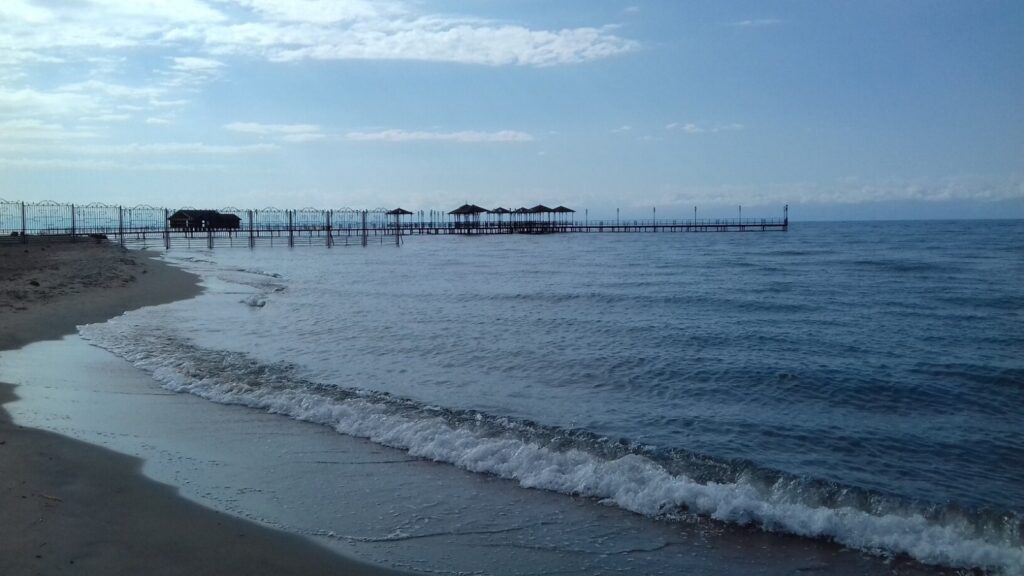
On June 24, the Asian Development Bank (ADB) announced its provision of $56 million to improve wastewater management and enhance sustainable and inclusive tourism in Kyrgyzstan’s Issyk-Kul region. The funding comprises a $25 million concessional loan and a $31 million Asian Development Fund (ADF) grant. The Issyk-Kul region, with its rich ecological and biological diversity and Issyk-Kul Lake, has long been a popular tourist destination, with some 80% of holidaymakers choosing to stay at the lakeside resort of Cholpon-Ata. However, due to its age, the town’s wastewater network currently serves just half of the permanent population and excludes almost a third of tourism facilities. To address the issue, ADB funds will be invested in a climate-resilient infrastructure including a wastewater treatment plant, pumping stations, and improved sewer infrastructure, serving Cholpon-Ata's  main resorts, guesthouses, residential and business sectors. In tandem with helping preserve the environment around the lake, the initiative will support local authorities in developing a climate-resilient tourism master plan for the area. The project will also boost the area's tourism infrastructure through the creation of a museum and information centre, improving and conserving the local archaeological heritage site, constructing bike trails and walking paths around the lake's shoreline, upgrading three public parks, and facilitating access to green spaces. ADB Director General for Central and West Asia Yevgeniy Zhukov commented: “Economic growth can be driven by low-carbon tourism built on sound environmental practices and climate-resilient infrastructure. ADB’s project addresses critical challenges faced by Cholpon-Ata’s tourism industry. By integrating environmental improvements and wastewater investments with tourism infrastructure, we are helping shift Kyrgyz Republic to a low-carbon growth trajectory.”