President Sadyr Japarov says the number of tourists visiting Kyrgyzstan has reached 13 million, although his July 21 statement did not specify the reporting period or methodology behind the figure.
For a country of roughly seven million people, the reported total is nearly twice the size of its population. Kyrgyzstan’s official tourism statistics count border crossings rather than unique visitors, meaning the same traveler may be counted more than once. Japarov said the total had risen from 2-3 million annual visitors before 2020-2021. However, official tourism datasets have used different measures over time, so the comparison should be treated cautiously.
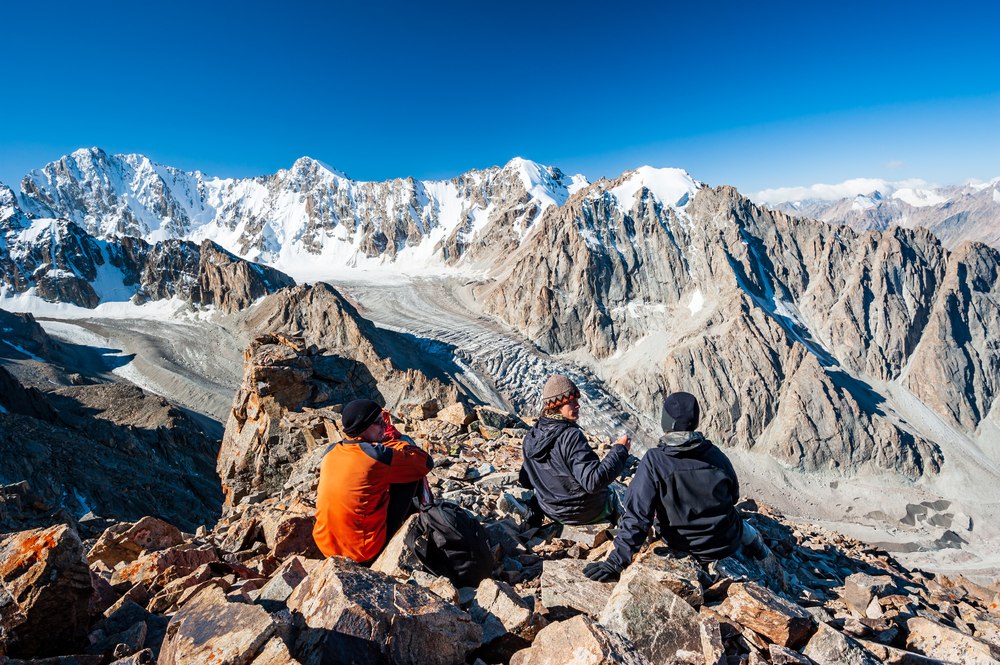
Kyrgyzstan has steadily strengthened its position in Central Asia’s tourism market by promoting mountain destinations, ecotourism, trekking routes, and cultural heritage. Official expectations for visitor numbers have risen almost every year alongside continued investment in the sector.
According to State Agency for Tourism Development head Eduard Kubatov, about 10 million tourists visited the country in 2025, contributing more than $1 billion to the economy. Earlier this summer, the agency forecast around 12 million tourist arrivals for 2026. Kubatov said tourism accounts for more than 5% of Kyrgyzstan’s GDP and that the government aims to increase its contribution to 7.5%. The National Statistical Committee separately estimated tourism’s gross value added at 3.8% of GDP in 2024.
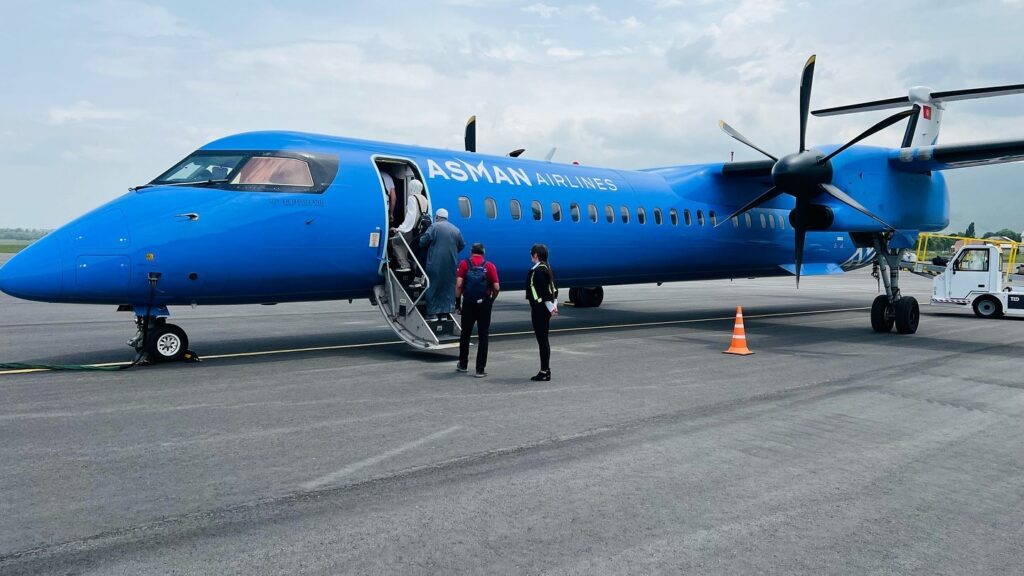
Another factor expected to support the sector is the removal of all air carriers certified in Kyrgyzstan from the European Union’s Air Safety List, opening the possibility of direct air services between the country and EU member states.
Kyrgyzstan’s latest figures come amid a broader tourism boom across Central Asia, although comparisons between countries require caution because governments use different statistical methodologies. Some count all foreign arrivals, while others distinguish between overnight tourists, same-day visitors, and other categories of travelers.
Kazakhstan reported 15.7 million foreign arrivals in 2025, excluding people entering for employment or permanent residence. Official data indicates that 11.1 million qualified as tourists, while accommodation statistics show that about 1.4 million foreign visitors used registered accommodation, suggesting many stayed with relatives, friends, or in private rentals.
Uzbekistan also reported strong growth. During the first half of 2026, the country recorded 6.56 million tourist arrivals, nearly one-quarter more than during the same period a year earlier. For comparison, Uzbekistan recorded about 8 million tourist trips by foreign citizens throughout 2024.
One notable feature of regional tourism is the intensity of cross-border travel within Central Asia. Kyrgyz citizens formed the largest group of foreign visitors to Uzbekistan during the first half of 2026, illustrating how neighboring countries increasingly generate tourism demand for one another.
The latest figures reinforce the growing importance of tourism for Kyrgyzstan’s economy. Whether the reported arrival numbers translate into higher export revenues, longer visitor stays, and greater private investment will depend less on the volume of border crossings than on visitor spending, infrastructure development, and the industry’s ability to create sustainable economic value.
For now, the available data suggest that tourism is becoming increasingly important in Kyrgyzstan and across Central Asia, where governments are competing to attract international travelers.