• KGS/USD = 0.01144 0%
  • KZT/USD = 0.00213 0%
  • TJS/USD = 0.10800 -0.18%
  • UZS/USD = 0.00008 0%
  • TMT/USD = 0.28490 0%
  • KGS/USD = 0.01144 0%
  • KZT/USD = 0.00213 0%
  • TJS/USD = 0.10800 -0.18%
  • UZS/USD = 0.00008 0%
  • TMT/USD = 0.28490 0%
  • KGS/USD = 0.01144 0%
  • KZT/USD = 0.00213 0%
  • TJS/USD = 0.10800 -0.18%
  • UZS/USD = 0.00008 0%
  • TMT/USD = 0.28490 0%
  • KGS/USD = 0.01144 0%
  • KZT/USD = 0.00213 0%
  • TJS/USD = 0.10800 -0.18%
  • UZS/USD = 0.00008 0%
  • TMT/USD = 0.28490 0%
  • KGS/USD = 0.01144 0%
  • KZT/USD = 0.00213 0%
  • TJS/USD = 0.10800 -0.18%
  • UZS/USD = 0.00008 0%
  • TMT/USD = 0.28490 0%
  • KGS/USD = 0.01144 0%
  • KZT/USD = 0.00213 0%
  • TJS/USD = 0.10800 -0.18%
  • UZS/USD = 0.00008 0%
  • TMT/USD = 0.28490 0%
  • KGS/USD = 0.01144 0%
  • KZT/USD = 0.00213 0%
  • TJS/USD = 0.10800 -0.18%
  • UZS/USD = 0.00008 0%
  • TMT/USD = 0.28490 0%
  • KGS/USD = 0.01144 0%
  • KZT/USD = 0.00213 0%
  • TJS/USD = 0.10800 -0.18%
  • UZS/USD = 0.00008 0%
  • TMT/USD = 0.28490 0%

Viewing results 1 - 6 of 2

As Azerbaijan Pushes Back Against Moscow, Central Asia Watches

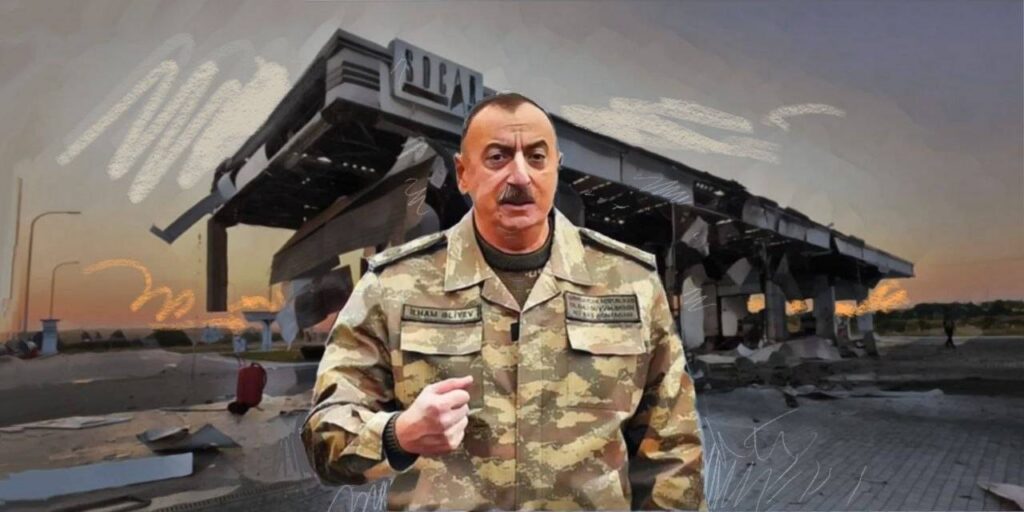
The recent diplomatic escalation between Azerbaijan and Russia appeared to have run its course in April, after Moscow agreed to pay compensation over the Azerbaijan Airlines crash in Kazakhstan. Instead, the dispute has entered a new phase, and its implications now reach beyond the South Caucasus. On July 6, Azerbaijan’s Ministry of Foreign Affairs summoned Russian Ambassador Mikhail Yevdokimov and handed him a formal note of protest over what Baku described as a Russian drone strike on a fuel station owned by Azerbaijan’s state energy company SOCAR in Ukraine’s Mykolaiv region on the evening of July 5. The Azerbaijani Foreign Ministry said the attack on SOCAR facilities in Ukraine was not an isolated incident. It cited previous strikes on the company’s gas distribution compressor station and oil depot in Odesa, which caused material damage and injured employees. Baku also pointed to earlier damage to the Azerbaijani embassy building in Kyiv and the honorary consulate in Kharkiv, calling on Moscow to investigate and comply with its obligations to protect civilian infrastructure and diplomatic missions. At the same time, Shusha — known to Armenians as Shushi, retaken by Azerbaijan during the 2020 Karabakh war, and still regarded by many Armenians as occupied — hosted an international conference devoted to what participants described as Russia’s “colonial policy,” the “Circassian genocide,” and the situation of non-Russian peoples within the Russian Federation. The conference declaration called on Moscow to “recognize its historical crimes, abandon its chauvinistic policies, and end the forced recruitment of ethnic minorities into the war against Ukraine.” Experts from Azerbaijan, the United States, France, Lithuania, Poland, the Czech Republic, Germany, Israel, Türkiye, and Georgia attended the conference. None of the Central Asian republics was represented. That absence was telling. Central Asian governments may be distancing themselves from Moscow in certain areas, but they remain reluctant to participate in openly anti-Russian political initiatives. For Astana, Tashkent, Bishkek, Dushanbe, and Ashgabat, the question is not whether Russia’s position has weakened, but how far they can move without provoking pressure from Moscow. For Central Asia, the dispute is not a distant quarrel in the South Caucasus. Azerbaijan is now a central link in the westward routes that Kazakhstan, Uzbekistan, Turkmenistan, and Kyrgyzstan are trying to strengthen as alternatives to Russian territory. The Middle Corridor runs from China through Central Asia, across the Caspian Sea, and onward through Azerbaijan, Georgia, and Türkiye to Europe. Any deterioration in Azerbaijan-Russia relations therefore has practical implications for Central Asian transit, energy, and diplomatic room for maneuver. The first major rupture in relations between Baku and Moscow came after Azerbaijan Airlines Flight J2-8243, traveling from Baku to Grozny, was damaged by Russian air-defense fire over Russian territory on December 25, 2024. The aircraft later crashed while attempting an emergency landing near Aktau, Kazakhstan, killing 38 people. Azerbaijan blamed Russia and demanded an apology, accountability, and compensation. Relations deteriorated further in June 2025 following the detention of ethnic Azerbaijanis in Yekaterinburg and reports of torture. The most prominent victims were the...

Mirziyoyev Proposes Green Energy Development Program for Central Asia

On September 25-26, the annual meeting of the Board of Directors of the Asian Infrastructural Investment Bank (AIIB) was held in Samarkand, Uzbekistan. The ninth meeting of the Board was devoted to the theme “Creating Sustainable Infrastructure for All.” Current issues on the agenda of the global economy were considered, and strategic programs and plans for infrastructure development in Asia and other regions of the world were discussed. About 2,000 representatives from more than 100 countries participated in the summit. Uzbekistan became a member of AIIB in November 2016, and in recent years, it has become one of the bank's biggest beneficiaries. Uzbek President Shavkat Mirziyoyev gave a speech on the first day of the meeting. “The complex geopolitical situation, global economic instability, food and energy resources scarcity, poverty, and environmental problems are becoming increasingly acute. For instance, the average global temperature is projected to rise by 1.5 degrees Celsius by 2040; however, we are concerned that, based on current trends, this could happen as early as 2030. A quarter of the world’s population lacks clean drinking water. As climate change accelerates, food shortages have become a global threat. As a result, about 800 million people in the world live in extreme poverty,” Mirziyoyev said. Mirziyoyev noted that the poverty rate in Uzbekistan has been reduced from 23% to 11%. This year, the aim is to reduce this indicator to 9%, and by 2030, it will be halved. Furthermore, in the last eight years, the enrollment of children in preschool education has increased from 27% to 74%, and higher education has increased from 9% to 38%. It plans to invest $2 billion to open 100 new schools of the most advanced standards in all cities and villages yearly. Another issue that Mirziyoyev paid attention to is logistics, interruptions in the product supply chain, and the increase in the price of raw materials and consumer goods. The head of state noted that all this will sharply increase the load on the existing infrastructure and will be a significant obstacle to global economic development. According to experts, by 2030, the world will need $15 trillion of investment for new infrastructure. Also, foreign investments have decreased by 10% over the past two years, and the value of financial resources globally has almost doubled. Mirziyoyev said that projects worth $200 million for developing medium-sized cities and $130 million for improving infrastructure in rural areas are launched in cooperation with the AIIB. To develop the “green” economy, it is aimed to reach 40% of “green” energy sources by 2030. In the coming years, another 18 gigawatts of solar and wind power, 3 gigawatts of hydropower plants, 5 gigawatts of energy storage capacity, and $5 billion worth of power grids will be implemented. “I would like to note that neighboring countries have also started major projects on renewable energy. We are taking great steps to make Central Asia, a rich renewable energy source, a major exporter of ‘green’ energy into world energy markets in the coming years....