• KZT/USD = 0.00224
  • TJS/USD = 0.10860
  • UZS/USD = 0.00008
  • TMT/USD = 0.29850
  • KZT/USD = 0.00224
  • TJS/USD = 0.10860
  • UZS/USD = 0.00008
  • TMT/USD = 0.29850
  • KZT/USD = 0.00224
  • TJS/USD = 0.10860
  • UZS/USD = 0.00008
  • TMT/USD = 0.29850
  • KZT/USD = 0.00224
  • TJS/USD = 0.10860
  • UZS/USD = 0.00008
  • TMT/USD = 0.29850
  • KZT/USD = 0.00224
  • TJS/USD = 0.10860
  • UZS/USD = 0.00008
  • TMT/USD = 0.29850
  • KZT/USD = 0.00224
  • TJS/USD = 0.10860
  • UZS/USD = 0.00008
  • TMT/USD = 0.29850
  • KZT/USD = 0.00224
  • TJS/USD = 0.10860
  • UZS/USD = 0.00008
  • TMT/USD = 0.29850
  • KZT/USD = 0.00224
  • TJS/USD = 0.10860
  • UZS/USD = 0.00008
  • TMT/USD = 0.29850
16 November 2026

Viewing results 1 - 6 of 4

Turkmenistan Airlines Increases International Flights

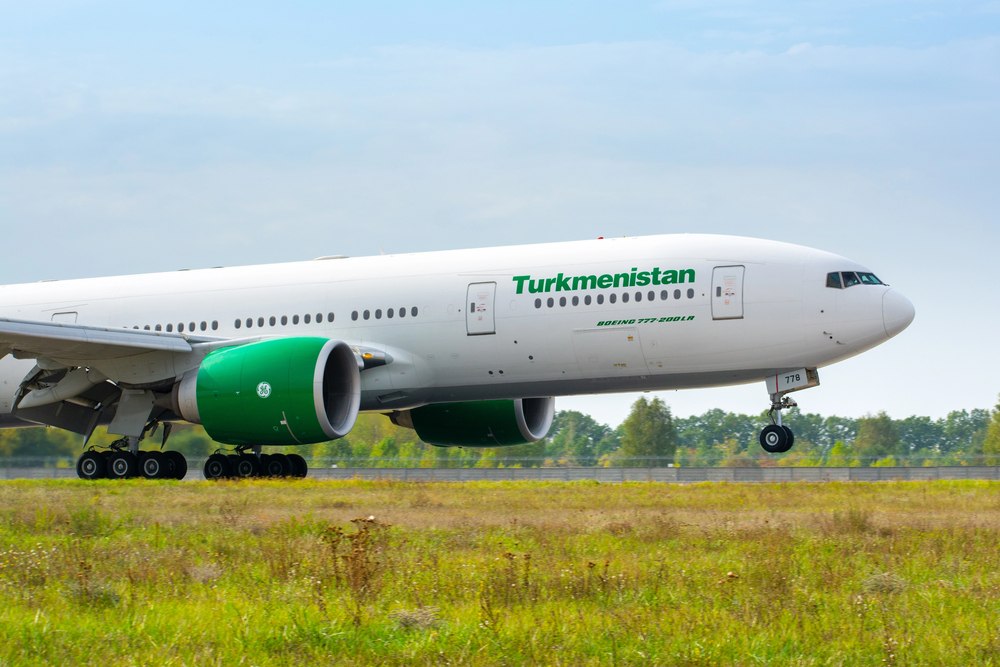
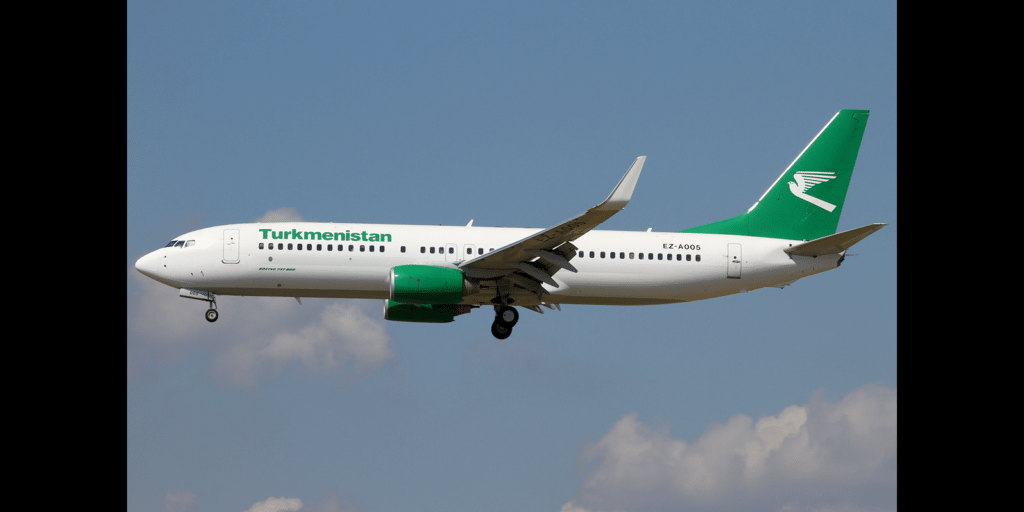
Turkmenistan Airlines is increasing the frequency of several international flights under a revised schedule that took effect on October 25. “Direct flights from the capital to Seoul will double from one to two flights per week. On the Italian route to Milan, flight frequency will increase from two to three flights per week,” the state-run Turkmenistan News Portal said before the new schedule took effect. “Regular flights on the Ashgabat–Kazan route will increase from four to six flights per week. Additionally, air service to Istanbul will be expanded, with total flight frequency reaching 13 flights per week compared to the previous 12,” the news site reported. It said the updated schedule, which includes return flights to Ashgabat International Airport, is aimed at meeting growing demand for air travel and is another step “in integrating the country's civil aviation infrastructure into the global transport network.” At the same time, the number of flights to New Delhi was scheduled to be reduced from three to two per week, according to Turkmen media. The flight frequency on other routes, including Beijing, Bangkok, Kuala Lumpur, London, and Frankfurt, is unchanged under the new schedule. Turkmenistan has invested in airport infrastructure and seeks to attract more international carriers. In August, Air Belgium made its first cargo flight to Ashgabat International Airport as Turkmenistan aims to establish itself as an air cargo hub between Asia and Europe. Elsewhere in Central Asia, Kazakhstan and Uzbekistan have taken particularly robust steps to develop their international profiles in civil aviation. Early this month, the lower house of Tajikistan’s parliament ratified an air transport agreement between the Tajik government and the United Arab Emirates that would allow more flights between the two countries and help develop Tajikistan’s role in international aviation.
Turkmenistan Builds Ties with Southeast Asia

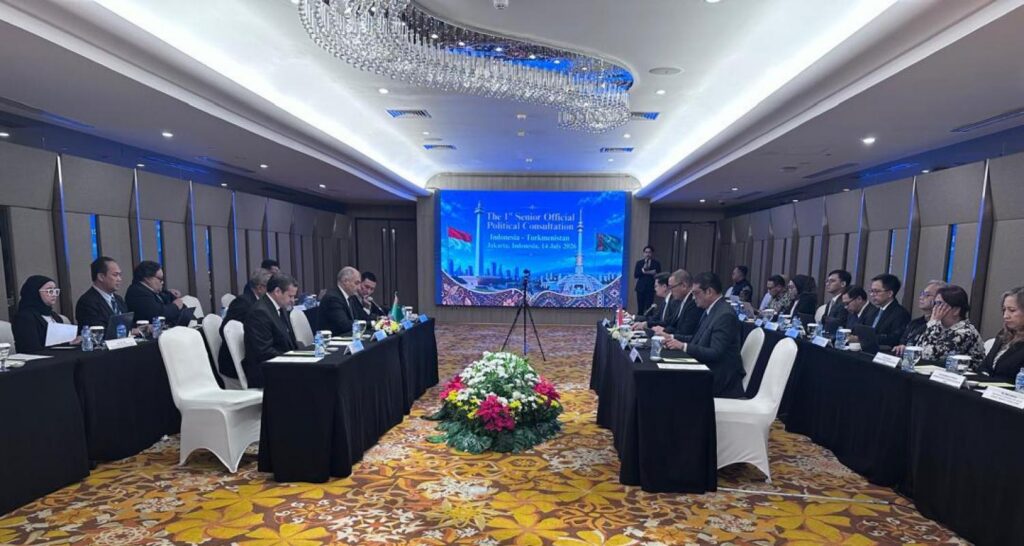
Turkmenistan is expanding engagement with Southeast Asia through talks with the Association of Southeast Asian Nations (ASEAN) and new energy and tourism initiatives with Malaysia. Deputy Foreign Minister Ahmet Gurbanov visited Jakarta on July 14 for meetings with ASEAN Secretary-General Kao Kim Hourn and Indonesian officials. Gurbanov expressed Turkmenistan’s interest in expanding cooperation with ASEAN in trade, transport, energy, education, tourism, and other fields, according to the Ministry of Foreign Affairs. The envoy also met Dyah Roro Esti Widya Putri, Indonesia’s deputy trade minister, on the same day for discussions about trade as well as strengthening transport and logistics links. Currently, trade between Turkmenistan and countries in Southeast Asia is relatively modest. China is the top buyer of natural gas from the Central Asian country’s vast reserves. Turkey, Russia, Uzbekistan, and Kazakhstan also have longstanding trade ties with Turkmenistan, whose tight internal controls make it one of the most isolated nations in the world. Malaysia’s state-owned oil and gas company Petronas, which has operated in Turkmenistan since 1996, said last month that it had entered into new agreements there, “deepening its presence in the Caspian Sea and expanding its upstream portfolio in the country.” The production-sharing deals cover two offshore blocks and coincided with a visit to Turkmenistan by Malaysian Prime Minister Anwar Ibrahim. This week, he responded to a question in the Malaysian parliament about the impact of Strait of Hormuz shipping disruptions on the country’s political and economic stability, and what measures were being taken to offset the effects. In his response, Ibrahim said exploration and drilling work at the Turkmen gas blocks secured in the deal involving Petronas would begin as early as December, Malaysian newspaper New Straits Times reported this week. "This is among the fastest that has ever happened. Normally the expectation is between one-and-a-half and two years before drilling begins," the New Straits Times quoted Ibrahim as saying. In another initiative, tourism officials from Malaysia and Turkmenistan met in Ashgabat this week to exchange ideas and talk about the “steady growth” of interest among Turkmen citizens in traveling to Southeast Asia, state media in Turkmenistan reported. Nor Shazli Azmi, director of Tourism Malaysia’s office in Almaty, said 10,750 visitors from Turkmenistan traveled to Malaysia in 2025, up 42.5% from the previous year. Turkmen tourism officials said travel from Malaysia to Turkmenistan was also increasing. Turkmenistan Airlines launched direct flights between Ashgabat and Kuala Lumpur in February 2024.

Pilots for Turkmenistan Airlines to Be Trained in Turkey

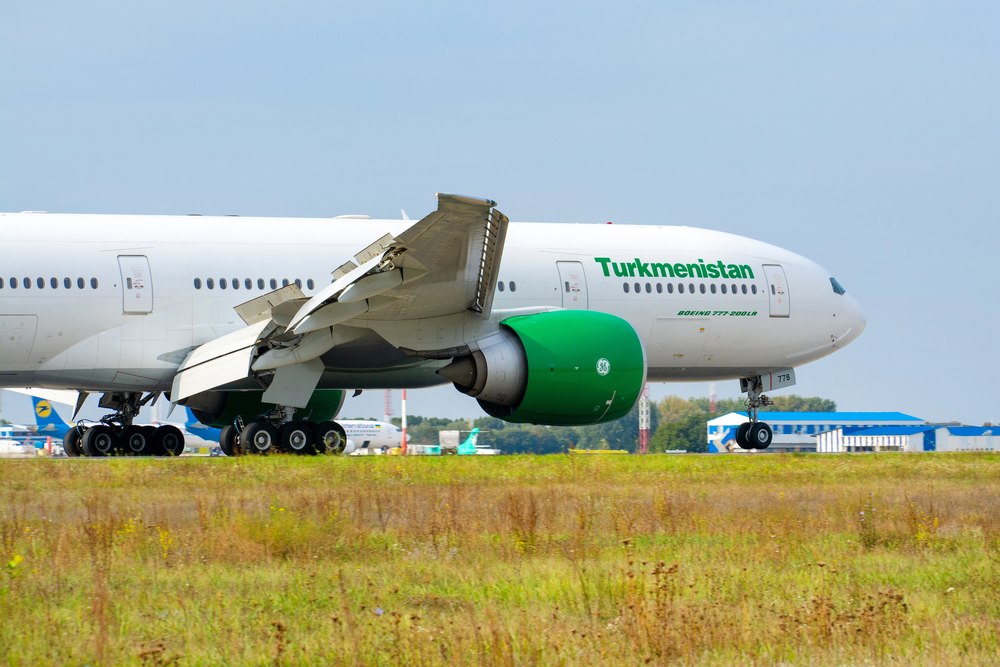
Turkmenistan Airlines has announced a recruitment campaign for candidates to study aviation at the Turkish Aeronautical Association University. The four-year program will be funded by the airline. Selection will be conducted on a competitive basis. Applicants must be male, under the age of 25, hold Turkmen citizenship, and have completed secondary education. Additional requirements include passing a medical examination at the Ashgabat Airport Medical Center and holding a valid military ID. The admission process consists of several stages. Candidates first undergo an initial interview with airline representatives, followed by entrance exams and an interview with representatives of the Turkish university. In the final stage, applicants must pass a medical examination in Ankara. The airline will cover tuition fees, dormitory accommodation, and travel costs, including flights to Ankara at the start of the academic year and return travel to Ashgabat upon completion of the program. However, students will be responsible for certain expenses, including visa fees, health insurance, meals, communication, and local transportation. Upon graduation, participants are required to work for the airline for ten years. Limited Progress in Air Connectivity Despite this initiative, Turkmenistan’s broader aviation sector continues to face challenges. No new international routes have been launched, and several previously announced flights have yet to begin operations. Plans to expand the country’s international air connectivity have been discussed for years, but tangible progress remains limited.

Turkmenistan’s Air Connectivity Shows Little Change Despite Expansion Plans

Turkmenistan’s airport schedules remain largely unchanged, with no new destinations added and previously announced flights yet to begin operating. Plans to expand international air links from Turkmenistan have been discussed for years, but little has changed in practice. At the end of last year, Russia’s S7 Airlines announced the launch of the Ashgabat-Novosibirsk route starting March 31. Tickets went on sale at the time, with flights planned once a week. However, as of early April, the flights are absent both from the airline’s schedule and from airport data. Only connecting options remain in booking systems. No official explanation has been provided, despite considerable interest in the route. Flights from Turkmenistan to Russia remain in high demand, significantly exceeding supply. Tickets sell out almost immediately despite high prices, which passengers often associate with monopoly conditions and possible corruption schemes. At present, the choice is limited to two routes: S7 Airlines operates Ashgabat-Moscow flights, while national carrier Turkmenistan Airlines serves only the Ashgabat-Kazan route. The limited number of direct routes forces passengers to seek alternatives. One of the most common is transit through Uzbekistan. The neighboring country can be reached by land, and from there dozens of flights to Russian cities are available. At the same time, there is separate demand for travel to Uzbekistan itself, including for business, education, and tourism. Nevertheless, Turkmenistan has no direct air links with any neighboring country. The restoration of flights with Uzbekistan was discussed in 2025 by presidents Serdar Berdimuhamedov and Shavkat Mirziyoyev, but no specific timelines or routes have been announced since. Some travel takes place via Azerbaijan. In the first two months of this year, more than 4,000 citizens of Turkmenistan entered the country. A significant share of these trips is related not to tourism but to obtaining European visas, as doing so from within Turkmenistan is more difficult. Meanwhile, discussions on transport cooperation between Ashgabat and Baku have focused mainly on cargo transportation. The only notable change has been an increase in the number of flights between Ashgabat and Istanbul, driven by the foreign carrier Turkish Airlines.