• KGS/USD = 0.01144 0%
  • KZT/USD = 0.00211 0%
  • TJS/USD = 0.10537 0%
  • UZS/USD = 0.00008 0%
  • TMT/USD = 0.28530 0%
  • KGS/USD = 0.01144 0%
  • KZT/USD = 0.00211 0%
  • TJS/USD = 0.10537 0%
  • UZS/USD = 0.00008 0%
  • TMT/USD = 0.28530 0%
  • KGS/USD = 0.01144 0%
  • KZT/USD = 0.00211 0%
  • TJS/USD = 0.10537 0%
  • UZS/USD = 0.00008 0%
  • TMT/USD = 0.28530 0%
  • KGS/USD = 0.01144 0%
  • KZT/USD = 0.00211 0%
  • TJS/USD = 0.10537 0%
  • UZS/USD = 0.00008 0%
  • TMT/USD = 0.28530 0%
  • KGS/USD = 0.01144 0%
  • KZT/USD = 0.00211 0%
  • TJS/USD = 0.10537 0%
  • UZS/USD = 0.00008 0%
  • TMT/USD = 0.28530 0%
  • KGS/USD = 0.01144 0%
  • KZT/USD = 0.00211 0%
  • TJS/USD = 0.10537 0%
  • UZS/USD = 0.00008 0%
  • TMT/USD = 0.28530 0%
  • KGS/USD = 0.01144 0%
  • KZT/USD = 0.00211 0%
  • TJS/USD = 0.10537 0%
  • UZS/USD = 0.00008 0%
  • TMT/USD = 0.28530 0%
  • KGS/USD = 0.01144 0%
  • KZT/USD = 0.00211 0%
  • TJS/USD = 0.10537 0%
  • UZS/USD = 0.00008 0%
  • TMT/USD = 0.28530 0%

Viewing results 1 - 6 of 44

USAID to Host 13th Central Asia Trade Forum in Kazakhstan

The U.S. Embassy in Kazakhstan has announced that preparations are well underway for the 13th Central Asia Trade Forum. Under the theme, ‘Trade Connections: Bridging Globally,’ the event will be hosted by U.S. Agency for International Development (USAID) in Almaty from 13 – 14 May. Since its inception, the Central Asia Trade Forum (CATF) has attracted the participation of over 10,000 government and business leaders from 25 countries in Central and South Asia, Europe, and the United States, and led to contracts worth over $32 million. This year’s event will focus on exploring new trade opportunities and overseas markets, as well as identifying and expanding the scope of regional trade. To this end, the forum will feature sessions on customs digitalization, transport and logistics, trade regulation (including regional trade agreements), World Trade Organization standards, and harmonization. Promoting the event, Luis A. Rivera, Regional Mission Director at USAID Central Asia, stated, “The forum’s success is its ability to attract policymakers, business leaders, and trade experts each year. Agreements made at the forum have expanded businesses, strengthened trade between Central Asian nations, and advanced economic growth in the region and beyond,” The accompanying trade fair, organized in partnership with Kazakhstan’s Ministry of Trade and Integration and Almaty Chamber of Commerce and Investment, with the participation of 40 companies from Kazakhstan, Kyrgyzstan, Tajikistan, Turkmenistan, and Uzbekistan, will showcase agricultural, textile, apparel, and food products. Other complementary events include a business-to-business expo to promote Central Asian products amongst global buyers, and a Kazakhstan-Pakistan Trade Fair. In the wake of the forum, business executives and officials from the five CA countries, will convene at the 11th Regional Meeting of the National Trade Facilitation Committees of Central Asian countries on 15 May, to discuss customs control, transport, phytosanitary certification, and veterinary border control.  

USAID Funds Improved Water Management in Turkmenistan

On 2 May the United States Agency for International Development (USAID) and the State Committee for Water Resources of Turkmenistan launched a new metering system to measure water flow on the Karakum River near Ashgabat. Financed with a grant from USAID Central Asia’s Regional Water and Vulnerable Environment Activity, the system offers a powerful means by which the country can sustain water availability and build climate resilience. As reported by the U.S. Embassy in Turkmenistan, by providing real-time data to the State Committee for Water Resources, the new system will enable a more efficient allocation of water to agriculture, households, and industry. The World Bank has forecast that because of climate change, the volume of water flowing from tributaries of the Amu Darya River into Turkmenistan could drop by 25% in July and August, and consequently could impact supplies of drinking water and water needed to produce wheat and cotton. Within this context, the new metering system will provide the invaluable information about flow rates and water withdrawals on the Karakum River and in turn, allow the government to advise farmers of the precise amount of water needed for crop growth.  

U.S. Helps Decrease Tuberculosis Mortality Rates in Kyrgyzstan

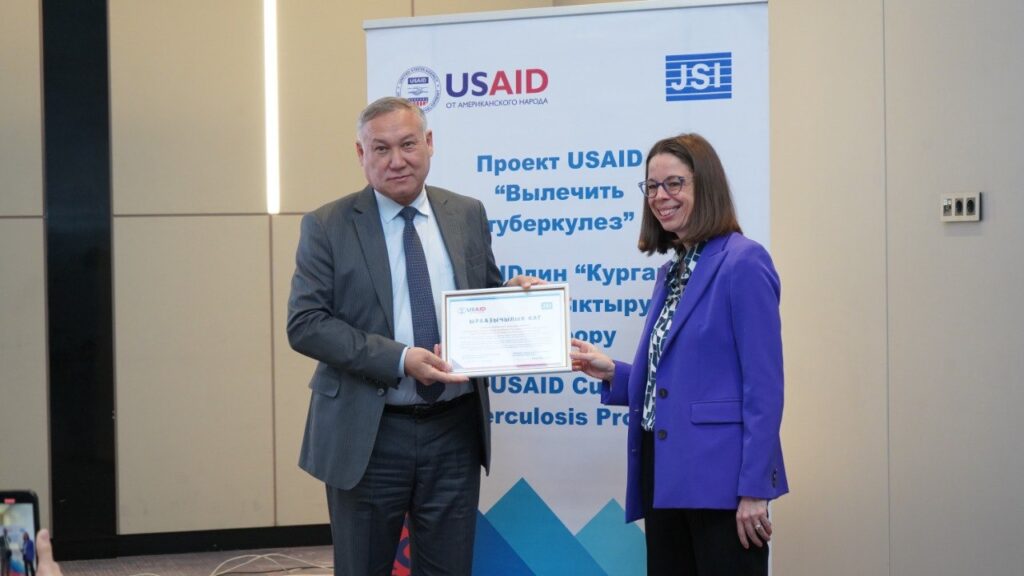
U.S. Embassy Deputy Chief of Mission Liz Zentos and Kyrgyzstan’s Minister of Health Alymkadyr Beishenaliev, attended a national conference on 17 April to review the Cure Tuberculosis partnership. Since 2019, the U.S. government has invested more than $20 million in curing tuberculosis in Kyrgyzstan through the U.S. Agency for International Development (USAID). To date, the joint U.S.-Kyrgyz initiative has provided faster and more accurate tuberculosis diagnosis, improved treatment success rates, and increased community awareness and engagement in efforts to control tuberculosis, resulting in a decrease of tuberculosis mortality rates by over 33% and a reduction of cases by 37%. Praising the project’s success, Ms Zentos announced, “It is a collaborative effort that helped modernize tuberculosis diagnostics, improve patient-centred care, and reform the policy environment to improve tuberculosis treatment for all.” In turn, Minister Beishenaliev expressed gratitude to USAID for its ongoing aid, saying, “The Ministry of Health together with partners will continue to fight tuberculosis in Kyrgyzstan, develop a patient-centred model of tuberculosis care, support outpatient treatment in primary health care, introduce new diagnostic and treatment methods, develop and integrate tuberculosis information systems, and strengthen cooperation in tuberculosis prevention and care.”

USAID Launches $18 Million Program to Boost Economic Growth in Tajikistan

On 18 April, the United States Agency for International Development (USAID) launched a new initiative to support long-term economic opportunities in Tajikistan. Running for five years at a cost of $18 million, Employment and Enterprise Development Activity (EEDA) will partner local firms to improve productivity in the fields of textiles, food processing and IT through the adoption of innovative, green technologies, increased investment, and market linkages. According to a report from the U.S. Embassy in Tajikistan, the project will create 5,000 permanent jobs, assist 200 business start-ups in accessing finance, and leverage $10 million in private sector investment. In his address at the launch, USAID Tajikistan Mission Director Peter Riley stated, “It is crucial to foster innovation, drive economic growth, and create sustainable employment opportunities within the public and private entities. These partnerships underscore the shared goal of advancing Tajikistan’s economic landscape and ensuring prosperity for all stakeholders.”

USAID Aids Access to Safe Drinking Water in Tajikistan

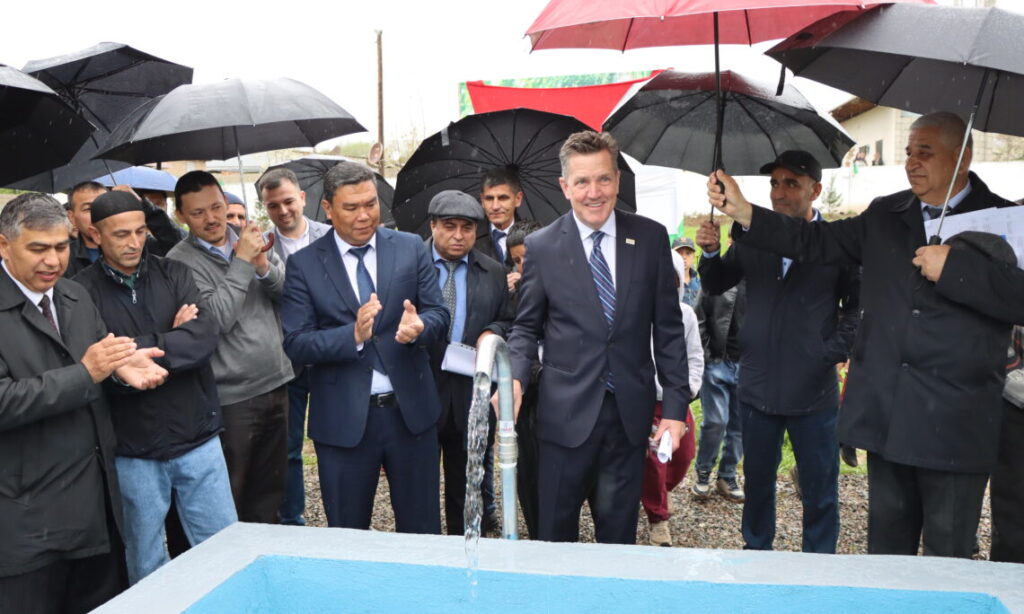
A new water supply system to provide safe drinking water for more than 3,000 people across 455 households has been inaugurated in the village of Rohati in Tajikistan’s Rudaki District. Supported by the United States Agency for International Development (USAID), it is but one of the 12 communities now furnished with rehabilitated water supply systems through public-private partnerships. To ensure the project’s sustainability, USAID helped Rohati’s private water operator develop a sound business plan for its water system, introduced electronic billing, and assisted with the installation of water meters in households. Speaking at the opening ceremony on April 12, USAID Tajikistan Mission Director Peter Riley stated, “The U.S. Government believes that everyone has the right to safe drinking water. USAID strives to increase access to safe drinking water across all regions of Tajikistan. Access to safe drinking water is of critical importance to protecting public health, dignity, equity, and our environment and USAID is committed to that goal.” In the last five years, USAID has rehabilitated and constructed 30 drinking water supply systems throughout Tajikistan, providing more than 100,000 people with safe drinking water.

USAID Oasis Project on Course to Restore Aral Sea Ecosystem

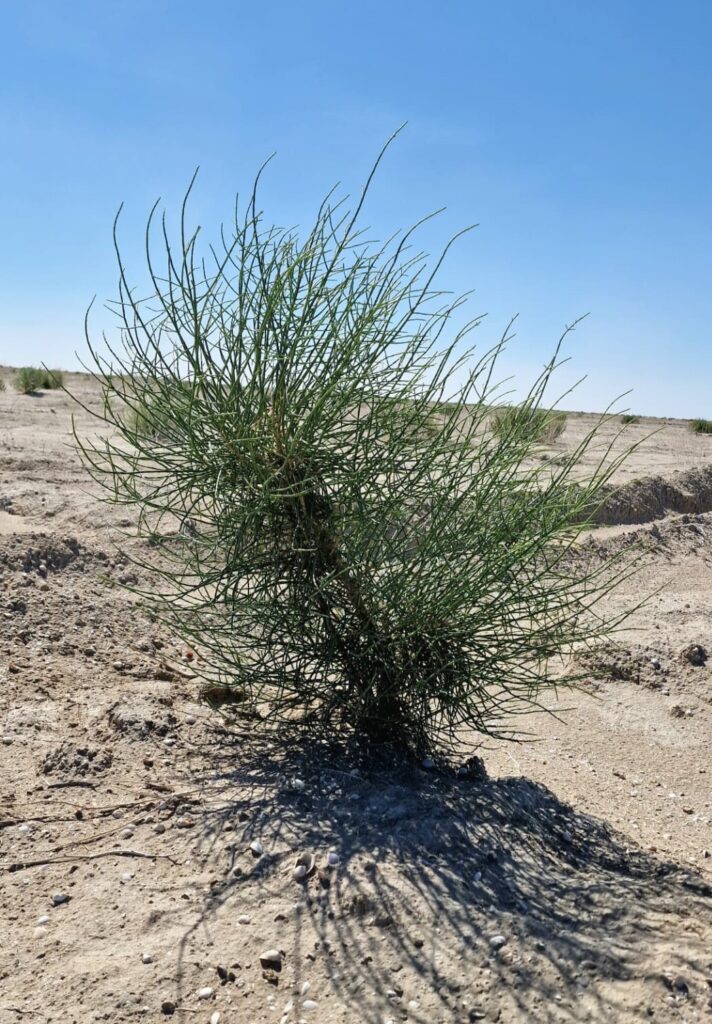
The U.S. Embassy in Kazakhstan has announced that from 12 – 16 April, the United States Agency for International Development (USAID) will visit the Oasis project on the former shores of the Aral Sea in the Kyzylorda region of Kazakhstan. Launched in 2021, the Oasis is integral to Environmental Restoration of the Aral Sea Activity (ERAS-I); a larger initiative spawned by USAID in cooperation with the Executive Directorate of the International Fund for Saving the Aral Sea. Comprising a 500-hectare demonstration site for testing black saxaul shrubs, the project represents a first step in restoring the local ecosystem and demonstrates the willingness of governments, NGOs, and local communities to collaborate on building resilience against environmental threats to Central Asia. In advance of the expedition to commemorate the project’s success and celebrate the efforts of those who contributed to its realization, U.S. Ambassador to Kazakhstan, Daniel Rosenblum, stated: “The testing and research at the Oasis will benefit not only Kazakhstan communities in this region, but will also inform ecosystem restoration efforts throughout the Aral Sea region. Working together with national and international partners, we are proud to be part of this mission to find collaborative solutions to build climate resilience in Central Asia.” The Aral Sea disaster is one of the worst ecological catastrophes in human history. Formerly the fourth largest lake in the world, the Aral Sea began shrinking in the 1960s when water from the rivers that fed it was redirected for agricultural irrigation. Today, the Aral Sea is only 10% full. The subsequent birth of the Aralkum Desert and the sand and dust storms rising from the world’s newest desert have both polluted the environment and severely affected the health in local communities.