• KGS/USD = 0.01144 0%
  • KZT/USD = 0.00211 0%
  • TJS/USD = 0.10526 0%
  • UZS/USD = 0.00008 0%
  • TMT/USD = 0.28530 0%
  • KGS/USD = 0.01144 0%
  • KZT/USD = 0.00211 0%
  • TJS/USD = 0.10526 0%
  • UZS/USD = 0.00008 0%
  • TMT/USD = 0.28530 0%
  • KGS/USD = 0.01144 0%
  • KZT/USD = 0.00211 0%
  • TJS/USD = 0.10526 0%
  • UZS/USD = 0.00008 0%
  • TMT/USD = 0.28530 0%
  • KGS/USD = 0.01144 0%
  • KZT/USD = 0.00211 0%
  • TJS/USD = 0.10526 0%
  • UZS/USD = 0.00008 0%
  • TMT/USD = 0.28530 0%
  • KGS/USD = 0.01144 0%
  • KZT/USD = 0.00211 0%
  • TJS/USD = 0.10526 0%
  • UZS/USD = 0.00008 0%
  • TMT/USD = 0.28530 0%
  • KGS/USD = 0.01144 0%
  • KZT/USD = 0.00211 0%
  • TJS/USD = 0.10526 0%
  • UZS/USD = 0.00008 0%
  • TMT/USD = 0.28530 0%
  • KGS/USD = 0.01144 0%
  • KZT/USD = 0.00211 0%
  • TJS/USD = 0.10526 0%
  • UZS/USD = 0.00008 0%
  • TMT/USD = 0.28530 0%
  • KGS/USD = 0.01144 0%
  • KZT/USD = 0.00211 0%
  • TJS/USD = 0.10526 0%
  • UZS/USD = 0.00008 0%
  • TMT/USD = 0.28530 0%

Viewing results 1 - 6 of 44

USAID Modernizes Kazakhstan’s Customs System

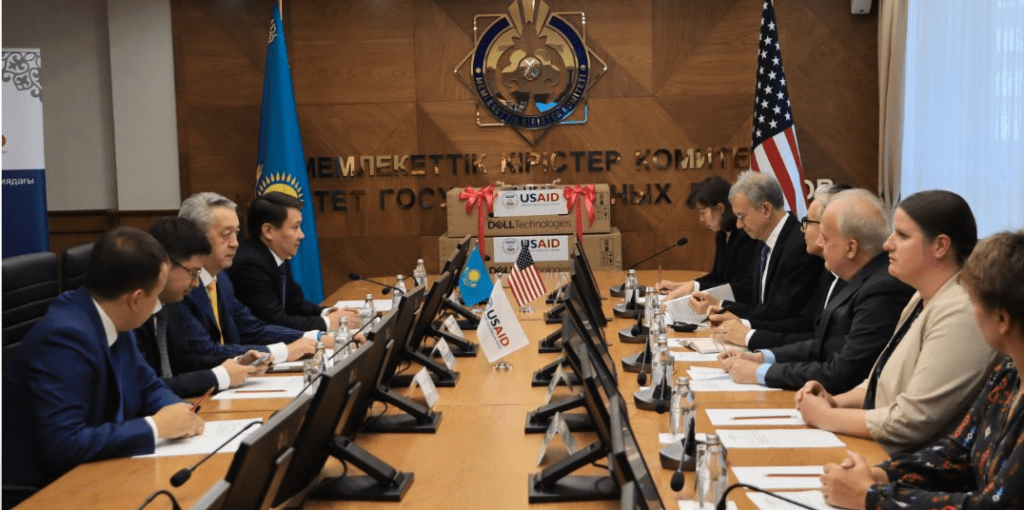
The U.S. Agency for International Development (USAID) has upgraded Kazakhstan’s customs infrastructure by providing advanced computer servers to Kazakhstan's State Revenue Committee (SRC). SRC Chairman Zhandos Duisembiyev accepted the state-of-the-art servers at a ceremony on August 14, which was attended by U.S. Ambassador to Kazakhstan Daniel Rosenblum. The new servers will replace outdated equipment that has hampered performance. Ambassador Rosenblum commented that adopting innovative technologies will streamline processes, enhance accuracy, improve transparency, and foster a business-friendly environment, attracting more investors and boosting economic growth. USAID is supplying advanced servers made by Dell Inc. to support the SRC’s new customs Keden IT system, which replaces the outdated Astana-1 system. By leveraging automation, machine learning, and artificial intelligence, the new Keden system will reduce clearance times and enhance data security. Rosenblum also emphasized the shared vision between the United States and Kazakhstan for a transparent and secure trade environment as Kazakhstan secures its position as a leading regional trade hub.
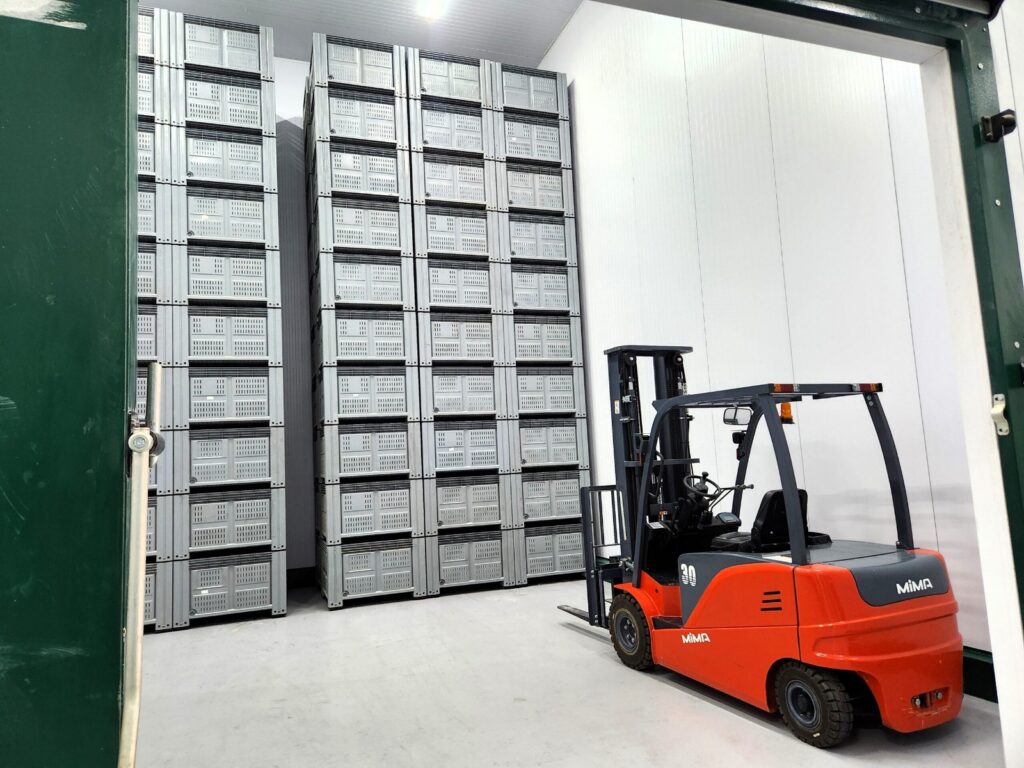
USAID Equips Mega Fruit Storage Facility in South Kyrgyzstan

The United States Agency for International Development (USAID) has helped Kyrgyzstan’s Nookat Almasy Cooperative open the largest cold storage facility in the Nookat district of the southern Osh region. Deputy Chairman of the Cabinet of Ministers of the Kyrgyz Republic Bakyt Torobaev and USAID Mission Director in the Kyrgyz Republic Kaya Adams attended the facility’s opening ceremony. As reported by the U.S. Embassy in Kyrgyzstan, the new facility will generate 200 full-time jobs and assist local farmers in marketing and expanding sales of their produce. Thanks to cooling equipment worth $78,400 from USAID, the Nookat Almasy Cooperative’s new facility can now store locally grown apples and raspberries for up to four months. By extending their shelf life and enabling farmers to sell at a higher price when market conditions improve, the enhanced storage will help maintain market stability and ensure a reliable and consistent food supply throughout the year. Since 2018, the U.S. government has helped establish over 20 new cold storage facilities in southern Kyrgyzstan, more than doubling capacity to reach 12,500 tons, decreasing food spoilage by 40%, and creating income-generating activities for over 4,000 local farmers.  

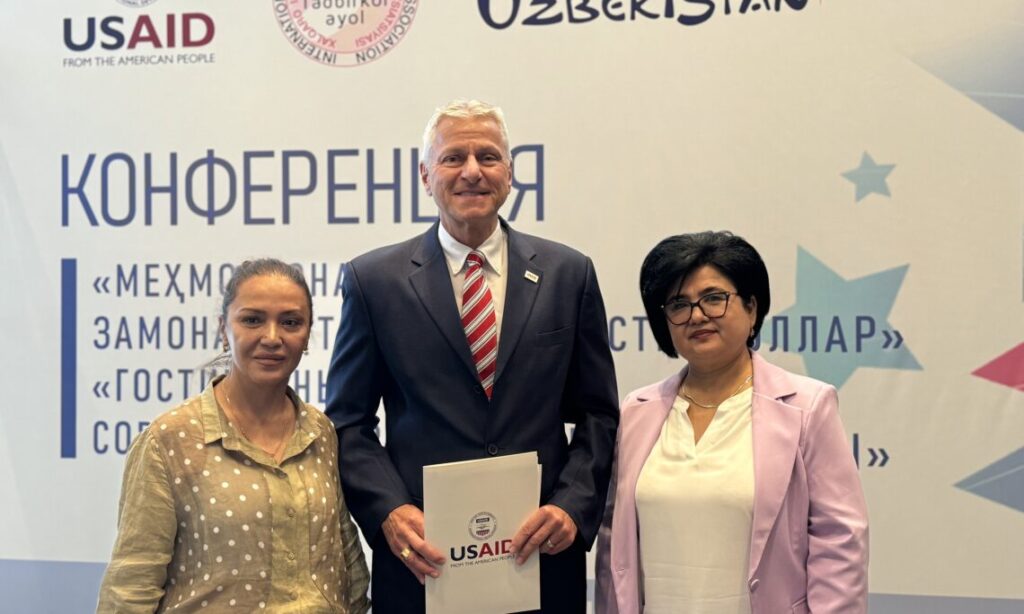
USAID Supports Central Asian Women Working in Hospitality

The U.S. Agency for International Development (USAID) and the International Association of Businesswomen “Tadbirkor Ayol” last week hosted a Central Asian Conference on “Women of Central Asia in the Hospitality Business: Current Challenges and Opportunities”. The event in Tashkent attracted some 200 women entrepreneurs, professionals, and industry experts from Uzbekistan, Tajikistan, and Kyrgyzstan to discuss achievements, trends, and challenges in the region’s hospitality sector. As reported by the U.S. Embassy in Uzbekistan, the conference focused on service quality, digitalization, and modern standards in tourism, culminating in recommendations to enhance regional cooperation in tourism and hospitality. Praising the resilience and creativity of women in the hospitality industry and emphasizing their role in the sector’s future, Edward Michalski, USAID Deputy Mission Director in Uzbekistan, commented: “Investing in women and girls is essential to transforming communities. When women do better, families do better, communities do better, and countries do better.” Gulnora Makhmudova, Chairwoman of “Tadbirkor Ayol,” noted that the growing importance of the region’s hotel business and the increasing involvement of women, had spurred the association into launching “Women in the Hotel Business: Hospitality from the Future;” a project aimed to introduce innovation and digitalization in the hospitality sector. Since its launch in April 2024, with support from USAID, the project has provided training for 115 women in modern hotel management in Tashkent, Andijan, and Samarkand.  

U.S. Program Improves Lives of Over 300,000 Kyrgyz Citizens

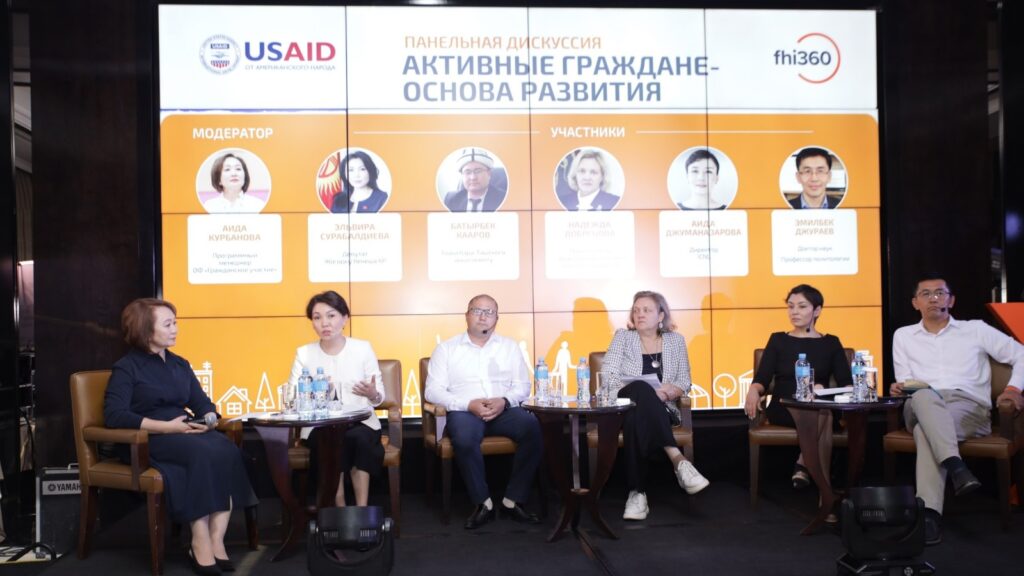
On June 12, Bishkek hosted a conference themed  “Active Communities – Foundation for Development”  to review the success of the five-year Jigerduu Jarandar project. The event was attended by Member of the Jogorku Kenesh (Kyrgyz parliament) Elvira Surabaldieva, Kyrgyz Minister of Justice Ayaz Baetov, Deputy Minister of Labor, Social Development, and Migration Chyngyzbek Mamat uulu, USAID/Kyrgyz Republic Acting Mission Director James Lykos, and representatives of civil society organizations and local self-governments. As reported by the U.S. Embassy in Kyrgyzstan, since 2019, the U.S. government’s Jigerduu Jarandar project – through the U.S. Agency for International Development (USAID) – has positively impacted communities across 19 municipalities in Kyrgyzstan. Committed to fostering active citizenship, the project has benefited over 62,000 residents through the creation of parks, safer sidewalks, improved street lighting, and inclusive playgrounds. The project has also provided free legal aid to 38,000 individuals, supported some 11,000 survivors of gender-based violence, and improved solid waste management systems to the benefit of over 200,000 residents. In praise of the initiative, James Lykos, Acting Mission Director of USAID/Kyrgyz Republic, commented: “The United States is proud to have supported the Kyrgyz government and local communities through the USAID Jigerduu Jarandar project. It has been a joint effort to help citizens make their communities a better and safer place, and better understand and claim their rights.” Minister of Justice Baetov expressed gratitude to the USAID Jigerduu Jarandar project for promoting initiatives in the field of legal assistance and notary services for citizens of Kyrgyzstan.    

U.S. Delivers Cutting-Edge Technology to Kyrgyzstan’s Renewable Energy Sector

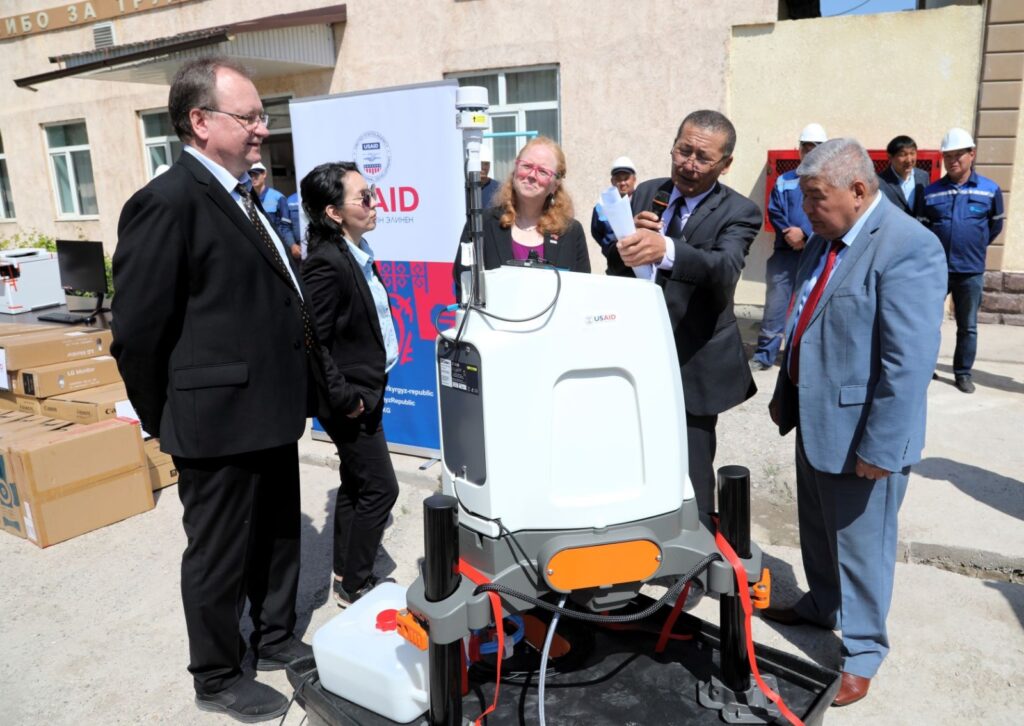
The U.S. government – via the U.S. Agency for International Development (USAID) Power Central Asia activity – has delivered a Light Detection and Ranging unit to Kyrgyzstan’s Ministry of Energy. As reported by the U.S. Embassy in Kyrgyzstan, accurate wind measurements provided by the cutting-edge technology will prove invaluable in the development of the country’s renewable energy projects and do much to attract investment. At the handover ceremony, Minister of Energy Taalaibek Ibrayev commented that the Light Detection and Ranging equipment will not only enhance the effective use of renewable energy sources, but also improve financial forecasts and accelerate the introduction of wind farms and wind energy in Kyrgyzstan. To support the initiative, the USAID Power Central Asia activity has trained local technical staff in the use of the wind measurement equipment. USAID/Kyrgyz Republic Mission Director, Kaya Adams, stated: “The Kyrgyz Republic can ensure that all future wind projects will be both strategically located and implemented with the highest precision for maximum efficiency.  This efficiency is crucial for making informed investment decisions that will sustainably shape the country’s energy future.” The USAID Power Central Asia activity is a five-year, regional energy initiative to improve the performance of Central Asia’s energy sectors by introducing more competitive means of producing clean energy, boosting energy security and resiliency through greater regional connectivity, and expanding cross-border electricity trade. Since the inception of Power Central Asia in 2020, USAID has leveraged $2.2 billion in clean energy investments and facilitated the installation of 2,241 Megawatts of clean energy capacity across the regions.    

U.S. Support for Uzbekistan’s Pharmaceutical Industry

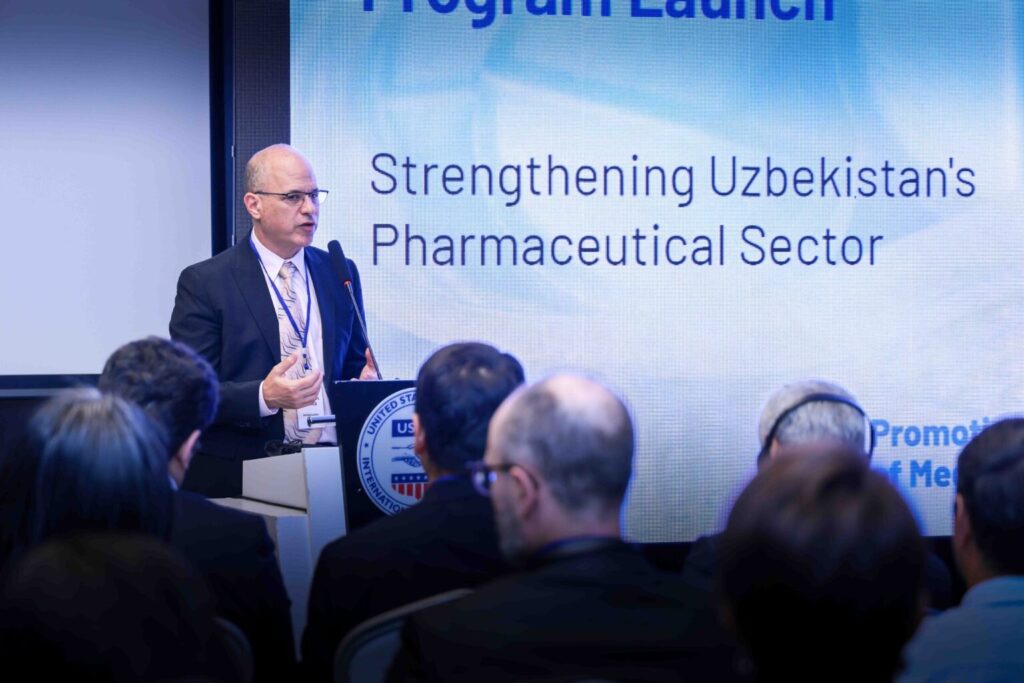
The launch of USAID’s Diversifying Asia’s Pharmaceutical Supply Chain project was attended by U.S. Ambassador to Uzbekistan Jonathan Henick and representatives of the country’s Ministry of Health and Agency for Development of the Pharmaceutical Industry. Running for two years and costing US $2.5 million, the project aims to strengthen local pharmaceutical regulation, enhance local technology and workforce skills, and attract investment in the industry. It will also ensure that medicines produced in Uzbekistan meet both national and international quality standards. Speaking at the launch, Henick stated, “Through our partnership, we will improve the health of the people of Uzbekistan while also improving the strength and responsiveness of the public and private pharmaceutical sectors. By aligning with global standards, we not only protect patients but also boost trust in local medicines, pharmaceutical companies, pharmacists, and the healthcare system as a whole.” A key objective of the project is promoting domestic production of medicines to boost the sector's contribution to the nation’s economic growth. Despite being Central Asia’s largest pharmaceutical supplier, with over 220 private manufacturers, Uzbekistan still relies heavily on imported medicines and raw materials. To address this issue, the Government of Uzbekistan offers various means of support and incentives for local manufacturers including import substitution and robust quality control regulations. Uzbekistan currently produces around 45% of the country’s medicines, a figure which the government aims to increase to 80% by 2026.