• KGS/USD = 0.01144 0%
  • KZT/USD = 0.00201 0%
  • TJS/USD = 0.10433 -0.19%
  • UZS/USD = 0.00008 0%
  • TMT/USD = 0.28571 0.28%
  • KGS/USD = 0.01144 0%
  • KZT/USD = 0.00201 0%
  • TJS/USD = 0.10433 -0.19%
  • UZS/USD = 0.00008 0%
  • TMT/USD = 0.28571 0.28%
  • KGS/USD = 0.01144 0%
  • KZT/USD = 0.00201 0%
  • TJS/USD = 0.10433 -0.19%
  • UZS/USD = 0.00008 0%
  • TMT/USD = 0.28571 0.28%
  • KGS/USD = 0.01144 0%
  • KZT/USD = 0.00201 0%
  • TJS/USD = 0.10433 -0.19%
  • UZS/USD = 0.00008 0%
  • TMT/USD = 0.28571 0.28%
  • KGS/USD = 0.01144 0%
  • KZT/USD = 0.00201 0%
  • TJS/USD = 0.10433 -0.19%
  • UZS/USD = 0.00008 0%
  • TMT/USD = 0.28571 0.28%
  • KGS/USD = 0.01144 0%
  • KZT/USD = 0.00201 0%
  • TJS/USD = 0.10433 -0.19%
  • UZS/USD = 0.00008 0%
  • TMT/USD = 0.28571 0.28%
  • KGS/USD = 0.01144 0%
  • KZT/USD = 0.00201 0%
  • TJS/USD = 0.10433 -0.19%
  • UZS/USD = 0.00008 0%
  • TMT/USD = 0.28571 0.28%
  • KGS/USD = 0.01144 0%
  • KZT/USD = 0.00201 0%
  • TJS/USD = 0.10433 -0.19%
  • UZS/USD = 0.00008 0%
  • TMT/USD = 0.28571 0.28%

Viewing results 1 - 6 of 26

Kazakhstan May Introduce Traffic Restrictions Based on Beijing Model

Kazakhstan’s Ministry of Ecology and Natural Resources has proposed that city authorities draw on Beijing’s experience in restricting private vehicle traffic on days with unfavorable weather conditions as part of efforts to combat air pollution. Beijing has operated an “even-odd” traffic system since 2011, under which vehicles with even-numbered license plates may drive on even dates, and those with odd-numbered plates on odd dates. While the measure in the Chinese capital was initially introduced to reduce traffic congestion, in Kazakhstan, it is being considered primarily as a tool to improve air quality. After reviewing Beijing’s practice, the ministry has instructed local authorities and regional environmental departments to prepare air protection plans for 2026-2028, including the possible introduction of similar restrictions. The ministry cited data from Kazhydromet indicating that by the end of 2025, eleven cities in Kazakhstan are expected to record persistently high levels of air pollution. The most affected cities remain Almaty, Ust-Kamenogorsk, Karaganda, Temirtau, and Aktobe. Despite the modernization of major industrial facilities and the adoption of best available technologies, a significant share of emissions originates from smaller sources, including motor vehicles, private households, and small businesses. In Almaty, approximately 60% of emissions are attributed to transport, while a further 12% comes from private homes and small boiler houses. A similar pattern is observed in Ust-Kamenogorsk. In response, the Ministry of Ecology has proposed that city authorities not only consider temporary traffic restrictions during periods of unfavorable weather but also accelerate the transition of public transport and taxis to electric and gas-powered vehicles, establish green belts around industrial zones, subsidize the gasification of private homes, promote connections to centralized heating systems, and ban the use of solid fuels in catering establishments and small boiler houses. The Times of Central Asia previously reported that the most severe smog and adverse weather conditions have recently been recorded in Ust-Kamenogorsk.

Kyrgyzstan Moves to Tighten Vehicle Emissions Rules as Air Pollution Worsens

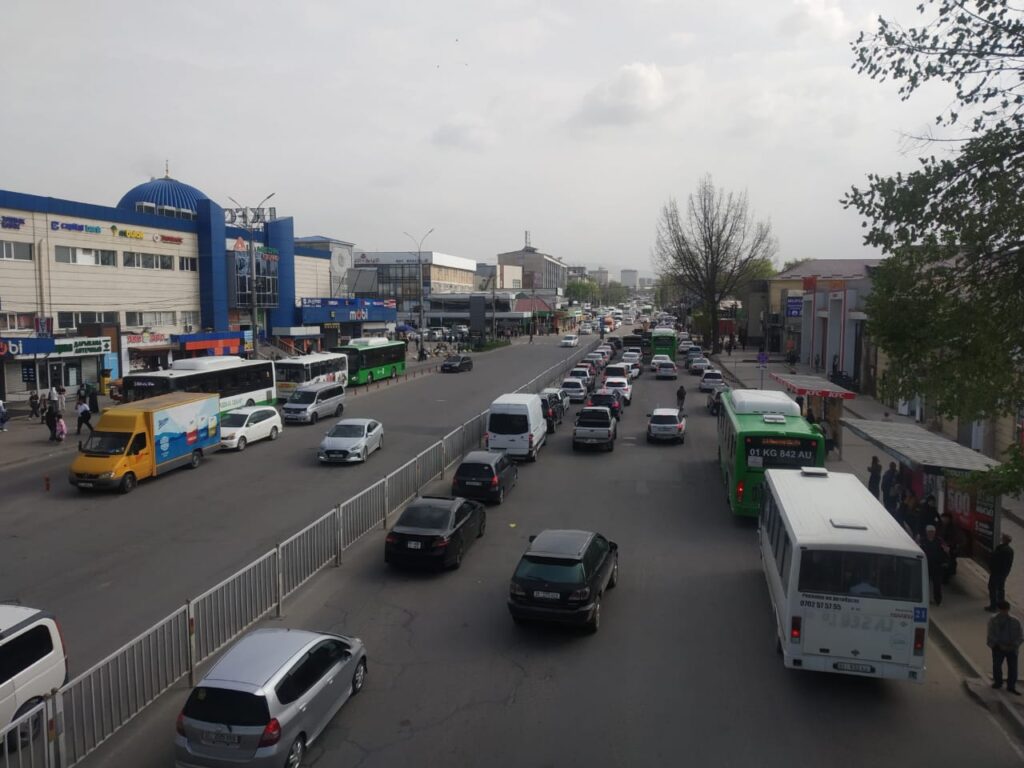
Kyrgyzstan is preparing to tighten environmental regulations on motor vehicles as part of a broader effort to combat rising air pollution in its major cities. A draft bill currently under public discussion proposes mandatory requirements for the presence and proper functioning of catalytic converters in vehicles originally manufactured with them. The initiative targets one of the most persistent sources of urban air pollution: an aging vehicle fleet in which catalytic converters are frequently removed. The absence of these devices significantly increases toxic emissions and fuel consumption, with direct consequences for public health. Under the proposed amendments, vehicles that do not meet environmental standards could be prohibited from operating. Driving a vehicle without a functioning catalytic converter would result in fines of approximately $114 for private individuals and about $400 for legal entities. According to the bill’s explanatory note, the measures aim primarily to reduce pollution in urban centers such as Bishkek and Osh. Lawmakers emphasize that the widespread removal of catalytic converters contributes to both higher emissions and increased fuel use. Data from the Ministry of Natural Resources, Ecology, and Technical Supervision show that motor vehicles, particularly older models lacking emissions control systems, account for roughly 30% of air pollution in Bishkek. Vehicle numbers in the capital have surged in recent years. Bishkek now has more than 600,000 registered vehicles, nearly double the estimated road infrastructure capacity of 350,000. Over 300,000 of these vehicles are more than 15 years old, making them a major contributor to harmful emissions. Air quality in the city of more than one million residents remains a persistent concern, especially in winter, when coal-burning for residential heating, responsible for an estimated 40% of pollution, intensifies. Seasonal spikes frequently push Bishkek into the global rankings of the most polluted cities. The draft legislation could also pave the way for a regulated system to dispose of non-functioning catalytic converters, which contain valuable materials such as platinum group metals, rhodium, and cerium. The presence of these metals has fueled a gray market, with online advertisements and repair shops offering to remove converters for resale. Lawmakers argue that formal regulation would help curb theft and establish a legal recycling sector. In September 2025, the Cabinet of Ministers imposed a six-month ban on the export of catalytic converters and other waste containing precious metals, in an effort to limit illegal outflows and stabilize domestic oversight. The bill’s authors describe catalytic converter enforcement as a concrete step toward meeting Kyrgyzstan’s commitments under the Paris Agreement and reducing transport-sector greenhouse gas emissions. However, the effectiveness of the new rules will depend on enforcement capacity. With a significant portion of the current fleet already non-compliant, and the average vehicle age remaining high, implementation may face resistance unless supported by effective inspection systems and realistic compliance pathways. Kyrgyzstan’s proposed emissions crackdown signals a shift toward more enforceable environmental policy. If properly implemented, the measures could meaningfully reduce air pollution and curtail illicit trade in precious metals. Their success, however, will hinge on the state’s ability...

Kazakhstan Produced Over 171,000 Vehicles in 2025, Setting Industry Record

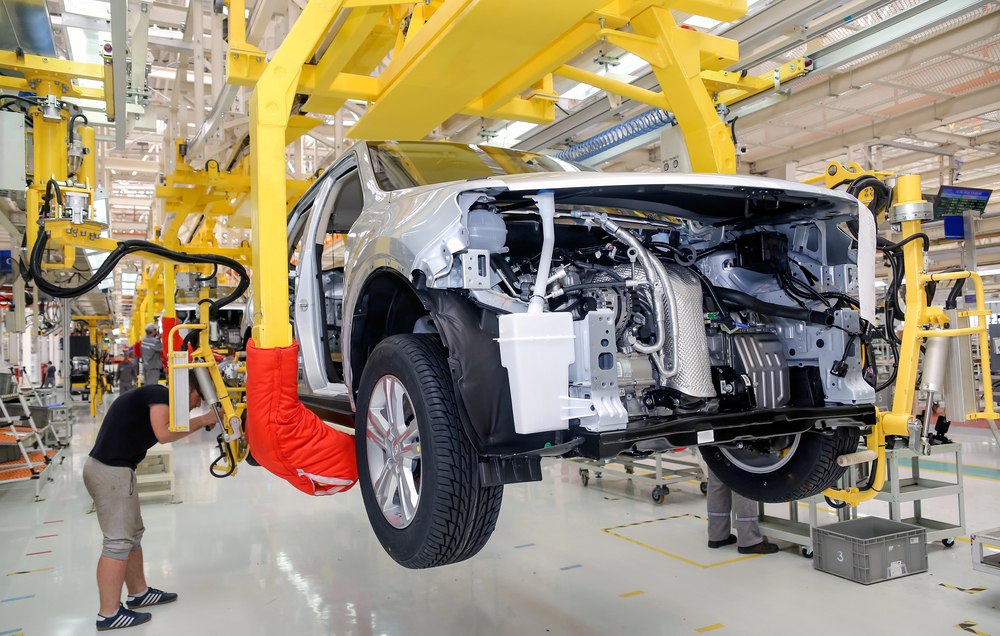
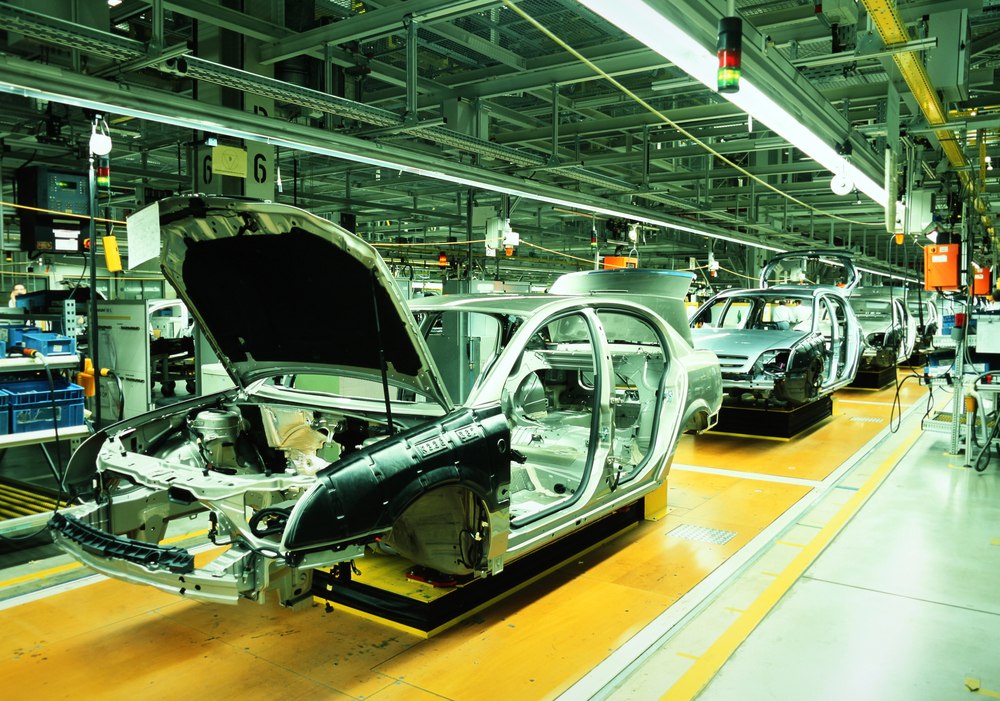
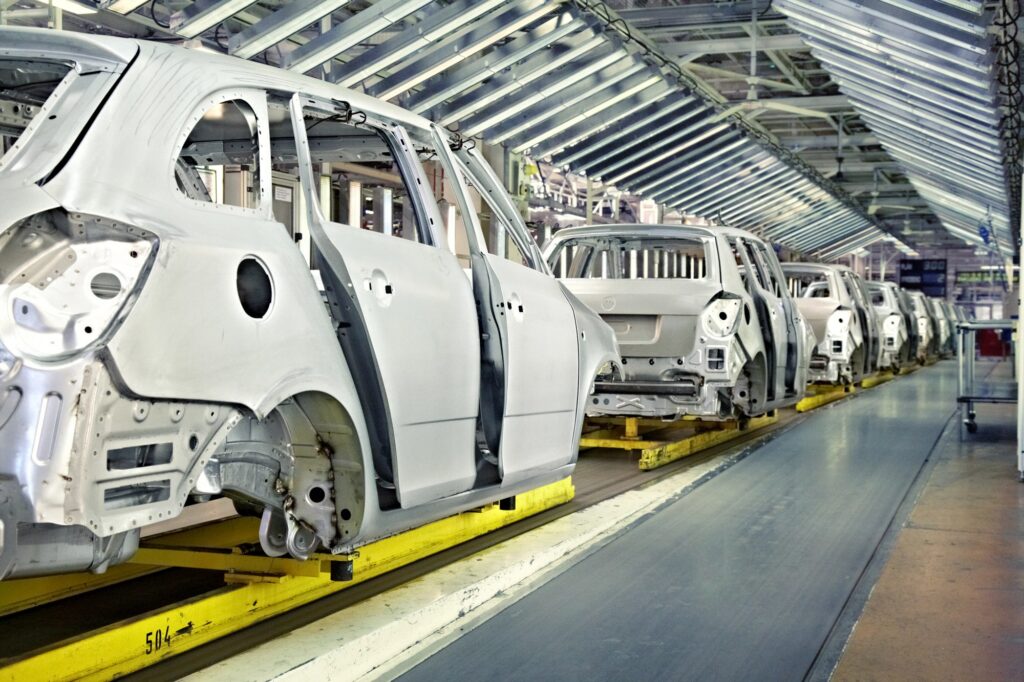
Kazakhstan’s automotive industry achieved record production levels in 2025, manufacturing more than 171,000 vehicles, an increase of nearly 18% compared to 2024. According to the Kazakhstan Automobile Union (KAU), a total of 171,144 vehicles, including passenger cars, buses, and trucks, were produced in 2025, with an estimated value exceeding $4.5 billion. By contrast, 145,290 vehicles were produced in 2024, valued at approximately $3.7 billion. “Last year's results were the best in the history of Kazakhstan’s automotive industry. By the end of 2025, the sector accounted for about 8% of the total manufacturing industry and held a dominant 41.7% share within the mechanical engineering sector,” the KAU stated. Investments in the sector topped $224 million in 2025, funding modernization of existing facilities, procurement of new equipment, and the launch of component manufacturing enterprises. New production facilities launched in Almaty and Kostanay, Astana Motors Manufacturing Kazakhstan and Kia Qazaqstan, contributed to job growth. Employment in the sector rose to 11,153 workers. Passenger cars continued to dominate production, with output rising 19% to 158,944 units in 2025. Commercial vehicle production (trucks and buses) reached 12,200 units, up 8% from the previous year. The Allur plant in Kostanay (SaryarkaAvtoProm) produced 92,100 passenger cars and trucks, up 1.8% year-on-year. The Kia Qazaqstan plant, which began operations in Kostanay in late 2025, produced 2,885 vehicles in just three months. Hyundai Trans Kazakhstan in Almaty increased production by 14.6%, manufacturing 52,040 passenger cars. Meanwhile, the new Astana Motors Manufacturing Kazakhstan plant in Almaty produced 15,180 cars within four months of launch. In Semey, SemAZ manufactured 3,728 commercial vehicles, down 5.3% from the previous year. In the town of Saran in Karaganda region, QazTehna boosted output by 69.1%, producing 2,665 commercial vehicles. KAMAZ Engineering in Kokshetau produced 1,426 trucks, a 6.4% decline. Hyundai Trans Almaty produced 754 commercial vehicles, and Daewoo Bus Kazakhstan in Semey assembled 341 buses. Uralskagromash produced 25 units of specialized equipment. “We are seeing growing confidence among auto component manufacturers, an influx of new investment, and the strengthening of Kazakh-made cars in the domestic market. Looking ahead, the priorities will be increasing localization and expanding the production base,” said Anar Makasheva, president of the QAO. As previously reported by The Times of Central Asia, the production record was already surpassed by December 1, 2025.

Kazakhstan Sets New Record for Car Sales

Kazakhstan's car market set a new record in the first 11 months of 2025, with more than 207,500 new vehicles sold, surpassing the previous annual record of 205,000 units set in 2024. According to the Kazakhstan Automobile Union (KAS), 25,804 passenger and commercial vehicles were sold in November 2025 alone, marking a 22.7% year-on-year increase. This figure represents the highest monthly sales volume in the history of official car retail in the country. Between January and November 2025, dealerships sold a total of 207,616 new vehicles, 15.6% more than during the same period in 2024. KAS President Anar Makasheva noted that the market has already exceeded last year's total sales despite the traditionally active pre-New Year period still ahead. She added that dealers are expanding financial offerings and launching special promotions, as December is typically the most favorable month for car purchases. A further increase is expected by year-end. Hyundai was the top-selling brand in Kazakhstan during the reporting period, with 45,220 units sold. Chevrolet followed with 33,486, and Kia ranked third with 21,481. Chinese manufacturers dominated the rest of the top ten: Jetour (13,000), Chery (12,500), Haval (10,400), and Changan (10,100). Toyota came in eighth with 10,000 vehicles sold, followed by Geely (9,000) and Jac (8,700). Among the most popular models in November were the Chevrolet Cobalt (7,100), Hyundai Tucson (1,900), and Kia Sportage (1,300). As of December 1, 2025, Kazakhstan had 5,843,358 registered vehicles, according to government statistics. The majority, 4,898,203, were category B passenger cars. In comparison, 6,786,876 vehicles were registered as of September 1. The Ministry of Internal Affairs attributed the discrepancy of nearly 1 million vehicles to a database update that eliminated duplicates, corrected technical errors, and verified first-time registrations. Earlier this year, The Times of Central Asia reported that Kazakhstani car manufacturers saw a nearly 17% profit increase in the first half of 2025 compared to the same period in 2024.

Car and Real Estate Sellers in Kazakhstan to Receive Payment Only After Buyer Rights Registered

Kazakhstan is preparing to introduce a new payment system for vehicle and real estate transactions, in which funds deposited via banks will be temporarily blocked until ownership rights are officially registered in the buyer’s name. The initiative, known as the “Safe Transaction” system, is being developed jointly by the Ministry of Internal Affairs and the Ministry of Artificial Intelligence and Digital Development. A pilot launch is expected soon, with a full-scale rollout planned for April next year. The system was discussed during the first meeting of the working group on the integration of the digital tenge into public finance operations. The digital tenge (national currency) refers to marked digital budget funds designated for specific contractual purposes. These funds cannot be converted into cash or conventional non-cash forms and are unblocked only after work or services are completed and verified or once contract terms are fully met. The mechanism aims to automate oversight of targeted budget spending and mitigate embezzlement risks. Pilot projects involving digital tenge have already revealed several technical challenges. For example, in the road construction sector, the absence of a unified methodology for standardizing goods, services, and materials complicates implementation. Additional requirements include digitizing design and estimate documentation, integrating the platform with verified supplier databases, and introducing transaction verification protocols and cost reconciliation tools. Binur Zhalenov, advisor to the chairman of the National Bank, noted that the pilot phase exposed significant discrepancies in pricing for some materials and services, which require industry-specific evaluation to assess properly. The digital tenge is technically prepared for certain types of public procurement and is expected to improve transparency in financial transactions. Authorities anticipate that it will enhance budget revenue collection, reduce tax-related risks, and curb the use of fictitious financial schemes. Over the medium term, the digital tenge is projected to be used in the implementation of at least 100 government projects. The National Bank officially announced its launch just over a year ago.

Automotive Shift in Central Asia: China Edges Out Russia

In the 2020s, Central Asia has emerged as an increasingly attractive market for the automotive industry. A combination of investment inflows, technological development, and improved logistics, much of it initiated by China, has fueled this transformation. Since the onset of the COVID-19 pandemic, China has rapidly expanded its influence in the region’s automotive sector and is becoming the dominant external supplier in import-reliant markets, even in countries with domestic manufacturing capabilities. Manufacturing Hubs and Import Markets The Central Asian automotive landscape reflects the region’s economic diversity. Uzbekistan and Kazakhstan serve as the main manufacturing hubs, while Kyrgyzstan, Tajikistan, and Turkmenistan rely heavily on imports. By the end of 2024, while the global automotive sector faced a slowdown, Uzbekistan recorded modest growth in car production, up 0.8% year-on-year. In contrast, Kazakhstan saw a 1.6% decrease. During the first seven months of 2025, Uzbekistan produced 212,200 passenger vehicles, a 3.5% increase compared to the same period in 2024. Truck production rose sharply by 28%, from 1,800 to 2,300 units. With a population of approximately 37 million, Uzbekistan remains the region’s industrial center. The state-owned UzAuto Motors, formerly GM Uzbekistan, dominates more than 90% of the domestic passenger car market. Models such as the Chevrolet Cobalt, Nexia, and Tracker are built on General Motors platforms and produced at the main plant in Asaka, which has a capacity of 280,000 vehicles per year. Some of this output is exported to Russia, Azerbaijan, and Georgia. In a bid to stay competitive with Chinese brands, Uzbekistan launched a joint venture with BYD in 2023 and announced the construction of a $1.5 billion electric vehicle (EV) plant in the Ferghana region with Chinese support. Kazakhstan’s key market players include Allur and Hyundai Trans Kazakhstan. Allur’s Kostanay plant produces up to 125,000 Kia, Chevrolet, Skoda, JAC, Jetour, and Hongqi vehicles annually, and accounts for 61% of the national output. Hyundai Trans Kazakhstan in Almaty has a capacity of 50,000 units, covering 31% of production. Two new car plants are expected to open in 2025. The first, a $200 million investment by Kia, will be located in the Kostanay region and marks the company’s first Central Asian plant. With a planned capacity of 70,000 vehicles per year, the move underscores Kia’s long-term commitment to Kazakhstan. “We are excited about the promising opportunities opening up in the Kazakh market. Kazakhstan's economy is developing dynamically and on a large scale. We see great potential for our business in this market,” said Kia President and CEO Ho Sung Song. The second plant, in Almaty, will assemble Chinese brands with a target of 90,000 vehicles annually. Rather than compete with Chinese imports, Kazakhstan has opted to localize production in partnership with Chinese manufacturers. Import-Dependent Markets and China’s Tailored Approach While Kyrgyzstan and Tajikistan host minor assembly operations, primarily with Chinese partners, their automotive fleets, along with Turkmenistan’s, are largely replenished through imports. Since 2020, shifts in global logistics have transformed China from an alternative supplier into the dominant source of vehicles in these...