May is when Central Asia’s past crowds into the public square. Workers, soldiers, veterans, constitutions, unity campaigns, and the legacy of World War II all compete for space on the calendar. The dates are familiar across the region, but their meanings are no longer the same.
Kazakhstan marks People’s Unity Day on May 1, Defenders’ Day on May 7, and Victory Day on May 9. Kyrgyzstan has a May calendar built around Labor Day, Constitution Day, and Victory Day. Uzbekistan has recast May 9 as the Day of Remembrance and Honor. Turkmenistan lists May 9 as Victory Day of the 1941-1945 Great Patriotic War, but it no longer carries the same public weight as the country’s main state holidays.
Those choices show how each state is handling its Soviet past. May 1 can mean labor, unity, or almost nothing. May 9 can mean victory, mourning, family memory, or careful diplomacy. In Central Asia, the politics of memory rarely move through open rejection. It works through renaming, recalibrating, and changing the optics.
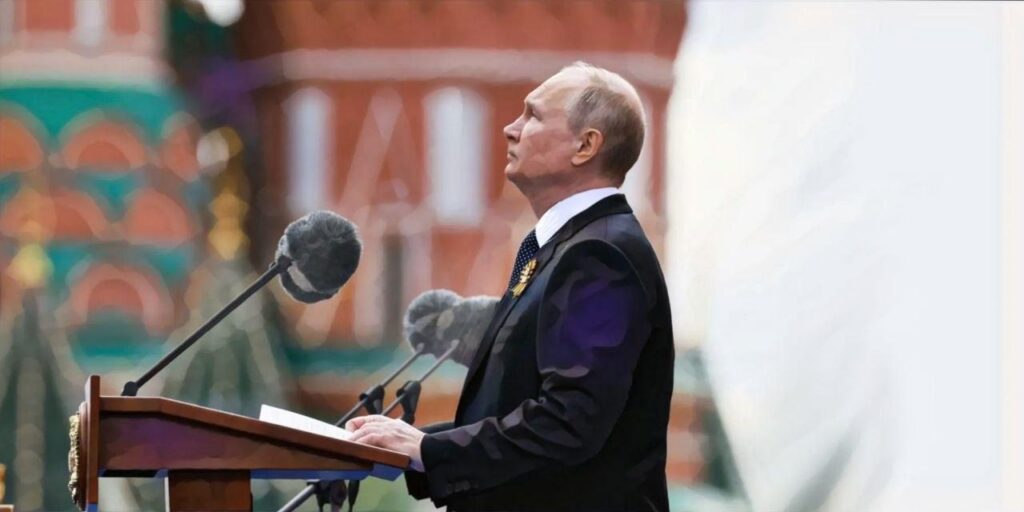
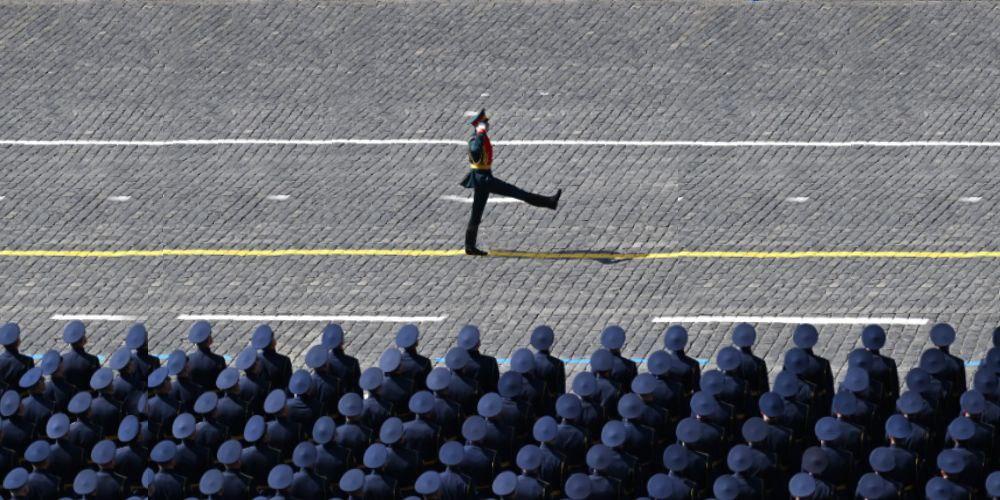
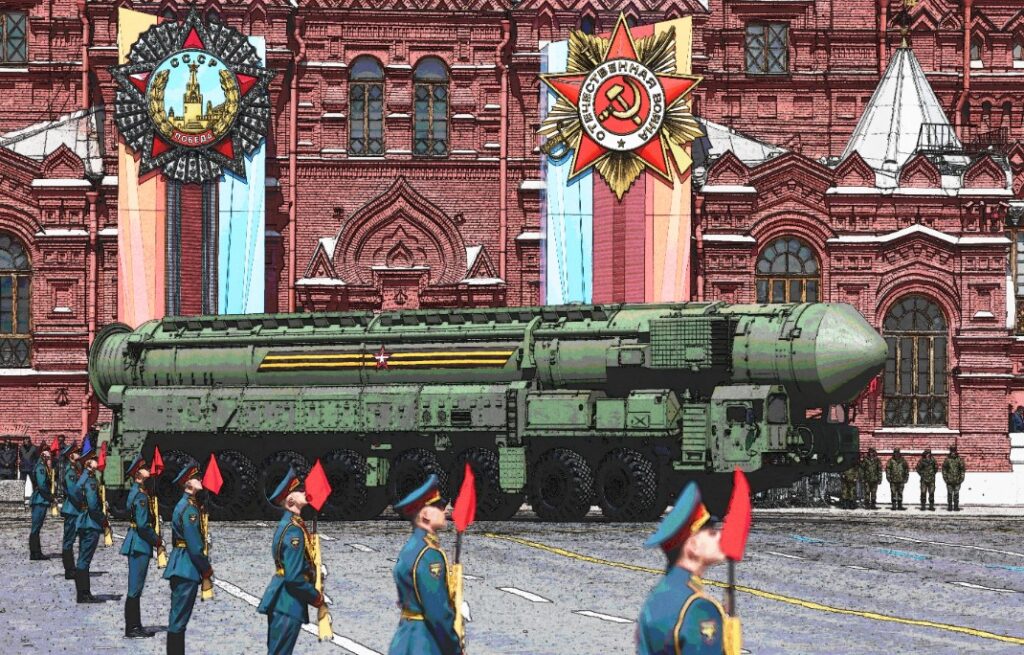
Russia still treats May 9 as a central ritual of state power. Victory Day marks the Soviet defeat of Nazi Germany in what Russia calls the Great Patriotic War. Under Vladimir Putin, it has become a display of military strength, national sacrifice, and confrontation with the West. Since Russia’s full-scale invasion of Ukraine in 2022, that message has become more direct.
This year, the image projected from Moscow will be weaker. Russia is preparing to hold its May 9 parade on Red Square without the usual display of military hardware. Tanks and missile systems, long central to the spectacle, are being kept away. Russia’s Defense Ministry cited the “current operational situation,” while the Kremlin linked the change to Ukrainian attacks.
For Central Asian governments, that image will be hard to separate from their own handling of Victory Day. Moscow has long used May 9 to gather friendly leaders and place the post-Soviet region inside a shared wartime story. Attendance in Moscow has become a diplomatic signal. Absence has become one too. In recent years, Victory Day diplomacy has shown how Central Asian governments try to respect wartime memory while avoiding full alignment with Russia’s narrative. This year, at least some Central Asian leaders are again expected in Moscow. Kazakhstan’s Kassym-Jomart Tokayev and Kyrgyzstan’s Sadyr Japarov have been reported among those planning to attend, though the Kremlin has not yet published a full list of foreign guests.
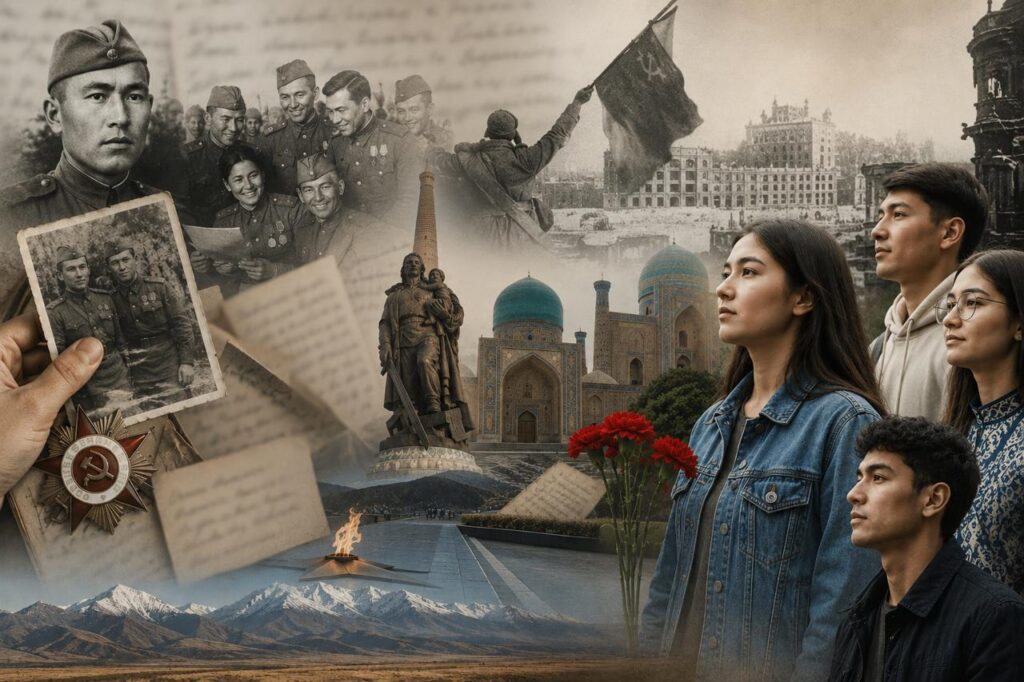
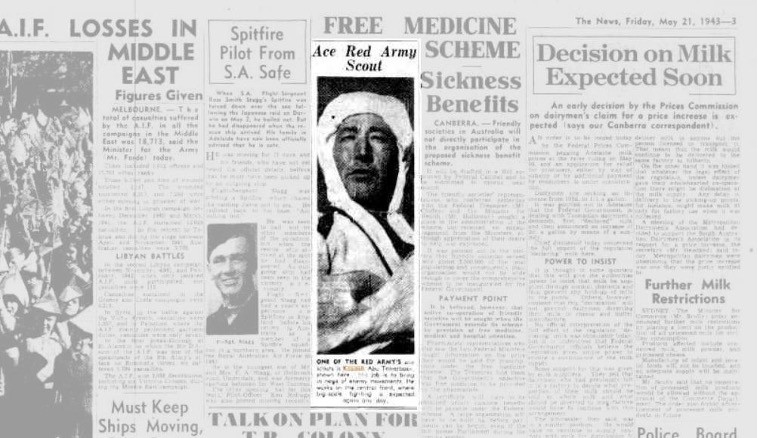
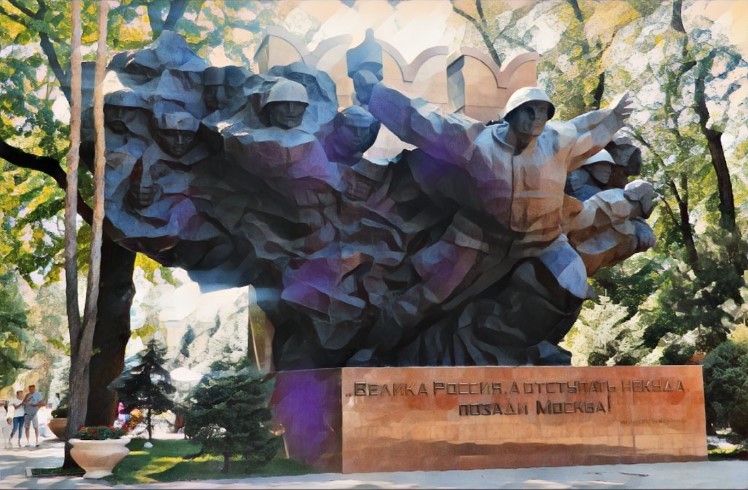
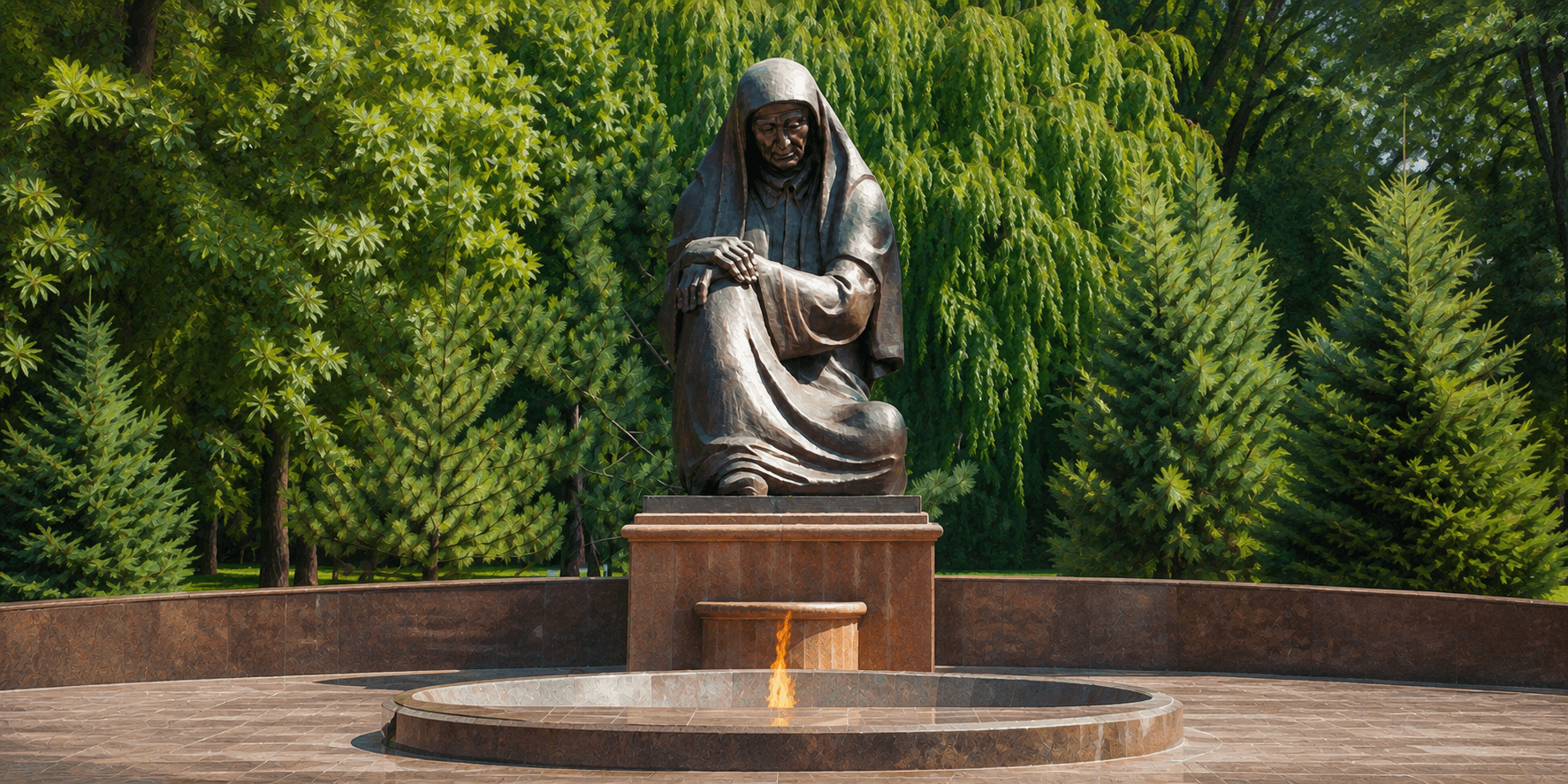
Central Asian states cannot simply discard May 9. Millions of people from the region served in the Red Army or worked behind the front during World War II; from Kazakhstan alone, around one million people contributed to the war effort, with nearly 271,000 soldiers still listed as missing. Families still carry those memories. Monuments, veterans’ payments, school events, and wreath-laying ceremonies remain important. For many people, Victory Day is personal before it is geopolitical.
Yet governments have changed the tone. Kazakhstan still marks Victory Day as a public holiday, but large military parades are not at the center of the commemoration. The state tends to favor ceremonies, concerts, veterans’ support, and local memorial events. This leaves space for remembrance without copying Moscow’s militarized script. In Central Asia, Victory Day has often come without much pomp, but with plenty of feeling.
Kazakhstan’s May sequence makes that layering unusually clear. May 1 is People’s Unity Day, tied to the country’s multiethnic identity and the state’s long-running focus on interethnic harmony. May 7 marks Defenders’ Day, linked to the creation of Kazakhstan’s own armed forces after independence. May 9 follows two days later. The order places Soviet victory memory alongside two post-Soviet themes: unity at home and national defense under Kazakhstan’s flag.
Kyrgyzstan keeps May more Soviet-shaped. May 1 remains Labor Day; May 5 is Constitution Day; May 9 is Victory Day. Together, they give the month a strong public rhythm, with work calendars often adjusted around weekends and transferred days off.
Uzbekistan has taken a different path. May 9 is not officially called Victory Day. It is the Day of Remembrance and Honor. The change is subtle, but important. It keeps wartime memory, but moves the focus from military triumph toward mourning and national dignity. In 2026, President Shavkat Mirziyoyev reviewed preparations for the holiday, including military training, support for service members, and events connected to memory and honor. The language lets Uzbekistan remember the dead without placing Moscow at the center of the story.
Tajikistan also retains Labor Day and Victory Day. That continuity reflects close security, migration, and economic ties with Russia. It also reflects Tajikistan’s own wartime losses. But Tajikistan’s calendar also has a separate post-Soviet track. National Unity Day, marked in June, commemorates the end of the country’s civil war. That gives the state two different kinds of remembrance, one Soviet and regional, the other domestic.
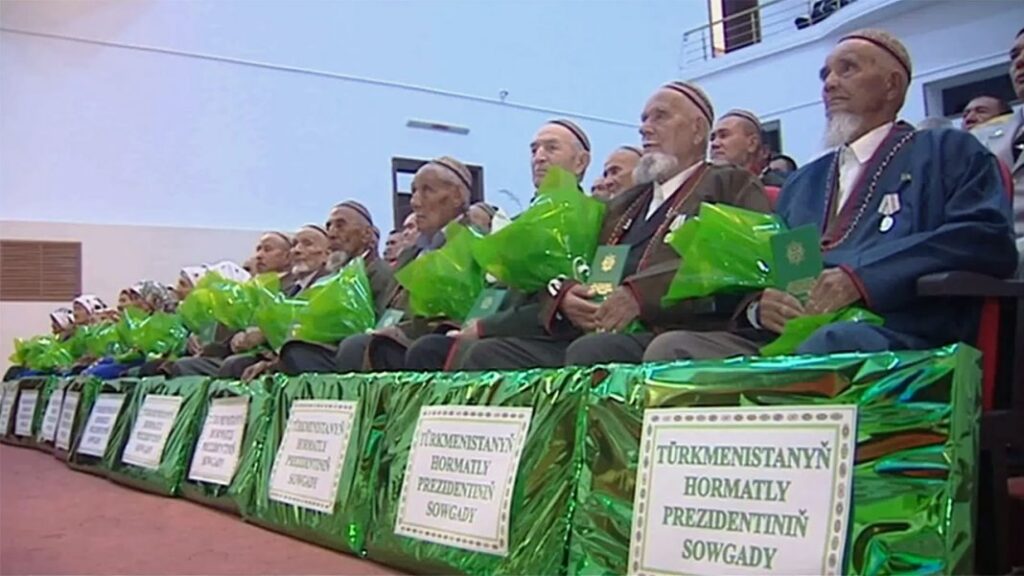
Unsurprisingly, Turkmenistan offers a more controlled version. Victory Day remains on the official list of holidays and memorable dates, but it sits inside a calendar dominated by neutrality, independence, the Turkmen horse, carpets, and the poetry of Magtymguly. The Soviet frame survives, but is absorbed into a wider national story.
Across the region, the pattern is not erasure; it is selective preservation. Central Asian states still honor veterans, maintain monuments, and teach World War II as a defining event, but they also rename and soften Soviet holidays. They move the emphasis from Moscow to national capitals, from military victory to remembrance, from class struggle to unity, and from Soviet identity to state sovereignty.
That makes May one of the most revealing months in the regional calendar. The same week can celebrate workers, the constitution, armed forces, unity, sacrifice, and victory. Each country chooses a different mix, and none of those choices is accidental. They say something about relations with Russia, views of Soviet history, and each state’s need to build legitimacy at home.
This year, Russia’s scaled-down parade sharpens the contrast. For years, Victory Day projected strength; in 2026, the absence of tanks and missile systems will project caution. Moscow still presents the Soviet victory as a central part of Russian state identity, but Central Asian governments increasingly frame May 9 through their own national calendars.
The dates are old. Their meanings keep changing.