
• KGS/USD = 0.01144 0%
  • KZT/USD = 0.00202 0%
  • TJS/USD = 0.10464 -0.1%
  • UZS/USD = 0.00008 0%
  • TMT/USD = 0.28571 0%
  • KGS/USD = 0.01144 0%
  • KZT/USD = 0.00202 0%
  • TJS/USD = 0.10464 -0.1%
  • UZS/USD = 0.00008 0%
  • TMT/USD = 0.28571 0%
  • KGS/USD = 0.01144 0%
  • KZT/USD = 0.00202 0%
  • TJS/USD = 0.10464 -0.1%
  • UZS/USD = 0.00008 0%
  • TMT/USD = 0.28571 0%
  • KGS/USD = 0.01144 0%
  • KZT/USD = 0.00202 0%
  • TJS/USD = 0.10464 -0.1%
  • UZS/USD = 0.00008 0%
  • TMT/USD = 0.28571 0%
  • KGS/USD = 0.01144 0%
  • KZT/USD = 0.00202 0%
  • TJS/USD = 0.10464 -0.1%
  • UZS/USD = 0.00008 0%
  • TMT/USD = 0.28571 0%
  • KGS/USD = 0.01144 0%
  • KZT/USD = 0.00202 0%
  • TJS/USD = 0.10464 -0.1%
  • UZS/USD = 0.00008 0%
  • TMT/USD = 0.28571 0%
  • KGS/USD = 0.01144 0%
  • KZT/USD = 0.00202 0%
  • TJS/USD = 0.10464 -0.1%
  • UZS/USD = 0.00008 0%
  • TMT/USD = 0.28571 0%
  • KGS/USD = 0.01144 0%
  • KZT/USD = 0.00202 0%
  • TJS/USD = 0.10464 -0.1%
  • UZS/USD = 0.00008 0%
  • TMT/USD = 0.28571 0%

Viewing results 1 - 6 of 5

What’s Really Happening With Waste Processing in Kazakhstan

Official statistics suggest that Kazakhstan is making steady progress in recycling solid municipal waste (SMW), but a closer look reveals a significant technological shortfall. According to an analysis by Energyprom.kz, behind the rising recycling percentages lies a troubling gap between reported sorting and actual reuse. As of December 2025, the share of municipal waste reportedly recycled or reused had reached 28.6%, up from 25.9% at the end of 2024. On paper, this suggests progress toward the Ministry of Ecology’s target of 40% by 2040. However, the real picture is more complex. Only 1.1% of all municipal waste actually results in the production of secondary raw materials. Analysts emphasize the wide gap between the amount sorted and the amount truly recycled. According to Kazakhstan’s National Statistics Bureau, the country generates between 4.2 million and 4.8 million tons of municipal solid waste annually. In 2024, the figure hit a peak of 4.8 million tons. Of that, about 1.3 million tons were sorted and recorded as recycled or reused, more than one-quarter of the total. But crucially, this refers only to the volume that passed through sorting facilities. Much of the remaining 4.5 million tons was ultimately sent to landfill, including a significant share of the sorted waste. In 2024, 37.1% of sorted municipal waste, about 490,400 tons, was still landfilled. In other words, more than a third of the “recycled” waste never became usable raw material. In some regions, the situation is even more stark. At certain waste processing plants, including in Almaty, up to 85% of sorted waste ends up in landfill due to outdated technologies and limited processing capacity. Without substantial upgrades to equipment and processes, this is unlikely to change. That said, there has been measurable improvement. In 2023, 65.9% of sorted waste was landfilled, compared to 37.1% in 2024. Meanwhile, the volume of waste actually sent for recycling rose from 358,900 tons to 588,200 tons. Even so, only 49,200 tons of waste were ultimately processed into secondary raw materials, just 8.4% of the sorted waste and a mere 1.1% of Kazakhstan’s total municipal waste. For comparison, the figure was just 0.7% the previous year. More than 40% of waste processed at SMW facilities in 2024 consisted of plastic and paper, with plastic being the most straightforward to recycle. That year, 112,400 tons of plastic were recycled, an 8.5% increase over 2023. Waste paper collection reached 124,400 tons. Other materials processed include glass, metals, and used tires. Tire recycling has grown particularly quickly, with volumes increasing nearly twentyfold year-on-year. Despite this modest progress, Kazakhstan’s waste accumulation problem remains severe. The country has already amassed 48.3 million tons of solid waste. Of the approximately 3,000 landfills currently in operation, only 20.6% meet national standards. The best-performing regions include Zhambyl and Ulytau, as well as the cities of Astana and Shymkent. The worst conditions are found in North Kazakhstan, Turkestan, and Abai regions, where fewer than 3% of landfills comply with regulations. In 7 of Kazakhstan’s 20 largest cities, landfill capacity...
Study Highlights Plastic Waste Challenges in Kazakhstan

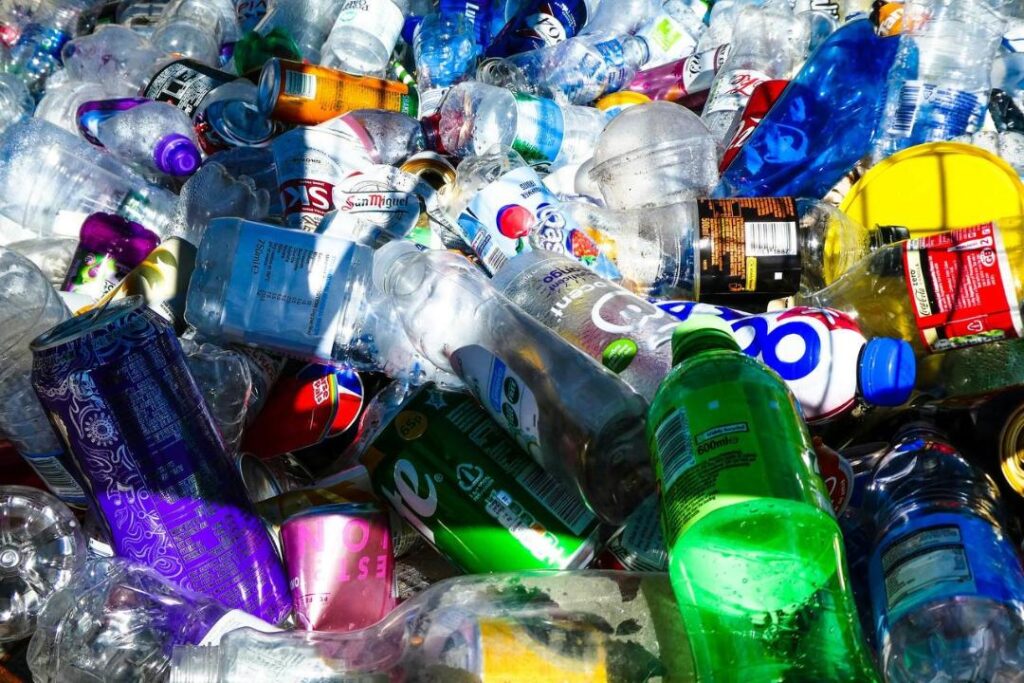
Kazakhstan is grappling with a growing plastic pollution problem, as highlighted in a recent study conducted by the Ministry of Ecology and Natural Resources. The research, covering the period from 2013 to 2022, provides critical insights into the increase in plastic consumption, the resulting waste, and the systemic challenges that hinder effective waste management. The findings were part of the regional project "Plastic Waste in Remote and Mountainous Areas of Kazakhstan and Uzbekistan," implemented by the CSD Center (Cooperation for Sustainable Development of the Republic of Kazakhstan). Rapid Growth in Plastic Consumption The study revealed a significant rise in the volume of plastic products entering the Kazakh market over the past decade, increasing from 387,000 tons in 2013 to 855,000 tons in 2022. Key industries driving this growth include: Packaging: Representing over 23% of total plastic consumption, with 196,000 tons used in 2022 alone. Construction: Accounting for 19% (167,000 tons), where plastic is used in durable materials such as pipes and insulation. Transport: Consuming 17% of all plastic due to the increased production of vehicles and the use of lightweight plastic components. Escalation in Plastic Waste The growing use of plastic has led to a corresponding rise in waste. In 2022, plastic waste generation reached 296,000 tons, more than double the amount recorded in 2013. Packaging remains the largest source of waste, comprising 66% of the total, largely due to the prevalence of disposable plastic bags and other single-use packaging materials. By contrast, the construction and transport sectors generated relatively less waste, as the plastic used in these industries typically has a longer lifespan. The study also identified the primary types of plastic waste in Kazakhstan: Polyethylene: 38% Polypropylene: 23% Polyethylene terephthalate (PET): 14% Challenges in Plastic Waste Management The research outlined several obstacles that hinder effective management of plastic waste in Kazakhstan: Insufficient Infrastructure: Existing waste management facilities are unable to handle the growing volumes of plastic waste. Lack of Separate Collection Systems: The absence of infrastructure for sorting waste at the source limits recycling efforts. Low Environmental Awareness: A significant portion of the population remains unaware of the importance of waste sorting and recycling. Recommendations for a Circular Economy To address these issues, the study suggests improving legislation to limit the use of single-use plastic items and promote the adoption of recycled materials. These measures could create favorable conditions for Kazakhstan’s transition to a circular economy, where resources are reused and recycled rather than discarded. Additionally, the research emphasizes the need to develop infrastructure for waste sorting and recycling while raising public awareness about the environmental impact of plastic pollution. Regional Context Kazakhstan’s findings are part of broader efforts across Central Asia to combat plastic pollution. Countries in the region, including Kazakhstan, are exploring initiatives such as phasing out plastic bags to address the growing environmental challenge. For an overview of these regional efforts, see The Times of Central Asia’s reporton plastic bag bans. Conclusion Kazakhstan’s plastic waste study highlights the urgent need for systemic change in managing...

Kazakhstan to Increase Municipal Waste Processing

On July 24, Kazakhstan launched its first project to build a technological eco-park for processing solid municipal waste and producing electricity from biogas. According to the Ministry of Ecology and Natural Resources of Kazakhstan, the new facility will be equipped to sort 120 thousand tons of solid municipal waste and 120 thousand tons of large-sized waste, and process 80 thousand tons of organic waste per year. In response to an instruction by the head of state in February to secure investment for the construction of waste processing plants in Kazakhstan, the government has secured a pool of 94 investment projects to  increase municipal waste processing from 1 million to 2.2 million tons annually. In March, the government announced plans to build 37 new municipal solid waste processing plants and modernize eight existing plants. To support the initiative aimed to improve the country's environment, the government has given approval for an Industrial Development Fund, with an interest rate of 3 percent and loan terms from 3 to 15 years,  for projects related to waste management, including the purchase of rubbish trucks and the launch of sorting lines and processing facilities. Prime Minister Olzhas Bektenov reported that recycling solid waste is profitable worldwide and Kazakhstan too, must exploit its potential in this field.
