• KZT/USD = 0.00220
  • TJS/USD = 0.10850
  • UZS/USD = 0.00008
  • TMT/USD = 0.29760
  • KZT/USD = 0.00220
  • TJS/USD = 0.10850
  • UZS/USD = 0.00008
  • TMT/USD = 0.29760
  • KZT/USD = 0.00220
  • TJS/USD = 0.10850
  • UZS/USD = 0.00008
  • TMT/USD = 0.29760
  • KZT/USD = 0.00220
  • TJS/USD = 0.10850
  • UZS/USD = 0.00008
  • TMT/USD = 0.29760
  • KZT/USD = 0.00220
  • TJS/USD = 0.10850
  • UZS/USD = 0.00008
  • TMT/USD = 0.29760
  • KZT/USD = 0.00220
  • TJS/USD = 0.10850
  • UZS/USD = 0.00008
  • TMT/USD = 0.29760
  • KZT/USD = 0.00220
  • TJS/USD = 0.10850
  • UZS/USD = 0.00008
  • TMT/USD = 0.29760
  • KZT/USD = 0.00220
  • TJS/USD = 0.10850
  • UZS/USD = 0.00008
  • TMT/USD = 0.29760
29 October 2026

Viewing results 1 - 6 of 161

Uzbekistan Sends Almost 4 Billion Cubic Meters of Irrigation Water to Kazakhstan

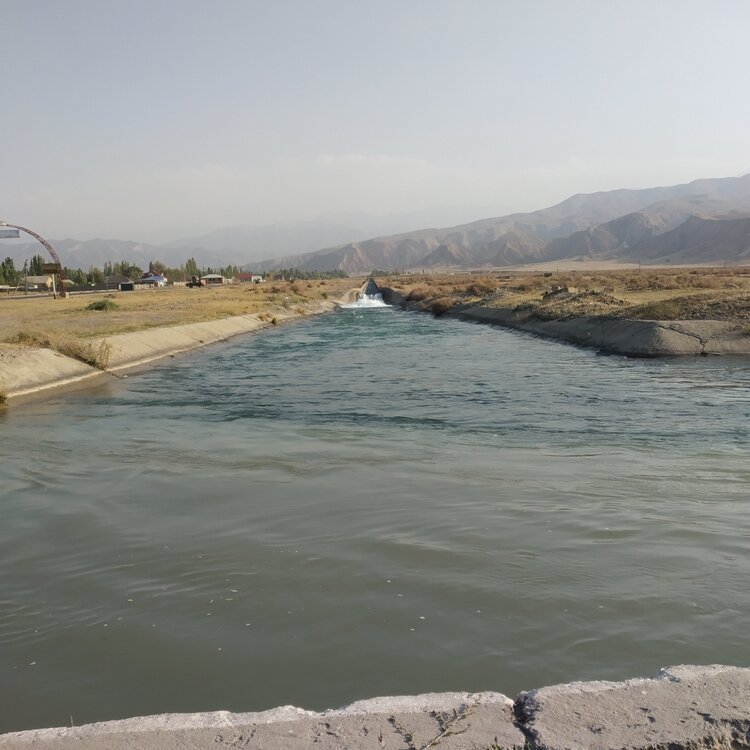
Kazakhstan’s Ministry of Water Resources and Irrigation has announced that since the beginning of this year’s irrigation season on April 1, Uzbekistan has sent 3.9 billion cubic meters of water to Kazakhstan via the Syrdarya River. Earlier, the ministry came to an agreement with Uzbekistan that 3.7 billion cubic meters of water would be sent to Kazakhstan via the Syrdarya River over six months. It is expected that before the end of the irrigation season, Uzbekistan will send Kazakhstan an additional one billion cubic meters of water. This water is intended for farmers in the southern regions of Kazakhstan. Water from Uzbekistan is accumulated in the Shardara reservoir, which currently contains 2.6 billion cubic meters, 689 million cubic meters more than a year ago. A total of 3.6 billion cubic meters of water has been sent from the Shardara reservoir to the lower reaches of the Syrdarya River, 950 million cubic meters more than last year. More than 700 million cubic meters of that water was sent to the Kyzylkum canal and more than 400 million cubic meters to the North Aral Sea.

Ten Thousand Hectares of Land in Tajikistan Left Without Water

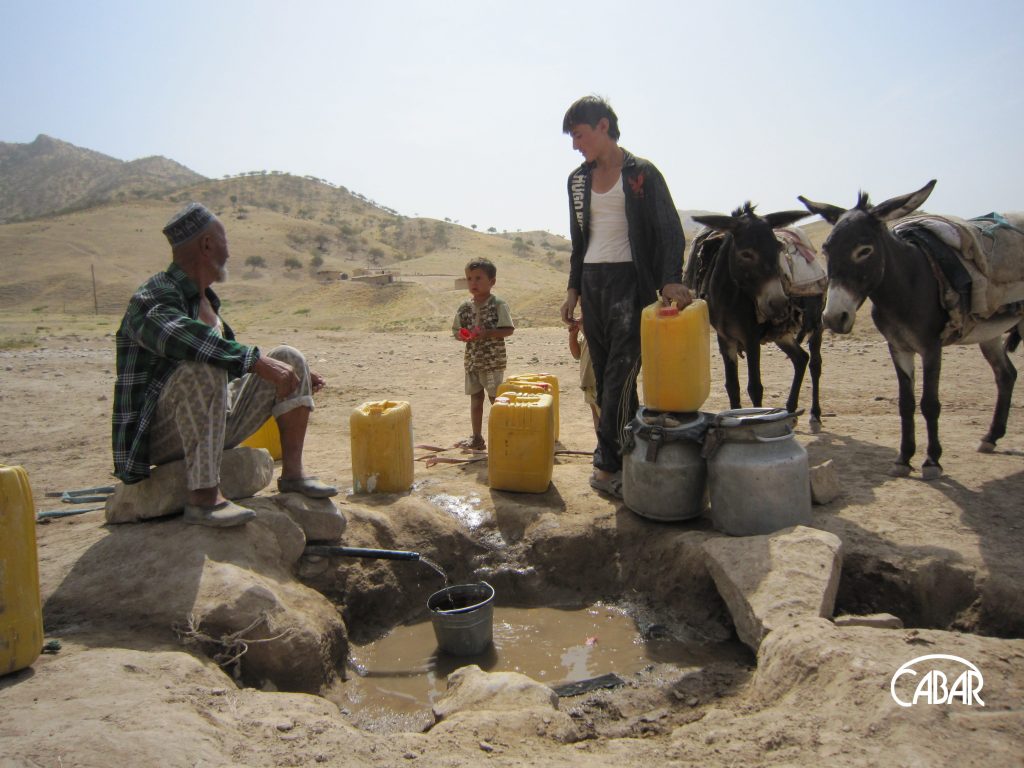
Asia-Plus reports that more than 10,000 hectares of irrigated land in Tajikistan's Khatlon region have not been irrigated due to the failure of pumping stations. Almost 900 hectares of irrigated land have fallen out of agricultural use. This situation was criticized by the country's president, Emomali Rahmon, at a meeting with leaders and civic figures from Khatlon region on May 25 . At the meeting in Dangara district Rahmon said: “We must increase the production of agriculture and agricultural products year by year, supply the consumer market of our country with food products at any time of the year, and constantly reduce the dependence of our country’s economy on the import of food products.” He also called on agriculture workers to fill the domestic consumer market with the most necessary goods, organizing its adequate backup, preventing unjustified price increases, establishing continuous operation of all sectors of the national economy, leaders, and responsible persons to approach with serious attitude and high responsibility. According to Rahmon, 18 pumping stations are not working in the Khatlon region, which has led to the dehydration of more than 5,000 hectares of land.

More Irrigation Water Pledged for Southern Kazakhstan

A revision of interstate water flow limits for Kazakhstan, through the operation of transboundary rivers and canals, has been approved by the country’s upstream neighbors. The agreement made on 20 May, which will increase the supply of irrigation water during this year’s growing season, aims to benefit farmers in the country’s driest southern regions of Turkestan, Kyzylorda, and Zhambyl. An additional 300 million cubic meters of water has been channelled from Uzbekistan into the Shardara reservoir located on the Syrdarya River in the Turkestan region of Kazakhstan. To date, the reservoir holds 4.8 cubic kilometers of water. In April and May alone, 1.4 cubic km of water entered the Shardara reservoir, doubling the volume received in the same period last year. Kazakhstan, Tajikistan, and Uzbekistan have now confirmed plans for the Bahri Tojik reservoir in Tajikistan, scheduled for July-August, which will guarantee water flow to Kazakhstan through Uzbekistan. Based on hydrological forecasts and the current water levels in Kyrgyzstan’s Kirov and Orto-Tokoi reservoirs, totalling 380 million cubic meters, approval has been granted for Kazakhstan to receive 44 million cubic meters more than last year. Kazakhstan will also be supplied with 180 million cubic meters of water from the Shu River in Kyrgyzstan; an increase of 26 million cubic meters compared to 2023. Most of the 1.5 million hectares of land currently irrigated in Kazakhstan are in the south; these regions are forecast to be especially hot and dry this summer. Due to spring floods, reservoirs are now 70- 90% full in the northern, central, western and some eastern regions.    

Kazakhstan Secures Almost Billion Cubic Meters of Irrigation Water from Uzbekistan

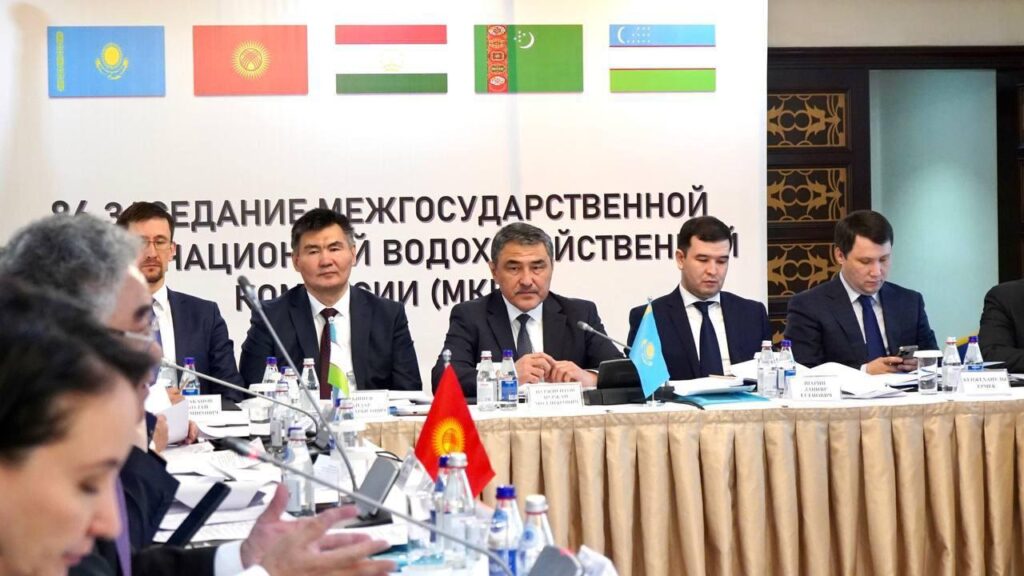
Kazakhstan is set to receive 922 million cubic meters of water from Uzbekistan via the Dostyk interstate canal during this year's irrigation season. According to a report issued by the Kazakh Ministry of Water Resources and Irrigation on 13 May, the matter was determined in an Agreement by the Interstate Water Coordination Commission of Kazakhstan, Kyrgyzstan, Tajikistan, Turkmenistan, and Uzbekistan. In addition, the parties formally approved the joint operation of the Naryn-Syr Darya cascade of reservoirs scheduled until 30 September. It was announced that the Shardara reservoir in the Turkestan region of southern Kazakhstan currently holds 4.8 billion cubic meters of water. The Toktogul reservoir on the Naryn river in upstream Kyrgyzstan, which releases water for irrigating fields in the south, has so far amassed 8 billion cubic meters of water. During the meeting, a draft agreement was also created ‘On the creation of a mechanism for water and energy cooperation between the countries of Central Asia.’ Kazakhstan’s Minister of Water Resources and Irrigation Nurzhan Nurzhigitov commented, “Our priority now, is to collect and send flood water to the Caspian Sea, Lake Balkhash, Kamysh-Samar lakes, and from the Ulytau region to lakes in the Kyzylorda region. But it is also important to provide water to the southern regions of Kazakhstan. And in this matter, water diplomacy is very important.”  

Kyrgyzstan Takes Issue With Uzbekistan’s Hydropower Plans

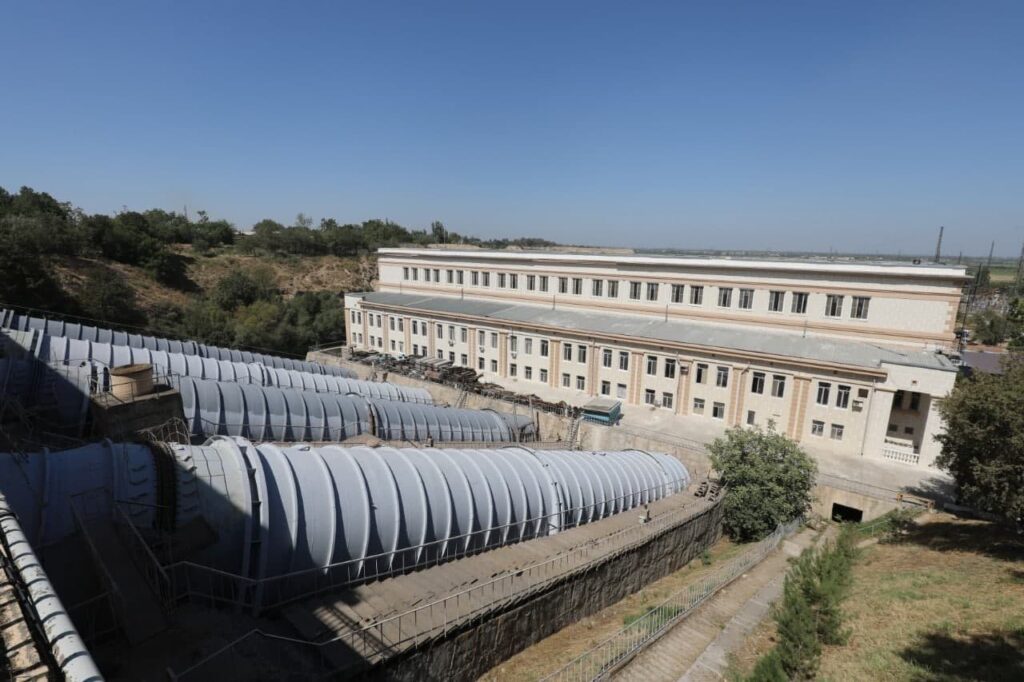
Uzbekistan's grandiose hydropower development plans are irking neighboring Kyrgyzstan, which is experiencing a shortage of water resources. These shortages have in part been caused by Kyrgyzstan swapping its water with Uzbekistan and Kazakhstan in exchange for electricity. Uzbekistan's construction of six hydroelectric power plants (HPPs), with a total capacity of 228 megawatts, has begun on the Naryn River in the Namangan region. The Uzbekhydroenergo project is estimated at $434 million and will generate up to 1 billion kilowatt-hours of electricity per year, enough to provide energy for 430,000 households. This will allow the country to save up to 310 million cubic meters of gas annually, to help alleviate shortages which has seen Uzbekistan turn to Russia. The launch of the hydro project will provide the Namangan region with 7.8 billion kWh per year, which far exceeds local demand. This surplus energy will be transferred to neighboring regions in the Fergana Valley, and will guarantee energy supply during periods of peak consumption. These plans contrast greatly with Kyrgyzstan's situation, as the republic imports 3 billion kWh of electricity from neighboring states during the fall and winter seasons. Uzbekistan and Kazakhstan supply Kyrgyzstan with electricity in winter, and in return Kyrgyzstan provides them with water in summer, measuring the volume of water using a generator, and thus paying back the debt for the electricity. According to official data, the Toktogul Reservoir in Kyrgyzstan is designed to hold 19.2-19.6 billion cubic meters of water. Kyrgyz Deputy Energy Minister, Talaibek Baigaziyev noted at a March 4 press conference in Bishkek that with electricity consumption on the increase and water levels falling, people urgently needed to curtail their usage. Water levels had already stopped at 7.7 billion cubic meters, versus a normal level of 17.3 billion cubic meters, leading to a risk of possible blackouts. If the level reaches anything below 6.5 billion cubic meters, the Toktogul HPP will stop. In 2024, the Kyrgyz authorities plan to launch 11 HPPs, five large and six small. According to the Eurasian Development Bank, Kyrgyzstan's energy sector will be operating under a state of emergency from now until the end of 2026. Kazakhstani experts have also expressed concern about their neighbors' energy development plans. They say water shortages could worsen in the region, with water already scarce in Kazakhstan. Bulat Yesekin, an expert on environmental policy and institutional frameworks for environmental protection, notes that "large hydropower plants further aggravate the problem of water supply and disrupt environmental sustainability. All over the world today there are campaigns to demolish hydroelectric dams and restore the natural regime of rivers. Only the preservation of natural river regimes can reduce water scarcity and create a more reliable basis for water supply for agriculture and industry." The construction of HPPs in border areas continues to create transnational problems. Altering river courses can destroy or alter ecosystems, change biodiversity, affect fisheries and agriculture, erode coastlines, and increase the risk of flooding in certain areas; yet access to electricity is a key issue across Central...

Spanish Company Ready to Explore for Groundwater in Kazakhstan

Cooperation in groundwater exploration was discussed during a February 21st meeting of Kazakhstan’s minister for water resources and irrigation, Nurzhan Nurzhigitov, with the Spanish ambassador Jorge Urbiola López de Montenegro, and representatives of the Spanish company Xcalibur Smart Mapping, the global leader in natural resource mapping.  Xcalibur, whose technologies are widely used in Australia, Canada, the USA, and Europe, said that it was ready to help attract grants and funding for joint projects in groundwater exploration in Kazakhstan.  According to the Ministry of Water Resources and Irrigation, 4,540 groundwater deposits have so far been explored in Kazakhstan. Today the water reserves of Kazakhstan total 102.3km³ and the operational reserves of groundwater in the country amount to 15.7km³. Slightly more than 1% of the total volume of water is used to provide the population with drinking water.