• KGS/USD = 0.01144 0%
  • KZT/USD = 0.00211 0%
  • TJS/USD = 0.10515 0.48%
  • UZS/USD = 0.00008 0%
  • TMT/USD = 0.28530 0%
  • KGS/USD = 0.01144 0%
  • KZT/USD = 0.00211 0%
  • TJS/USD = 0.10515 0.48%
  • UZS/USD = 0.00008 0%
  • TMT/USD = 0.28530 0%
  • KGS/USD = 0.01144 0%
  • KZT/USD = 0.00211 0%
  • TJS/USD = 0.10515 0.48%
  • UZS/USD = 0.00008 0%
  • TMT/USD = 0.28530 0%
  • KGS/USD = 0.01144 0%
  • KZT/USD = 0.00211 0%
  • TJS/USD = 0.10515 0.48%
  • UZS/USD = 0.00008 0%
  • TMT/USD = 0.28530 0%
  • KGS/USD = 0.01144 0%
  • KZT/USD = 0.00211 0%
  • TJS/USD = 0.10515 0.48%
  • UZS/USD = 0.00008 0%
  • TMT/USD = 0.28530 0%
  • KGS/USD = 0.01144 0%
  • KZT/USD = 0.00211 0%
  • TJS/USD = 0.10515 0.48%
  • UZS/USD = 0.00008 0%
  • TMT/USD = 0.28530 0%
  • KGS/USD = 0.01144 0%
  • KZT/USD = 0.00211 0%
  • TJS/USD = 0.10515 0.48%
  • UZS/USD = 0.00008 0%
  • TMT/USD = 0.28530 0%
  • KGS/USD = 0.01144 0%
  • KZT/USD = 0.00211 0%
  • TJS/USD = 0.10515 0.48%
  • UZS/USD = 0.00008 0%
  • TMT/USD = 0.28530 0%

Viewing results 1099 - 1104 of 3276

Uzbekistan Ranked Second in Global Gold Purchases in November 2024

The Central Bank of Uzbekistan significantly increased its gold reserves in November, marking its first gold purchase since July 2024, according to Spot and data from the World Gold Council (WGC). Global central banks collectively made net gold purchases of 53 tonnes in November, continuing the strong buying trend observed throughout 2024. The WGC noted that the decline in gold prices, partly influenced by the U.S. presidential elections, may have further encouraged gold accumulation by regulators. Leading the list of gold buyers was the National Bank of Poland, which added 21 tonnes to its reserves, bringing its total to 448 tonnes. Poland also emerged as the largest buyer of precious metals in 2024, purchasing 90 tonnes over the year. The Central Bank of Uzbekistan ranked second globally in November, purchasing 9 tonnes of gold. This marked its first increase in gold reserves since the summer and brought its annual net gold purchases to 11 tonnes. As of the end of November, Uzbekistan’s total gold reserves stood at 382 tonnes. The Reserve Bank of India ranked third with 8 tonnes purchased in November and 73 tonnes accumulated throughout the year. Other notable buyers included Kazakhstan and China (5 tonnes each), Jordan (4 tonnes), Turkey (3 tonnes), the Czech Republic (2 tonnes), and Ghana (1 tonne). Singapore was the largest seller of gold during the month, offloading 5 tonnes. As previously reported by The Times of Central Asia, Uzbekistan’s international reserves experienced a decline in November. The Central Bank of Uzbekistan reported a $1.7 billion drop, or approximately 3.9%, reducing total reserves to $41.5 billion as of December 1.

Every Third Kazakhstani Works Informally or Hides Their Income

Approximately one-third of working Kazakhstanis are employed informally, lacking social guarantees, labor protections, and pensions. This is according to the research “Features of Labor Market and Employment in Kazakhstan” by Adam Research. The findings, analyzed by the Energyprom agency, shed light on the scope of informal employment in the country. The survey revealed that 36.4% of respondents acknowledged working in the shadow economy. This figure is higher among men (37.6%) than women (34.9%). Informal employment is categorized into three main types: Work without a labor contract: 16.6% Shadow entrepreneurship: 13.6% Part-time work without registration: 6.2% Young people and retirees are disproportionately represented in these informal sectors. The study, conducted via telephone survey of adults in all 17 regions of Kazakhstan, found that southern areas like the Turkestan and Almaty regions, along with Shymkent, had the highest rates of informal employment. Conversely, East Kazakhstan and Ulytau regions recorded the lowest rates. Informal workers are often individuals with secondary education working outside their specialty. Their earnings vary widely: Those without labor contracts typically earn up to 100,000 tenge ($190) per month. Shadow entrepreneurs may earn over 600,000 tenge ($1,130). Many struggle financially. Among respondents paid “in envelopes,” nearly 27% reported insufficient income for basic necessities. The Bureau of National Statistics of Kazakhstan reported 1.2 million informally employed citizens in 2023. Of these: 682,500 worked in legal enterprises without formal registration. 473,200 were employed in the informal sector without patents or tax payments. This group constitutes 12.8% of Kazakhstan's total employed population. Labor Minister Svetlana Zhakupova identified informal employment as the second most significant labor market challenge, after job scarcity. She highlighted discrepancies between official labor remuneration fund data and pension savings. In 2023, the labor remuneration fund was valued at 38 trillion tenge, yet pension contributions accounted for only 20 trillion tenge. Additionally, labor remuneration makes up just 30% of Kazakhstan’s GDP, significantly lower than the OECD average of 50%. The largest discrepancies were observed in the trade, agriculture, and real estate sectors.

Cabotage Transportation in Eurasia: Expanding Connectivity, or Creating Unequal Conditions?

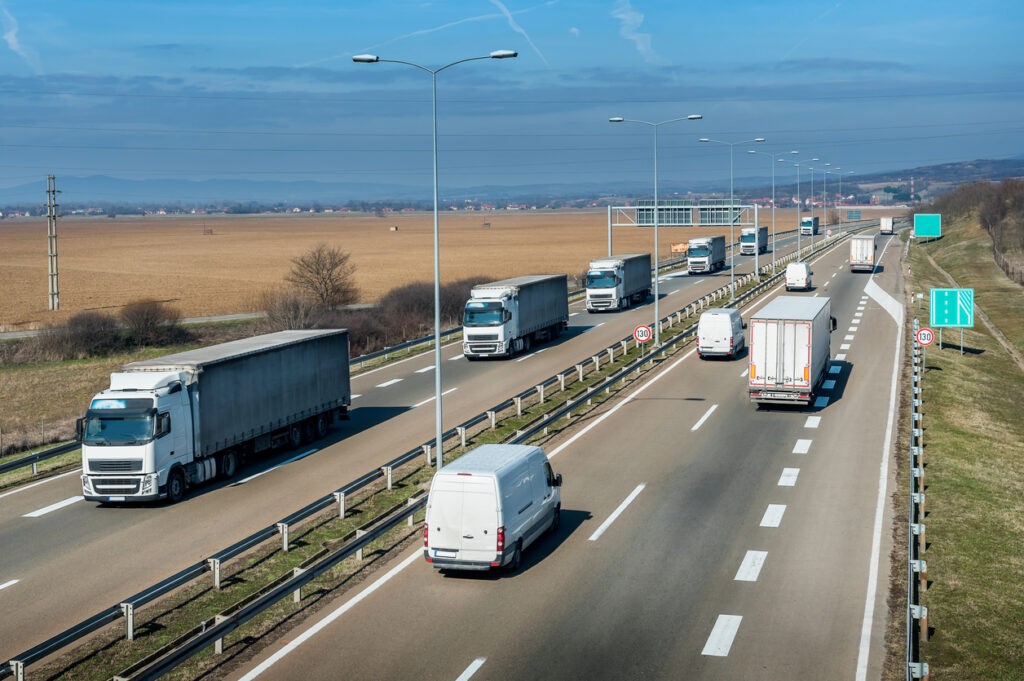
Freight transportation by road is the most popular and versatile type of shipping due to its mobility, flexibility, and accessibility. This sector is expected to undergo significant changes in Kazakhstan and other member states of the Eurasian Economic Union (EAEU) starting in 2025. However, industry experts warn that these changes could lead to domestic market losses for Kazakhstani participants. Starting January 1, 2025, transportation companies from EAEU member states will be allowed to carry out cabotage transportation -- shipment of goods between two places in the same country -- within Kazakhstan. This means that foreign carriers will be permitted to perform up to three domestic deliveries in the country following their international shipment. For example, a Russian truck delivering goods to Almaty may complete up to three cabotage shipments within Kazakhstan between cities over seven days on its return route. However, experts suggest this measure could lead to domestic international road carriers losing their market share to foreign operators from Russia and Belarus, who are currently limited by sanctions. According to Ivan Yanson, director of the representative office of the Union of International Road Carriers of the Republic of Kazakhstan in Astana, currently, Belarus has about 40,000 vehicles engaged in international freight transportation, and Russia has a similar number. Meanwhile, Kazakhstan's fleet consists of approximately 15,000 trucks. This discrepancy in fleet size is a key factor influencing competitiveness. Another critical issue is the average age of Kazakhstan’s fleet, which exceeds 20 years. However, high wear and tear and the need for modernization are hindered by the high cost of tractor-trailers, recycling fees, and registration charges, which are often unaffordable for Kazakhstani entrepreneurs. In light of this, local carriers have repeatedly proposed postponing the decision to open Kazakhstan’s market to cabotage. Meanwhile, the development of cabotage in EAEU countries is part of the Union's Transport Policy for 2024–2026. Lawmakers believe these measures aim to expand trade connections and attract new companies. They argue that cabotage liberalization will help reduce empty mileage for EAEU road carriers, thereby lowering freight transportation costs. Kazakhstan's Ministry of Transport also emphasizes that opening the cabotage market will not cause financial or other negative consequences for domestic businesses. According to Deputy Minister Maksat Kaliakparov, carriers will only be allowed to perform up to three consecutive domestic shipments within another EAEU member state using the same vehicle, ensuring equal access for all. Currently, Kazakhstan is conducting internal procedures to amend its road transport legislation to align with the phased liberalization program for cabotage freight transportation, which began on January 1. “These amendments to national legislation are expected to be adopted in the first half of this year,” stated a government representative. The anticipated outcomes include fostering competition in the road transport services market, modernizing the truck fleet, establishing uniform conditions and rules for freight transport services within the EAEU, improving vehicle efficiency for international freight transport, and reducing environmental impact by using modern vehicles. Nevertheless, the effects of these legislative changes cannot be fully assessed until they are...

Kyrgyzstan Aims to Integrate Cryptocurrencies with Licensed Crypto Banks

Kyrgyzstan’s Ministry of Economy and Commerce has submitted a draft law titled "On Amendments to Certain Legislative Acts of the Kyrgyz Republic in the Sphere of Virtual Assets" to the country’s parliament. The proposed legislation aims to establish licensed crypto banks to provide regulated banking services related to digital assets and cryptocurrencies. The Ministry emphasized the urgency of integrating crypto assets into Kyrgyzstan's financial system, citing the rapid growth of digital technologies and cryptocurrencies. In its commentary on the bill, the Ministry stated: “Given the rapid development of digital technologies and cryptocurrencies, the creation of a crypto bank is an urgent necessity for the integration of crypto assets into the traditional financial system of the country. A crypto bank will ensure safe, regulated, and convenient interaction of citizens and businesses with cryptocurrencies.” The Ministry identified several key goals for the proposed crypto bank: To legalize and regulate the cryptocurrency market by establishing clear rules and standards. To increase trust in crypto assets while ensuring the protection of users’ rights. To mitigate risks of fraud and unauthorized access to funds. The Ministry also highlighted the potential economic benefits of introducing a crypto bank. Legalizing cryptocurrency transactions would increase transaction volumes and boost tax revenues. Additionally, the initiative is expected to create new jobs in the fintech sector, positioning Kyrgyzstan as a regional hub for financial innovation. Kyrgyzstan already taxes cryptocurrency mining, with a rate of 10% applied to electricity costs for mining activities. This rate includes VAT and sales tax. From January to November 2024, Kyrgyzstan collected 46.6 million KGS (approximately $537,000) in cryptocurrency mining taxes, nearly half the total collected in 2023, according to the Ministry of Finance. While public interest in cryptocurrencies is growing among individuals and businesses in Kyrgyzstan, the market remains poorly regulated. The Ministry believes that a licensed crypto bank will address these challenges, increasing transparency, trust, and financial security. By adopting this legislation, Kyrgyzstan seeks to modernize its financial system and embrace emerging opportunities in the digital economy.

Uzbekistan Introduces New Rules for E-Commerce Platforms

The Cabinet of Ministers of Uzbekistan has issued a new decision titled “On Measures to Further Develop the E-Commerce Sector in Uzbekistan”, introducing updated regulations for e-commerce operators, including electronic trading platforms, order aggregators, and digital streaming service providers. Under the new regulations, only legal entities registered as residents of Uzbekistan can operate as e-commerce providers. This includes platforms that facilitate electronic transactions, such as marketplaces, aggregators, and streaming services. Entities or individual entrepreneurs that merely provide information about goods, services, or digital products without engaging in electronic contracts or transactions are not classified as e-commerce operators under these rules. From July 1, 2025, e-commerce operators in Uzbekistan must adhere to the following conditions: Legal Registration: Operators must be registered as legal entities in Uzbekistan. Compliance with Laws: Operators are required to follow legislation related to e-commerce, personal data protection, copyright, consumer rights, and advertising. Transparency: Upon request, they must provide information about their activities to authorized bodies free of charge. Retail Trade Rules: Operators must comply with retail trade regulations. Operational Standards: They must maintain an information system capable of ensuring the effective provision of services to e-commerce participants. These new measures are part of Uzbekistan’s broader efforts to regulate and encourage growth in its rapidly expanding e-commerce sector. Meanwhile, The Times of Central Asia previously reported that Russian e-commerce giant Wildberries is planning to enter the Tajikistan and Turkmenistan markets. Wildberries currently operates in Uzbekistan, Kyrgyzstan, Belarus, Kazakhstan, and Russia, offering a wide range of products, including clothing, footwear, electronics, and home furnishings. By setting clear rules for e-commerce operators, Uzbekistan aims to create a more structured and reliable digital marketplace, ensuring transparency, consumer protection, and compliance with international standards.

Kyrgyzstan Boosts Energy Capacity with Hydropower Plant Upgrade

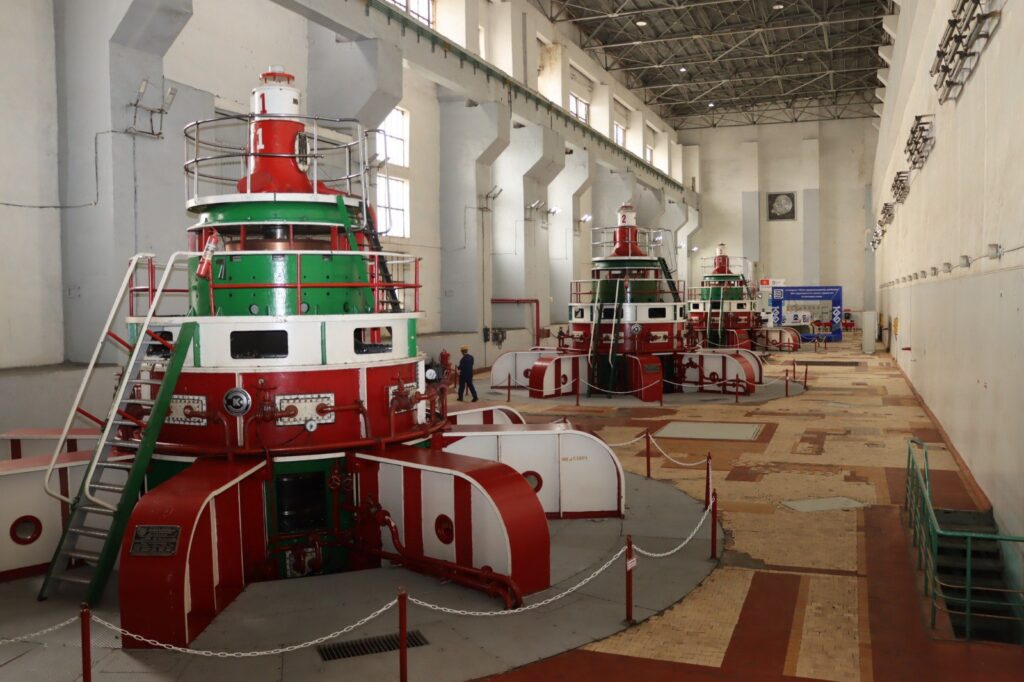
On December 30, Kyrgyzstan marked a significant milestone by commissioning the modernized hydroelectric generating unit No. 4 at the Uch-Kurgan Hydropower Plant (HPP). This upgrade is a critical step in addressing the country’s chronic electricity shortages, particularly acute during the harsh winter months. The modernization increased the generating capacity of unit No. 4 by 20%. The project, which began in March 2024, was implemented by the China National Electric Engineering Company (CNEEC). Work on hydroelectric generating unit No. 3 is scheduled to begin in 2025. Upon completion of the overall modernization project, the operational lifespan of the Uch-Kurgan HPP will be extended by 25–30 years. The Uch-Kurgan HPP, situated on the Naryn River near Shamaldy-Sai in the Jalal-Abad region, plays a vital role in Kyrgyzstan’s energy supply. Its reservoir has a total capacity of 52.5 million cubic meters. Before reconstruction, the plant's total capacity stood at 180 MW, with four hydroelectric units producing 45 MW each. Operating since 1962, the plant had not undergone any major upgrades until now. Kyrgyzstan is actively upgrading its hydropower infrastructure to enhance energy production. On November 19, 2024, the country launched the modernized hydroelectric generating unit No. 1 at the Toktogul HPP, its largest power facility. The upgrade increased the unit’s capacity by 60 MW, raising the Toktogul HPP’s total capacity to 1,260 MW from its previous 1,200 MW. The Toktogul HPP currently provides approximately 40% of Kyrgyzstan's electricity. In addition to modernization projects, Kyrgyzstan is constructing the flagship Kambarata-1 Hydropower Plant, which will have a projected capacity of 1,860 MW and an average annual generation of 5.6 billion kilowatt-hours. Upon completion, Kambarata-1 will become the country’s largest hydropower plant and is expected to eliminate Kyrgyzstan's electricity shortages. These developments reflect the country’s commitment to expanding its energy capacity, ensuring sustainable power supplies, and meeting the growing demands of its population and industries.