• KGS/USD = 0.01144 0%
  • KZT/USD = 0.00211 0%
  • TJS/USD = 0.10460 0.19%
  • UZS/USD = 0.00008 0%
  • TMT/USD = 0.28490 0%
  • KGS/USD = 0.01144 0%
  • KZT/USD = 0.00211 0%
  • TJS/USD = 0.10460 0.19%
  • UZS/USD = 0.00008 0%
  • TMT/USD = 0.28490 0%
  • KGS/USD = 0.01144 0%
  • KZT/USD = 0.00211 0%
  • TJS/USD = 0.10460 0.19%
  • UZS/USD = 0.00008 0%
  • TMT/USD = 0.28490 0%
  • KGS/USD = 0.01144 0%
  • KZT/USD = 0.00211 0%
  • TJS/USD = 0.10460 0.19%
  • UZS/USD = 0.00008 0%
  • TMT/USD = 0.28490 0%
  • KGS/USD = 0.01144 0%
  • KZT/USD = 0.00211 0%
  • TJS/USD = 0.10460 0.19%
  • UZS/USD = 0.00008 0%
  • TMT/USD = 0.28490 0%
  • KGS/USD = 0.01144 0%
  • KZT/USD = 0.00211 0%
  • TJS/USD = 0.10460 0.19%
  • UZS/USD = 0.00008 0%
  • TMT/USD = 0.28490 0%
  • KGS/USD = 0.01144 0%
  • KZT/USD = 0.00211 0%
  • TJS/USD = 0.10460 0.19%
  • UZS/USD = 0.00008 0%
  • TMT/USD = 0.28490 0%
  • KGS/USD = 0.01144 0%
  • KZT/USD = 0.00211 0%
  • TJS/USD = 0.10460 0.19%
  • UZS/USD = 0.00008 0%
  • TMT/USD = 0.28490 0%

Viewing results 1387 - 1392 of 3175

IMF: Uzbekistan’s Economy Is Growing, but Reforms and Stability Are Key

The International Monetary Fund (IMF) says the forecasts for Uzbekistan's economy are optimistic. The economy continues to grow actively; however, risks and opportunities remain. Maintaining macroeconomic stability and continuing to implement structural reforms is necessary to sustain high growth rates, restore buffer stocks, and protect against external shocks. The economy grew by 6.4% in the first half of 2024 compared to the same period last year. Due to an increase in energy prices in early May, overall inflation increased from 8% at the end of April to around 10.5% recently. The underlying inflation rate rose more moderately, reaching 7% in August, up by one percentage point since June. Remittances increased by 32% in the first seven months of 2024, and international reserves are still substantial, covering 9.5 months of imports as of August. Economic growth is expected to stay above 5.5% this year and next, driven by strong investments and reforms. Inflation is predicted to gradually decline due to tighter monetary and fiscal policies and the fading impact of energy price hikes. The current account deficit is expected to decrease to 6.25% of GDP in 2024 and 6.1% in 2025, supported by strong exports, remittances, and fewer large machinery imports. Risks include regional challenges, fluctuating commodity prices, a possible global slowdown, and issues with state-owned enterprises or partnerships. Opportunities may come from increased financial flows, remittances, and higher gold prices. The impact of energy price hikes in May 2024 and wage increases in September-October 2024 could lead to higher inflation. Experts recommend that the Central Bank of Uzbekistan keep interest rates high until there is clear evidence of inflation decreasing. The bank should also be prepared to raise rates further if inflation rises more than expected.


Scientists in Turkmenistan Develop Lactose Gel for Skin Rejuvenation

Turkmen biotechnologists from the Academy of Sciences of Turkmenistan have developed an innovative lactose gel designed to rejuvenate and correct age-related skin changes. The State Service for Intellectual Property has officially recognized this technology and issued the relevant patent. The gel, based on milk whey, is used in dermatology and cosmetology. Its key task is to improve skin condition by restoring water and protein balance. Low-frequency ultra phonophoresis allows deep penetration of amino acid molecules, which contributes to cell recovery, improves cell nutrition and moisturizing, and stimulates the regeneration process. The basis of development is milk whey, which contains about 50% of the components important for maintaining skin health, such as proteins, lactose, vitamins, and minerals. These components are actively used in various industries, including cosmetics, due to their high biological value and unique physical and chemical properties. The head of the Academy's biotechnology department, Altyn Rakhmanova, emphasized that using whey in bionanotechnology is not only an effective way to create useful products but also an environmentally friendly approach. It is based on waste-free production, which minimizes the negative impact on the environment while increasing the value of the resulting products. Thus, this development demonstrates an innovative approach in the cosmetics industry, maximizing the benefits of natural resources and creating compelling products for the skin, providing comprehensive rejuvenation and restoration. Other developments in Turkmen science have been reported in recent weeks. Scientists have also developed a therapeutic ointment made of a widespread tree species in the country - maklura. The drug reduces inflammatory processes and helps to tighten wounds. In addition, scientists in Turkmenistan have developed a cream based on oil from silkworm cocoons, which is used in cosmetology. Before that, Turkmen scientists presented crackers made of camel thorn extract.

PayPal Set for Integration in Uzbekistan Pending Central Bank Talks

PayPal, Alipay, UniPay, Apple Pay, and Google Pay can be integrated into Uzbekistan. By the end of this year, the Central Bank of Uzbekistan will negotiate with these international online payment companies and take measures to connect them to payment systems and banking services in Uzbekistan. Uzbekistan is the only country in Central Asia not connected to PayPal. Uzbeks who need PayPal use detours—they register through other countries, such as Kazakhstan. However, this is inconvenient and requires using the system's limited capabilities. Also, some people use this online payment system to use other toll-free numbers on the internet, even though it is unsafe. In 2021, PayPal announced that it has no plans to enter the Uzbekistan market. Independent programmers and freelancers in Uzbekistan use electronic platforms to sell their software and products to foreign customers. However, payments can only be made through the PayPal payment system on some specialized platforms, particularly Upwork, Fiverr, Envato, Storyblocks, and similar token sale systems.

South Korea to Help Build Dry Ports in Uzbekistan’s Syrdarya and Jizzakh Regions

The Ministry of Transport of Uzbekistan announced on October 2 that it had signed a Framework Agreement with the Port Investment Department of the Ministry of Oceans and Fisheries of South Korea to jointly develop a feasibility study for the construction of dry ports and terminals in Uzbekistan’s Syrdarya and Jizzakh regions. According to the Uzbek ministry, the project will help improve the country's transport and logistics infrastructure. Creating inland terminals will be an important step towards increasing Uzbekistan's logistics independence and strengthening its role as the main logistics hub in Central Asia. The project is expected to significantly improve the country’s transport infrastructure and attract new investments to the Syrdarya and Jizzakh regions, supporting the goals of the "Development Strategy of New Uzbekistan for 2022-2026." The project is scheduled for completion in September 2025. As one of only two double-landlocked countries in the world (the other being Liechtenstein), Uzbekistan has to ship its exports over long distances through other landlocked countries — Kazakhstan, Kyrgyzstan, Tajikistan, Turkmenistan, and Afghanistan. In recent years, the government of Uzbekistan has made substantial progress in improving existing international transport corridors running through the country and in developing new corridors that will allow Uzbekistan to access the markets of the Eurasian Economic Union and European countries, Iran, Turkey, Afghanistan, Pakistan, India, and China.

Uzbekistan and South Korea Increase Flights Between Countries

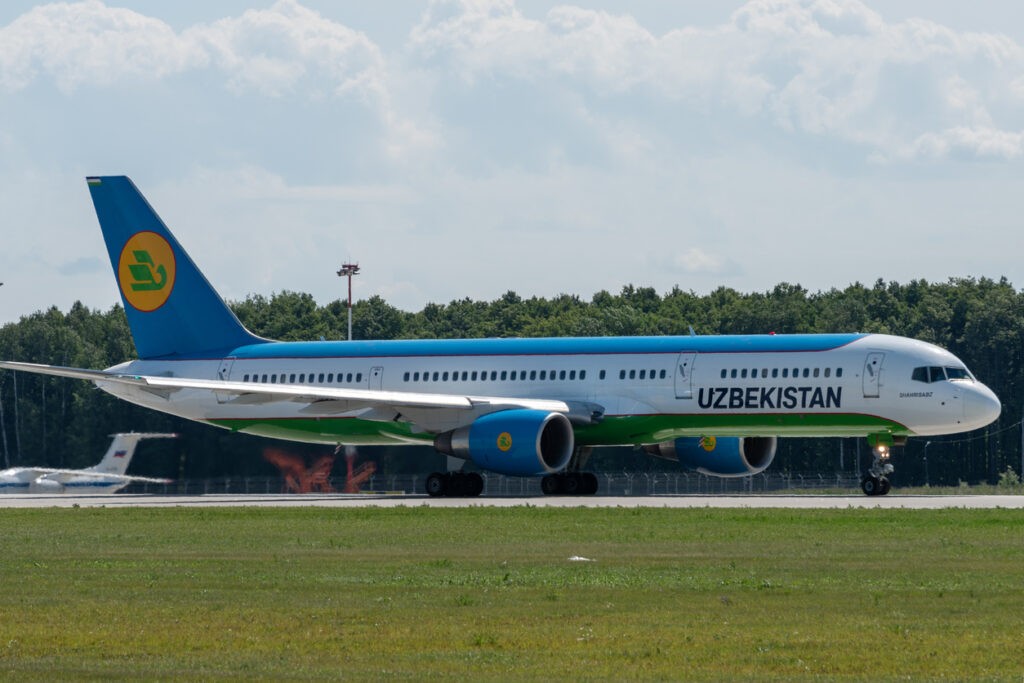
During talks in Seoul this week, Uzbekistan’s Ministry of Transport and South Korea’s civil aviation authority reached agreements to increase the number of regular flights between Uzbekistan and South Korea from the current 10 to 24 per week for airlines of each country, raising the total weekly number of flights to 48. According to the Uzbek ministry, airlines of both countries will operate up to 12 weekly flights between Tashkent and Seoul and up to four flights from South Korea’s regions to Tashkent. Up to four flights per week will be performed from Uzbekistan’s regions to Seoul, and there will be up to four weekly flights between Uzbekistan's regions and other South Korean cities. An agreement was also reached on the bilateral use of the Open Skies regime at the international airport of Jeju, the second-largest airport in South Korea, and Uzbekistan’s Samarkand airport for airlines of both countries. From the Uzbek side, flights between the two countries will be operated by the national air carrier, Uzbekistan Airways, and new airlines created by Uzbekistan — Qanot Sharq, My Freighter, and Air Samarkand. According to the Uzbek ministry, these agreements will help develop trade and economic relations between the two countries, increase bilateral passenger and cargo turnover, and attract Korean tourists to the historical cities of Uzbekistan. The Times of Central Asia earlier reported that South Korea is one of the most popular destinations for Uzbeks, both for work and studies. The Uzbeks occupy fifth place by size of the foreign diaspora in the country and number more than 69,000. In recent years, the government of Uzbekistan has established regulations for legal and safe labor migration to South Korea. At the start of 2024, the government announced its intention to attract 100,000 Uzbeks to work in South Korea.

Kyrgyz Prime Minister: Labor Migrants From EAEU Should Not Be Discriminated Against on Territory of the Union

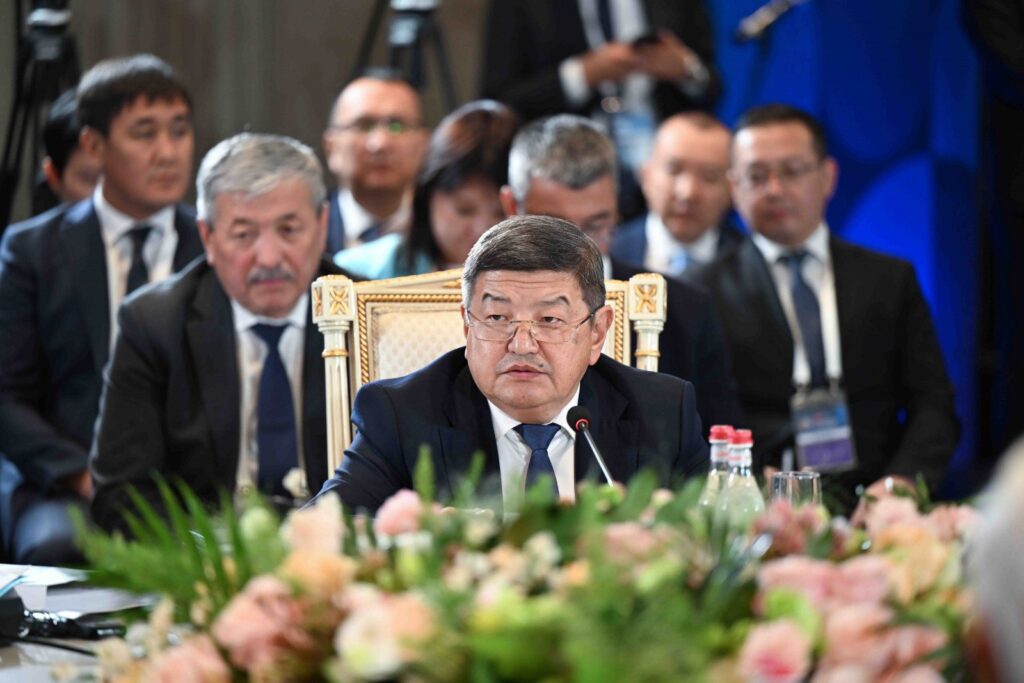
Speaking at a meeting of the Eurasian Intergovernmental Council in Yerevan, Kyrgyz Prime Minister Akylbek Japarov said that tightening migration laws should not apply to citizens from EAEU countries. According to Akylbek Japarov, increasing trade between EAEU countries and developing cooperative ties is the basis for sustainable economic growth. However, the main participants in any integration are people, so the attitude toward the citizens of the EAEU countries in any state of the Union should be the same. “Such a level of integration has been reached, when business and citizens of member states understand and deeply believe in the unity of the economic union (EAEU), and respectively require the same attitude to themselves being on the territory of any of the EAEU countries,” said the head of the Cabinet. Therefore, according to Japarov, the leadership of the EAEU countries should pay special attention when tightening migration legislation and adjust their attitudes toward migrants from union countries. Following the terrorist attack on the Crocus City Hall near Moscow, the Russian authorities significantly tightened migration legislation. Thousands of citizens, mainly from Tajikistan and Uzbekistan, were subjected to forced deportation. The restrictions also affected Kyrgyz citizens, although the country is a member of the EAEU. “We proceed from the fact that legislative initiatives should not contradict the norms of the EAEU treaty; that is, they should not apply to our working citizens and members of their families. Both in the documents initiated by state structures and in the public space, it is necessary to separate the rights of citizens of the EAEU countries from those of countries that are not part of it,” Japarov emphasized. According to official data, about half a million Kyrgyz citizens work in Russia. The unofficial figure may be two or three times higher.