• KGS/USD = 0.01144 0%
  • KZT/USD = 0.00213 0%
  • TJS/USD = 0.10456 0.19%
  • UZS/USD = 0.00008 0%
  • TMT/USD = 0.28490 0%
  • KGS/USD = 0.01144 0%
  • KZT/USD = 0.00213 0%
  • TJS/USD = 0.10456 0.19%
  • UZS/USD = 0.00008 0%
  • TMT/USD = 0.28490 0%
  • KGS/USD = 0.01144 0%
  • KZT/USD = 0.00213 0%
  • TJS/USD = 0.10456 0.19%
  • UZS/USD = 0.00008 0%
  • TMT/USD = 0.28490 0%
  • KGS/USD = 0.01144 0%
  • KZT/USD = 0.00213 0%
  • TJS/USD = 0.10456 0.19%
  • UZS/USD = 0.00008 0%
  • TMT/USD = 0.28490 0%
  • KGS/USD = 0.01144 0%
  • KZT/USD = 0.00213 0%
  • TJS/USD = 0.10456 0.19%
  • UZS/USD = 0.00008 0%
  • TMT/USD = 0.28490 0%
  • KGS/USD = 0.01144 0%
  • KZT/USD = 0.00213 0%
  • TJS/USD = 0.10456 0.19%
  • UZS/USD = 0.00008 0%
  • TMT/USD = 0.28490 0%
  • KGS/USD = 0.01144 0%
  • KZT/USD = 0.00213 0%
  • TJS/USD = 0.10456 0.19%
  • UZS/USD = 0.00008 0%
  • TMT/USD = 0.28490 0%
  • KGS/USD = 0.01144 0%
  • KZT/USD = 0.00213 0%
  • TJS/USD = 0.10456 0.19%
  • UZS/USD = 0.00008 0%
  • TMT/USD = 0.28490 0%

Viewing results 121 - 126 of 5578

Calls and Meetings: Central Asia’s Diplomats Seek Balance in Mideast War

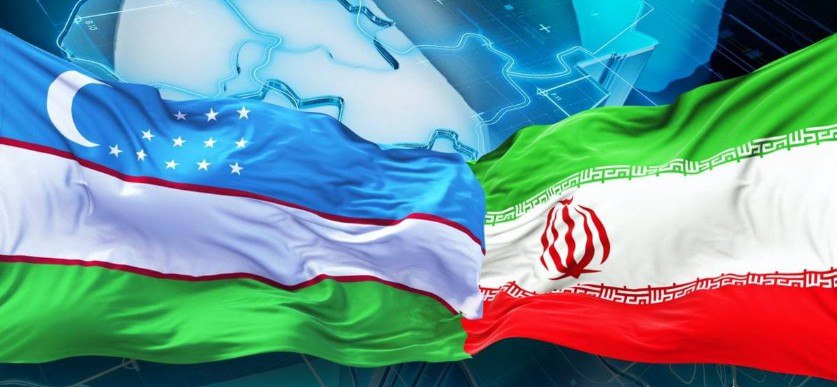
Central Asian countries are being careful not to criticize any actors during the Mideast war, maintaining ties with the Iranian government while expressing support for Gulf Arab countries that have been targeted by Iranian missiles and drones. The diplomacy on both sides of a war that began with U.S. and Israeli air strikes on Iran reflects a longstanding approach in Central Asia, where leaders have sought to project neutrality and maintain amicable relations with major powers including Russia, China and the United States. Increasingly, those leaders are taking coordinated positions on conflicts such as the one now convulsing the Mideast region, partly in order to preserve trade routes and strengthen a call for regional stability. It all means that Central Asian diplomats are busy these days. A lot of calls and meetings. Alibek Bakaev, Kazakhstan’s deputy foreign minister, discussed the situation in the Middle East with Iranian ambassador Ali Akbar Joukar in Astana on Wednesday. The two sides “reaffirmed their commitment to the implementation of the agreements reached following high-level negotiations,” the Kazakh government said, in an apparent reference to deals, probably related to trade, that were made before the massive strikes on Iran and ensuing upheaval that could affect the global economy. Like Kazakhstan, Uzbekistan has reached out to Gulf Arab countries during the crisis and thanked them for helping with the evacuation of Central Asian nationals, including Muslim pilgrims. On Wednesday, Uzbek President Shavkat Mirziyoyev spoke to Qatari Emir Sheikh Tamim bin Hamad Al Thani about the importance of bringing the war to a quick end, Uzbekistan’s Ministry of Foreign Affairs said. “Deep concern was expressed over unacceptable actions that exacerbate divisions within the Muslim ummah during the holy month of Ramadan,” said the ministry, without specifying who was responsible for the “unacceptable actions.” Just a day earlier, Foreign Minister Bakhtiyor Saidov of Uzbekistan spoke by telephone to his Iranian counterpart, Seyed Abbas Araghchi. Saidov expressed condolences over the loss of civilian lives in the war and the pair agreed on the need for dialogue. Among Central Asian countries, Uzbekistan and Kazakhstan in particular have been growing closer to the United States, signing trade deals and joining President Donald Trump’s Board of Peace initiative. Trump has described the Iranian leadership as “a vicious group of very hard, terrible people.” Nations in Central Asia aren’t the only ones looking for a balance in the current crisis. China, which relies heavily on Iranian oil but also values its ties to the wealthy Gulf Arab states, has called for an end to the war. Russia, which has received help from Iran for its war in Ukraine, has condemned the strikes, but Moscow has been developing ties with the Gulf states as well. Among traditional U.S. allies, Canadian Prime Minister Mark Carney has said he supports the strikes in Iran “with regret” because they reflect a further breakdown of the international order, even though Iran is a threat. French President Emmanuel Macron has expressed similar concerns about the strikes, while denouncing the...
South Korea Supports Kyrgyzstan’s Transition to Electric Transport

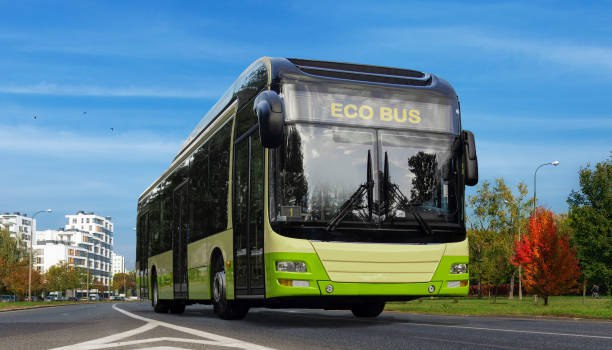
South Korea is expanding support for Kyrgyzstan’s transition to electric mobility through new investments in charging infrastructure and the electrification of government vehicles. Blue Networks Co., Ltd., a South Korean company specializing in electric vehicle (EV) charging infrastructure that has installed more than 3,500 charging stations in South Korea, plans to install 300 EV charging stations across Kyrgyzstan by July 2026. The initiative was discussed during a March 3 meeting between Kyrgyz Energy Minister Taalaibek Ibraev and representatives of Blue Networks. Cooperation between Kyrgyzstan and Blue Networks began in 2024, when the state-owned energy company Chakan HPP and the South Korean firm signed a memorandum on the joint development and operation of EV charging stations. In 2025, the partners signed a framework agreement to establish a manufacturing facility in Kyrgyzstan to assemble EV charging stations. As part of the agreement, a joint venture has already been established, and the launch of the assembly plant is scheduled for April 2026. Digitalization was also a key topic during the meeting. Blue Networks said it is developing software to manage EV charging infrastructure and agreed to provide Kyrgyzstan’s Ministry of Energy with access to the system to ensure transparency, monitoring, and efficient management of the future charging network. The initiative forms part of broader support from South Korea for Kyrgyzstan’s transition to electric mobility. On March 3, the Korea International Cooperation Agency (KOICA) handed over electric vehicles under the project “Electric Vehicle Transition Project for Public Service Fleet to Realize Green Mobility in the Kyrgyz Republic.” The ceremony was attended by Kyrgyz Deputy Minister of Economy and Commerce Mederbek Tumanov, South Korean Ambassador to Kyrgyzstan Kim Kwangjae, KOICA Country Director Lim Soyeon, and representatives of participating government institutions. According to the KOICA Kyrgyzstan office, ten electric SUVs will be distributed among key government institutions during the first phase of the project. The initiative, which runs from 2024 to 2027 with a budget of about $11 million, aims to reduce greenhouse gas emissions and support the adoption of electric vehicles in the public sector through the provision of vehicles, charging infrastructure, and training programs. These initiatives align with the Kyrgyz government’s strategy to promote environmentally friendly transport and reduce air pollution in Bishkek and other major cities. The number of electric vehicles in Kyrgyzstan has been steadily increasing. According to First Deputy Prime Minister Daniyar Amangeldiev, more than 200 electric vehicles are imported into the country daily under a VAT exemption scheme. As a member of the Eurasian Economic Union (EAEU), Kyrgyzstan also benefits from an annual quota allowing the duty-free import of up to 15,000 electric vehicles. Despite this rapid growth, electric vehicles still represent a small share of the national vehicle fleet. According to the Ministry of Natural Resources, Ecology, and Technical Supervision, Kyrgyzstan had more than 1.9 million registered vehicles as of early 2026, a 13% increase compared with 2024. Of these vehicles, 972,000 run on gasoline, 339,000 on diesel, 56,900 on gas, and 37,000 are hybrids. Electric vehicles account for...

Kazakh Startup Defect AI Accepted into StartX Accelerator at Stanford University

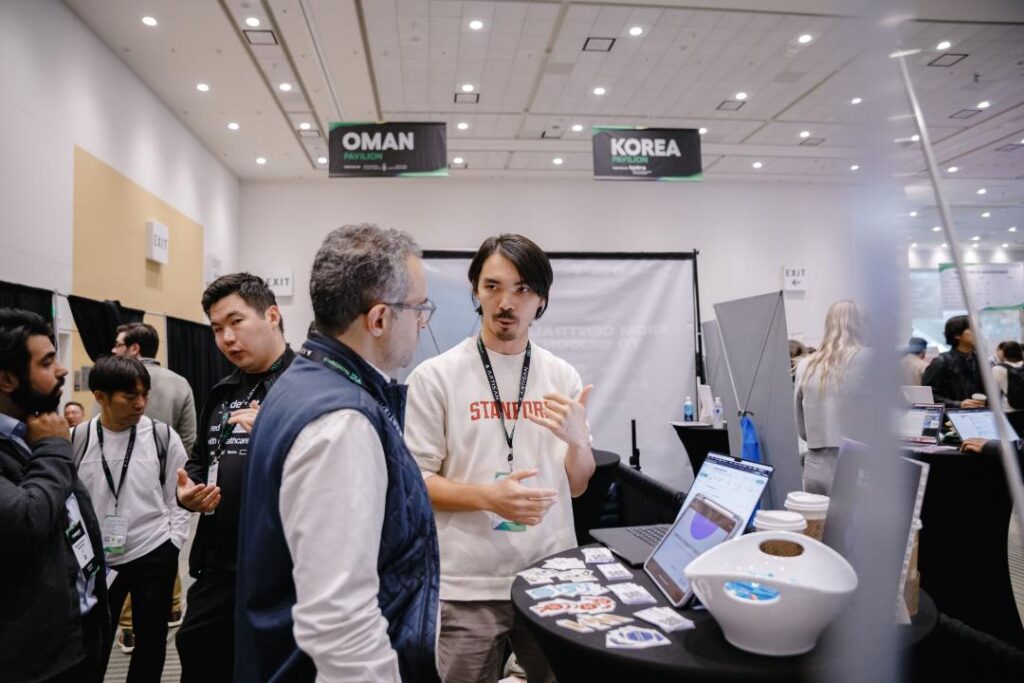
Kazakhstan-based startup Defect AI, part of the Astana Hub ecosystem, has been selected for the spring 2026 cohort of the StartX accelerator at Stanford University. The program is considered one of the most competitive in Silicon Valley and brings together promising technology projects from around the world. The platform developed by the startup uses artificial intelligence to analyze medical documentation. According to the developers, the algorithm can reduce the time spent on manual document verification by up to 95%. The service is designed to help medical organizations comply with regulatory requirements and standards while reducing the administrative burden on doctors. The product is positioned as an AI assistant that structures documentation and processes large volumes of medical data without requiring additional staff. The startup operates internationally under the brand name Rette, derived from the Kazakh word “retteu,” meaning “to put in order.” Experience gained from implementing the technology in Kazakhstan allowed the team to test the product in a real healthcare system. However, the company’s main strategic focus is now shifting to the U.S. market. The Defect AI team operates globally, with key employees based in Kazakhstan, the U.S., Japan, the United Kingdom, and Germany. The team includes specialists with experience at Meta, Google, and Microsoft. Through its participation in the StartX program, the startup has formed an advisory board that includes practicing doctors and medical technology investors. Co-founder Sanzhar Myrzagalym said the road to the accelerator was a long one. The team applied four times before being accepted into the program.

Dushanbe and London Agree on Cooperation on Critical Minerals

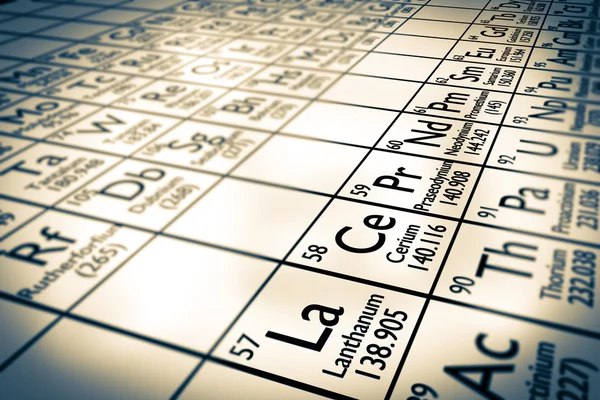
The Tajik government has approved a draft memorandum of understanding with the United Kingdom on cooperation in the field of critical minerals. The agreement is expected to be concluded between Tajikistan’s Ministry of Industry and New Technologies and the UK government. The draft memorandum emphasizes the strategic importance of critical minerals for the global economy. These resources are essential for industrial development, advanced technologies, and the transition to low-carbon energy systems. The document notes that sustainable and transparent supply chains for such minerals are crucial for economic security. The market for these resources remains vulnerable due to the high concentration of production in a limited number of countries and the risk of supply disruptions. Cooperation between Tajikistan and the UK aims to diversify supply sources and promote the development of more sustainable international supply chains for the extraction and processing of raw materials. The parties also intend to implement high sustainable development standards throughout project lifecycles, including environmental, social, and governance (ESG) principles. The memorandum also includes the possibility of export credit and project insurance, subject to certain conditions. In addition to business cooperation, the agreement provides for the development of scientific and educational initiatives. In particular, the following measures are planned: the creation of academic partnerships; the exchange of experience between research institutes; strengthening the institutional capacity of the mining sector. A joint working group on critical minerals will be established to coordinate cooperation, with meetings planned twice a year. The memorandum will be valid for five years, with the possibility of automatic renewal. Tajikistan has significant reserves of several strategic resources. According to geologists, there are indications of lithium deposits in the country, a key metal used in the production of electric vehicle batteries and electronics. Rare earth elements have also been identified, including potential deposits of cerium and praseodymium, which are used in electronics and renewable energy technologies. In addition, the country has reserves of niobium and tantalum.

UK and Kyrgyzstan Expand Financial Cooperation

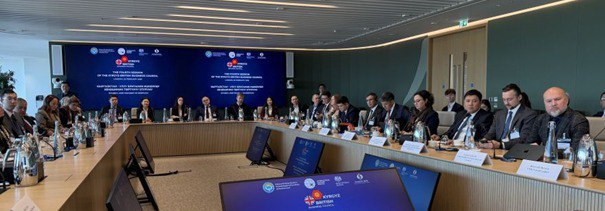
The Kyrgyz Republic Capital Markets Day was held in London, where representatives of the UK financial and investment community met with Kyrgyz officials to discuss prospects for expanding banking and investment cooperation. The Kyrgyz delegation was led by Deputy Minister of Economy and Commerce Mederbek Tumanov. During his working visit to London, Tumanov held meetings with representatives of the investment banks Oppenheimer and Citi, presenting Kyrgyzstan’s macroeconomic indicators for recent years and outlining the country’s fiscal policy and structural reforms. According to the Ministry of Economy and Commerce, Kyrgyzstan aims to improve its sovereign credit rating, which would facilitate the country’s access to international capital markets. During the discussions, particular attention was given to creating a predictable regulatory environment for investors. The Kyrgyz government also seeks to reduce the cost of external borrowing and strengthen the confidence of international investors. During the visit, the Kyrgyz delegation met with business representatives, including DG and Bankinvest, to discuss opportunities for attracting British private capital to key sectors of the Kyrgyz economy. According to the Kyrgyz Ministry of Economy, the British delegates expressed interest in expanding investment cooperation. Tumanov also participated in a meeting of the Kyrgyz-British Business Council, where participants discussed prospects for bilateral investment and the promotion of Kyrgyzstan’s economic priorities in the British market. During the event, the Kyrgyz representatives presented a number of potential investment projects to British investors, including initiatives related to the development of critical minerals, financial market development, and closer banking cooperation. According to Kyrgyz authorities, the interest shown by British businesses reflects growing international investor attention to Kyrgyzstan and the wider Central Asian region.

Middle East Conflict May Slow Growth, but Gold and Oil Dynamics Could Cushion Impact

The escalating conflict in the Middle East could weigh on Uzbekistan’s economic growth if it persists, though higher gold prices and oil-driven gains in key partner economies may soften the impact, according to Uzbek economist Mirkomil Kholboyev. Kholboyev shared his analysis on his Telegram channel, examining both the direct and indirect channels through which the crisis could affect Central Asia’s largest economy. “Several days of geopolitical tensions in the Middle East have already turned into open military confrontation,” he wrote. “It is still difficult to say how long this situation will last. If it is short-term and the previous status quo is restored, the impact on our economy will likely be limited and temporary. But if the war continues for a longer period, the consequences could be more significant.” Direct trade exposure appears limited. According to data from Uzbekistan’s national statistics portal, the country exported $157 million worth of goods to Iran in 2025, accounting for just 0.5% of total exports. Imports from Iran totaled $421 million, or 0.9% of overall imports. Trade with Israel was even smaller, with exports of $33 million and imports of $22 million. “Even a complete halt in trade with these countries would not significantly affect total exports,” Kholboyev wrote, though he noted that export and import growth could slow. Iran also plays a role as a transit hub. Its ports are part of broader regional logistics networks, including the Central Asia-India corridor via Chabahar and the International North-South Transport Corridor (INSTC). According to a regional analytical report, Uzbekistan accounts for 5.5% of total traffic along this route, compared with 61.1% for Kazakhstan and 29.4% for Turkmenistan. Kholboyev pointed out that while some of Uzbekistan’s trade passes through Iranian ports, the country is less dependent on them than other Central Asian countries. Still, he cautioned that prolonged fighting would inevitably disrupt both direct trade and transit flows. “I do not have precise data on how much of our total foreign trade passes specifically through Iranian ports,” he wrote. “That makes it difficult to assess the full effect. But if the war continues, both direct trade and transit through Iran will suffer serious damage.” Even if trade with the wider region, including Iran and other countries affected by hostilities, were to stop entirely, Kholboyev estimates the impact would remain moderate. The region accounts for about 2.4% of Uzbekistan’s exports and 1.5% of imports. A complete halt could slow export growth by roughly 3% and imports by about 2.5%, reducing overall GDP growth by around 0.6 percentage points. A 50% reduction in trade with the region would shave an estimated 0.2-0.3 percentage points off GDP growth. Energy markets represent a more significant risk channel. As trading resumed after the latest escalation, global oil prices rose by about 9%, driven by concerns over potential disruptions in the Strait of Hormuz, through which roughly one-fifth of global oil consumption passes. “If tensions escalate further and oil flows are restricted, or if prices continue rising amid uncertainty, this could slow...