• KGS/USD = 0.01144 0%
  • KZT/USD = 0.00209 0%
  • TJS/USD = 0.10429 0.1%
  • UZS/USD = 0.00008 0%
  • TMT/USD = 0.28530 0%
  • KGS/USD = 0.01144 0%
  • KZT/USD = 0.00209 0%
  • TJS/USD = 0.10429 0.1%
  • UZS/USD = 0.00008 0%
  • TMT/USD = 0.28530 0%
  • KGS/USD = 0.01144 0%
  • KZT/USD = 0.00209 0%
  • TJS/USD = 0.10429 0.1%
  • UZS/USD = 0.00008 0%
  • TMT/USD = 0.28530 0%
  • KGS/USD = 0.01144 0%
  • KZT/USD = 0.00209 0%
  • TJS/USD = 0.10429 0.1%
  • UZS/USD = 0.00008 0%
  • TMT/USD = 0.28530 0%
  • KGS/USD = 0.01144 0%
  • KZT/USD = 0.00209 0%
  • TJS/USD = 0.10429 0.1%
  • UZS/USD = 0.00008 0%
  • TMT/USD = 0.28530 0%
  • KGS/USD = 0.01144 0%
  • KZT/USD = 0.00209 0%
  • TJS/USD = 0.10429 0.1%
  • UZS/USD = 0.00008 0%
  • TMT/USD = 0.28530 0%
  • KGS/USD = 0.01144 0%
  • KZT/USD = 0.00209 0%
  • TJS/USD = 0.10429 0.1%
  • UZS/USD = 0.00008 0%
  • TMT/USD = 0.28530 0%
  • KGS/USD = 0.01144 0%
  • KZT/USD = 0.00209 0%
  • TJS/USD = 0.10429 0.1%
  • UZS/USD = 0.00008 0%
  • TMT/USD = 0.28530 0%

Viewing results 19 - 24 of 71

Uzbekistan’s Pharma Pivot: Strategic Gains or Growing Dependence on China

Since 2016, Uzbekistan has steadily deepened its partnership with China across multiple sectors. Energy, infrastructure, agriculture, and the digital economy have long been the pillars of this cooperation. Yet recent discussions showed that the pharmaceutical sector will be another critical area for cooperation in the long term. Much like renewable energy and critical minerals, the pharmaceutical sector is now viewed in Tashkent as a strategic domain where Chinese expertise and investment could accelerate development and add value to the domestic economy. The Compelling Logic of Partnership China's strength lies in its ability to produce high-quality, affordable medicines and distribute them globally at scale. For Uzbekistan - whose growing population and rising demand for advanced healthcare have placed pressure on its system - this makes China a natural partner. At present, the Uzbek pharmaceutical market remains heavily import-dependent: by the end of 2024, imported drugs accounted for 87% of retail sales in monetary terms and 63% in physical volume. This reliance not only exposes vulnerabilities but also highlights the untapped potential for local production. Recognizing this, Tashkent has moved to create favorable conditions for investment. The country has established specialized pharmaceutical Special Economic Zones (SEZ) such as Parkent-Pharm and Andijan-Pharm. These SEZs offer investors an attractive package of incentives, from exemptions on customs duties and VAT for raw materials and equipment, to a 20% preference in government procurement for local products. Such regulatory incentives, combined with a growing domestic market, have already begun to draw interest from Chinese pharmaceutical firms. Strategic Priorities Recently, Uzbekistan has signed a series of memorandums of understanding with Chinese firms such as Zhendong Health Industry, Guojo Medical Technology, and Langtian Pharma Group, signaling a stronger bilateral focus on the pharmaceutical sector. These agreements align closely with Uzbekistan’s strategic goal of building a robust domestic pharmaceutical industry with an emphasis on access to capital and technology, localization, and human capital development. One of Uzbekistan’s key priorities is securing access to capital and expertise. Without investment and collaboration with experienced companies, the state cannot establish modern laboratories and production facilities. In this regard, the Uzbek company, Ozwell, has signed an MoU with Zhendong Health Industry Group to jointly implement a modern pharmaceutical laboratory. The partnership involves a total investment of $9.5 million, with $4.5 million allocated toward creating a world-class laboratory facility and $5 million designated for establishing and scaling up a production complex. This agreement reflects Tashkent’s desire to tap into Chinese technical knowledge and experience, while simultaneously building domestic capacity and developing local talent in the long term. Another critical priority is the localization of drug production. By reducing dependency on imports, Uzbekistan is aiming to strengthen supply chain resilience, meet domestic demand, and create new opportunities for regional exports. In this regard, the MoU established with Langtian Pharma Group and Guojo Medical Technology is designed to investigate opportunities for domestic production while promoting technological collaboration and knowledge transfer within the pharmaceutical industry. The final priority is the development of human capital. In this regard, Uzbekistan...

Bold Pavilions, Big Statements: Central Asia at Osaka Expo 2025

On a sweltering August day, The Times of Central Asia arrived at the Osaka Expo 2025. The theme, "Designing Future Society for Our Lives," set the stage for a carnival of new ideas and technology. Pavilions buzzed with invention, each one a world of its own. Central Asia turned heads - with all five countries represented - with vibrant stalls, bustling booths, and grand castle-like showpieces that drew crowds from every corner. [caption id="attachment_35420" align="aligncenter" width="2560"] Kazakhstan Pavilion; image: TCA, Stephen M. Bland[/caption] Kazakhstan’s pavilion presents the theme “Born Bold” in the “Connecting Lives” zone, alongside South Korea, Germany, Luxembourg, Nepal, Azerbaijan, Iran, Monaco, and Türkiye. At its heart rises the shanyrak, the sacred crown of the yurt, once a symbol of roots and now a beacon of unity, mirroring the Expo’s spirit of innovation and shared horizons. The story begins with the essence of the Kazakh people. Generations, history, culture, and traditions unfold from the Kazakh Khanate and the vast steppe to Abai’s poetry and the nation’s sporting heroes. It is a narrative of memory and strength, where the past is not closed, but carried forward as a living value. [video width="1280" height="720" mp4="https://timesca.com/wp-content/uploads/2025/08/KZ1-REMOVE-AUDIO-Videobolt.net_.mp4"][/video] From history, the focus shifts to unity. Every guest becomes part of the experience as their face is woven into a digital mosaic, a vivid symbol of belonging. Interactive technologies present Kazakhstan as a country where diversity does not divide but connects. From past to present, the spotlight then falls on a Kazakhstan that is inventive and future-ready. Visitors explore the country’s energy transition, green initiatives, digitalization, and work in artificial intelligence, alongside its rise as an investment hub. [caption id="attachment_35413" align="aligncenter" width="2560"] Prolonging life - ALEM at the EXPO; image: TCA, Stephen M. Bland[/caption] The final chapter places pride and place on the groundbreaking ALEM (Astana Life Ex-situ Machine) developed by Kazakh scientists. Created by the Heart Center Foundation, it is already redefining the possibilities of transplantation. The window for organ transplants is short, from just a few hours for a heart or lungs to more than a day for a kidney. ALEM changes the game. By replicating the body’s internal conditions, it can keep a donor heart alive for 24 hours, opening new possibilities. Only a few models currently exist, including the one on display in the pavilion. [caption id="attachment_35414" align="aligncenter" width="2560"] The Turkmenistan Pavilion; image: TCA, Stephen M. Bland[/caption] The Turkmenistan Pavilion dazzles with three lavish floors beneath an iconic, rounded-triangular ceiling that symbolizes circulation, sustainability, and the flow of life. On the ground level, an epic immersive video left the Japanese audience gasping as it honored Turkmenistan’s great men, legendary horses, and loyal dogs, while women appeared only in fleeting roles. [video width="1280" height="720" mp4="https://timesca.com/wp-content/uploads/2025/08/TK1.mp4"][/video] The second-floor shifts to the present, celebrating modern achievements, from the smart city of Arkadag to advances in industry, finance, and science. The space unfolds as an eclectic mix of books, jewelry, rugs, and even everyday objects like bottles of oil. At its center, a glowing...

Kazakhstan Grain Exports Surge to Iran, Azerbaijan, and Central Asia

Kazakhstan exported 12.4 million tons of grain and flour between September 2024 and July 2025, marking a 34% increase from the same period in 2023-2024, when exports totaled 9.3 million tons, according to the Ministry of Agriculture. Kazakhstan recorded substantial export growth to key regional markets. Shipments to Uzbekistan rose by 28.2%, from 3.384 million to 4.338 million tons, while exports to Tajikistan grew by 39.2%, reaching 1.446 million tons. Deliveries to Kyrgyzstan more than doubled, increasing 2.5 times from 156,000 to 398,000 tons. Exports to Iran surged nearly 17-fold, jumping from 56,000 to 974,000 tons, and shipments to Azerbaijan skyrocketed 120-fold, from just 6,000 to 723,000 tons. A major milestone of the 2024-2025 export season was the diversification of export destinations. For the first time, Kazakh grain reached Belgium, Poland, Portugal, Norway, and the United Kingdom. Additionally, Kazakhstan exported approximately 60,000 tons of wheat to Morocco and 15,000 tons to Vietnam. Grain exports to Azerbaijan, Georgia, and Turkey resumed after a five-year hiatus, and shipments of durum wheat to Italy saw significant growth. The increased volumes highlight the growing competitiveness of Kazakh grain on the international market and reinforce Kazakhstan’s standing as one of the world’s leading grain exporters.

Turkish Safi Holding Eyes Sugar Factory Investment in Kazakhstan

Turkish industrial conglomerate Safi Holding has expressed interest in developing a high-tech sugar processing facility in Kazakhstan, according to the country's Ministry of Agriculture. The announcement followed a meeting between Agriculture Minister Aidarbek Saparov and Safi Holding CEO Safi Atakan. The two sides discussed the proposed plant’s specifications, which include the capacity to process up to 1 million tons of sugar beets annually and produce approximately 140,000 tons of sugar. The estimated investment ranges from $150 million to $200 million. Potential sites for the factory are currently under consideration. According to the ministry, the key criteria for site selection include the availability of arable land for beet cultivation and proximity to necessary infrastructure. Safi Atakan praised Kazakhstan’s agro-industrial potential, particularly in sugar production. "Kazakhstan presents favorable conditions for expanding sugar processing operations," he noted. A similar initiative is underway by UAE-based Al Khaleej Sugar, one of the world’s largest sugar producers, which is planning a plant in southern Kazakhstan. Industry Gaps and Import Dependence Kazakhstan’s sugar sector is currently under strain due to limited processing capacity. There are four sugar factories in operation: AksuKant (Taldykorgan district), Koksu Sugar Factory (Almaty region), and the Merken and Taraz factories in the Zhambyl region. Of these, three process locally grown sugar beets, while the facility in Taraz handles imported cane sugar. Despite a record harvest of 1.2 million tons of sugar beets in 2024, only about 700,000 tons were processed, exposing significant inefficiencies in the processing chain. In 2023, Kazakhstan produced 243,000 tons of sugar, less than half of its domestic demand. The remainder was imported, primarily from Russia. However, reliance on imports has proven volatile. In the summer of 2022, Russia’s temporary export ban led to a spike in domestic sugar prices. In response, the Kazakh government imposed seasonal export restrictions, which have been extended through 2025, to stabilize local markets.

Opinion: Mirziyoyev’s Historic Visit Opens New Era for Uzbekistan-Mongolia Ties

Uzbekistan’s President Shavkat Mirziyoyev embarked on a historic journey to Mongolia on June 24-25, marking a significant milestone in the relationship between the two nations. This landmark visit, the first of its kind in over thirty years since the establishment of diplomatic ties, signifies a new era of collaboration and potential growth in Central Asia. Accompanied by his wife, Mirziyoyev was warmly received in Ulaanbaatar by Mongolian Foreign Minister Batmunkh Battsetseg and a host of other dignitaries. Their arrival set the stage for discussions aimed at unlocking vast opportunities for multifaceted cooperation and development, reflecting a shared vision for a prosperous future. Despite the significant geographical distance that separates Uzbekistan and Mongolia, the two nations are witnessing a remarkable evolution in their bilateral relations. This burgeoning partnership spans several domains, including diplomacy, economics, transportation, culture, and humanitarian efforts. A pivotal moment in this relationship was marked by the recent inauguration of the Mongolian Embassy in Tashkent, which symbolizes a commitment to fostering closer ties. Additionally, the increased frequency of intergovernmental and interparliamentary dialogue reflects a shared ambition to enhance collaboration. The signing of 14 bilateral agreements further underscores a mutual desire to cultivate trust and strengthen the partnership, paving the way for a promising future. In recent years, the partnership between Uzbekistan and Mongolia has experienced a remarkable surge in trade and investment. This dynamic growth is underpinned by a robust and multifaceted cooperation that spans numerous sectors, showcasing the commitment of both nations to strengthening ties. Between 2018 and 2023, trade between Uzbekistan and Mongolia experienced a significant increase, rising by more than 8.8 times. This impressive upward trajectory has continued into the early months of 2025, with preliminary data indicating a sustained expansion. Uzbekistan exports a variety of goods to Mongolia, including vital agricultural and industrial products, while Mongolia has ramped up its livestock exports, enriching the trading landscape. The establishment of numerous joint ventures exemplifies, with many ventures operating in Uzbekistan featuring 100% Mongolian capital, primarily in the realms of trade and services. Both nations are actively identifying and pursuing opportunities for collaborative projects in critical areas, including logistics, agro-processing, and machinery manufacturing. A particular emphasis is placed on joint production initiatives in sectors such as leather, wool, and cashmere processing, as well as the fabrication of electrical equipment, machinery, and construction materials. Agricultural cooperation is also a key focus, with plans for joint clusters and projects aimed at the processing and production of meat, dairy, wool, and leather products. Enhancing transport interconnectivity and developing innovative logistics routes are prioritized, with a direct air service between the capitals anticipated to be in place by the end of the year. Cultural and humanitarian exchanges are being fostered through initiatives such as the Days of Uzbek Culture, which take place in Ulaanbaatar, and the return of Mongolian students to Uzbek universities. The recent meeting between the President of Uzbekistan and the President of Mongolia, Ukhnaagiin Khurelsukh, marked a significant step toward enhancing bilateral cooperation. Both leaders engaged in productive...

Kazakhstan’s Nuclear Diplomacy – With China Set to Build Second, Who Will Construct Third Nuclear Power Plant?

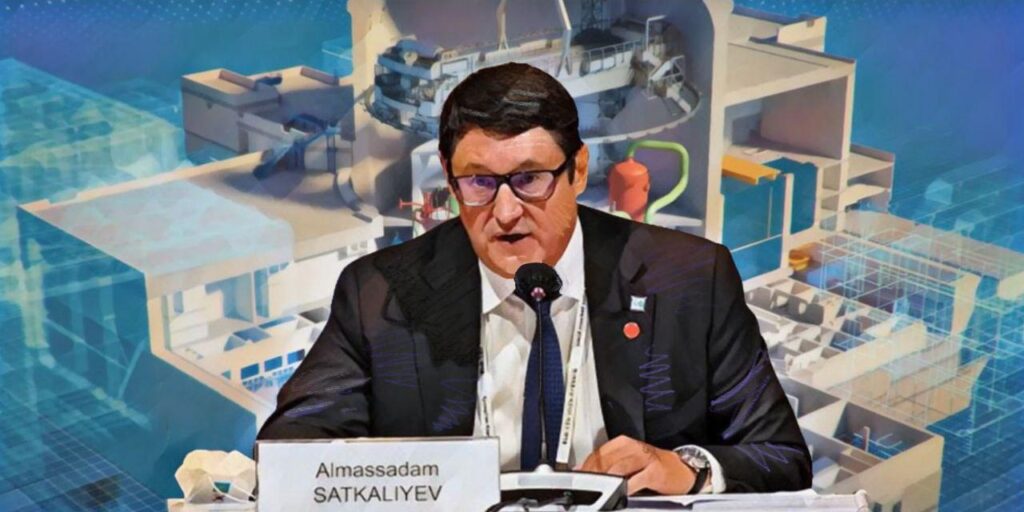
Kazakhstan’s famed hospitality, long enshrined in its national proverbs, has also become a guiding principle in its foreign policy. One recent example is the Kazakh government’s diplomatic maneuvering in the selection of partners for its nuclear power program. Leader of the Race Initially, Kazakhstan planned to build a single nuclear power plant by 2035 to address potential electricity shortages. However, following the October 6, 2024, referendum, where 71.12% of voters approved a plant in the Almaty Region, President Kassym-Jomart Tokayev instructed the government to explore the construction of at least two additional facilities. This directive, as it turns out, was both timely and strategic. In March 2025, the newly formed Atomic Energy Agency, reporting directly to the president, was tasked with overseeing the selection of international consortium leaders. On June 14, the agency announced that Russia’s state-owned Rosatom would lead the consortium to build Kazakhstan’s first nuclear power plant. Rosatom CEO Alexey Likhachev welcomed the decision, stating that the VVER-1200 Generation 3+ reactors, already operating in Russia and Belarus and selected by partners in Hungary, Egypt, Turkey, Bangladesh, and China, would be used. These reactors, he emphasized, meet international safety standards and integrate both active and passive safety systems. Tricks Up Their Sleeves Behind the scenes, the selection process revealed a quiet tug-of-war between Chinese and Russian interests. Ultimately, Rosatom prevailed, thanks, in part, to two strategic moves. First, Rosatom’s supporters enlisted Assystem, an ostensibly independent nuclear engineering consultancy, to assist Kazakhstan Atomic Power Plants LLP in the evaluation process. The firm’s analysis favored Rosatom. Second, to pre-empt concerns about Western sanctions, the Kazakh authorities emphasized that Kazakhstan would be the sole owner and operator of the facility. Atomic Energy Agency head Almasadam Satkaliev stated that Kazakhstan would control the entire production cycle from uranium mining to fuel processing and plant maintenance, thereby limiting direct Russian involvement post-construction. This arrangement may allow the creation of a Kazakh legal entity immune to Western sanctions, as it would be wholly state-owned. Whether this could offer Rosatom a loophole for acquiring restricted components remains an open question but one that few may press given the global interest in nuclear safety. Another Contender Emerges Just hours after Rosatom’s contract was announced, Satkaliev made a second, equally strategic statement: China National Nuclear Corporation (CNNC) would lead the construction of Kazakhstan’s second nuclear power plant. Satkaliev cited CNNC’s “strongest proposals” and revealed plans for a broader agreement on nuclear cooperation with China. “Objectively, few countries can master the entire nuclear cycle. China is one of them,” Satkaliev noted. Back in February, prior to the agency’s creation, Kazakhstan’s Ministry of Energy, then also led by Satkaliev, had identified Kurchatov and Aktau as potential sites for future nuclear facilities. Kurchatov lies near the former Semipalatinsk nuclear test site, while Aktau once hosted the Soviet-era BN-350 fast neutron reactor. The timing of Satkaliev’s announcement is no coincidence. Chinese President Xi Jinping is scheduled to visit Kazakhstan on June 16 for the second China-Central Asia Summit. For a nation that...