• KGS/USD = 0.01144 0%
  • KZT/USD = 0.00206 0%
  • TJS/USD = 0.10788 -0.09%
  • UZS/USD = 0.00008 0%
  • TMT/USD = 0.28571 0%
  • KGS/USD = 0.01144 0%
  • KZT/USD = 0.00206 0%
  • TJS/USD = 0.10788 -0.09%
  • UZS/USD = 0.00008 0%
  • TMT/USD = 0.28571 0%
  • KGS/USD = 0.01144 0%
  • KZT/USD = 0.00206 0%
  • TJS/USD = 0.10788 -0.09%
  • UZS/USD = 0.00008 0%
  • TMT/USD = 0.28571 0%
  • KGS/USD = 0.01144 0%
  • KZT/USD = 0.00206 0%
  • TJS/USD = 0.10788 -0.09%
  • UZS/USD = 0.00008 0%
  • TMT/USD = 0.28571 0%
  • KGS/USD = 0.01144 0%
  • KZT/USD = 0.00206 0%
  • TJS/USD = 0.10788 -0.09%
  • UZS/USD = 0.00008 0%
  • TMT/USD = 0.28571 0%
  • KGS/USD = 0.01144 0%
  • KZT/USD = 0.00206 0%
  • TJS/USD = 0.10788 -0.09%
  • UZS/USD = 0.00008 0%
  • TMT/USD = 0.28571 0%
  • KGS/USD = 0.01144 0%
  • KZT/USD = 0.00206 0%
  • TJS/USD = 0.10788 -0.09%
  • UZS/USD = 0.00008 0%
  • TMT/USD = 0.28571 0%
  • KGS/USD = 0.01144 0%
  • KZT/USD = 0.00206 0%
  • TJS/USD = 0.10788 -0.09%
  • UZS/USD = 0.00008 0%
  • TMT/USD = 0.28571 0%

Viewing results 43 - 48 of 127

Turkmen Business Prepares for WTO Integration

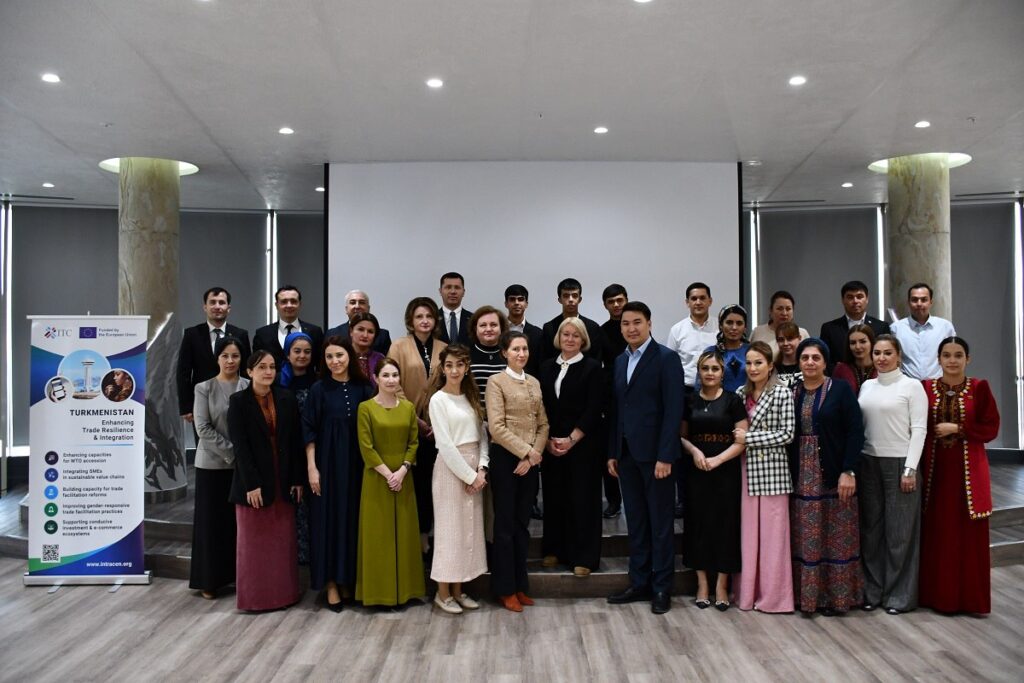
Ashgabat recently hosted a two-day seminar on Turkmenistan's prospects for joining the World Trade Organization. The event, organized by the Ministry of Finance and Economy and the International Trade Center (ITC), brought together representatives of the country's private sector and government agencies. ITC international experts Daria Karman, Alyson Hook, and Nurlan Kulbatyrov shared practical integration experience into the global trading system with the participants. Special attention was paid to Kazakhstan, whose path to the WTO can serve as an illustrative example for Turkmenistan. Among the key topics of discussion were the need to adapt legislation to international standards, reform trade policy, and modernize mechanisms for regulating foreign economic activity. For Turkmen entrepreneurs, accession to the WTO opens access to world markets and creates favorable conditions for increasing exports. However, this will require a significant increase in local enterprises' competitiveness and the introduction of modern production technologies. According to the event organizers, the active discussion of integration processes testifies to Turkmen business's serious attitude toward international cooperation. Such seminars are part of Turkmenistan's comprehensive preparation for accession to the WTO. In the future, this should create additional incentives for entrepreneurship and increase the country's export potential. Representatives of government agencies and the business community actively participated in the seminar, which confirmed Turkmenistan's interest in deepening integration processes and expanding international trade cooperation.

Kyrgyzstan Faces Critical Shortage of 5,000 Doctors

Kyrgyzstan's hospitals are struggling with a shortage of medical staff, with an estimated need for around 5,000 more doctors nationwide, according to Deputy Health Minister Kaarmanbek Baidavletov. He shared these figures during a Jogorku Kenesh meeting, highlighting the urgency of the issue. To address this issue, the Ministry of Health is negotiating with the president's regional representatives to develop solutions. In some districts, local authorities are helping young specialists by taking over utility payments to ease doctors' working conditions. Baidavletov said there should be one doctor for every 1,500 people, but more staff is needed in remote regions and central hospitals. Kyrgyzstan's healthcare system faces several serious challenges. One key problem is the need for more medical personnel, especially in remote regions that lack hematology, neonatology, and pediatrics specialists. In addition, the country has a high incidence of non-communicable diseases such as hypertension and diabetes mellitus, especially among women. The Women's Health initiative has been launched to enhance awareness and early diagnosis of these diseases. Another initiative focuses on antimicrobial resistance (AMR), which the WHO supports. This program provides diagnostic tools and training for medical staff and assesses the prevalence of AMR in Kyrgyzstan to improve clinical protocols and policies in this area.

Startups From Central Eurasia Set to Conquer Silicon Valley

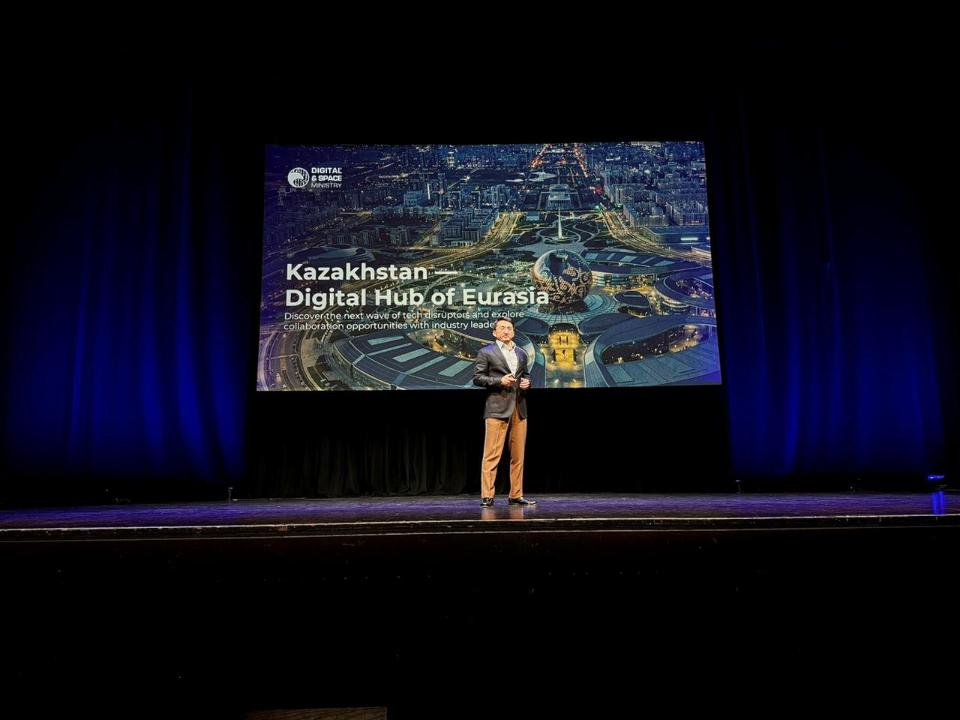
The following 10-15 years will see the birth of large tech companies originating from Central Eurasia, a vast region including Azerbaijan, Georgia, Kazakhstan, Kyrgyzstan, Mongolia, Tajikistan, Turkmenistan, Turkey, and Uzbekistan. This was stated at the first technology conference entitled Central Eurasia at Silicon Valley. The conference brought together the region's top 100 startups, American venture investors, large company leaders, and tech giants from Silicon Valley. According to the event organizers, Central Eurasia has enormous untapped potential. With a population of more than 100 million people and an average age of 27, about 200,000 young people in the region annually receive an education in the field of STEM (science, technology, education, mathematics). The area has everything necessary to develop the tech industry: universities, a startup ecosystem, venture funds, and its representative in Silicon Valley — Silkroad Innovation Hub, which, in the first year of its operation, attracted 80 resident startups and more than $30 million in investments. At the conference, Zhaslan Madiyev, Minister of Digital Development, Innovation and Aerospace Industry of Kazakhstan, said that Kazakhstan accounts for 50% of GDP in Central Eurasia. Kazakhstan is in 10th place in the UN GLOBAL Online Services Index and 3rd place among Central and South Asian countries in the Global Innovation Index (after Iran and India). “Recently, there has been a rapid development of new technologies, AI, blockchain, and all this stimulates the market and entrepreneurs to create startups,” Madiyev said. The minister added that Kazakhstani investors are ready to invest $100,000-$200,000 in startups at an early stage. Still, finding $1 million or $2 million in investment can be challenging, even in a more mature stage. Therefore, he urged the promotion of Kazakhstani startups abroad, especially in Silicon Valley.

Shaping the Future of Science in Kazakhstan

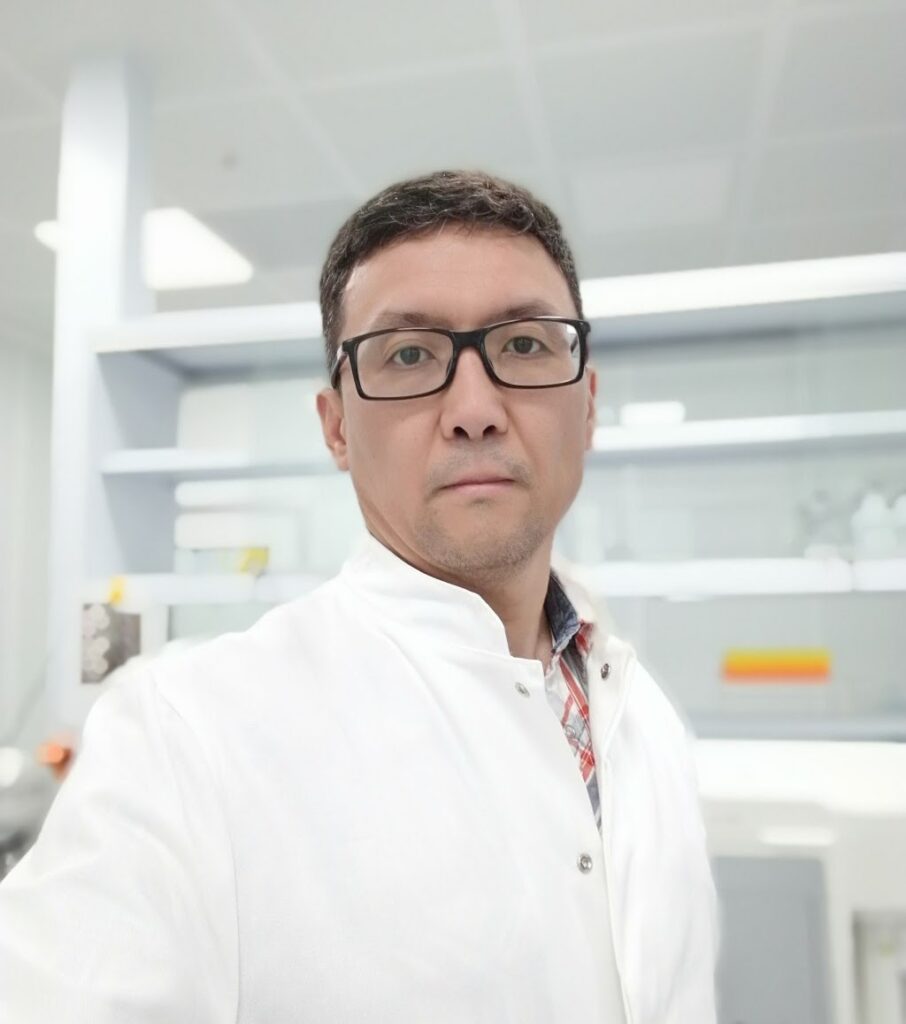
At Kazakhstan's Nazarbayev University (NU), work is geared toward understanding the intricacies of modern science. TCA spoke to Dr. Aidos Baumuratov, the science director of the NU Collective Use Office, who discussed the importance of scientific collaboration, supported by world-class laboratories, and how Kazakhstan is aiming to nurture the next generation of scientists. TCA: Can you tell me about the work that NU laboratories do? Baumuratov: The laboratories have collected unique, expensive equipment from all over the university. The staff that interprets the results has been selected. In simple words, we help scientists to create science. Unfortunately, Kazakhstan cannot afford the purchase of expensive devices in large quantities, so the model is justified from an economic point of view. The model of a shared office is taken from American and European universities. Today, I manage 23 laboratories with 80 main items of equipment and about 400 additional ones. We are creating a world-class scientific infrastructure, and the laboratories are equipped accordingly. NU scientists win grants, among other things, and consequently, they implement their developments in practice. They come to our laboratories for the missing equipment and perform most of their experiments here. TCA: How much of NU's research is focused on practical applications? Baumuratov: Science is designed to solve global problems. It cannot be considered only from the point of view of immediate return. I can say that in the top global universities, where there are thousands of scientists, only a few startups occur after many years of research, which are eventually taken into development by industrial giants or IT corporations. TCA: What should be done to make the young generation in Kazakhstan more eager to enter science? Baumuratov: I can only express my personal opinion. Attitudes should be learned from childhood. Today, science is undeservedly in the shadows. After the collapse of the USSR, we went through difficult years; we had to fix the economy, and of course, this had an impact on who stayed. If I am not mistaken, 70-80% of scientists left after the collapse. Of those who remained, about the same number went into business, anywhere but science. It takes time to restore the potential, and it should start with schools. When I began working at the university, I proposed an initiative to organize schoolchildren's visits to our laboratories. The initiative was successfully implemented and is still in use today. Children from the 5th and 6th grades visit us; they see aesthetically pleasing, insanely complex equipment at the international level, the finest instruments, and they can talk to those who work here. This is very useful, as it clearly shows schoolchildren what path they can choose. They see and realize that science brings benefits to society and the country. Even the signature of a scientist under an article in a journal, where the university and Kazakhstan are mentioned, already works for the image of the country as a whole. In addition, scientists' general intelligence creates an appropriate environment around children. Ethical norms, the priority of education,...

Turkmenistan to Produce Food Additives from Locally Harvested Gleditsia Pods

In a significant step towards implementing innovations across various economic sectors, Turkmenistan has secured the copyright for galactomannan production technologies developed by the Biotechnology Department of the International Science and Technology Park. Galactomannans, polysaccharides consisting of D-galactose and D-mannose, are known for their ability to form gels and increase the viscosity of solutions. Thanks to these properties, they are in high demand in the food, agricultural, and printing industries, where they are used as thickeners and structuring agents. According to Altyn Rakhmanova, head of the biotechnology department of the Academy of Science of Turkmenistan, the development of galactomannan production technologies is part of Turkmenistan’s Biotechnology Development Program for 2024-2028, a vital aspect of which is the creation of feed additives for farm animals from local raw materials. Using galactomannans derived from pods of the Gleditsia triacanthos, a plant grown in Turkmenistan and described by Gurbanguly Berdimuhamedov, the National Leader of the Turkmen people in his book, Medicinal Plants of Turkmenistan, as having multiple valuable properties, helps reduce costs and maximizes the utilization of local resources . As  detailed in the book, Gleditsia is a honey-bearing plant from which up to 250 kg of honey can be harvested per hectare. An efficient method of galactomannan extraction ensures maximum yield from the raw material, contributing to sustainable and autonomous production, as well as serving as a foundation for further technological advancements in the food and agricultural sectors and the utilization of local natural resources. As previously  reported by The Times of Central Asia, Turkmen bio-technologists from the Academy of Sciences of Turkmenistan have developed an innovative lactose-based gel designed to rejuvenate and correct age-related skin changes. Other scientific breakthroughs include a therapeutic ointment made from the Maclura, a tree species widespread in the country, which relieves inflammation and aids the healing of wounds,  a cream based on oil extracted from silkworm cocoons for use in cosmetology, and crackers made from extracts from camel thorn.

Pupil’s Hand Stabbed by Teacher in Uzbekistan

The publication “Bolalar dunyosi” (“Children’s world”) reports that in one of the schools in the Andijan region of Uzbekistan, a teacher punished a 1st grader by stabbing a needle in her hand and locked the classroom door to prevent the pupil from visiting the toilet. In response, the girl's father filed a complaint with the Internal Affairs Department, accusing the teacher of applying psychological pressure. He explained that his daughter had missed an additional lesson after class, which cost 50,000 UZS (approximately $3.90). The Children’s Ombudsman of Uzbekistan, Surayyo Rahmonova, stated that following an examination of the girl's injury, the issue had been resolved. The case comes in the wake of  a previous report by The Times of Central Asia  concerning a Tashkent teacher who slapped a student for asking for the Russian language class to be taught in Russian; an event which caused broad public debate in Uzbekistan and a reaction from Russian politicians.