
• KGS/USD = 0.01144 0%
  • KZT/USD = 0.00208 0%
  • TJS/USD = 0.10407 -0.29%
  • UZS/USD = 0.00008 0%
  • TMT/USD = 0.28571 0%
  • KGS/USD = 0.01144 0%
  • KZT/USD = 0.00208 0%
  • TJS/USD = 0.10407 -0.29%
  • UZS/USD = 0.00008 0%
  • TMT/USD = 0.28571 0%
  • KGS/USD = 0.01144 0%
  • KZT/USD = 0.00208 0%
  • TJS/USD = 0.10407 -0.29%
  • UZS/USD = 0.00008 0%
  • TMT/USD = 0.28571 0%
  • KGS/USD = 0.01144 0%
  • KZT/USD = 0.00208 0%
  • TJS/USD = 0.10407 -0.29%
  • UZS/USD = 0.00008 0%
  • TMT/USD = 0.28571 0%
  • KGS/USD = 0.01144 0%
  • KZT/USD = 0.00208 0%
  • TJS/USD = 0.10407 -0.29%
  • UZS/USD = 0.00008 0%
  • TMT/USD = 0.28571 0%
  • KGS/USD = 0.01144 0%
  • KZT/USD = 0.00208 0%
  • TJS/USD = 0.10407 -0.29%
  • UZS/USD = 0.00008 0%
  • TMT/USD = 0.28571 0%
  • KGS/USD = 0.01144 0%
  • KZT/USD = 0.00208 0%
  • TJS/USD = 0.10407 -0.29%
  • UZS/USD = 0.00008 0%
  • TMT/USD = 0.28571 0%
  • KGS/USD = 0.01144 0%
  • KZT/USD = 0.00208 0%
  • TJS/USD = 0.10407 -0.29%
  • UZS/USD = 0.00008 0%
  • TMT/USD = 0.28571 0%

Viewing results 97 - 102 of 849

Kyrgyzstan Adopts Snow Leopard as National Symbol, Unveils Official Logo

On October 23, International Snow Leopard Day, Kyrgyzstan’s Cabinet of Ministers officially designated the snow leopard as the country’s national symbol and approved an official logo along with usage guidelines. The move follows a presidential decree issued in December 2023 recognizing the snow leopard as a national emblem. The Cabinet has tasked the Ministry of Natural Resources, Ecology, and Technical Supervision with developing an action plan to protect the species and its habitat. Snow leopards are considered a key indicator of ecological health in mountainous regions across 12 Asian countries, including Kyrgyzstan. The nation has played a prominent role in global conservation efforts, most notably by spearheading a UN General Assembly initiative that led to the establishment of October 23 as International Snow Leopard Day. Kyrgyzstan has also created the Ak Ilbirs Ecological Corridor in the Issyk-Kul region. Spanning more than 792,000 hectares, the corridor links major protected areas including Khan-Tengri State Nature Park, Sarychat-Eertash Nature Reserve, and Naryn Nature Reserve. The initiative aims to preserve habitats for snow leopards and other endangered species while promoting sustainable resource use. To mark the occasion, Bishkek also hosted the “Business, Ecology, and Sports - Ak-Ilbirs 2025” forum, which convened government officials, business leaders, sports organizations, and civil society representatives. The forum promoted the conservation of high-mountain ecosystems and introduced branding strategies positioning Kyrgyzstan as the “Country of the Snow Leopard.” According to a global assessment conducted from 2020 to 2024 under the Global Snow Leopard and Ecosystem Protection Program (GSLEP), Kyrgyzstan’s snow leopard population is estimated at 285 individuals.
Beyond Infrastructure: China’s New Environmental Footprint in Central Asia

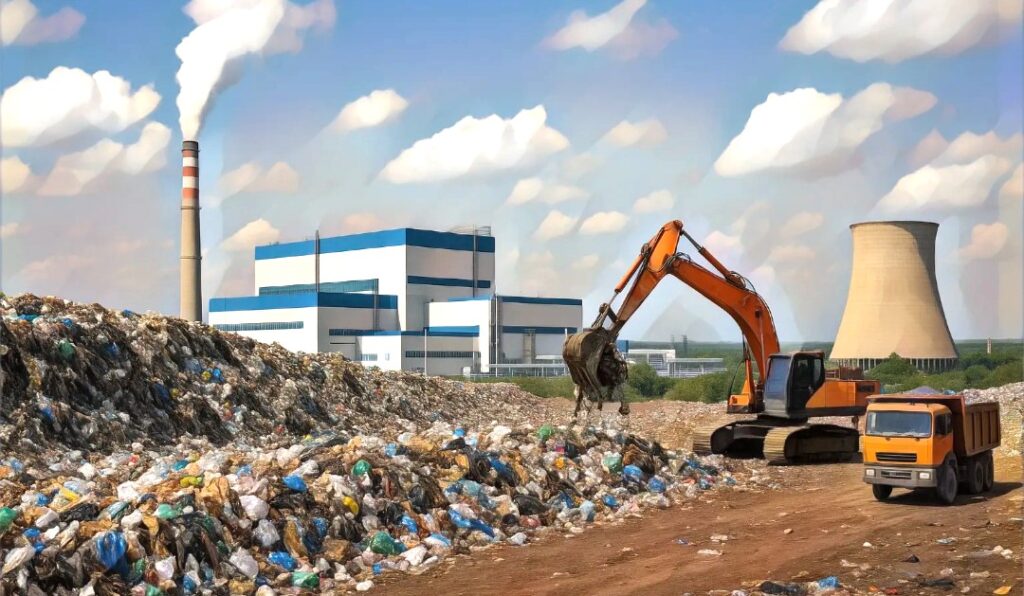
Uzbekistan’s economy is expanding at one of the fastest rates in Central Asia, creating new opportunities for businesses and citizens alike. Yet this rapid growth also brings challenges that the country must learn to manage. Among them, one of the most pressing issues is the growing problem of waste management, which has become an unfortunate consequence of economic progress. Over the past decade, the volume of municipal solid waste in Uzbekistan has increased steadily. It rose from about 6.1 million tons in 2010 to 7 million tons in 2017, and current projections suggest that annual waste generation could reach as high as 16 million tons by 2028. Currently, the country generates around 14 million tons of waste annually, but only a small portion of this - approximately 5% - is recycled. Landfills now release more than seven million tons of greenhouse gases every year, and more than forty thousand tons of toxic waste seep into the soil, threatening both the environment and public health. The government of Uzbekistan has recognized the urgency of the issue and placed waste management at the heart of its green development agenda. Alongside the promotion of renewable energy and electric vehicles, the authorities are investing in waste-to-energy projects that can help convert solid waste into electricity. This approach can reduce the amount of waste going to landfills while providing a cleaner source of energy. China’s Role in Uzbekistan’s Waste-to-Energy Development To implement these projects, Uzbekistan is actively cooperating with foreign partners who can bring technology, investment, and experience. Among these partners, China has emerged as a leading player. Chinese companies, facing a saturated domestic market, are increasingly looking abroad for new opportunities. Uzbekistan’s ambitious targets in waste management perfectly align with this interest, creating a partnership that benefits both sides. Several large-scale projects have already been launched. China’s CAMC Engineering is investing about $350 million to build two waste-to-energy plants in the Andijan and Tashkent regions. Another Chinese company, Shanghai SUS Environment, has signed an agreement with Uzbekistan’s Waste Management Agency to develop projects using advanced green technology. In addition, China Everbright Environment Group has announced the creation of joint ventures with Uzbek partners Maxsus and CR No.17 Second Engineering. These partnerships will result in two new plants in Namangan and Ferghana, each with an estimated cost of $283 million. Opportunities and Risks These initiatives promise significant benefits. For China, they open the door to exporting green technologies, generating new revenue, and deepening economic ties in Central Asia. The growing demand for waste-to-energy projects across the region also creates opportunities for China to share its proven technological model, helping partner countries build capacity while integrating more closely into China’s expanding technological ecosystem. Beyond the economic gains, this cooperation is shaping China’s broader image. Through such environmentally focused projects, Beijing is gradually being seen not only as a builder of physical infrastructure but also as a provider of innovative and sustainable solutions. This transformation strengthens China’s soft power and adds new depth to its Belt and...

Kazakhstan Unveils Green Energy Transition Strategy at London Forum

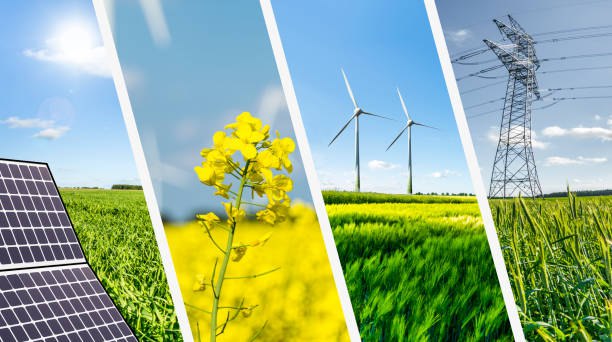
Kazakhstan aims to increase the share of renewable energy in its power mix to 50% by 2050, Deputy Minister of Energy Sanzhar Zharkeshov announced at the Future Resilience Forum in London. The international gathering brought together global policymakers, business leaders, and experts to address sustainable development and climate-related challenges. Zharkeshov stated that Kazakhstan is modernizing its energy legislation to accelerate the green transition. Measures include the introduction of transparent auctions and revised subsoil use regulations, steps that have helped reduce wind and solar tariffs and position Kazakhstan as one of Central Asia’s most attractive clean energy markets. The country currently operates 158 renewable energy facilities with a combined capacity exceeding 3 GW. By 2035, it plans to add another 8.4 GW. According to the Ministry of Energy, the national targets include reaching a 15% renewable share by 2030 and 50% by 2050. Kazakhstan’s green energy agenda focuses on two key priorities: expanding power grids to integrate renewable energy sources and deploying energy storage solutions, including pumped storage hydropower stations. Natural gas remains a strategic “transitional” fuel in Kazakhstan’s energy mix, offering stability while contributing to emissions reductions. The government is actively expanding gasification across regions, converting coal-fired thermal power plants to gas, and upgrading storage and transport infrastructure. Zharkeshov noted that Kazakhstan remains a reliable energy supplier and a responsible participant in the global energy system. The country supplies about 13 percent of the European Union’s oil imports and is working with Azerbaijan and Uzbekistan to develop alternative export routes across the Caspian Sea. “The global energy sector is undergoing a transformation driven by emission reduction policies and the shift to low-carbon sources. Kazakhstan is pursuing a balanced approach, reducing greenhouse gas emissions while maintaining energy security,” he said. He added that despite global economic challenges, Kazakhstan’s energy sector continues to show resilience and is attracting strong interest from international investors. As previously reported by The Times of Central Asia, Kazakhstan also plans to construct several nuclear power plants, including a joint project with China National Nuclear Corporation (CNNC).

Kyrgyzstan Confronts Transport-Driven Air Pollution

On October 21, Bishkek hosted the National Multi-Stakeholder Dialogue “Tackling Transport Air Pollution in Kyrgyzstan: Towards Clean Air in Cities All Year Round.” The event gathered representatives from government bodies, international organizations, environmental NGOs, academia, and civil society. Participants discussed coordinated actions and practical solutions to reduce air pollution and improve environmental conditions in Kyrgyz cities. Key proposals included transitioning to cleaner fuels, expanding public transport, improving energy efficiency, and implementing stricter emission standards. A systemic approach was emphasized, involving the promotion of electric vehicles, public environmental education, and robust air quality monitoring. Experts warned that transport-related pollution is a leading contributor to chronic diseases and premature death, particularly among vulnerable populations. Kyrgyz Minister of Natural Resources, Ecology and Technical Supervision, Meder Mashiev, highlighted that while previous efforts had focused on pollution during the heating season, new World Bank analysis shows that vehicle emissions significantly impact air quality year-round in Bishkek. According to the Ministry, vehicle emissions account for roughly 30% of air pollution in the capital. In 2024, 1,674,085 vehicles were registered in Kyrgyzstan, with 83% or 1,392,737, over 15 years old. In Bishkek, 426,946 vehicles were registered, including 333,801 older than 15 years, most of which do not meet modern environmental standards. The city administration reported that more than 750,000 vehicles operate on Bishkek’s roads daily, more than double the road network’s intended capacity of 350,000. This, combined with poor fuel quality and widespread reliance on private cars, has led to a systemic environmental challenge. Mashiev outlined several initiatives to address the issue. First, the city is transitioning to environmentally friendly public transport. Over 1,300 eco-friendly buses and 120 electric buses have been delivered to Bishkek. Each new bus replaces approximately four diesel buses, cutting diesel fuel consumption by around 100 tons per day. By the end of 2024, 3,535 electric vehicles were registered in the capital, and 44 charging stations had been installed. Second, modern air quality monitoring systems are being deployed to enable more accurate and responsive pollution tracking. Third, updates to the regulatory framework are being implemented to improve emission controls and compliance mechanisms. “We have already taken concrete steps to improve air quality in Bishkek, the use of low-quality coal has been banned, large-scale greening projects are underway, and an active transition to alternative energy sources is in progress,” said Mashiev. He concluded that similar measures would be introduced in other major cities across Kyrgyzstan, including Osh and Jalal-Abad.

Natural Barriers: Kyrgyzstan Fights Disasters with Reforestation

Kyrgyzstan’s Ministry of Emergency Situations, in collaboration with representatives of the World Bank, has surveyed floodplain areas in the Jalal-Abad region to identify zones most vulnerable to erosion and flooding. The ministry's press service reported that environmental protection efforts will soon begin in these areas, aimed at strengthening soil stability and reducing the risk of natural disasters. The Forestry Institute had earlier designated the region as a pilot site for environmental initiatives. Emergency services personnel and forestry specialists plan to plant trees to establish protective forest belts. The trees’ root systems are expected to reinforce the soil and serve as natural barriers against landslides and mudflows. Last year, the region suffered severe rainfall, triggering mudslides that nearly destroyed two villages. A 10-year-old child lost their life, and over 300 families were evacuated. The disaster also inundated a section of the Bishkek-Osh highway, paralyzing traffic for several hours. “Visiting the ravines allowed us to assess their current condition and identify the areas most vulnerable to erosion. The timely implementation of protective measures, such as planting trees and applying bioengineering solutions, will not only mitigate flood risks but also help restore ecological balance,” the ministry stated. The project is funded by the World Bank and the International Development Association. The Jalal-Abad region has been selected for the pilot phase, with similar initiatives planned for other regions across the country. A recent World Bank report emphasized the economic costs of forest loss, noting its impact on the water cycle, soil stability, and drought resilience, factors that contribute to billions of dollars in global losses. “People and communities around the world are facing not only an environmental crisis but also an economic one. The good news is that solutions exist. If countries start investing now, natural systems can be restored, delivering strong returns in economic growth and job creation,” said Axel van Trotsenburg, Senior Managing Director at the World Bank. Experts argue that environmental programs should not be viewed as obstacles to development, but rather as key to building more sustainable and resilient economies.

Greening Campaign in Bishkek Targets Air Quality Improvement

A citywide greening campaign was launched in Bishkek on October 15, with plans to plant more than 10,000 tree and shrub saplings across the capital. The initiative is part of a broader effort to combat environmental degradation and improve air quality in one of Central Asia’s most polluted cities. According to the Bishkek City Administration, priority will be given to areas surrounding educational institutions. The plan includes the creation of green zones around every school in the city. The tree-planting campaign is designed to help reverse decades of urban deforestation, a consequence of rapid development that has significantly reduced Bishkek’s tree cover. Once regarded as one of the greenest cities in the former Soviet Union, Bishkek has lost much of its vegetation due to unchecked construction and infrastructure expansion. Environmental experts have urged city planners to prioritize the planting of tall, broadleaf deciduous trees, valued for their shade and noise-reducing qualities, over coniferous species, which currently dominate urban landscaping. The campaign aligns with Kyrgyzstan’s nationwide “Jashyl Muras” (“Green Heritage”) initiative, launched by President Sadyr Japarov in March 2022. The program aims to plant between five and six million saplings each year. In 2024, the Ministry of Natural Resources, Ecology and Technical Supervision reported that more than 8.1 million saplings were planted across the country. Additional Measures to Reduce Pollution On the same day, during a meeting of the Interdepartmental Commission for Improving Air Quality, Bishkek Mayor Aibek Junushaliev detailed other municipal efforts to reduce pollution. He noted that more than 1,500 diesel-powered minibuses have been removed from central city streets. The municipal transport fleet now consists of 1,449 environmentally friendly buses, 1,329 running on liquefied natural gas and 120 electric buses purchased in 2025. According to the Ministry of Natural Resources, Ecology and Technical Supervision, motor vehicle emissions contribute approximately 30% of Bishkek’s air pollution. Further efforts include the installation of a desulfurization system at the Bishkek Thermal Power Plant (TPP), which supplies heat and hot water to most of the capital. The plant’s emissions are estimated to account for around 15% of the city’s air pollution. The new system captures up to 96.6% of sulfur dioxide (SO₂) generated during coal combustion, marking a major step toward improving air quality in the city.