• KGS/USD = 0.01144 0%
  • KZT/USD = 0.00212 0%
  • TJS/USD = 0.10456 0.19%
  • UZS/USD = 0.00008 0%
  • TMT/USD = 0.28490 0%
  • KGS/USD = 0.01144 0%
  • KZT/USD = 0.00212 0%
  • TJS/USD = 0.10456 0.19%
  • UZS/USD = 0.00008 0%
  • TMT/USD = 0.28490 0%
  • KGS/USD = 0.01144 0%
  • KZT/USD = 0.00212 0%
  • TJS/USD = 0.10456 0.19%
  • UZS/USD = 0.00008 0%
  • TMT/USD = 0.28490 0%
  • KGS/USD = 0.01144 0%
  • KZT/USD = 0.00212 0%
  • TJS/USD = 0.10456 0.19%
  • UZS/USD = 0.00008 0%
  • TMT/USD = 0.28490 0%
  • KGS/USD = 0.01144 0%
  • KZT/USD = 0.00212 0%
  • TJS/USD = 0.10456 0.19%
  • UZS/USD = 0.00008 0%
  • TMT/USD = 0.28490 0%
  • KGS/USD = 0.01144 0%
  • KZT/USD = 0.00212 0%
  • TJS/USD = 0.10456 0.19%
  • UZS/USD = 0.00008 0%
  • TMT/USD = 0.28490 0%
  • KGS/USD = 0.01144 0%
  • KZT/USD = 0.00212 0%
  • TJS/USD = 0.10456 0.19%
  • UZS/USD = 0.00008 0%
  • TMT/USD = 0.28490 0%
  • KGS/USD = 0.01144 0%
  • KZT/USD = 0.00212 0%
  • TJS/USD = 0.10456 0.19%
  • UZS/USD = 0.00008 0%
  • TMT/USD = 0.28490 0%

Viewing results 349 - 354 of 3334

China Demands That Tajikistan Protect Chinese Citizens After Attack

China is urging Tajikistan to “take all necessary measures” to protect Chinese citizens and businesses in Tajikistan’s border area, where several Chinese workers were killed in a drone attack that was carried out from neighboring Afghanistan last week. Tajik President Emomali Rahmon, meanwhile, met senior security officials in his government on Monday to discuss ways to strengthen security on the southern border with Afghanistan, whose ruling Taliban movement has expressed sorrow and promised to help find the attackers. “According to reports from officials, during the past week two incidents of gunfire occurred across the border into Tajikistan, resulting in five deaths and five injuries,” Tajikistan’s presidential office said. It said Rahmon “strongly condemned the illegal and provocative actions of Afghan citizens” and ordered security officials “to resolve the issue and prevent the recurrence of such unfortunate incidents.” The statement did not provide details on the five people who were killed. The government previously said a drone attack from Afghanistan targeted a camp housing company employees in Tajikistan’s southwestern Khatlon region last week, killing three Chinese workers. The government meeting on Monday came a day after Chinese ambassador Guo Zhijun called Tajik Foreign Minister Sirojiddin Muhriddin as well as a senior Tajik security official to discuss the border situation. “Guo demanded that Tajikistan take all necessary measures to ensure the safety of Chinese enterprises and citizens in Tajikistan,” the Chinese embassy in Dushanbe said on Monday. It noted that Tajikistan said it “will immediately upgrade its security measures to protect the safety of Chinese enterprises and citizens to the fullest extent of the law.” Chinese workers are involved in mining and construction projects in Tajikistan, which along with other countries in Central Asia is seeking to improve relations and develop trade with Afghanistan despite persistent security concerns. Tajikistan said that it used a drone to kill two suspected drug smugglers from Afghanistan in the border area last month. In August, Tajik guards and fighters from the Afghan Taliban exchanged fire. Afghanistan’s Ministry of Foreign Affairs has condemned the killings of the three Chinese workers last week and blamed that attack on “those seeking to create disorder, instability, & mistrust among the countries of the region.” It said it “stands ready for information-sharing, technical collaboration, & joint assessments in order to identify those responsible for the incident.” Separately, Afghanistan’s border to the east and south with Pakistan has been the focus of recent clashes between the two countries that killed dozens of people and disrupted trade. Pakistan accuses Afghanistan of providing sanctuary to militants who carry out attacks against Pakistani security forces, an allegation that the Taliban in Afghanistan denies.    

Why Attacks on the Caspian Pipeline Consortium Could Alter Kazakhstan’s Strategic Plans

Attacks on the infrastructure of the Caspian Pipeline Consortium (CPC), reduced export flows, and volatility in commodity markets are generating serious pressures for Kazakhstan. In the coming years, both the country’s financial system and its domestic political balance may face significant tests. A number of experts warn that disruptions in oil logistics via the CPC, which remains the main artery for Kazakh crude exports, could depress budget revenues, strain national companies, and worsen the sovereign outlook. Kazakhstan pumps roughly 80% of its oil exports through the CPC system, and oil revenues account for more than half of the country’s total export earnings. Because CPC Blend is Kazakhstan’s primary export-grade crude, even short interruptions can reverberate through the state budget, the National Fund, and the balance sheets of national companies. This could trigger a domino effect, destabilizing broad swathes of the economy and undermining public finances. Already, the recent rounds of disruption around Black Sea oil shipping are eroding a substantial source of tax revenue for the state. Continued Risk of Strikes Political scientist Dosym Satpaev argues that Kazakhstan may be underestimating the intensity and persistence of the conflict surrounding Ukraine. He contends that both sides in that conflict have used strikes on energy infrastructure as key tools, a tactic that will likely continue. The recent strike targeted the CPC’s single-point moorings (SPMs) at Novorossiysk, a coastal terminal on the Russian Black Sea. These offshore loading points sit in relatively shallow waters and are physically exposed, making them susceptible to the naval drones Ukraine has increasingly deployed against Russian maritime infrastructure. Although the attack officially targeted Russian facilities, the collateral implications for Kazakh oil exports were immediate. According to Satpaev, that means further risks for the CPC. The fact that Kazakhstan remains heavily dependent on this single pipeline reflects a broader failure to diversify exports and reduce reliance on raw material transit.  The vulnerability is magnified by the CPC’s ownership structure: although Kazakhstan relies on it for most of its exports, the pipeline network and the Novorossiysk terminal lie on Russian territory and operate under Russian regulatory oversight. Russia holds a majority stake in the consortium, while U.S. firms such as Chevron and Exxon also have significant shares, creating a complex web of interests that limits Astana’s room for manoeuvre. Kazakhstan has already experienced how this dependence can be leveraged. In 2022, Russian regulators repeatedly halted CPC operations over alleged “environmental violations,” moves widely interpreted as political pressure at a moment of diplomatic friction. That precedent underscores how strategic vulnerability to CPC disruptions predates the current wave of attacks. Satpaev is skeptical that alternative export routes, such as via pipelines through the Caspian Sea to Baku-Tbilisi-Ceyhan or transit to China, can substitute for the CPC in the near term. Given the global trend toward reduced oil demand, he believes this leaves Kazakhstan exposed to long-term structural risks.  At the same time, Satpaev views as unlikely the possibility that Ukraine would attempt to directly stop the CPC’s operations, given the broader consequences such...

Human Rights Groups Urge Turkmenistan to Release Activists Ahead of Neutrality Anniversary

As Turkmenistan prepares to mark the 30th anniversary of its policy of permanent neutrality, international human rights organizations are urging the government to commemorate the occasion by releasing civil society activists imprisoned for peacefully expressing their views. In a joint appeal, the International Partnership for Human Rights (IPHR), the Turkmen Initiative for Human Rights (TIHR), Turkmen.News, and the Norwegian Helsinki Committee (NHC) called on Turkmen authorities to use the milestone as an opportunity to take a humanitarian step by pardoning activists jailed on politically motivated charges. The organizations emphasized that presidential pardons remain the only available legal mechanism for early release in Turkmenistan. Including these cases in the official pardon process, they argue, would demonstrate the country’s willingness to align with international human rights standards. Among the prisoners named in the appeal is Mansur Mingelov, a human rights activist who has been incarcerated since 2012. He is serving a 22 year sentence after publicly denouncing the abuse of ethnic Baloch people. Another activist, Murat Dushemov, was sentenced to four years for publicly criticizing the government and its handling of the COVID-19 pandemic. He was expected to be released in the summer of 2025. The rights groups also expressed growing concern about activists and citizen journalists who were detained abroad and reportedly subjected to forced return to Turkmenistan, where they face prosecution under opaque legal processes. Citizen journalists Alisher Sakhatov and Abdulla Orusov were detained in Turkey in April 2025 on charges of “threatening public safety.” Farhat Meymankuliev was deported from Turkey in 2023 and, according to human rights monitors, subsequently imprisoned following a closed trial. In another case, Malikberdy Allamyrradov was secretly transferred from Russia to Turkmenistan in December 2023 and later charged with assaulting a cellmate. Saddam Gulamov was also forcibly returned from Russia and sentenced to a prison colony in the Lebap region. The human rights groups argue that freeing these individuals would send a strong message of goodwill during a major national celebration and offer a concrete signal of Turkmenistan’s readiness to uphold its international obligations.

Samarkand’s CoP20 Opens with High-Stakes Debates on Wildlife Trade and Species Protection

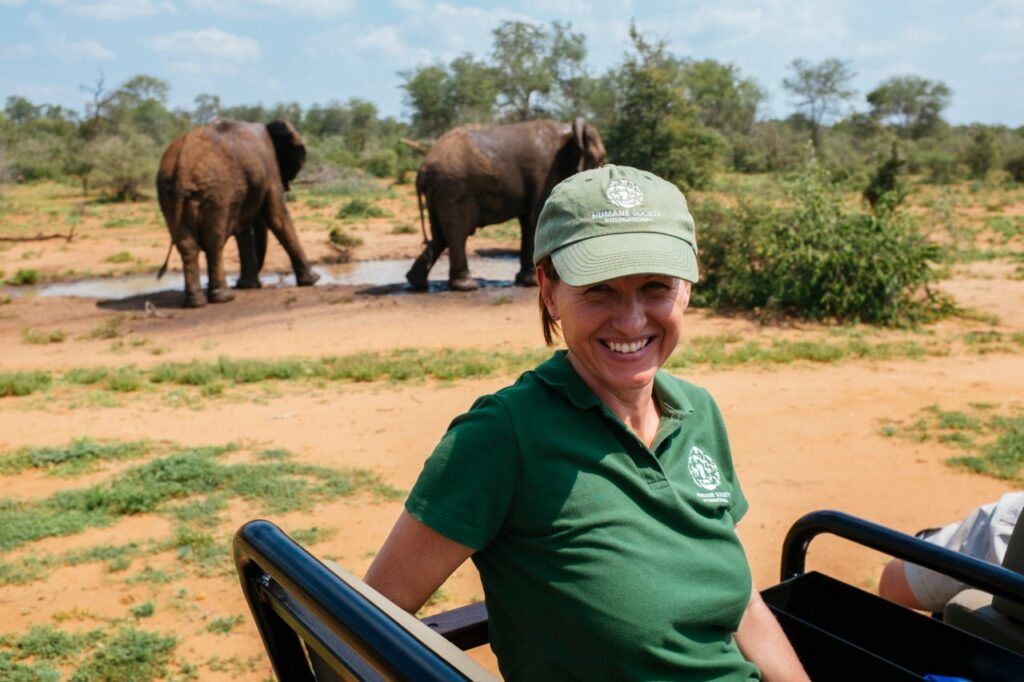
The world’s largest conference on wildlife trade opened last week in Samarkand, drawing nearly 3,000 delegates to Uzbekistan for two weeks of critical negotiations that could reshape global conservation policy. The 20th meeting of the Conference of the Parties to the Convention on International Trade in Endangered Species of Wild Fauna and Flora (CITES CoP20) is being held in Central Asia for the first time, a region increasingly impacted by transcontinental wildlife trafficking routes connecting Africa and Asia. Hosted by Uzbekistan’s National Committee on Ecology and Climate Change, CoP20 carries the theme “CITES at 50 in Samarkand: Bridging Nature and People,” commemorating five decades of global conservation under the Convention and echoing the city’s legacy as a historic crossroads of commerce and ideas. One of the central issues dominating this year’s meeting is a series of proposals concerning African megafauna, particularly elephants, rhinos, and giraffes. These proposals, submitted by several African range states, challenge the extent to which legal trade in vulnerable species should be permitted, given decades of poaching and habitat degradation. Audrey Delsink, Senior Director at Humane World for Animals, warned of the dangers these proposals pose. “All the species proposals concerning African megafauna are highly concerning because of the impact they will have on the respective species and the repercussions on illegal trade should the proposals be accepted,” she told The Times of Central Asia. Among the most controversial is a joint proposal by Namibia, South Africa, Tanzania, and Zimbabwe to remove most southern African giraffe populations from CITES Appendix II. Delsink cautioned that this would create a fragmented regulatory regime, complicating enforcement. “It is very difficult to differentiate bones and pelts of the different species and subspecies, making it easy to launder endangered giraffe species through the system,” she said. With wild giraffe populations estimated at fewer than 120,000, any weakening of controls could prove disastrous. Similar concerns surround Namibia’s proposal to sell ivory from registered government stockpiles. Delsink warned that the legal ivory trade has historically masked illicit flows and could trigger renewed poaching. “Legal trade provides a cover for illegal ivory and fuels illegal trade, poaching, and consumer demand,” she said, noting that CITES members have rejected such proposals for nearly two decades. Central Asian countries, increasingly used as transit corridors for high-value wildlife contraband, are becoming key players in enforcement. Smuggling networks exploit Eurasian air, rail, and road links to move products such as ivory, rhino horn, and exotic animals. Delsink highlighted the “Samarkand Declaration and Action Plan (2025-2032),” signed this week by Kazakhstan, Kyrgyzstan, Tajikistan, Turkmenistan, and Uzbekistan, as a major step toward regional coordination. The agreement commits signatories to harmonize laws and improve intelligence-sharing mechanisms. [caption id="attachment_40166" align="aligncenter" width="2560"] Image: National Committee on Ecology of Uzbekistan[/caption] “Intelligence-led operations and rapid information exchange between agencies can disrupt organized crime networks that exploit porous borders,” Delsink said. She also underscored the need for customs modernization and officer training, supported by organizations such as TRAFFIC and the UN Office on Drugs and Crime. Beyond...

UN Meeting on Wildlife Trade Rules on Saiga, Striped Hyena

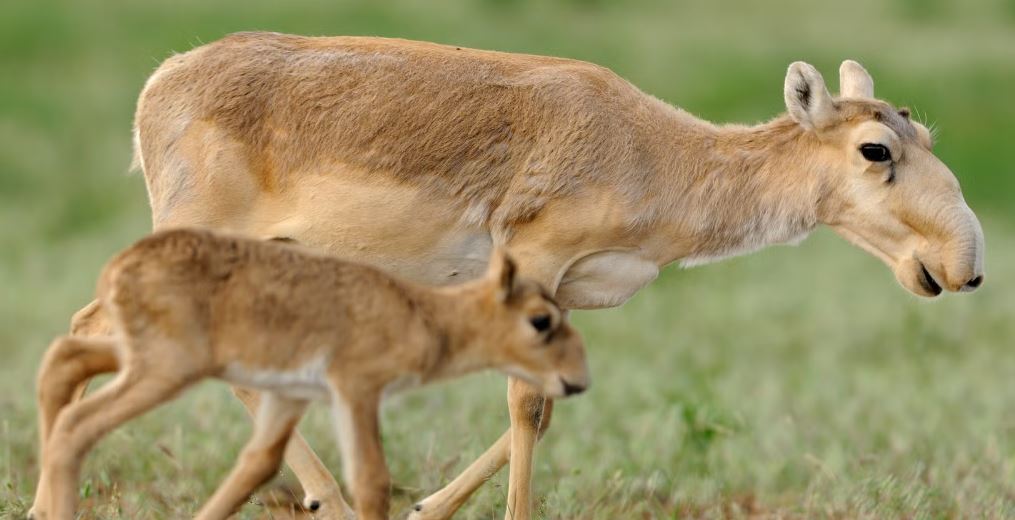
Delegates to a United Nations meeting on global wildlife commerce have approved a proposal by Kazakhstan to loosen trade restrictions on the saiga antelope, while rejecting a move by Tajikistan to tighten protections for the striped hyena. The decisions came in Samarkand, Uzbekistan, where several thousand representatives from around the world have gathered for a meeting of the Convention on International Trade in Endangered Species of Wild Fauna and Flora, or CITES. The conference, which runs from November 24 to December 5, was last held in Panama in 2022. The decision to relax trade in saigas, whose horns are used in traditional medicine, is a response to the spectacular recovery of the species after it was close to extinction. Kazakhstan presided over this conservation success story, and the CITES decision amends a “zero export quota” to exclude saigas only from populations Kazakhstan. A CITES committee adopted the proposal by a vote of 111 in favor, 7 against, and 14 abstentions, reported the Earth Negotiations Bulletin, which covers U.N. environment and development negotiations. A proposal needs a two-thirds majority vote to be approved. More saiga safeguards were added in an amendment backed by Britain, the European Union and the United States, and the situation will be reviewed at the next CITES meeting in a few years. Mongolia, which has a smaller, more vulnerable population of saigas, had opposed Kazakhstan’s initiative. Some groups, including the New York-based Wildlife Conservation Society, said the reopening of commercial trade in Kazakhstan’s saigas could increase consumer demand, promote poaching and put pressure on enforcement mechanisms. In the case of the striped hyena, Tajikistan unsuccessfully sought to persuade delegates to the wildlife trade meeting to place the species on Appendix I, a CITES designation that would effectively bar trade aside from with a few exemptions. The species, labeled “near threatened” by the global IUCN Red List of Threatened Species, is currently on the much less restrictive Appendix III. Algeria, Iran and Kazakhstan were among countries that backed Tajikistan’s proposal, while Britain, the European Union, Zambia and Tanzania said the proposal doesn’t meet Appendix I criteria, according to the Earth Negotiations Bulletin. A CITES committee rejected Tajikistan’s proposal in “a secret ballot of 75 for, 47 against and 13 abstentions,” the bulletin said, indicating that proponents did not pass the two-thirds threshold. The striped hyena has a vast range that includes Africa, the Middle East, and Central Asia, but there is difficulty in obtaining data on the solitary, noctural species. Additionally, while habitat degradation and human-wildlife conflict are factors in the population’s decline, uncertainty over how much the illegal trade in the striped hyena is affecting its numbers may have raised questions about whether Tajikistan’s proposal was justified.  

Kyrgyzstan Election Delivers Wins for Women and the President’s Allies

Kyrgyzstan held snap parliamentary elections on November 30 that seem not to have elicited widespread enthusiasm among the electorate. Not long ago, Kyrgyzstan had the most vibrant political culture in Central Asia. Campaigning for parliamentary elections was a lively period that was impossible not to notice. Parties and candidates were in the news constantly in the weeks before the elections. There were campaign posters and signs, and public events with concerts organized by parties or candidates all around the country. The rapid pace of these latest elections, in which candidates had only 20 days to campaign, might have contributed to voter confusion and apathy on election day, but the elections do seem to have come off without any major controversy. In a country that has had three revolutions in the last 20 years, two of them directly connected to parliamentary elections, a quiet election day is a victory of sorts. Election Day Polls opened at 8:00 local time, and several hours after they closed at 20:00, Kyrgyzstan’s Central Election Commission reported that 36.9% of eligible voters had cast ballots. The last few elections in Kyrgyzstan have seen turnouts of less than 40%. This time, the Kyrgyz authorities were hoping for a significant increase in participation to validate the new system for parliamentary elections approved earlier this year. However, the turnout of 36.9% was only slightly better than the 34.61% of voters who took part in the November 2021 parliamentary elections. As many as 500,000 Kyrgyz citizens are working or living outside Kyrgyzstan, and only just over 26,000 showed up at any of the 100 polling stations in 34 countries. Five of Kyrgyzstan’s last six parliamentary elections were decided based on party lists. The last parliamentary elections were conducted under a split system, whereby 54 of the 90 seats in parliament were selected via party lists, and the other 36 seats in single-mandate districts. This time, all 90 seats were chosen under a majoritarian system, with a twist. The country was divided up into 30 electoral districts, each of which selected three deputies. Kyrgyzstan had a requirement that at least 30% of the seats in parliament should go to women, but that quota has not been observed in recent elections. In the November 30 elections, at least one woman had to be among the three candidates who secured seats in parliament, though up to two women could win in a district (at least one of the winners was required to be a man). Election results confirmed that one woman won a seat in every district, but only one. There were no instances where two women took seats in a district. Also, according to the preliminary election results, all the women who won came in third place in their districts, with one exception. In District 23, veteran MP Elvira Surabaldiyeva took the most votes. Results posted by AKI Press showed that without the requirement of one female deputy per district, only seven women would have become deputies. Name recognition was bound to...