• KGS/USD = 0.01144 0%
  • KZT/USD = 0.00212 0%
  • TJS/USD = 0.10523 0%
  • UZS/USD = 0.00008 0%
  • TMT/USD = 0.28530 0%
  • KGS/USD = 0.01144 0%
  • KZT/USD = 0.00212 0%
  • TJS/USD = 0.10523 0%
  • UZS/USD = 0.00008 0%
  • TMT/USD = 0.28530 0%
  • KGS/USD = 0.01144 0%
  • KZT/USD = 0.00212 0%
  • TJS/USD = 0.10523 0%
  • UZS/USD = 0.00008 0%
  • TMT/USD = 0.28530 0%
  • KGS/USD = 0.01144 0%
  • KZT/USD = 0.00212 0%
  • TJS/USD = 0.10523 0%
  • UZS/USD = 0.00008 0%
  • TMT/USD = 0.28530 0%
  • KGS/USD = 0.01144 0%
  • KZT/USD = 0.00212 0%
  • TJS/USD = 0.10523 0%
  • UZS/USD = 0.00008 0%
  • TMT/USD = 0.28530 0%
  • KGS/USD = 0.01144 0%
  • KZT/USD = 0.00212 0%
  • TJS/USD = 0.10523 0%
  • UZS/USD = 0.00008 0%
  • TMT/USD = 0.28530 0%
  • KGS/USD = 0.01144 0%
  • KZT/USD = 0.00212 0%
  • TJS/USD = 0.10523 0%
  • UZS/USD = 0.00008 0%
  • TMT/USD = 0.28530 0%
  • KGS/USD = 0.01144 0%
  • KZT/USD = 0.00212 0%
  • TJS/USD = 0.10523 0%
  • UZS/USD = 0.00008 0%
  • TMT/USD = 0.28530 0%

Viewing results 715 - 720 of 2389

Mirziyoyev Invites Trump to Visit Uzbekistan

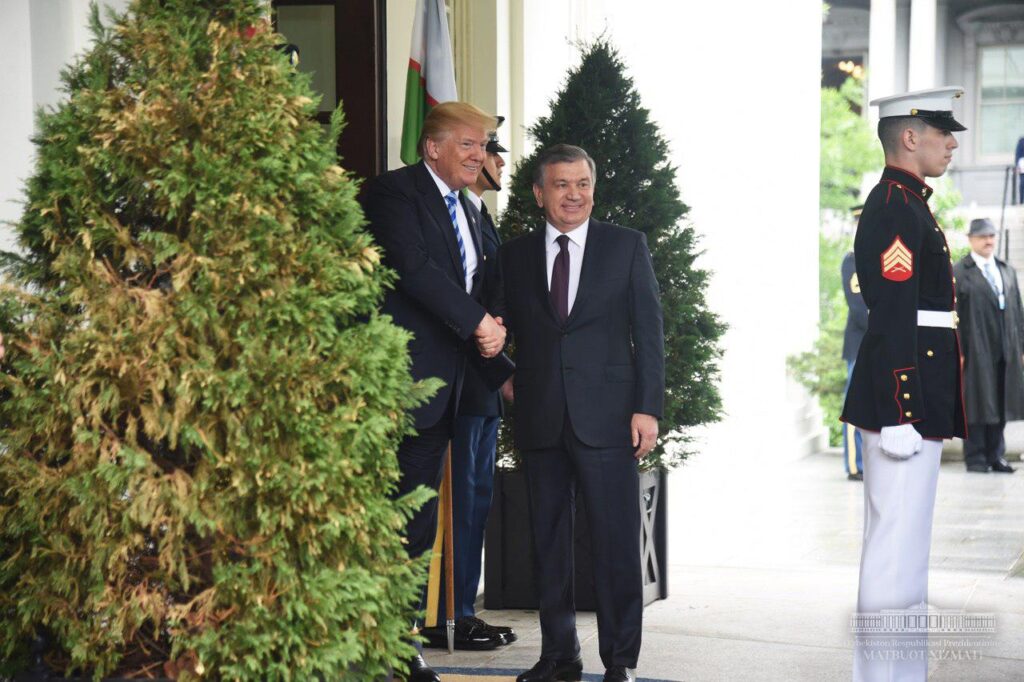
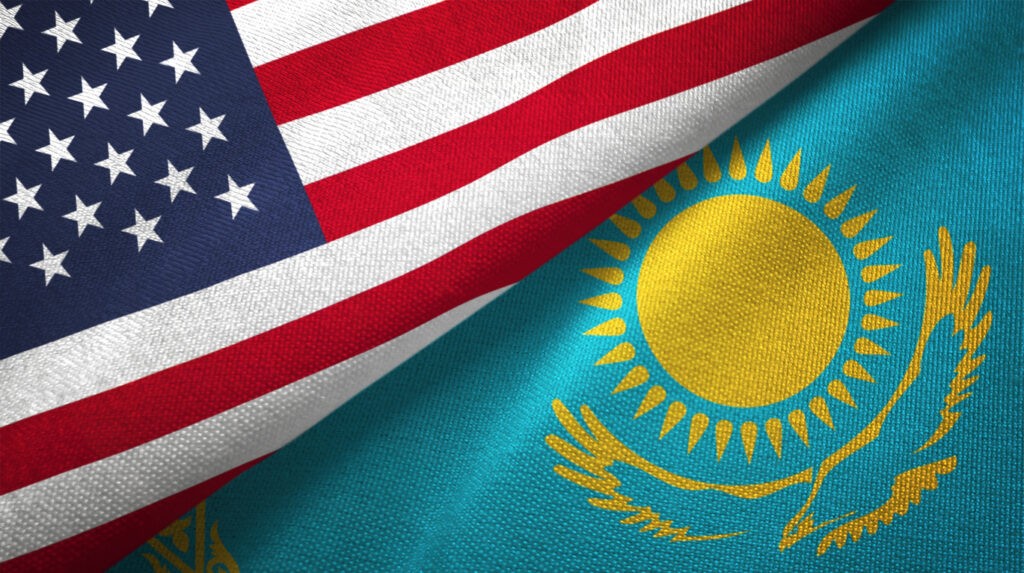
Uzbekistan’s President Shavkat Mirziyoyev has extended his congratulations to Donald Trump on his inauguration as the 47th President of the United States by inviting him to visit Uzbekistan. Mirziyoyev's press secretary, Sherzod Asadov, made the announcement. Republican candidate Donald Trump won the November 2024 U.S. presidential election and was sworn into office on January 20, 2025. In his congratulatory letter, Mirziyoyev expressed confidence that the United States, under Trump’s leadership, would continue to enhance its global influence and prestige. He commended the country’s economic strength and vital role in international affairs. The letter also highlighted Uzbekistan’s appreciation for the United States’ consistent support of its independence, sovereignty, and territorial integrity. Mirziyoyev voiced optimism for a new era of strategic partnership between the two nations during Trump’s presidency. He stressed the importance of deepening bilateral ties and expanding collaboration through bilateral and multilateral platforms. President Mirziyoyev also invited Trump to visit Uzbekistan, a gesture aimed at strengthening the relationship between the two countries. Mirziyoyev visited the United States in 2018 during Trump’s previous term as president. When the two leaders met at the White House, Trump remarked on Uzbekistan’s growing influence: “The authority of Uzbekistan is growing. It’s an honor for us to meet with you in the White House.” In addition to Uzbekistan, other Central Asian leaders congratulated Trump on his inauguration. Kazakhstan’s President Kassym-Jomart Tokayev sent a telegram expressing confidence in the continued development of mutually beneficial cooperation between Kazakhstan and the United States, particularly concerning energy, nuclear non-proliferation, and international security.
Jackson-Vanik: One Step Away from Repeal

The U.S. Senate has confirmed Marco Rubio as Secretary of State, raising hopes among Central Asian leaders - particularly in Kazakhstan - that his recent comments regarding the Jackson-Vanik amendment may soon translate into concrete action to repeal this outdated policy, which continues to hinder mutual trade. Passed in 1974 as part of the Trade Act under President Gerald Ford, the Jackson-Vanik amendment was designed to penalize countries with non-market economies that restricted emigration, particularly targeting the Soviet Union. The amendment specifically sought to pressure the USSR to allow its Jewish population to emigrate freely, while also protesting the suppression of Judaism and other religious practices. The amendment achieved a measure of success by 1989, when the Iron Curtain fell and Soviet Jews were permitted to emigrate in large numbers, primarily to Israel and the United States. However, the policy remained in place, even after the dissolution of the USSR, applying to the newly independent Central Asian republics despite their vastly different political and economic landscapes. On January 15, Rubio delivered a nearly five-hour confirmation speech during a Senate hearing for his nomination as Secretary of State under the Donald Trump administration. Among the topics discussed was the Jackson-Vanik amendment. Senator Steve Daines specifically asked Rubio for his position on the amendment, emphasizing that its repeal could normalize U.S. trade relations with Kazakhstan and Uzbekistan. Rubio described the amendment as “an absurd relic of the past,” asserting that it no longer serves any meaningful purpose in pressuring Central Asian countries on human rights. He warned that continued use of such measures could push nations like Kazakhstan and Uzbekistan closer to Russia’s sphere of influence. Rubio singled out Kazakhstan, noting that the country had “successfully met the conditions” to transition to a market economy, as evidenced by its accession to the World Trade Organization several years ago. He pledged to work with lawmakers to repeal the Jackson-Vanik amendment, signaling a shift in U.S. policy toward fostering deeper economic ties with the region. Why Central Asia Was Left Behind The continued application of the Jackson-Vanik amendment to Central Asia can be partially explained by the differing domestic policies of its key players - Kazakhstan and Uzbekistan. Under Nursultan Nazarbayev, Kazakhstan quickly abandoned Soviet-era restrictions on emigration and took steps to promote religious tolerance and interfaith harmony. By contrast, Uzbekistan under Islam Karimov maintained many of the Soviet Union’s repressive practices, including restrictions on religious minorities. This disparity in policies contributed to Washington’s perception of the region as monolithic and resistant to reform, discouraging efforts to lift the amendment. Recent Developments and Challenges In recent years, there have been efforts to lower trade barriers between the U.S. and Central Asia, particularly through initiatives like the B5+1 dialogue, which aims to attract greater Western investment to the region. However, the Jackson-Vanik amendment complicates these efforts, as countries must secure an annual waiver from the U.S. President to maintain normal trade relations. Kazakhstan has emerged as the frontrunner in advocating for the amendment’s repeal. An...

Kyrgyzstan Explores Hungarian Agricultural Technologies

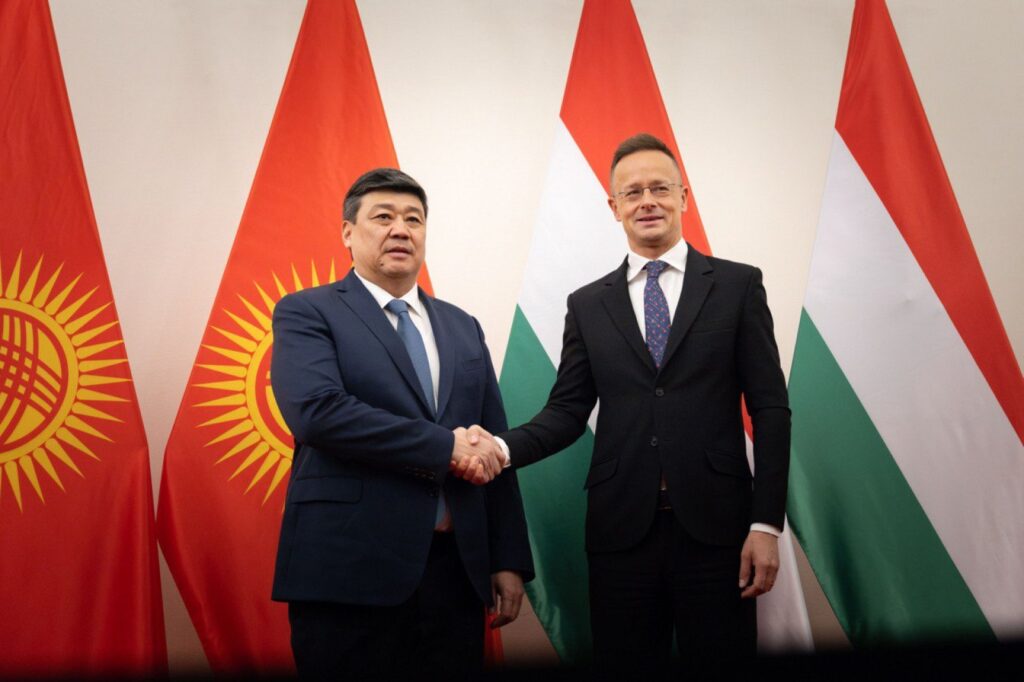
The 3rd Kyrgyz-Hungarian Agricultural Forum was held on January 17 in Budapest, Hungary, with the goal of strengthening ties between agricultural companies from Kyrgyzstan and Hungary. According to the Kyrgyz government’s official website, the forum showcased Hungary’s innovative agricultural technologies and solutions to address challenges in the sector. Focus on Innovation and Sustainability At the forum, leading Hungarian agricultural companies presented modern technologies aimed at increasing crop yields, improving irrigation systems, processing agricultural products, and promoting environmentally sustainable farming practices. These innovations align with Kyrgyzstan’s growing need to modernize its agricultural sector and improve productivity. Kyrgyzstan Seeks Hungarian Expertise Speaking at the forum, Kyrgyzstan’s Deputy Chairman of the Cabinet of Ministers and Minister of Water Resources, Agriculture, and Processing Industry, Bakyt Torobayev, emphasized Kyrgyzstan’s interest in Hungary’s expertise. "Hungary is a reliable partner with extensive experience in agricultural technologies, including processing agricultural products, improving plant varieties, and supporting the development of small and medium-sized farms," Torobayev said. He invited Hungarian entrepreneurs to expand their operations in Kyrgyzstan, noting that the country’s new economic policy focuses on three key sectors: agriculture, energy, and transport and transit. Torobayev highlighted Kyrgyzstan’s strategic location at the crossroads of the ancient Silk Road, which offers unique advantages for international trade. He pointed to the ongoing construction of the China-Kyrgyzstan-Uzbekistan railway as a critical infrastructure project to connect Central Asia with China, South Asia, Europe, and beyond. Meeting Between Kyrgyz and Hungarian Officials On the same day, Torobayev held discussions with Hungary’s Minister of Foreign Affairs and Trade, Péter Szijjártó. The meeting centered on implementing the Declaration of Enhanced Strategic Partnership, signed in November 2023 during Hungarian Prime Minister Viktor Orbán’s visit to Bishkek. One key topic of discussion was the preparation of a comprehensive long-term development plan for Lake Issyk-Kul, Kyrgyzstan’s largest lake and a vital tourist destination. The plan aims to address environmentalconcerns such as climate change, ecosystem degradation, and overuse of natural resources. Hungarian specialists, drawing on their experience with Lake Balaton, will collaborate with Kyrgyz counterparts to develop and regulate the Issyk-Kul region. Enhancing Bilateral Cooperation Another significant outcome of the meeting was the agreement to increase the authorized capital of the Kyrgyz-Hungarian Development Fund by an additional $34 million. This fund plays a crucial role in fostering economic collaboration between the two countries. The ministers also discussed: Increasing exports of Kyrgyz agricultural products to Europe, focusing on environmentally friendly produce. Establishing logistics centers that adhere to European quality and safety standards. Hungary’s Growing Interest in Central Asia Hungary has consistently sought to deepen its engagement with Turkic-speaking countries in Central Asia. As an observer state of the Organization of Turkic States (OTS), which includes Azerbaijan, Kazakhstan, Kyrgyzstan, Turkey, and Uzbekistan, Hungary has prioritized economic and cultural ties with the region. Turkmenistan also holds observer status within the OTS.

Afghanistan as Part of Central Asia: Expectations, Reality, Challenges, and Threats

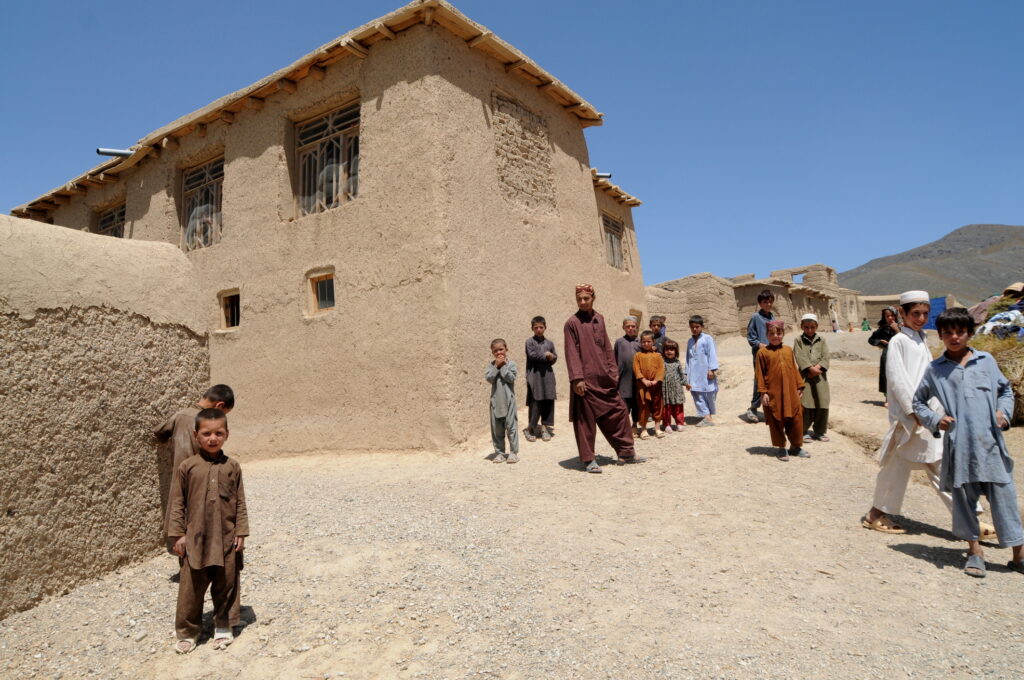
Afghanistan has increasingly been regarded in expert and journalistic circles as part of Central Asia, which is justifiable from a physical-geographical perspective. However, given current regional realities, it is still premature to classify the country as part of Central Asia in terms of being internationally recognized as such. The outcome of the 19th-century rivalry between the British and Russian Empires for influence in Central Asia, known as the "Great Game," not only established the modern southern borders of the region but also set Afghanistan and its northern neighbors on entirely different social and historical paths. The countries differ in value systems, ideologies, public consciousness, and, of course, economic development. At the same time, experts from the Russian Institute for Central Asian Studies note that "In the early 21st century, approaches to analyzing regional realities shifted towards geo-economics. The spatial dimension of Central Asia began to be seen as a zone for pipeline transit." This perspective is hard to argue against — Afghanistan’s current geopolitical interests and challenges are largely tied to the economic interests of countries at the regional level. This includes India, Iran, China, the UAE, Pakistan, Russia, Turkey, and the Central Asian states, for whom Afghanistan's prospects are evident. Chiefly, these prospects concern its transit potential as a territory connecting various parts of Asia. Four out of the six logistics corridors under the Asian Development Bank’s Central Asia Regional Economic Cooperation Program (CAREC) pass through Afghanistan into Uzbekistan, Tajikistan, and Turkmenistan. Other relevant projects include the "China–Pakistan Economic Corridor" under the "One Belt One Road" initiative, the "Trans-Afghan Corridor," and the TAPI Gas Pipeline. However, Afghanistan's current situation, particularly given the stagnant Afghan-Pakistani conflict, casts doubt on the feasibility of these and other major projects involving Afghanistan. As previously stated by TCA, the future of these large-scale projects involving Central Asian countries, as well as regional stability, a fundamental condition for steady economic development, depends directly on whether an understanding is reached between these two nations. Thus, a geo-economic approach to redefining Central Asia’s new boundaries still requires a different reality. Meanwhile, within Central Asia itself, there is little enthusiasm for political rapprochement with Taliban-ruled Afghanistan. The primary focus is on trade/economic and humanitarian cooperation, with no broader agenda, particularly at a regional level. Tajikistan’s position is significant here, as its authorities continue to view the Taliban as a threat and tread cautiously in building relations with them.  What Prevents Central Asian Countries from Accelerating Relations with Afghanistan? The answers lie not only in different developmental trajectories and scenarios. First and foremost, Afghanistan is still associated with "uncertainty" and numerous risks, particularly in terms of security. According to many assessments, the Afghan-Pakistani zone will, in the long term, remain a source of terrorist and religious-extremist threats to Central Asia. These conclusions are based on a retrospective analysis of escalating tensions, current processes in Afghanistan, and the geopolitical confrontation of global powers in the area. For example, the Soviet invasion in 1979 fostered the consolidation of the Afghan mujahideen,...

Kazakhstan-China Railway Cargo Transportation Reaches Record High in 2024

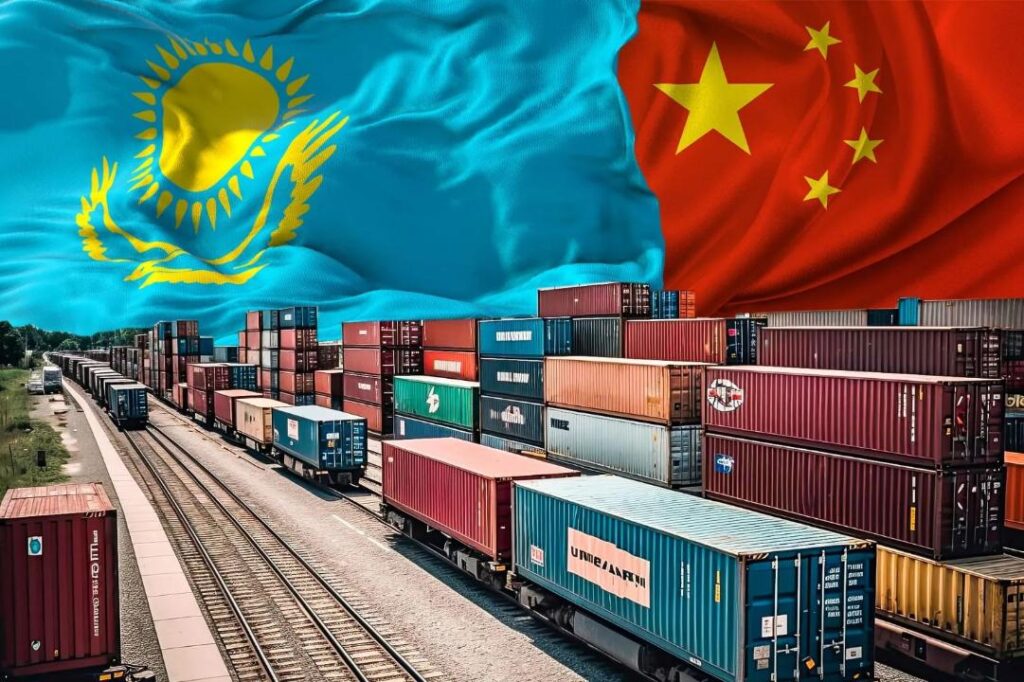
In 2024, railway cargo transportation between Kazakhstan and China exceeded 32 million tons, achieving an all-time high, according to the Kazakh Ministry of Transport. Kazakhstan’s rail exports to China grew by 1 million tons, totaling 13.7 million tons. Key export commodities included iron and non-ferrous ore, ferrous and non-ferrous metals, and grain. Meanwhile, Chinese transit cargo passing through Kazakhstan increased by 19%, reaching 15.3 million tons. Additionally, containerized Chinese cargo transiting to Europe via the Trans-Caspian International Transport Route (TITR) recorded significant growth, rising by 43% compared to 2023. One of the main drivers of this record-breaking performance was the opening of a Kazakh terminal at the dry port in Xi’an, China. In 2024, more than 300 container trains passed through this terminal and the Kazakh Caspian port of Aktau, an astonishing thirtyfold increase from 2023. Kazakhstan Temir Zholy (KTZ), the country’s national railway company, has expanded its terminal network. Currently, Kazakhstan operates five major terminals: The port of Lianyungang (China), The dry port in Xi’an (China), Dostyk railway station (Kazakhstan), The Khorgos Gateway dry port (Kazakhstan), and The ferry complex at the Caspian port of Kuryk (Kazakhstan). Kazakhstan has announced plans to add nine additional terminals over the next two years, reinforcing Kazakhstan’s position as a vital hub for transcontinental trade. Several terminal construction projects began in 2024, including: Almaty, Kazakhstan: A logistics hub aimed at strengthening domestic cargo-handling capacity. Azerbaijani port of Alat: A joint project involving Kazakhstan, Azerbaijan, and China to establish a cargo terminal in Baku. Budapest, Hungary: A terminal in Hungary’s capital designed to expand Kazakhstan’s trade network in Europe. Selyatino, Russia: A facility near Moscow to support rail cargo transportation between Kazakhstan, Russia, and China. Additionally, and in collaboration with China’s port of Lianyungang, Kazakhstan has begun constructing a container hub at the Caspian port of Aktau. Kazakhstan’s expanding railway infrastructure will solidify its role as a key logistics hub connecting China, Central Asia, and Europe. With continued investment in terminal networks and partnerships with regional and global stakeholders, Kazakhstan is well-positioned to further enhance its trade capacity and meet the growing demand for transcontinental cargo transportation.

Iranian President Honored as Professor at Tajik Medical University

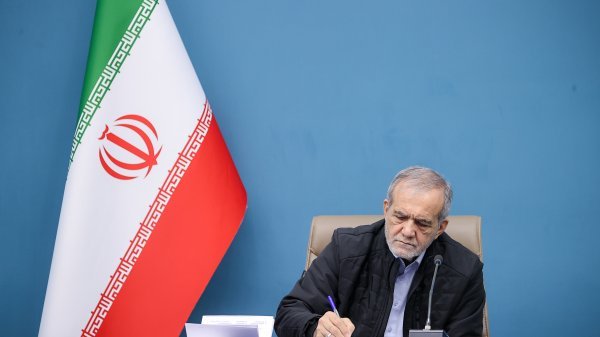
The President of Iran, Masoud Pezeshkian, has been awarded the title of honorary professor by Avicenna Tajik State Medical University, according to the Khovar news agency. On January 16, during his first state visit to Tajikistan, Pezeshkian, accompanied by Tajik Prime Minister Kohir Rasulzoda, toured the university. He met with faculty members and learned about the institution’s achievements, including advancements made at its Simulation Center. In a special ceremony, Pezeshkian received the title of honorary professor in recognition of his significant contributions to medical science and his efforts to foster cooperation in training skilled medical specialists. Expressing his gratitude, Pezeshkian thanked the people of Tajikistan for their warm hospitality and highlighted the importance of strengthening partnerships in healthcare, stating, “We are ready to enhance cooperation in healthcare, including sharing expertise in pharmaceuticals, surgery, and medicine.” Pezeshkian concluded his visit to the university by signing the guest book. This is Pezeshkian's first state visit to Tajikistan. Upon his arrival on January 15, he was welcomed personally by Tajik President Emomali Rahmon at Dushanbe International Airport.