• KGS/USD = 0.01143 0%
  • KZT/USD = 0.00212 0%
  • TJS/USD = 0.10718 -0.09%
  • UZS/USD = 0.00008 0%
  • TMT/USD = 0.28571 0%
  • KGS/USD = 0.01143 0%
  • KZT/USD = 0.00212 0%
  • TJS/USD = 0.10718 -0.09%
  • UZS/USD = 0.00008 0%
  • TMT/USD = 0.28571 0%
  • KGS/USD = 0.01143 0%
  • KZT/USD = 0.00212 0%
  • TJS/USD = 0.10718 -0.09%
  • UZS/USD = 0.00008 0%
  • TMT/USD = 0.28571 0%
  • KGS/USD = 0.01143 0%
  • KZT/USD = 0.00212 0%
  • TJS/USD = 0.10718 -0.09%
  • UZS/USD = 0.00008 0%
  • TMT/USD = 0.28571 0%
  • KGS/USD = 0.01143 0%
  • KZT/USD = 0.00212 0%
  • TJS/USD = 0.10718 -0.09%
  • UZS/USD = 0.00008 0%
  • TMT/USD = 0.28571 0%
  • KGS/USD = 0.01143 0%
  • KZT/USD = 0.00212 0%
  • TJS/USD = 0.10718 -0.09%
  • UZS/USD = 0.00008 0%
  • TMT/USD = 0.28571 0%
  • KGS/USD = 0.01143 0%
  • KZT/USD = 0.00212 0%
  • TJS/USD = 0.10718 -0.09%
  • UZS/USD = 0.00008 0%
  • TMT/USD = 0.28571 0%
  • KGS/USD = 0.01143 0%
  • KZT/USD = 0.00212 0%
  • TJS/USD = 0.10718 -0.09%
  • UZS/USD = 0.00008 0%
  • TMT/USD = 0.28571 0%

Viewing results 769 - 774 of 1735

Kyrgyzstan to Introduce New Measures to Curb Noise Levels

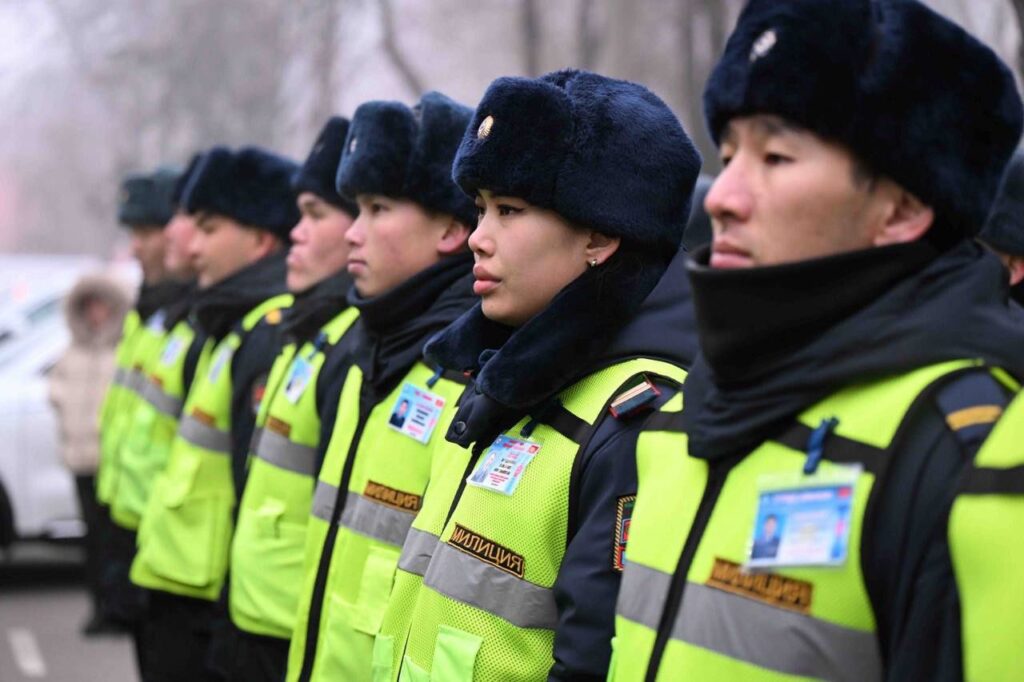
During a parliamentary session, deputies determined that the Interior Ministry should be authorized to collect fines for excessive noise. According to the republic's law, fines for exceeding acceptable levels of  noise were previously issued by the Department of Health Prevention. However, according to the deputies, the department was not properly equipped to measure levels of noise on the streets or on premises. In addition, the department's employees do not work at night, when violations are most likely to occur. “Individuals believe their rights should not be violated if they want to invite a noisy company home to an apartment building at night, put on music, start construction or repair work, or watch television at a volume that exceeds the maximum permissible noise levels. Entertainment or construction work in one apartment can become a nightmare or sleepless nights for many living there. But complaints to the police due to the lack of the necessary law have no proper effect,” said the Kyrgyz Interior Ministry. According to the civil code of offenses, loud noise is prohibited from 10 p.m. to 7 a.m. on weekdays and to 9 a.m. on non-working days and holidays. The only exception is during New Year's Eve celebrations. Violation of the rules in settlements or public places is punishable by a fine of 10 thousand KGS ($120) for individuals and 28 thousand KGS ($330) for legal entities.
Kazakhstan Listed as a Top Destination by Lonely Planet

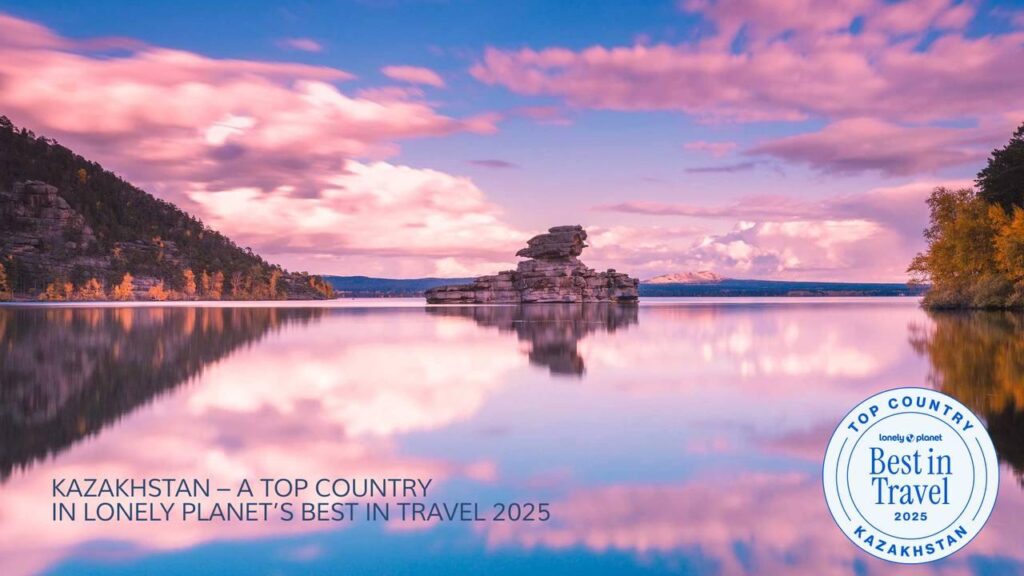
Kazakhstan has been included in Lonely Planet's prestigious "Best in Travel 2025" ranking, earning it recognition as one of the year's best travel destinations. Lonely Planet, a leading international publisher, was established in 1973 and since then, has published comprehensive travel guides in 14 languages, covering 195 countries. Aimed to inspire people to explore the world, the organisation also publishes articles, lists, and rankings of the best places to visit, based on recommendations from experts and travelers and according to their unique cultures and natural diversity. Kazakhstan's high ranking in 'Best in Travel 2025', is largely attributed to its ancient traditions and modern achievements, and especially, its rich history and varied landscapes. Vice Minister of Tourism and Sports of the Republic of Kazakhstan Yerzhan Erkinbayev warmly welcomed the country's inclusion in the list as validation of the growing international interest in Kazakhstan and stated that it emphasised the importance of promoting sustainable tourism. Lonely Planet's executive editor, Nitya Chambers, said the publication is proud of its choice and confident that this list will inspire travelers to make new discoveries. In its description of Kazakhstan, Lonely Planet focuses on the intertwining of ancient traditions and modern culture, hailing  the country a place where every visitor can discover something unique. The publication also mentions echoes of the ancient Silk Road, tangible in the vast steppes. Tourism in Kazakhstan has been actively developing in recent years, and the country is becoming increasingly popular among international travelers. Popular destinations include Almaty, Astana, and national parks. In the first six months of 2024 alone, 566,500 foreign tourists visited Kazakhstan, an increase of almost 10% compared to the same period in 2023. The demographics of foreign tourists is also on the rise. In the first quarter of this year, the average revenue of Kazakh companies working in the tourism sector - tour operators, travel agencies, and other organizations - increased five-fold. For January-March, it exceeded 160.3 billion tenge; the highest quarterly income indicator of tourism companies since the beginning of 2022. Kazakhstan's tourist potential has also been praised by other well-known travel publications. Earlier, “Conde Nast Traveler” and “Wanderlust” included Kazakhstan as one of the top world destinations for travel in 2024, and Almaty was included in a list of the 52 best tourist destinations issued by The New York Times.

Turkmenistan’s Unexplained Shortage of Gasoline

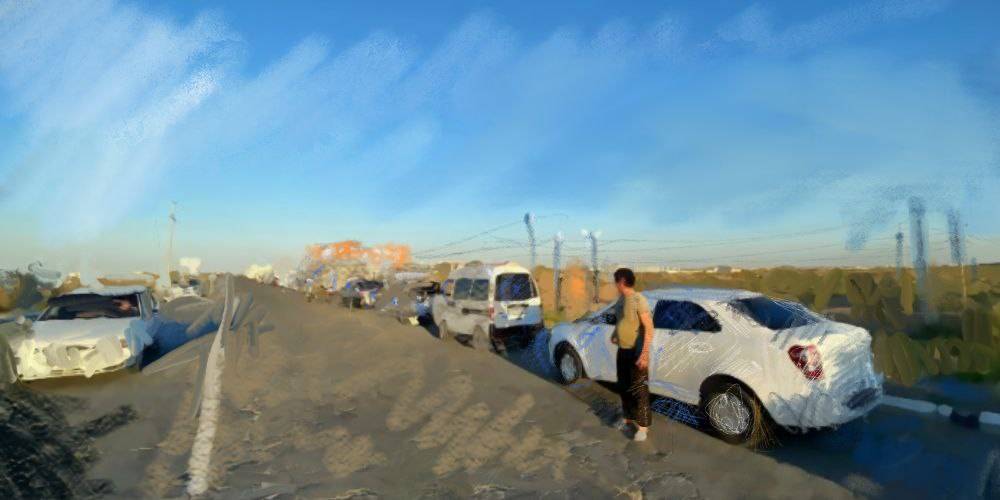
For months now, areas in eastern Turkmenistan have been facing a severe gasoline shortage. The lack of fuel at the pumps is having a knock-on effect that is raising food prices and shutting down public transportation. Turkmen officials have not acknowledged there is any problem, so the people of the affected regions have no idea why this happening or for how long this situation will continue. Gasoline shortages are not new to Turkmenistan. They have been occurring sporadically in recent years, usually during in late summer when harvesting of crops starts. This latest deficit is unprecedented for Turkmenistan in its duration and severity.   Long lines and purchase limits By late June, there reports from Lebap and Mary provinces about lines of cars of waiting at petrol stations. Often there was not enough gasoline for everyone. By mid-July, filling stations in at least five districts and several of the big cities in Lebap Province were often completely out of higher-grade gasoline – A92 and A95. Before the end of July, Lebap authorities imposed a 10-liter limit per customer, per day on gasoline purchases. At the start of July there were areas in the northeastern Dashoguz Province that were totally without gasoline, even the cheapest and most environmentally harmful A-80 grade (which is banned in many countries, including Kyrgyzstan and Tajikistan) was unavailable. In Mary Province, A-92 and A-95 gasoline ran out in July and by early August authorities had limited purchases of A-80 to 20 liters per customer, and even that was unavailable in many areas of the province. In October, Radio Free Europe’s Turkmen service, known locally as Azatlyk, posted a video of a line of vehicles some three kilometers long outside one of the few filling stations operating along the Turkmenabad-Mary highway. Azatlyk’s sources in the region said there were similar lines at filling stations throughout the province and in the provincial capital Turkmenabad. Some people are reportedly arriving at filling stations at 4am to get a place in line as close to the pumps as possible when the stations open. In Mary Province, some car owners said they were phoning family members to bring them food and water while they waited in line.   Prices going up at the pumps and other areas Turkmenistan has some of the least expensive gasoline in the world with an average of $0.428 per liter, roughly a third of the world average of $1.30 per liter. The official rate of Turkmenistan’s national currency, the manat, is 3.5 to $1. The state regulated cost of one liter of gasoline is 1.15 manat for A-80, 1.35 for A-92, 1.5 for A-95, and 1 manat for diesel. There have been incidents where filling station employees have been illegally selling gasoline at 5-6 manat per liter to those who can afford it. The shortage is having an effect on public transportation. Most buses are assigned to bringing people to and from the cotton fields once harvest starts toward the end of August or early September...

Russian Journalist Inessa Papernaya Found Dead in Tashkent Hotel

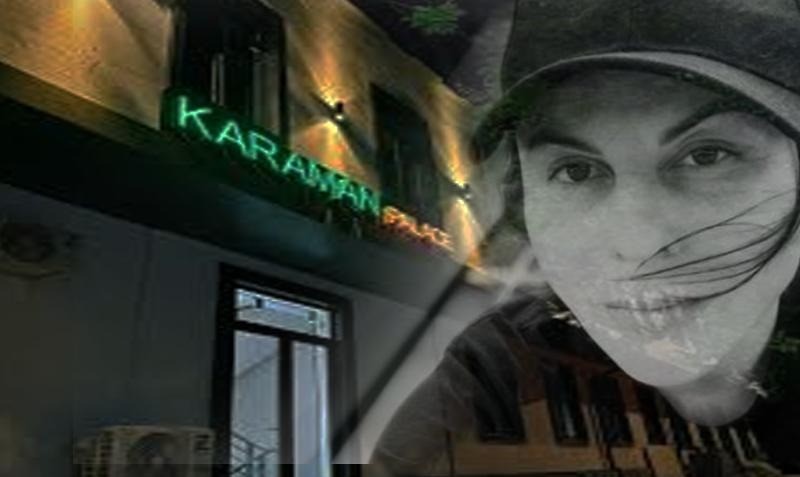
Russian journalist Inessa Papernaya, known for her work with lenta.ru and profile.ru, was tragically found dead in a hotel in Tashkent, Uzbekistan, on October 20. It has been reported that Papernaya was in Uzbekistan on vacation, and was staying at the Karaman Palace Hotel with a companion, Maxim Radchenko, with whom she was in a long-term relationship, and whom she had traveled with in order to meet his relatives. According to reports, hotel staff knocked on the door of her room that evening while delivering a package. After receiving no response, they entered the room and discovered the bodies of Papernaya and Radchenko. An Uzbek citizen was subsequently found dead in the bathroom of another room in the hotel. Preliminary reports attributed the cause of the deaths to poisoning of “unknown origin,” with early suggestions being propagated that gas seeped into the room through the ventilation system after the hotel’s pool was cleaned on October 19-20, leading to the tragic incident. Following the discovery, authorities sealed off the Karaman Palace Hotel. The General Prosecutor’s Office of Uzbekistan has launched an investigation under Article 186 of the Uzbek Criminal Code, which covers the provision of unsafe services, and a forensic examination has been ordered to determine the precise cause of death. Relatives of Radchenko have disputed what they have described as several different versions of the deaths which have been put forward. According to Radchenko's sister, the family were initially told that "he had an epileptic seizure; she ran up to him, slipped, fell, hit herself and died. This is some kind of TV series: how do you fall? What nonsense... Then there was a version about drugs, since their bodies were in the bathroom, that meant they were drug addicts." In a further twist challenging the official narrative regarding gas seepage related to the pool being cleaned, Radchenko's sister has categorically stated that "there is no pool there." Meanwhile, no websites advertising rooms at the Karaman Palace make any mention of a pool, with some stating outright that this facility is not available. Hayat Shamsutdinov, press secretary of the General Prosecutor’s Office of Uzbekistan, has confirmed that the bodies will be transported to Moscow for a joint cremation to be held on October 25.

Tajikistan Has Baked the World’s Tallest National-Themed Cake

In Dushanbe, 15 pastry chefs and representatives of the World Federation of Restaurant Sports (WFRS) from Kyrgyzstan, Russia, and Tajikistan set a world record by making a cake weighing 200 kg and 2.10 meters high. This culinary masterpiece became the world's tallest nationally-themed cake, which was confirmed by the Eurasian Rating Agency (ERA). The cake was transported by truck to Abulkasim Ferdowsi Park and placed on a decorated table. A copy of the 45-centimeter-high Ismoil Somoni monument was placed on the cake, and the confectionery had a square base with a side of 1.1 m. The cake was decorated with gingerbread figures of Tajikistan's landmarks, national ornaments, and more than 300 marshmallow elements stylized as watermelons, melons, grapes, and other fruits. Pastry chef Natalie Vee said the cake is designed for 100-200 people. The team created it in four days, using 160 eggs, 25 kg of sugar, about 45 kg of sugar paste, several kilograms of flour, and about 30 liters of juice. “We have set records in Russia, Africa, and Europe. This is the first record for Tajikistan, and I hope it will remain for a long time,” said Alexander Rabinovich, chairman of the ERA's Service and Hospitality Committee and WFRS secretary general. He explained that the cake preparation coincided with World Chef's Day and the national holiday Mehrgon. On that day, Ferdowsi Park also became the center of Mehrgon celebrations, where a harvest and culinary fair was organized, offering vegetables, fruits, honey, and drinks from different regions of Tajikistan. Two cake records stand out for their impressive scale and global attention. The tallest cake, created in Indonesia for a Christmas event in Jakarta in 2008, reached an astounding 33 meters. Equally remarkable is the record for the longest cake, stretching 5,300 meters, made in India in 2020. Both cakes captivated international audiences with their sheer size and uniqueness.

Image of Kelin in Kazakh Films

In Kazakh culture, a special place is occupied by the traditional relationship between yene (mother-in-law) and kelin (daughter-in-law). This relationship is a reflection of family values and cultural norms that have developed over the centuries. In recent years, the theme of yene and kelin has been actively developed in Kazakh cinematography, where directors and screenwriters reveal the depth of these relationships, emphasizing their complexity and multifaceted nature. In a traditional Kazakh family, yene plays an important role. She not only passes on domestic and cultural traditions to the younger generation but also helps the kelin to adapt to the new family. In turn, the kelin is responsible for managing the household and caring for the family, which is perceived as an important and honorable part of her social role. However, this relationship, based on mutual respect and support, is often not without its difficulties. As in any culture, traditions are sometimes the cause of conflict and tension. These complexities, caused by societal expectations and personal ambitions, are reflected in Kazakhstan films, which increasingly focus on the role of the kelin in modern life. The cinematography of Kazakhstan has become a powerful tool for researching and discussing traditional family relations. One of the most popular films on this topic is the comedy film Kelinka Sabina. In this film, the main focus is on the difficulties a young kelin faces when she enters a traditional family. The movie not only demonstrates the clash of cultures but also shows how the characters learn to accept each other despite the differences in outlook and habits. Kelinka Sabina became a sensation in Kazakhstan, not only for its comedic scenes but also for its heartfelt and poignant moments that invite viewers to reflect on family values. The film explores the dynamics between mother-in-law and daughter-in-law while humorously addressing the integration of modernity and tradition, highlighting the challenges of adapting to new ways of life. Another landmark film on this subject is Daughter-in-law is Also Human, which takes a more serious and in-depth look at the issue of female self-identification in traditional society, touching on important topics such as gender stereotypes, prejudice against women, and their role in modern Kazakhstan. The main character has to face the fact that she is expected to fully commit to the traditional role of a kelin, but she strives to maintain her personal space and rights. Her story of self-assertion serves as an example of how young Kazakh women can fight for their rights and change established stereotypes and expectations set by generations. Another film in the same series, Kelinka is Also a Person 2, takes a significant step in addressing the role of women in Kazakh society by broadening perceptions of what it means to be a kelin in the modern world and opening up a discussion on gender roles and women's rights. The image of the kelin in Kazakh films epitomizes the complex and multifaceted aspects of Kazakh culture. The relationship between yene and kelin extends beyond a simple...