• KGS/USD = 0.01144 0%
  • KZT/USD = 0.00204 0%
  • TJS/USD = 0.10441 0%
  • UZS/USD = 0.00008 0%
  • TMT/USD = 0.28490 0%
  • KGS/USD = 0.01144 0%
  • KZT/USD = 0.00204 0%
  • TJS/USD = 0.10441 0%
  • UZS/USD = 0.00008 0%
  • TMT/USD = 0.28490 0%
  • KGS/USD = 0.01144 0%
  • KZT/USD = 0.00204 0%
  • TJS/USD = 0.10441 0%
  • UZS/USD = 0.00008 0%
  • TMT/USD = 0.28490 0%
  • KGS/USD = 0.01144 0%
  • KZT/USD = 0.00204 0%
  • TJS/USD = 0.10441 0%
  • UZS/USD = 0.00008 0%
  • TMT/USD = 0.28490 0%
  • KGS/USD = 0.01144 0%
  • KZT/USD = 0.00204 0%
  • TJS/USD = 0.10441 0%
  • UZS/USD = 0.00008 0%
  • TMT/USD = 0.28490 0%
  • KGS/USD = 0.01144 0%
  • KZT/USD = 0.00204 0%
  • TJS/USD = 0.10441 0%
  • UZS/USD = 0.00008 0%
  • TMT/USD = 0.28490 0%
  • KGS/USD = 0.01144 0%
  • KZT/USD = 0.00204 0%
  • TJS/USD = 0.10441 0%
  • UZS/USD = 0.00008 0%
  • TMT/USD = 0.28490 0%
  • KGS/USD = 0.01144 0%
  • KZT/USD = 0.00204 0%
  • TJS/USD = 0.10441 0%
  • UZS/USD = 0.00008 0%
  • TMT/USD = 0.28490 0%

Viewing results 103 - 108 of 1420

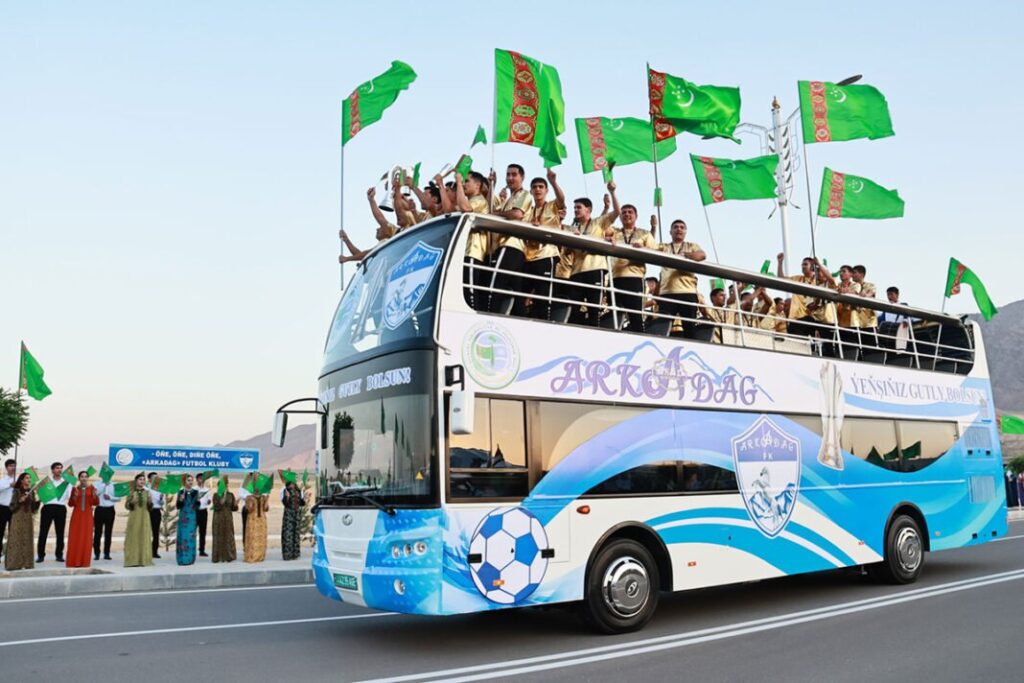
Turkmenistan’s Arkadag to Face Cristiano Ronaldo’s Al-Nassr in AFC Champions League

Turkmenistan’s Arkadag football team has drawn Saudi Arabia’s Al-Nassr, one of the favorites to win the AFC Champions League, in the round of 32. The Riyadh-based club features global football icon Cristiano Ronaldo. The play-off stage draw was held on December 30 in Kuala Lumpur. Arkadag could have faced Jordan’s Al-Hussein or the UAE’s Al-Wasl, but the outcome proved more challenging. Al-Nassr, widely considered a top contender for the title, will now travel to Ashgabat for a critical away match. Cristiano Ronaldo has been with the Saudi club for three seasons but has yet to play a match in Central Asia. In both 2023 and 2025, Al-Nassr shared a group with Tajikistan’s Istiklol. However, in each case, the matches in Dushanbe occurred late in the group stage, with Al-Nassr having already secured qualification, prompting the club to rest its key players. The upcoming encounter may break that pattern. As the first match of a two-legged tie, Al-Nassr is unlikely to underestimate its opponent. Arkadag, the reigning AFC Challenge League champion, has established itself as a formidable home team, maintaining an unbeaten record since its founding. In last season’s Challenge League playoffs, Arkadag defeated India’s East Bengal 2-1 and Kuwait’s Al-Arabi 3-0 on home turf. In this season’s AFC Champions League, the team has continued its strong form, securing a 1-0 win over Bahrain’s Al-Khalidiya and drawing 1-1 with both Uzbekistan’s Andijan and Qatar’s Al-Ahli. For Al-Nassr, the match represents an away challenge against a little-known but dangerous opponent. Arkadag's home advantage, unwavering support from local fans, and spotless home record make the team a serious threat, even for a club boasting global superstars. The first-leg match is scheduled for February 10 or 11 in Turkmenistan, with the return leg set for February 17 or 18 in Saudi Arabia. Arkadag is Central Asia’s sole representative in the AFC Champions League round of 32. However, the region will also be represented in the AFC Challenge League playoffs, with Kyrgyzstan’s Muras United advancing to the next stage. The Ashgabat fixture may become not only the highlight of Turkmenistan’s football winter, but also a rare opportunity for Central Asian fans to witness one of the world’s greatest players compete on regional soil.
Kazakhstan Considers Lowering Retirement Age for Shepherds and Herders

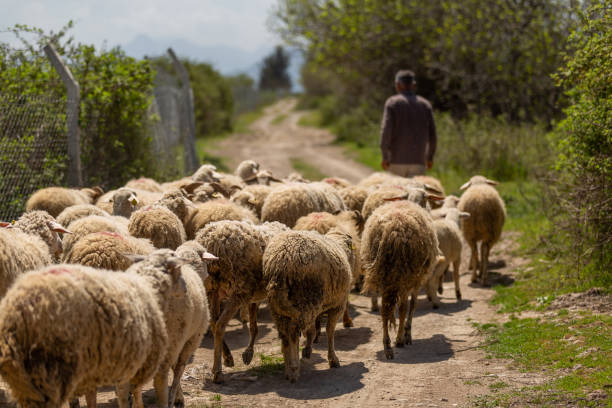
Kazakhstan is developing a package of social measures aimed at attracting and retaining personnel in the livestock industry, including a proposal to lower the retirement age for shepherds and herders. The initiative was discussed during a meeting of the Public Council under the Ministry of Agriculture, which reviewed the draft Comprehensive Plan for the Development of Agribusiness in the Livestock Sector for 2026-2030. The plan is designed to increase production, improve productivity, and enhance the sector’s export potential. A key focus of the draft is addressing staffing shortages in rural livestock farming, which the ministry has identified as a systemic challenge. According to the Ministry of Agriculture, the proposed support measures include reducing the retirement age for shepherds and herders, providing deferrals from military service, and prioritizing educational grants for their children. Specific retirement age parameters have not yet been disclosed. Currently, men in Kazakhstan retire at 63 and women at 61, with a gradual equalization planned from 2031. At present, certain groups, including mothers of large families, workers in hazardous occupations, military personnel, law enforcement officers, and victims of nuclear testing, are eligible for early retirement. Deputy Minister of Agriculture Amangali Berdalin also announced plans to launch long-term preferential loans at 6% per annum for the purchase of breeding stock for all types of farm animals. Additionally, 5% interest loans are planned to support working capital without sector-specific limitations. These funds can be used for purchasing feed, fuel and lubricants, veterinary drugs, and covering other ongoing production expenses. To reactivate underused pastures, a unified loan product at 6% is being developed to support transhumance livestock farming. All loan programs will be backed by state guarantees. The expansion of social and financial support for livestock farming comes amid rising export performance in the industry. As previously reported by The Times of Central Asia, Kazakh meat producers exported more products in the first ten months of 2025 than in all of 2024.

Orthodox Christmas in Central Asia Highlights Faith, Tradition, and Tolerance

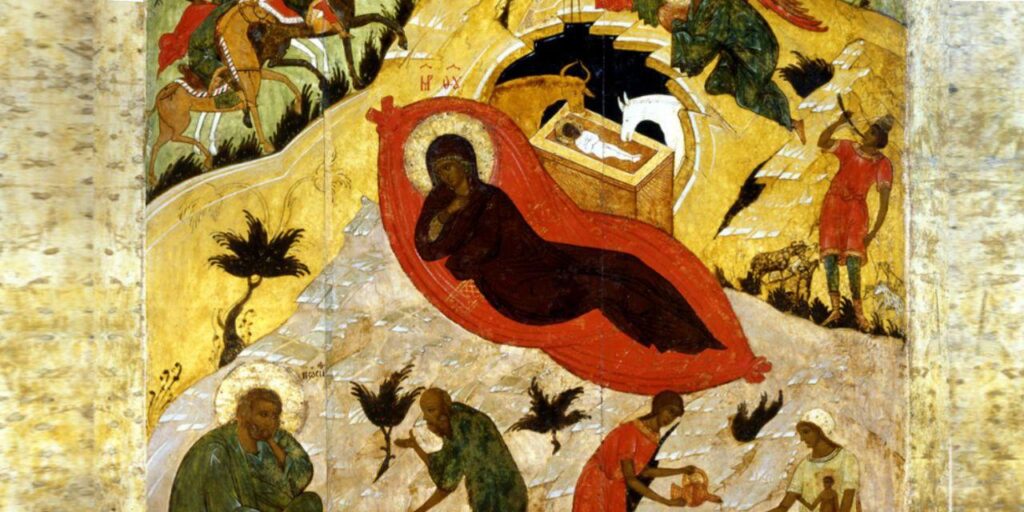
On January 7, Orthodox Christians in Central Asia and around the world celebrate Christmas. In the region, the holiday has become a symbol of religious and ethnic tolerance. Christmas is one of the most significant holidays for believers and is also cherished by many who are not religious. It is celebrated by billions globally. However, the majority of Orthodox Christians and Catholics do not observe Christmas on the same day. While Christmas falls on January 7 for millions of Orthodox Christians in Central Asia, the holiday is marked not only by church services but also by official recognition, public celebrations, and interfaith messages—underscoring the region’s emphasis on religious coexistence. In the early centuries of the Christian era, the Julian calendar was used universally, but, over time, astronomers found that the Julian calendar miscalculated the solar year’s length. As a result, it was replaced by the more accurate Gregorian calendar, which is now followed in most of the secular world. However, many Orthodox churches did not adopt the Gregorian reform. Consequently, many Orthodox Christians celebrate Christmas not on December 25, but 13 days later, on January 7. Some interpreters of church law argue that the Julian calendar is sanctified by centuries of tradition. The Russian Orthodox Church, in particular, maintains that transitioning to the Gregorian calendar would violate canonical norms. A Bright Holiday in Kazakhstan In Kazakhstan, the Ascension Cathedral in Almaty is filled with worshippers on Christmas Eve. The cathedral is a spiritual, historical, and cultural landmark of the country. [caption id="attachment_41873" align="aligncenter" width="1536"] The Zenkov (Ascension) Cathedral, Almaty; image: TCA, Stephen M. Bland[/caption] This year, Metropolitan Alexander, head of the Orthodox Church in Kazakhstan, conducted the divine liturgy at the cathedral, urging people to mark the holiday through acts of kindness. “It would be wrong to celebrate Christmas if we do not share this joy with our neighbors, especially those in need of comfort and support. Let us strive to make this festive season truly bright and solemn for all of us, through good deeds, words of comfort and encouragement, compassion, and mercy. Let us extend a helping hand to those who mourn, encourage those who are discouraged, visit those who are sick, and remember those who are lonely,” said Metropolitan Alexander of Astana and Kazakhstan. In Astana, Bishop Gennady of Kaskelen, administrator of the Metropolitan District, offered Christmas greetings and led a service at Uspensky Cathedral. Orthodox Christmas is a public holiday in Kazakhstan. Representatives of various faiths have emphasized that the day symbolizes peaceful coexistence among people of different nationalities and religions. Christmas Carols and Religious Freedom In Uzbekistan, Metropolitan Vikenty of Tashkent and Uzbekistan, head of the Central Asian Metropolitan District, led the Divine Liturgy at the Cathedral of the Assumption of the Blessed Virgin Mary in Tashkent. The Orthodox community in Uzbekistan is estimated to number between 600,000 and a million. Religious observers note that the public celebration of Orthodox Christmas across Central Asia increasingly reflects a broader emphasis on social stability, interfaith dialogue, and...

The Dental Mafia in Kazakhstan: How Pension Funds Were Siphoned Off

Kazakhstan’s Financial Monitoring Agency (FMA) is continuing its investigation into one of the country’s most high-profile financial crimes in recent years: the large-scale embezzlement of pension savings through fictitious dental services. Authorities allege that millions of dollars were siphoned from the Unified Accumulative Pension Fund (UAPF) via a sprawling criminal scheme involving dozens of dental clinics. According to the FMA, the investigation is ongoing and centers on clinic managers and their accomplices. The alleged scheme involved the withdrawal of pension savings from the UAPF through formal contracts for dental procedures, backed by forged medical documents. “For such ‘assistance,’ the organizers of the scheme received illegal remuneration amounting to 10% to 20% of the withdrawn funds,” the agency said. In total, 42 dental clinics are implicated. Investigators estimate that more than $390 million was illicitly funneled through these entities. The funds were reportedly used to acquire luxury real estate and other high-value assets, as well as to open new dental clinics registered under front persons to obscure the identities of the real beneficiaries. Some of the fabricated diagnoses were blatantly implausible. In one instance, a 21-year-old was diagnosed with “complete edentulism” (total tooth loss) and simultaneously prescribed both teeth cleaning and braces. In response to the violations uncovered, Kazakhstan suspended the use of pension savings to pay for dental services as of September 15, 2025. The measure, though temporary, signals a tightening of regulatory oversight amid public outcry. The program allowing partial use of pension savings for medical services was first introduced in 2021. It enabled citizens to access funds exceeding the so-called “sufficiency threshold” to pay for treatments, including expensive dental procedures such as prosthetics and implants.

Nestlé Recalls Batches of Infant Formula in Uzbekistan and Kazakhstan

Nestlé has initiated a voluntary recall of limited batches of infant formula in Uzbekistan due to a potential contamination risk involving one of the product’s ingredients supplied by an external vendor. The decision, described as precautionary, was announced by Nestlé Food LLC, the company’s local subsidiary. The recall affects select batches of dry instant milk and fermented milk-based formulas, as well as certain amino acid-based products intended for infants on specialized medical diets. The affected items include NAN 1 OPTIPRO, NAN 2 OPTIPRO, NAN Kislomolochniy (for infants up to 12 months), NAN Supreme (same age group), and ALFARÉ Amino. Nestlé Food LLC clarified that the recall applies only to the specified batches and does not impact other infant nutrition products sold in Uzbekistan. The company said the action follows a global recall initiated after a potential contamination with cereulide toxin was identified in arachidonic acid sourced from an external supplier. Although the quantity of this ingredient is minimal and Uzbekistan does not impose regulatory limits for cereulide in food products, Nestlé opted for a voluntary recall to mitigate any possible risk. The recall process began in Uzbekistan on January 5, 2026. Nestlé Food LLC confirmed it has informed local regulators and is prepared to provide comprehensive information to authorities, consumers, and retail partners. Consumers who purchased products from the affected batches can return them according to company-issued procedures. Customer support services are available to assist with the process. Similar precautionary measures have been announced in Kazakhstan. There, Nestlé is also recalling a limited number of infant food products, including dry and sour-milk formulas, as well as amino acid-based dietary items. The company explained that cereulide is a toxin produced by the bacterium Bacillus cereus. It is particularly hazardous because it cannot be destroyed by boiling or reheating. Exposure to cereulide can cause acute food poisoning, with symptoms including nausea, vomiting, and abdominal pain. The issue is not confined to Central Asia. Reuters reported that Nestlé has also recalled certain batches of its SMA, BEBA, and NAN infant formulas across parts of Europe due to the same contamination risk. Nestlé emphasized that consumer health and safety remain its highest priority. The company stated that the recall is a precautionary step aligned with its global quality and safety standards, and that no confirmed cases of harm have been reported to date.

Uzbekistan Targets 85% Drinking Water Access by 2030

Uzbekistan aims to provide 85% of its population with access to drinking water services by 2030, according to a draft strategy prepared by the Agency for Strategic Reforms under the President of Uzbekistan. The proposal forms part of a broader development roadmap focused on sustaining reform momentum and advancing national priorities through the end of the decade. The document outlines a gradual increase in drinking water coverage: 82% by 2026, 83% in 2027, 84% in 2028 and 2029, and reaching 85% by 2030. Officials say the targets reflect a long-term effort to modernize water infrastructure and improve living conditions in both urban and rural communities. The strategy also prioritizes public institutions. Authorities plan to ensure that, by 2030, all preschools and general secondary schools will have access to clean drinking water and be equipped with modern sanitation and hygiene systems. The focus aligns with national concerns over public health and the learning environment for children. The draft includes measures to enhance the efficiency of water use nationwide. Uzbekistan aims to boost water-use efficiency by 25%, ensure 100% metering of drinking water consumers, and reduce critically affected groundwater areas to 773,400 hectares. The government is also pursuing major infrastructure and agricultural initiatives. A key component is the planned expansion of the Tuyamuyun water reservoir’s capacity by 1 billion cubic meters. The project is expected to secure water supply for 1.2 million hectares of land, build strategic reserves of drinking water, and improve resilience to drought and shortages. Additionally, the plan promotes the cultivation of drought-resistant crops and high-yield varieties of fruits and grapes tailored to Uzbekistan’s climate, with the goal of increasing agricultural productivity by 30-35%. The renewed emphasis on water management comes as Uzbekistan faces mounting pressure on its water resources. Earlier, Energy Minister Jurabek Mirzamahmudov informed lawmakers in the Legislative Chamber of the country's parliament, the Oliy Majlis, that electricity generation at the country’s hydropower plants had dropped sharply due to water scarcity. According to him, inflows to major hydropower facilities had fallen by 35% compared with the previous year, significantly impacting power output.