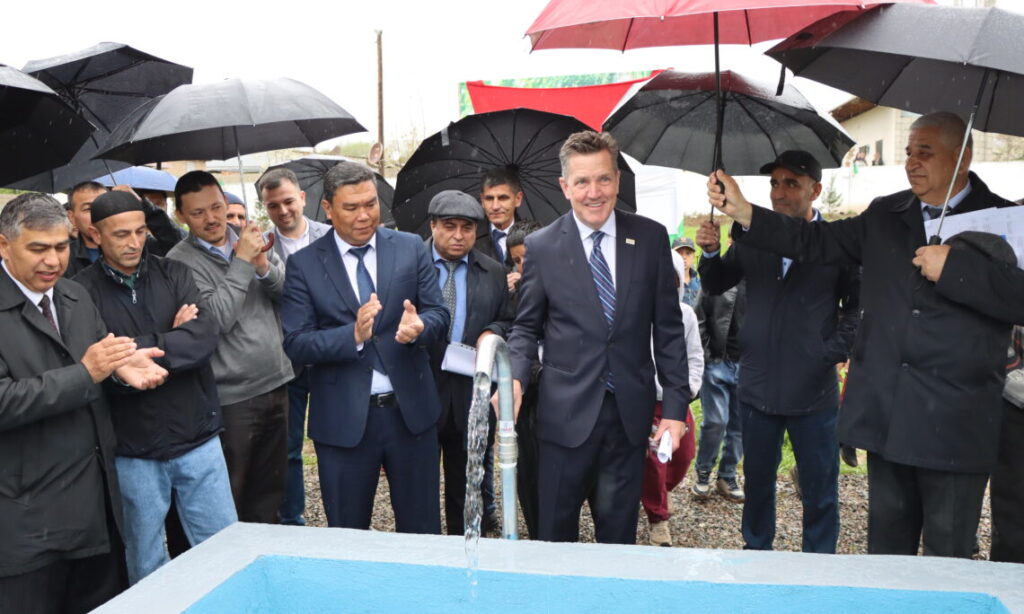
Uzbekistan aims to provide 85% of its population with access to drinking water services by 2030, according to a draft strategy prepared by the Agency for Strategic Reforms under the President of Uzbekistan. The proposal forms part of a broader development roadmap focused on sustaining reform momentum and advancing national priorities through the end of the decade.
The document outlines a gradual increase in drinking water coverage: 82% by 2026, 83% in 2027, 84% in 2028 and 2029, and reaching 85% by 2030. Officials say the targets reflect a long-term effort to modernize water infrastructure and improve living conditions in both urban and rural communities.
The strategy also prioritizes public institutions. Authorities plan to ensure that, by 2030, all preschools and general secondary schools will have access to clean drinking water and be equipped with modern sanitation and hygiene systems. The focus aligns with national concerns over public health and the learning environment for children.
The draft includes measures to enhance the efficiency of water use nationwide. Uzbekistan aims to boost water-use efficiency by 25%, ensure 100% metering of drinking water consumers, and reduce critically affected groundwater areas to 773,400 hectares.
The government is also pursuing major infrastructure and agricultural initiatives. A key component is the planned expansion of the Tuyamuyun water reservoir’s capacity by 1 billion cubic meters. The project is expected to secure water supply for 1.2 million hectares of land, build strategic reserves of drinking water, and improve resilience to drought and shortages.
Additionally, the plan promotes the cultivation of drought-resistant crops and high-yield varieties of fruits and grapes tailored to Uzbekistan’s climate, with the goal of increasing agricultural productivity by 30-35%.
The renewed emphasis on water management comes as Uzbekistan faces mounting pressure on its water resources. Earlier, Energy Minister Jurabek Mirzamahmudov informed lawmakers in the Legislative Chamber of the country’s parliament, the Oliy Majlis, that electricity generation at the country’s hydropower plants had dropped sharply due to water scarcity. According to him, inflows to major hydropower facilities had fallen by 35% compared with the previous year, significantly impacting power output.