• KGS/USD = 0.01143 0%
  • KZT/USD = 0.00216 0%
  • TJS/USD = 0.10684 -0.28%
  • UZS/USD = 0.00008 0%
  • TMT/USD = 0.28571 0%
  • KGS/USD = 0.01143 0%
  • KZT/USD = 0.00216 0%
  • TJS/USD = 0.10684 -0.28%
  • UZS/USD = 0.00008 0%
  • TMT/USD = 0.28571 0%
  • KGS/USD = 0.01143 0%
  • KZT/USD = 0.00216 0%
  • TJS/USD = 0.10684 -0.28%
  • UZS/USD = 0.00008 0%
  • TMT/USD = 0.28571 0%
  • KGS/USD = 0.01143 0%
  • KZT/USD = 0.00216 0%
  • TJS/USD = 0.10684 -0.28%
  • UZS/USD = 0.00008 0%
  • TMT/USD = 0.28571 0%
  • KGS/USD = 0.01143 0%
  • KZT/USD = 0.00216 0%
  • TJS/USD = 0.10684 -0.28%
  • UZS/USD = 0.00008 0%
  • TMT/USD = 0.28571 0%
  • KGS/USD = 0.01143 0%
  • KZT/USD = 0.00216 0%
  • TJS/USD = 0.10684 -0.28%
  • UZS/USD = 0.00008 0%
  • TMT/USD = 0.28571 0%
  • KGS/USD = 0.01143 0%
  • KZT/USD = 0.00216 0%
  • TJS/USD = 0.10684 -0.28%
  • UZS/USD = 0.00008 0%
  • TMT/USD = 0.28571 0%
  • KGS/USD = 0.01143 0%
  • KZT/USD = 0.00216 0%
  • TJS/USD = 0.10684 -0.28%
  • UZS/USD = 0.00008 0%
  • TMT/USD = 0.28571 0%

Viewing results 1009 - 1014 of 2537

Startups From Central Eurasia Set to Conquer Silicon Valley

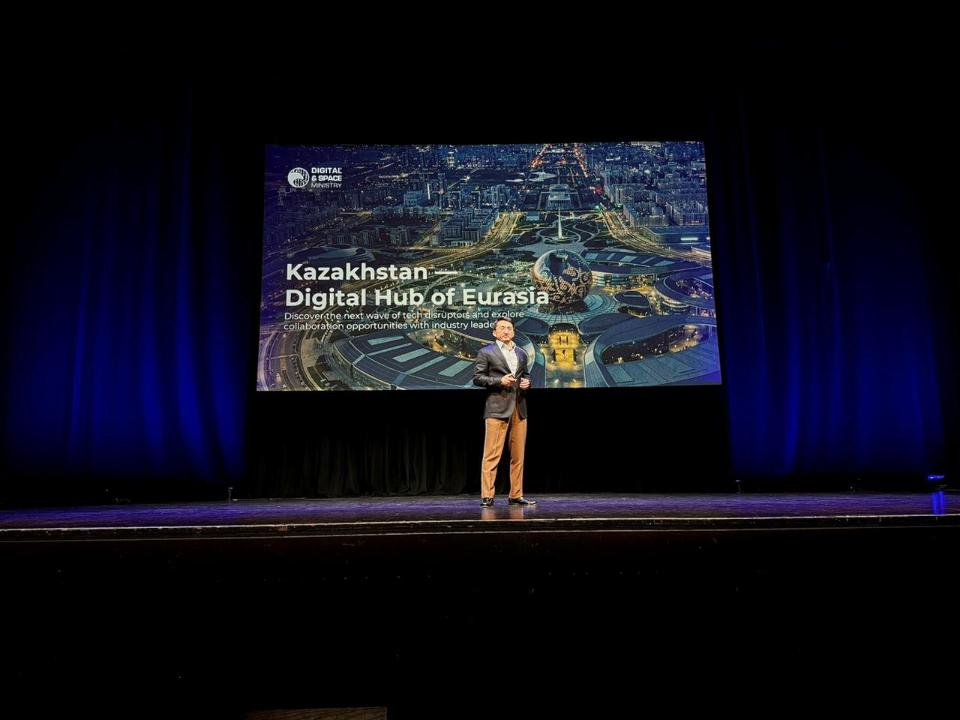
The following 10-15 years will see the birth of large tech companies originating from Central Eurasia, a vast region including Azerbaijan, Georgia, Kazakhstan, Kyrgyzstan, Mongolia, Tajikistan, Turkmenistan, Turkey, and Uzbekistan. This was stated at the first technology conference entitled Central Eurasia at Silicon Valley. The conference brought together the region's top 100 startups, American venture investors, large company leaders, and tech giants from Silicon Valley. According to the event organizers, Central Eurasia has enormous untapped potential. With a population of more than 100 million people and an average age of 27, about 200,000 young people in the region annually receive an education in the field of STEM (science, technology, education, mathematics). The area has everything necessary to develop the tech industry: universities, a startup ecosystem, venture funds, and its representative in Silicon Valley — Silkroad Innovation Hub, which, in the first year of its operation, attracted 80 resident startups and more than $30 million in investments. At the conference, Zhaslan Madiyev, Minister of Digital Development, Innovation and Aerospace Industry of Kazakhstan, said that Kazakhstan accounts for 50% of GDP in Central Eurasia. Kazakhstan is in 10th place in the UN GLOBAL Online Services Index and 3rd place among Central and South Asian countries in the Global Innovation Index (after Iran and India). “Recently, there has been a rapid development of new technologies, AI, blockchain, and all this stimulates the market and entrepreneurs to create startups,” Madiyev said. The minister added that Kazakhstani investors are ready to invest $100,000-$200,000 in startups at an early stage. Still, finding $1 million or $2 million in investment can be challenging, even in a more mature stage. Therefore, he urged the promotion of Kazakhstani startups abroad, especially in Silicon Valley.
Kyrgyzstan Triples Ice Cream Exports

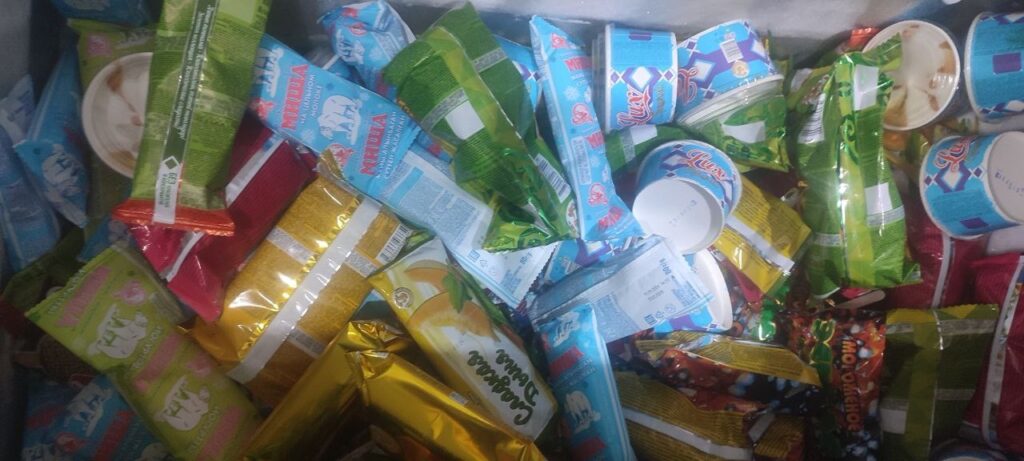
Kyrgyzstan has doubled its ice cream production in the last five years, and tripled its exports to other countries in the region. Last year, the country produced 10,800 tons of ice cream, up from 5,200 tons five years earlier. This increase is due to growing demand for Kyrgyz ice cream in other Eurasian countries, primarily Kazakhstan, Uzbekistan, and Russia. Exports to these countries have increased from 2,800 tons per year to 6,100 tons since 2019. “At the same time, imports of ice cream have shown good dynamics recently, and they have decreased from 2,788 tons (per year) to 1,969 tons. This indicates the substitution of imported products with domestic production,” said the Ministry of Agriculture of the Kyrgyz Republic. According to official data, Kyrgyzstan imports ice cream from Turkey, Belarus, and Lithuania. While a kilogram of ice cream from Russia costs 240 KGS ($3), Lithuania and Turkey ask an average of 570 KGS ($7). The cost of one kilogram of ice cream from Kyrgyzstan is just over 200 KGS ($2.5).

Five Uzbeks and One Tajik Escape Russian Penal Colony

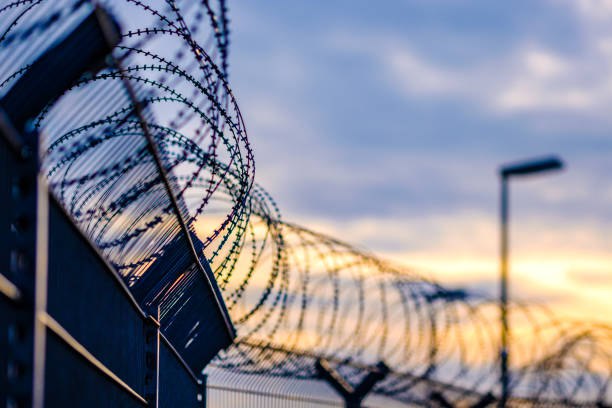
On the morning of October 26, news broke that six prisoners had escaped from a penal colony in Russia’s Lipetsk region. The escapees—five from Uzbekistan and one from Tajikistan—had been planning their escape for over six months. They stole tools seven months prior and used them to dig two tunnels. The Lipetsk prison is where the infamous Aleksey Sherstobitov is serving a 23-year sentence. Sherstobitov, known as 'Lyosha the Soldier', was a notorious hitman in the 1990s, working for the infamous Orekhovskaya crime group. Law enforcement has detained five of the six prisoners, who escaped through a dug tunnel. The prisoners, all convicted of rape and drug trafficking, had planned to reach the Kazakhstan border but only managed to travel a few dozen kilometers toward Tambov and Moscow. The search for the remaining escapee is ongoing. A criminal case has been opened for negligence against the colony officials who allowed the prisoners to escape. If found guilty they could face up to seven years in prison under Article 293 of the Russian Criminal Code.

Uzbekistan’s Cricket Team: We’re Ready For International Matches

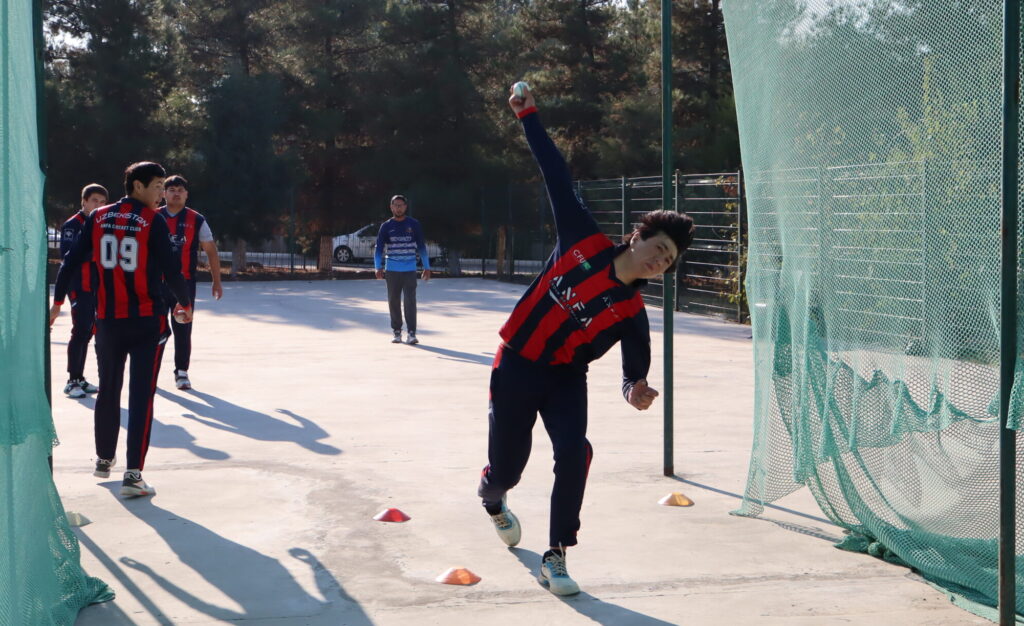
Supporters of Uzbek sport have had a lot to celebrate this year. The national football team currently sits at the top of its qualifying group for the 2026 FIFA World Cup, while eight of the country's athletes took gold at this summer's Paris Olympics.  But next year Uzbekistan wants to enter the world stage in a more surprising sport: cricket. The Central Asian country joined the game's governing body, the International Cricket Council (ICC), in 2022. As an “Associate” ICC member there are hopes that the Uzbek squad will play its first international matches in 2025, in the Twenty20 (T20) version of the game. T20 games are much shorter than traditional five-day Test matches. The nation's rapid progress is due to Aziz Mihliev, the owner of Tashkent pharmaceutical company Anfa. Mihliev fell in love with the game while living in India, where cricket is the national sport. As the founder and chairman of the O’zbekiston Kriket Federatsiyasi (Uzbekistan Cricket Federation), Mihliev has created the Anfa Cricket Academy in the capital's Yunusobod district, where three practice pitches cover a school playground. The federation invites students at Tashkent’s sports colleges to the academy to try their hand at cricket. Many of the players picked to wear the red and dark blue striped jerseys of the new Anfa Cricket Club are also talented tennis players. Mihliev has also built a cricket ground outside the capital, towards the town of Chirchiq, where a game between Salar Stars and Ferghana Rangers will be played this Sunday. There are plans to turn an abandoned Soviet-era stadium outside Samarkand into Uzbek cricket's second home. Travelling to represent Uzbekistan at global ICC conferences, Mihliev speaks with the ambition of a man who now rubs shoulders with the most influential people in the sport. From one such trip he writes: "My ambition is to see an Uzbekistan national team play a Test match against the England team. And win, of course!" Over 4,000 Uzbeks now play the game regularly at schools and universities, from Tashkent in the north of the country to the southern Surkhandaryo region.  Surkhandaryo borders Afghanistan, a passionate cricketing nation that reached the semi-finals of this year's men’s T20 World Cup. And it was to Afghanistan that Mihliev turned when recruiting a former international player to train his national team. Khaliq Dad Noori played a few games for Afghanistan at the beginning of the 2010s, when his own country was at the start of its journey to the top of world cricket.  Noori coaches his players in the Pashto language, which his Uzbek students can understand. But cricket in Uzbekistan still has a local flavour. Hitting techniques come straight from games of chilla, an old pastime played with sticks. Bats are known as tuqmoq – the name of a wooden club that Uzbek warriors used to brandish. Although some of Uzbekistan’s best cricketers have only been playing for a year or two, judging by the talent on show during a practice session they would beat most...

Authorities Rail Against Use of Kazakhstan in Circumventing International Sanctions Against Russia

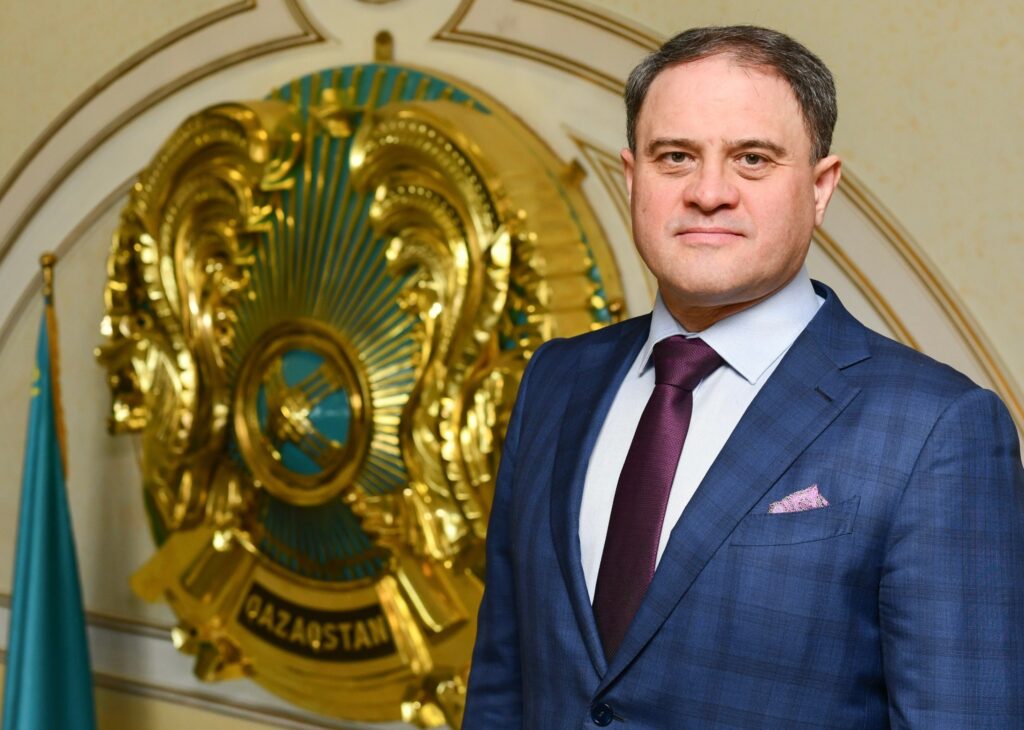
Kazakhstan's Deputy Foreign Minister Roman Vassilenko emphasized in an interview with the Polish publication PAP that the country seeks to prevent its territory from being used to circumvent international sanctions imposed against Russia. According to Vassilenko, although Kazakhstan has not officially imposed sanctions nor joined the anti-Russian measures, the republic's authorities consider it essential to prevent risks associated with possible secondary sanctions against its companies. This is especially important in regard to its close economic ties with Western countries. At the same time and in acknowledgement of its position concerning both its Western partners and Russia, Kazakhstan has emphasized the need for  balance and an avoidance of circumvention of restrictive measures. Vassilenko also noted that Kazakhstan is actively cooperating with the European Union on the sanctions regime, and as part of  these consultations, reported that he had been in dialog with David O'Sullivan, the EU special envoy for sanctions. Vassilenko denied speculation about growing tensions between Kazakhstan and Russia, and pointing out that the countries maintain close ties, explained: “There are different issues because we are neighbors and have diverse relations. We are working with Russia to solve these issues before they become problems. This is our approach not only to the Russian Federation but to any other country." After the start of the Russian military operation in Ukraine, Kazakhstan took a neutral stance and did not support Western sanctions against Moscow. Nevertheless, the Kazakh authorities have repeatedly stated that they will not allow the country's territory to be used to circumvent these restrictions. President Kasym-Jomart Tokayev, in his speeches, adheres to the principle of compliance with the international sanctions regime and aims to conduct a constructive dialog with the EU and the U.S. to  avoid possible secondary sanctions that could affect Kazakh companies.  

Swiss Company Roche to Produce Anti-Cancer Drugs in Almaty

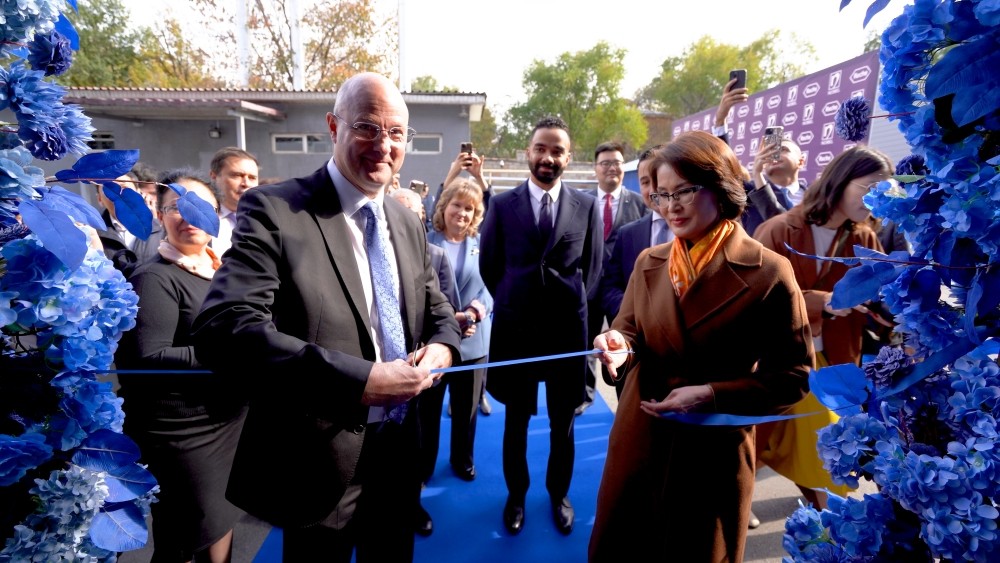
On October 24, the Swiss pharmaceutical giant F. Hoffmann-La Roche Ltd., in partnership with Nobel Almaty Pharmaceutical Factory JSC, launched the production of innovative drugs in Almaty. The project followed an agreement between Roche, Kazakhstan’s SK-Pharmacy LLP, Nobel, and the Kazakh Research Institute of Oncology and Radiology, with the support of National Company Kazakh Invest. Under the agreement, Roche committed to establishing local production of three biotechnological drugs for the treatment of HER2-positive breast cancer, an aggressive form of the disease that affects up to 20% of breast cancer patients in Kazakhstan. At the opening ceremony, Kazakhstan's Minister of Health, Akmaral Alnazarova, said: "The localization [of production] of oncological drugs by a global leader like Roche is a huge step forward for our country. This project will provide patients access to advanced treatments and significantly contribute to developing Kazakhstan's healthcare infrastructure.” The transfer of Roche's advanced technologies and production capabilities to local partners will reduce healthcare system costs in Kazakhstan and significantly expand patient access to essential medicines. Around 5,000 new cases of breast cancer are registered in the country annually, with approximately 1,200 resulting in death. This project is expected to increase the number of patients receiving therapy to 1,335 by 2026. The project is part of Kazakhstan’s plan to increase the share of domestically produced medicines and medical devices to 50%.