• KGS/USD = 0.01144 0%
  • KZT/USD = 0.00211 0%
  • TJS/USD = 0.10515 0.48%
  • UZS/USD = 0.00008 0%
  • TMT/USD = 0.28530 0%
  • KGS/USD = 0.01144 0%
  • KZT/USD = 0.00211 0%
  • TJS/USD = 0.10515 0.48%
  • UZS/USD = 0.00008 0%
  • TMT/USD = 0.28530 0%
  • KGS/USD = 0.01144 0%
  • KZT/USD = 0.00211 0%
  • TJS/USD = 0.10515 0.48%
  • UZS/USD = 0.00008 0%
  • TMT/USD = 0.28530 0%
  • KGS/USD = 0.01144 0%
  • KZT/USD = 0.00211 0%
  • TJS/USD = 0.10515 0.48%
  • UZS/USD = 0.00008 0%
  • TMT/USD = 0.28530 0%
  • KGS/USD = 0.01144 0%
  • KZT/USD = 0.00211 0%
  • TJS/USD = 0.10515 0.48%
  • UZS/USD = 0.00008 0%
  • TMT/USD = 0.28530 0%
  • KGS/USD = 0.01144 0%
  • KZT/USD = 0.00211 0%
  • TJS/USD = 0.10515 0.48%
  • UZS/USD = 0.00008 0%
  • TMT/USD = 0.28530 0%
  • KGS/USD = 0.01144 0%
  • KZT/USD = 0.00211 0%
  • TJS/USD = 0.10515 0.48%
  • UZS/USD = 0.00008 0%
  • TMT/USD = 0.28530 0%
  • KGS/USD = 0.01144 0%
  • KZT/USD = 0.00211 0%
  • TJS/USD = 0.10515 0.48%
  • UZS/USD = 0.00008 0%
  • TMT/USD = 0.28530 0%

Viewing results 1051 - 1056 of 2395

Navigating Diplomacy: Central Asia’s Strategic Balancing Act Amid Middle East Tensions

The five Central Asian republics are actively building ties with the outside world, trying to balance the influence of China and Russia in the region. For the former Soviet republics, the Middle East was, until recently, a kind of terra incognita since Moscow carried out all contacts with the area. However, since the nineties, thanks to a growing friendship with Turkey, Kazakhstan, followed by other Central Asian republics, have begun establishing diplomatic, cultural, and trade ties with the Middle East and North African countries. Another escalation in the Middle East has forced the diplomatic departments of the Central Asian countries, whilst avoiding any accusations against either side in the conflict, to inform their citizens about and the address the fate of their compatriots who have found themselves at the epicenter of events. Kazakhstan In Kazakhstan, law enforcement agencies reacted before diplomats. Shyngys Alekeshev, head of the Interior Ministry's Information Policy Department, said in response to journalists' inquiries that police in the republic have brought their patrol routes closer to synagogues and Israeli diplomatic facilities. Later, official representative of the Ministry of Foreign Affairs of Kazakhstan, Aibek Smadiarov, said that no Kazakh citizens were injured as a result of the armed escalation between Iran and Israel, and urged Kazakh citizens in the Middle East to exercise caution. “The Kazakh Foreign Ministry expresses deep concern about the increasing escalation of tensions in the Middle East. We call on all parties involved to exercise restraint and refrain from using forceful methods to avoid civilian casualties and further escalation of the situation in the region, which could provoke a full-scale war. In this regard, we note the importance of taking early measures to resolve differences exclusively through political and diplomatic means within the framework of the principles of the UN Charter and international law,” said Smadiarov. According to the representative, 120 citizens of the Republic of Kazakhstan, including diplomats and their family members, are registered as being present in Israel, 102 in Iran, and 139 in Lebanon. “Communication channels have been created with citizens who are in these countries. Constant communication is maintained with them, and necessary recommendations are given depending on the development of the situation in one country or another. Several times, embassies have announced the need to leave the country due to the aggravation of military and political situations. At the same time, the Ministry and authorized bodies are monitoring the situation to work out possible repatriation flights. The evacuation of our citizens is still under consideration and the special control of the Ministry of Foreign Affairs,” said Smadiarov. Kyrgyzstan The Kyrgyz Foreign Ministry stated on October 2 that it is deeply concerned about events taking place in the Middle East, stating that it is calling on “the conflicting parties to respect the fundamental principles and norms of international law, including refraining from actions leading to an escalation of the situation in the region. The Kyrgyz Republic urges the global community to completely stop military action as soon as possible, and start...

Middle East Conflict Disrupts Flights with Central Asia

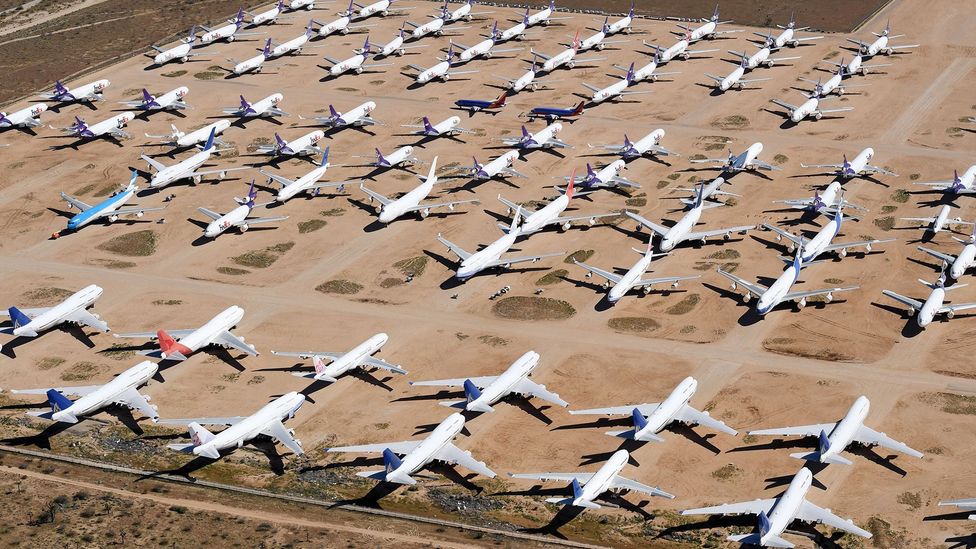
The growing conflict between Israel and Iran has disrupted international air travel in the Middle East, and Central Asia is grappling with cancellations and rerouted flights to and from the region. Flynas, a low-cost Saudi airline, and Qeshm Air, an Iranian carrier, have temporarily canceled flights to Uzbekistan “due to the escalation of tensions in the Middle East and the closure of part of the airspace,” the state-run Uzbekistan Airports company said on Telegram on Wednesday. The cancellations were a Flynas flight on the Jeddah-Tashkent-Jeddah route; another roundtrip Flynas flight from Jeddah to the Uzbek city of Namangan and back; and a Qeshm Air flight from Tehran to Tashkent and back to the Iranian capital, according to the Uzbek company. It advised travelers to check departure information with airline representatives. Air Astana, Kazakhstan’s national carrier, said it had decided to bypass Iran’s airspace on its flights to Dubai after analyzing the situation in the Middle East and following guidance from the national aviation authorities. “As a result, the flight routes from Astana and Almaty to Dubai will be altered, and flight time will be extended,” Air Astana said on Telegram. “Flights to Jeddah will remain unchanged but may be reconsidered if military activity in the region escalates. If necessary, the airline will implement additional changes to ensure flight safety.” Aviation authorities of Kazakhstan’s Ministry of Transport have advised domestic airlines to avoid Iranian airspace, according to Kazinform, a state-run news agency. The flight disruptions came after Iran launched hundreds of missiles at Israel on Tuesday, and Israel warned that it will respond forcefully to the attack. The confrontation threatens a broader conflict in the region as Israel is already conducting military operations against two Iran-backed groups, Hamas in Gaza and Hezbollah in Lebanon.

Turkmenistan and American Language Schools Agree on Programs

Turkmenistan is taking active steps to establish international cooperation as part of its strategy to modernize its education system. Representatives of the Turkmen Education Ministry met with the leadership of the AC Language School from the United States. The American side took the initiative to develop unique educational programs specially adapted to the needs of the Turkmen labor market. The proposal's idiosyncrasy is the combination of international quality standards with the specifics of Turkmenistan's economic development. The proposed educational package includes programs in five strategic areas. International service standards and intercultural communication skills will be trained in the tourism sector. Courses in information technology, including advanced programming, 3D printing, and bioinformatics, will strengthen the technology sector. Special attention will be given to management training through MBA-level programs and training in renewable energy and clean technologies. The agro-industrial complex has also been addressed: courses on modern agribusiness and innovative agricultural product processing methods are envisaged. An important aspect of cooperation will be the introduction of an international certification system. This will allow program graduates to receive globally recognized documents, significantly increasing their competitiveness in the global labor market. Representatives of the AC Language School noted the great potential of the educational market of Turkmenistan and readiness for long-term cooperation.

PayPal Set for Integration in Uzbekistan Pending Central Bank Talks

PayPal, Alipay, UniPay, Apple Pay, and Google Pay can be integrated into Uzbekistan. By the end of this year, the Central Bank of Uzbekistan will negotiate with these international online payment companies and take measures to connect them to payment systems and banking services in Uzbekistan. Uzbekistan is the only country in Central Asia not connected to PayPal. Uzbeks who need PayPal use detours—they register through other countries, such as Kazakhstan. However, this is inconvenient and requires using the system's limited capabilities. Also, some people use this online payment system to use other toll-free numbers on the internet, even though it is unsafe. In 2021, PayPal announced that it has no plans to enter the Uzbekistan market. Independent programmers and freelancers in Uzbekistan use electronic platforms to sell their software and products to foreign customers. However, payments can only be made through the PayPal payment system on some specialized platforms, particularly Upwork, Fiverr, Envato, Storyblocks, and similar token sale systems.

South Korea to Help Build Dry Ports in Uzbekistan’s Syrdarya and Jizzakh Regions

The Ministry of Transport of Uzbekistan announced on October 2 that it had signed a Framework Agreement with the Port Investment Department of the Ministry of Oceans and Fisheries of South Korea to jointly develop a feasibility study for the construction of dry ports and terminals in Uzbekistan’s Syrdarya and Jizzakh regions. According to the Uzbek ministry, the project will help improve the country's transport and logistics infrastructure. Creating inland terminals will be an important step towards increasing Uzbekistan's logistics independence and strengthening its role as the main logistics hub in Central Asia. The project is expected to significantly improve the country’s transport infrastructure and attract new investments to the Syrdarya and Jizzakh regions, supporting the goals of the "Development Strategy of New Uzbekistan for 2022-2026." The project is scheduled for completion in September 2025. As one of only two double-landlocked countries in the world (the other being Liechtenstein), Uzbekistan has to ship its exports over long distances through other landlocked countries — Kazakhstan, Kyrgyzstan, Tajikistan, Turkmenistan, and Afghanistan. In recent years, the government of Uzbekistan has made substantial progress in improving existing international transport corridors running through the country and in developing new corridors that will allow Uzbekistan to access the markets of the Eurasian Economic Union and European countries, Iran, Turkey, Afghanistan, Pakistan, India, and China.

Uzbekistan and South Korea Increase Flights Between Countries

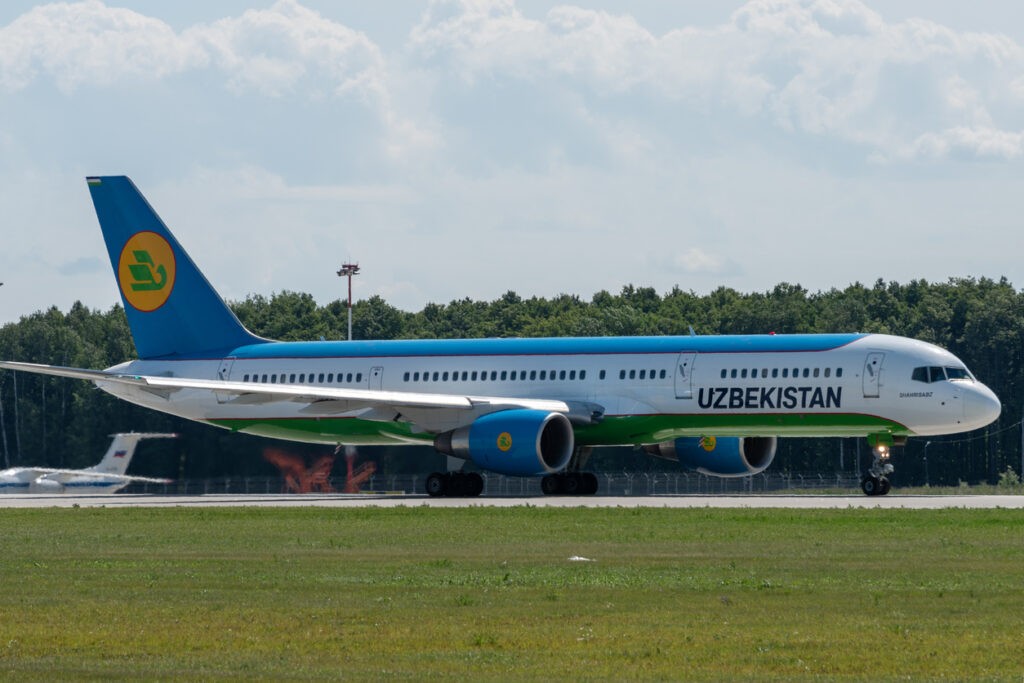
During talks in Seoul this week, Uzbekistan’s Ministry of Transport and South Korea’s civil aviation authority reached agreements to increase the number of regular flights between Uzbekistan and South Korea from the current 10 to 24 per week for airlines of each country, raising the total weekly number of flights to 48. According to the Uzbek ministry, airlines of both countries will operate up to 12 weekly flights between Tashkent and Seoul and up to four flights from South Korea’s regions to Tashkent. Up to four flights per week will be performed from Uzbekistan’s regions to Seoul, and there will be up to four weekly flights between Uzbekistan's regions and other South Korean cities. An agreement was also reached on the bilateral use of the Open Skies regime at the international airport of Jeju, the second-largest airport in South Korea, and Uzbekistan’s Samarkand airport for airlines of both countries. From the Uzbek side, flights between the two countries will be operated by the national air carrier, Uzbekistan Airways, and new airlines created by Uzbekistan — Qanot Sharq, My Freighter, and Air Samarkand. According to the Uzbek ministry, these agreements will help develop trade and economic relations between the two countries, increase bilateral passenger and cargo turnover, and attract Korean tourists to the historical cities of Uzbekistan. The Times of Central Asia earlier reported that South Korea is one of the most popular destinations for Uzbeks, both for work and studies. The Uzbeks occupy fifth place by size of the foreign diaspora in the country and number more than 69,000. In recent years, the government of Uzbekistan has established regulations for legal and safe labor migration to South Korea. At the start of 2024, the government announced its intention to attract 100,000 Uzbeks to work in South Korea.