• KGS/USD = 0.01143 0%
  • KZT/USD = 0.00205 0%
  • TJS/USD = 0.10433 0.1%
  • UZS/USD = 0.00008 0%
  • TMT/USD = 0.28577 0%
  • KGS/USD = 0.01143 0%
  • KZT/USD = 0.00205 0%
  • TJS/USD = 0.10433 0.1%
  • UZS/USD = 0.00008 0%
  • TMT/USD = 0.28577 0%
  • KGS/USD = 0.01143 0%
  • KZT/USD = 0.00205 0%
  • TJS/USD = 0.10433 0.1%
  • UZS/USD = 0.00008 0%
  • TMT/USD = 0.28577 0%
  • KGS/USD = 0.01143 0%
  • KZT/USD = 0.00205 0%
  • TJS/USD = 0.10433 0.1%
  • UZS/USD = 0.00008 0%
  • TMT/USD = 0.28577 0%
  • KGS/USD = 0.01143 0%
  • KZT/USD = 0.00205 0%
  • TJS/USD = 0.10433 0.1%
  • UZS/USD = 0.00008 0%
  • TMT/USD = 0.28577 0%
  • KGS/USD = 0.01143 0%
  • KZT/USD = 0.00205 0%
  • TJS/USD = 0.10433 0.1%
  • UZS/USD = 0.00008 0%
  • TMT/USD = 0.28577 0%
  • KGS/USD = 0.01143 0%
  • KZT/USD = 0.00205 0%
  • TJS/USD = 0.10433 0.1%
  • UZS/USD = 0.00008 0%
  • TMT/USD = 0.28577 0%
  • KGS/USD = 0.01143 0%
  • KZT/USD = 0.00205 0%
  • TJS/USD = 0.10433 0.1%
  • UZS/USD = 0.00008 0%
  • TMT/USD = 0.28577 0%

Viewing results 7 - 12 of 684

Why Tajikistan’s Courts Rarely Hand Down Acquittals

The issue of extremely rare acquittals in Tajikistan has once again become the focus of public debate following a statement by the chairman of the Supreme Court. The authorities explain these statistics by pointing to the high quality of investigative and judicial work, while lawyers cite systemic problems related to objectivity and respect for human rights. Supreme Court Chairman Rustam Mirzozoda said at a press conference that the absence of acquittals reflects compliance with the law and the professional performance of law enforcement agencies. According to him, each criminal case is examined in strict accordance with the requirements of the Criminal Procedure Code, and courts do not issue acquittals because the defendants’ actions are determined to constitute a crime. In 2025, city and district courts referred 16 criminal cases involving 21 individuals for further investigation, but all of the defendants were subsequently convicted. By comparison, in previous years acquittals were handed down, albeit extremely rarely: three cases in 2023, 11 in 2021, and two in 2020. Even then, they accounted for less than 1% of the total number of decisions. Part of the legal community views the absence of acquittals as an alarming signal. Lawyer Navruz Odinaev notes that in developed legal systems, acquittals are a normal part of the criminal process. In his view, the lack of acquittals requires serious analysis, as it affects the fundamental principles of justice, fairness, judicial independence, and the presumption of innocence. Lawyer Uguloy Bobova highlights another aspect, the potential reputational consequences for law enforcement agencies. An acquittal means that a person’s freedom was unlawfully restricted and therefore that investigative authorities made an error. In addition, an acquittal entails full rehabilitation and entitles the individual to compensation, creating additional legal and reputational risks for the state. Statistics show that the proportion of acquittals in Tajikistan has remained below 1% in recent years. In international practice, such a low figure is often regarded as an indicator of a possible bias toward conviction in criminal proceedings.

Opinion: Tajikistan Narrows Online Extremism Liability — Debate Intensifies in Uzbekistan

Tajikistan’s Prosecutor General has reported a decrease in terrorist and extremist crimes. Officials attributed the decrease to the easing of penalties for “likes” and shares on the internet, which came into force in early May 2025, when the authorities stated that “liking” certain types of online materials and sharing them on social networks would no longer, in themselves, constitute a criminal offense. From 2018 onward, criminal liability was applied to the distribution, storage, or public endorsement of materials deemed extremist or prohibited. According to human rights groups, more than 1,500 Tajiks were imprisoned under the policy. Following recent changes, however, Prosecutor General Habibullo Vohidov said the number of terrorist and extremist crimes had decreased by more than 23%, by 314, compared to 2024. According to Reuters, the clarification applies to online materials deemed extremist or terrorist in nature; “likes” or shares of such content would no longer automatically trigger criminal liability. The recent changes implemented in Tajikistan have led to heated discussions among the public in Uzbekistan, where liability for online “likes”, posts, and comments continues. International organizations have for years characterized Uzbekistan’s enforcement of online speech provisions as a form of pressure on freedom of expression. In Uzbekistan, enforcement previously focused primarily on materials related to extremism and terrorism, but legal changes in 2021 introduced criminal liability for online “discrediting” of the president and state authorities. Local activist Rasul Kusherbayev wrote the following on his Telegram channel: “This issue is urgent for us, too. Law enforcement agencies, which lack the ‘nerve’ to punish officials who are illegally destroying the property of citizens, are not ashamed to hold citizens liable for a ‘like’”. Some observers argue that Uzbekistan’s legislation is more regulated compared to that in Tajikistan. While liability for prohibited content had been established in Tajikistan, the exact list of prohibited materials was not consistently disclosed. In Uzbekistan, however, this list has been regularly updated and publicly announced in recent years. Article 244.1 and the Prohibited List Draft decisions related to prohibited information have appeared in Uzbek legislation since the 1990s. Documents regarding information policy signed in March 1999 on the Lex.uz website speak about banned information. However, what was included in this list was not announced in open sources in Uzbekistan for years. The draft law on disclosing the list to the public was signed in 2014. Publicly available information about the evidentiary basis for earlier cases remains limited. The list of social network accounts and sites prohibited in Uzbekistan was last updated in January 2026. Around 1,600 channels, pages, and materials were included in the list. Specifically, it includes 249 pages and channels on Facebook, 790 on Telegram, 265 on Instagram, 167 on YouTube, 36 on the Odnoklassniki social network, and 53 on TikTok. Materials in audio, video, and text formats on websites and social networks were included. Although the list is publicly available, questions have arisen regarding its comprehensibility and clarity. Observers argue that the breadth of the list risks encompassing ordinary religious and political expression. Activists emphasize...

Uzbekistan’s 2026 Reform Program Introduces Life Imprisonment for Pedophilia

President Shavkat Mirziyoyev has approved draft reform programs setting out priority measures for 2026, along with the State Program for implementing the “Uzbekistan-2030” Strategy during what has been declared the “Year of Community and Social Prosperity,” according to the presidential press service. The documents were presented to the president at a briefing that highlighted a new methodology drawing on advanced international experience. Officials stated that the drafts define the main policy directions and target indicators for the coming year, in line with the President’s Address to the public and the Parliament, the Oliy Majlis, and outline specific implementation mechanisms. A distinction was drawn between the reform programs and the State Program. The reform programs consolidate initiatives proposed by the president and identify the most urgent reforms for 2026. These include modernizing mahalla infrastructure in line with the concept of a “New Uzbekistan,” shifting the economy toward technology and innovation-driven growth while stimulating domestic demand, upgrading professional training systems and reshaping the labor market, ensuring environmental sustainability and rational water use, strengthening public administration and the judicial system, and reinforcing social cohesion. Officials emphasized a shift from “document development” to measurable results. Each initiative is accompanied by defined implementation mechanisms and key performance indicators to assess progress by the end of the year. Individual officials have been assigned personal responsibility and coordinating state bodies have been designated. The State Program structures the implementation of the Uzbekistan-2030 Strategy targets for 2026 and includes 337 specific measures. It included the preparation of 59 key legislative and regulatory drafts across sectors, along with 12 additional drafts related to major strategic reforms. Public consultation played a significant role in shaping the document. From January 23 to February 1, the draft State Program was published for public discussion. According to official data, more than 5 million users viewed the document online, and over 22,000 comments and proposals were submitted. More than 50 discussions were held at universities and state institutions, involving approximately 10,000 students, faculty members, and civil servants. Nearly 1,000 proposals were incorporated into the final draft. Among the approved initiatives are stricter penalties for violence against women and children, the introduction of life imprisonment for pedophilia, reforms to mortgage and electric vehicle lending mechanisms, an increase in the share of renewable energy to 30%, strengthened anti-corruption measures, and the introduction of juries in criminal proceedings. In a related regional context, discussions on criminal justice reform have also intensified elsewhere in Central Asia. In Kazakhstan, the Health Ministry previously proposed tightening procedures related to chemical castration for individuals convicted of sexual crimes against minors, reflecting a broader regional debate on the protection of vulnerable groups. The Uzbek government plans to allocate 250.5 trillion UZS (more than $20.4 billion) from budgetary sources and attract an additional $50.4 billion to finance the 2026 programs. The Ministry of Justice and the Chamber of Accounts will conduct ongoing monitoring, while the Cabinet of Ministers will review progress quarterly. Reports are to be submitted to the Legislative Chamber every six...

Prosecutor Seeks Life Sentences for Crocus City Hall Attack Defendants

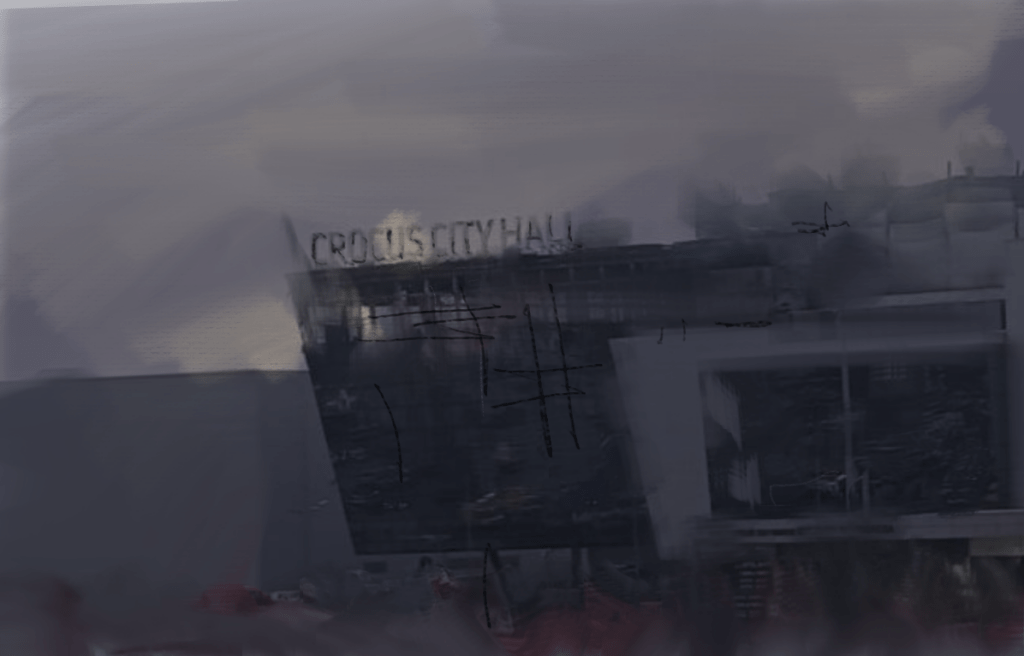
A state prosecutor has asked the Moscow City Court to sentence the alleged perpetrators of the Crocus City Hall attack to life imprisonment in a maximum-security penal colony. The request was made during closing arguments, lawyer Daniil Gauthier, who represents victims in the case, told RBC. According to the report, Fariduni Shamsiddin, Dalerjon Mirzoev, Muhammadsobir Faizov, and Saidkrom Rachabalizoda are charged with undergoing training for the purpose of carrying out terrorist activities, illegal arms trafficking, participation in the activities of a terrorist organization, and committing a terrorist act under several articles of the Criminal Code. The state prosecutor also requested life sentences for 11 other defendants whom investigators consider accomplices. For four additional suspects, prosecutors are seeking prison terms ranging from 11 years and 9 months to 22 years and 10 months. Lawyer Lyudmila Ayvar, representing the victims, said the injured parties are insisting on the harshest possible punishment for both the direct perpetrators and their alleged accomplices. “Responsibility for terrorists must be inevitable, and the punishment must be proportionate to the scale of the grief caused and the public danger of what was committed,” she told RBC. She added that victims are asking the court to satisfy civil claims totaling more than 65 million rubles. “Terrorism is a crime that strikes not only specific individuals but also the very sense of security in the country. Leniency in sentencing would sound like permission to repeat it,” Ayvar said. The attack took place on March 22, 2024, at the Crocus City Hall concert venue in Krasnogorsk, in the Moscow region. According to investigators, four armed men entered the hall, opened fire on the audience, and set the building on fire. As a result, 149 people were killed and more than 550 were injured. The building was almost completely destroyed by the blaze.

Second Uzbek Woman Confirmed Dead in Istanbul Murder Case

A second Uzbek national has been confirmed dead in Istanbul, according to the Consulate General of Uzbekistan in Istanbul. The victim, identified as Sayyora Ergashalieva, born in 1994 in the Namangan region, had previously been reported missing. Turkish law enforcement authorities informed the consulate that Ergashalieva disappeared shortly after the killing of her close friend, Durdona Khakimova, whose dismembered body was discovered in a garbage container in Istanbul in January 2026. Ergashalieva and Khakimova were reportedly close friends. According to Turkish media reports, Ergashalieva’s family in Uzbekistan lost contact with her after January 23 and sought assistance from the Uzbek Women’s Rights Association in Turkey. The association’s president, Azade Islamova, together with lawyers Ezgi Ekin Arslan and Cevat Bozkurt, met with the family and outlined possible legal steps after suspicions emerged that Ergashalieva may have been present at the residence where Khakimova was killed. The family traveled to Turkey and filed a formal complaint with the prosecutor’s office on February 6. Subsequent investigative actions confirmed Ergashalieva’s death. Her parents, who had gone to Turkey hoping to find her alive, were informed of the outcome as the investigation progressed. Preliminary information from Turkish investigators indicates that on January 22, the two women and several suspects met for lunch at a restaurant in Istanbul’s Fatih district. During the meeting, a dispute allegedly arose between Ergashalieva and one of the suspects. Investigators believe the conflict may have been linked to Ergashalieva’s stated intention to return to Uzbekistan. Authorities allege that on January 23, two suspects, identified as Dilshod Turdimurotov and Gofurjon Kamalkhojaev killed Ergashalieva and disposed of her body in garbage containers in the same district. The following day, investigators say, the suspects used her phone to send a message to Khakimova, luring her to a meeting. Khakimova was subsequently killed, and her body was found in Istanbul’s Şişli district. Turkish prosecutors have detained the suspects, who have reportedly confessed. A preventive detention measure has been imposed, and the case materials have been submitted to the court. The investigation remains ongoing. Local media reported that Ergashalieva’s body had been located but had not yet been transferred to the Istanbul Forensic Medicine Institute, according to the Consulate General. Officials have not released further details pending confirmation. Earlier, the killing of Khakimova sparked public protests in Turkey. Groups of women gathered in Istanbul and Ankara, condemning what they described as systemic violence against women, including migrant women. Feminist organizations organized a march in the Şişli district, beginning near the Osmanbey metro station and ending on the street where Khakimova’s body was discovered. Participants carried banners and called for stronger protective measures and prevention mechanisms. The Consulate General of Uzbekistan in Istanbul stated that it is closely monitoring the case and cooperating with Turkish law enforcement authorities. It expressed condolences to the victims’ families and said the public would be informed as additional verified information becomes available.

Shooting in Tajikistan’s Detention Center: Prosecutor General’s Office Reveals Details of January Incident for the First Time

Tajik authorities have for the first time officially commented on the incident on January 31 at a detention facility in the city of Khujand. Tajikistan’s Prosecutor General, Khabibullo Vokhidzoda, disclosed details during a press conference in Dushanbe that was reported by Asia-Plus. Vokhidzoda confirmed that an armed confrontation took place at the Khujand pre-trial detention center. According to him, three prisoners attacked facility staff while in the exercise yard. The prosecutor general stated that the inmates used “various objects” to inflict bodily harm on staff members and assaulted another prisoner who was present. He said they ignored repeated demands to cease their actions and resisted, posing what he described as a serious threat to employees’ lives. As a result, the three prisoners were “neutralized” by security personnel. “While in the Khujand pre-trial detention center, in the exercise yard, they attacked the facility’s staff using various objects, causing them bodily harm and even beating another prisoner who was there. They ignored the staff’s demands to stop their actions and resisted, posing a serious threat to the lives of the facility’s employees. In this situation, they were neutralized by staff members responsible for the security of the correctional facility,” Vokhidzoda said. He emphasized that no staff members were killed, although they sustained injuries. He did not specify the number of injured employees. According to the prosecutor general, the three inmates had previously been sentenced to 12 to 14 years’ imprisonment for terrorist and extremist offenses. He added that they had repeatedly violated prison regulations, leading a court to impose stricter detention conditions. At the time of the incident, the prisoners were being temporarily held in the Khujand facility pending transfer. A criminal case has been opened under Articles 332 and 365 of Tajikistan’s Criminal Code. “How it happened, why it happened, who did it, all these questions will be clarified during the investigation,” Vokhidzoda said. This marks the first official confirmation of the incident. Earlier, Radio Ozodi reported on the events, citing sources who claimed casualties among both guards and inmates. At the time, journalists’ attempts to obtain official comment were unsuccessful. The Minister of Justice, whose ministry oversees correctional institutions, declined to comment. The January 31 incident is not the first serious episode of violence in Tajikistan’s penitentiary system, including in Khujand. In November 2018, a large-scale riot erupted at maximum-security prison 3/3 in Khujand. According to official data, 21 prisoners were killed during efforts to restore order. Two prison staff members were also killed and five guards were seriously injured. On February 3, 2025, unrest broke out at correctional facility No. 3/2 in the town of Vahdat, commonly known as “Kirpichny.” Official reports stated that three prisoners and three employees, including the prison director, were killed. On May 19, 2019, another riot occurred at the same Vahdat facility. According to official information, 30 inmates armed with knives and other sharp objects seized three employees and killed them. Five prisoners were also killed. During the subsequent suppression of the riot, 29...