• KGS/USD = 0.01144 0%
  • KZT/USD = 0.00211 0%
  • TJS/USD = 0.10438 0%
  • UZS/USD = 0.00008 0%
  • TMT/USD = 0.28490 0%
  • KGS/USD = 0.01144 0%
  • KZT/USD = 0.00211 0%
  • TJS/USD = 0.10438 0%
  • UZS/USD = 0.00008 0%
  • TMT/USD = 0.28490 0%
  • KGS/USD = 0.01144 0%
  • KZT/USD = 0.00211 0%
  • TJS/USD = 0.10438 0%
  • UZS/USD = 0.00008 0%
  • TMT/USD = 0.28490 0%
  • KGS/USD = 0.01144 0%
  • KZT/USD = 0.00211 0%
  • TJS/USD = 0.10438 0%
  • UZS/USD = 0.00008 0%
  • TMT/USD = 0.28490 0%
  • KGS/USD = 0.01144 0%
  • KZT/USD = 0.00211 0%
  • TJS/USD = 0.10438 0%
  • UZS/USD = 0.00008 0%
  • TMT/USD = 0.28490 0%
  • KGS/USD = 0.01144 0%
  • KZT/USD = 0.00211 0%
  • TJS/USD = 0.10438 0%
  • UZS/USD = 0.00008 0%
  • TMT/USD = 0.28490 0%
  • KGS/USD = 0.01144 0%
  • KZT/USD = 0.00211 0%
  • TJS/USD = 0.10438 0%
  • UZS/USD = 0.00008 0%
  • TMT/USD = 0.28490 0%
  • KGS/USD = 0.01144 0%
  • KZT/USD = 0.00211 0%
  • TJS/USD = 0.10438 0%
  • UZS/USD = 0.00008 0%
  • TMT/USD = 0.28490 0%

Viewing results 475 - 480 of 1980

Despite Kazakh-led Inquiry, Azerbaijan to Take Plane Crash Case to International Courts

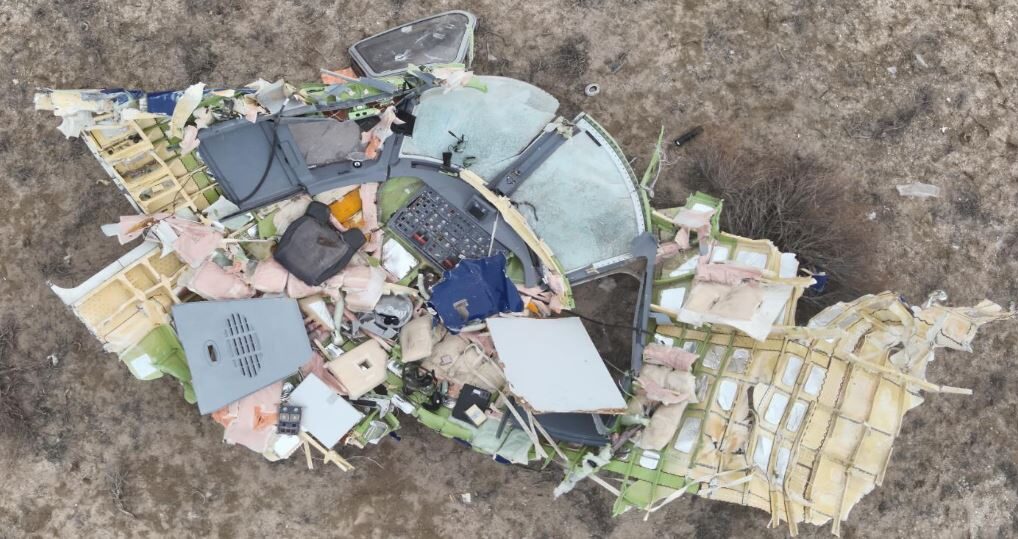
After months of collaborating with an investigation led by Kazakhstan, Azerbaijan now also plans to seek redress in international courts over the Dec. 25, 2024, crash of an Azerbaijan Airlines plane that it says was hit by Russian ground fire before diverting to the western Kazakh city of Aktau. Azerbaijan’s turn to international institutions reflects frustration with what it views as Russian intransigence in the investigation of what happened to Flight 8243, as well as the sensitivities for Kazakhstan as it leads a probe that could implicate Russia, its powerful neighbor and key trading partner. In a sense, Kazakhstan is caught in the middle, unable so far to satisfy Azerbaijan’s push for accountability for the crash and apparently unable to get full cooperation from Russia in the investigation. Unlike Azerbaijan, Kazakhstan has refrained from criticism of Russia, even though six Kazakhstanis were among those who died in the plane crash, and Kazakh emergency crews went into potential danger after rushing to pull survivors from the wreckage. Kazakhstan’s low-key approach is possibly an outcome of its efforts to appear impartial during the inquiry as well as its policy of maintaining smooth diplomatic ties, despite any disagreements or tension with major regional players, including Russia and China. Flush with military victories over Armenia and buoyed by close ties with allies such as Türkiye, Azerbaijan feels less constrained to nurture its traditional relationship with Moscow, its ruler during Soviet and Russian colonial times. On Saturday, President Ilham Aliyev of Azerbaijan referred to years of international investigations and inquiries that found Russia-backed separatist rebels had shot down Malaysia Airlines Flight 17 over eastern Ukraine in 2014, and that Russia bore responsibility – a conclusion rejected by Moscow. Aliyev said Azerbaijan was prepared to wait just as long to clear up the case of the Azerbaijan Airlines crash, in which 38 of 67 people on board died. “We will not forget,” Aliyev said, according to Minval Politika, an Azerbaijani news outlet. “We are currently preparing, and we have already informed the Russian side that we are preparing a dossier for submission to international courts on this matter. We understand that this may take time. In the case of the Malaysia Airlines Boeing, it took more than ten years. We are ready to wait ten years, but justice must prevail.” The remarks by Azerbaijan’s leader at a media forum in the Azerbaijani city of Shusha show that ties between the two nations face protracted tension as long as the dispute persists, though there are other sources of friction between them, including detentions of each other’s citizens. Russian President Vladimir Putin has apologized for the crash without taking responsibility or providing details about what happened at a time when, according to Russia, the area around Grozny was under attack from Ukrainian drones. Azerbaijan also wants those responsible to be punished, compensation to be paid to families of the victims, and Azerbaijan Airlines to be compensated for the loss of the Embraer 190 plane that crashed. The aircraft...

White Coats, Red Lines: Kazakhstan Health Minister Demands End to Violence

Kazakhstan’s Minister of Health, Akmaral Alnazarova, has issued a public appeal urging an end to violence against medical personnel, following two brutal attacks on healthcare workers in Karaganda and Kostanay. “Dear citizens of Kazakhstan, I am addressing you as a specialist who has worked as a nurse in a maternity hospital, as a doctor in the emergency room of a children’s hospital, as a duty officer, and as a resident; stop the violence against medical workers!” Alnazarova wrote on Instagram. Two Violent Incidents in One Week In Karaganda, a 42-year-old man accompanying his wife allegedly attacked a nurse at a private clinic, breaking down the door to the staff room and assaulting her. The nurse was hospitalized with a concussion and finger fractures. The assailant was later placed in a psychiatric clinic. Just one day later, on July 17, a young urologist at the Kostanay Regional Hospital was struck in the head by a waiting patient after completing a complex operation. The blow left the doctor unconscious with a skull fracture and brain trauma. He remains in intensive care. The attacker, a 34-year-old man, was detained, and a criminal investigation has been launched. “These are not just acts of aggression, they are direct blows to the entire healthcare system,” Alnazarova said. “This crime means dozens of patients not being admitted, dozens of postponed operations. The emergency room where the attack occurred is already a high-risk area.” Alnazarova emphasized that medical professionals deserve respect and gratitude, not violence. The recent attacks have ignited widespread concern across Kazakhstan’s medical community, with professional associations and hospital administrators calling for urgent reforms. The Kazakhstan Medical Workers’ Union issued a statement expressing solidarity with the victims and demanding swift prosecutions, while several regional hospitals have begun independently reviewing their on-site security protocols. Social media campaigns under hashtags like #ProtectOurDoctors and #SafetyInScrubs have gained traction, signaling growing public awareness that systemic change is needed to ensure healthcare workers can do their jobs without fear. Government Plans Tighter Security Measures The Ministry of Health, in coordination with the Ministry of Internal Affairs, is set to bolster security measures in medical facilities across the country. Plans include deploying round-the-clock security posts at emergency rooms, maternity wards, and children’s hospitals. Facilities will be equipped with surveillance cameras, panic buttons, and enhanced security staff. In parallel, legislative amendments aimed at toughening penalties for violence against medical workers are expected to be submitted to Parliament in September. Alnazarova stated that such crimes should be treated not as domestic incidents but as threats to public safety. Although the Criminal Code was amended in December 2023 to include penalties for harming medical staff, Alnazarova acknowledged that the recent incidents demonstrate these measures are insufficient. As previously reported by The Times of Central Asia, a pilot program equipping ambulance workers with body cameras is already underway. The minister noted this initiative helps moderate the behavior of both patients and staff. Plans are also in place to reinstate police presence in hospitals and impose stricter...

Containerization: A Game-Changer in Global Logistics

The current trajectory of freight transport highlights the growing scale of global containerization and its significant potential for expansion. Containerization could offer a more efficient solution for transporting bulk cargo for Kazakhstan, a major exporter of raw materials. However, to realize this potential, the country must address a range of internal and external challenges. Container shipping enables door-to-door delivery with minimal risk of damage and faster handling, making it a reliable mode of transport both domestically and internationally. Its advantages include increased transport efficiency, safety, and cost savings. As such, containerized cargo transport, or “containerization”, is becoming increasingly relevant both in Kazakhstan and around the world. Despite its global prominence, containerization in Kazakhstan remains underdeveloped. Satjan Ablaliyev, Deputy Minister of Transport of the Republic of Kazakhstan, said in an interview with The Times of Central Asia, containerized freight made up only 6.73% of the country’s total cargo turnover in 2024. Domestic container traffic was just 0.16%. Yet, container shipping significantly reduces the time and costs associated with loading and unloading across various transport modes, such as sea, rail, and road, while also protecting cargo from damage and theft, simplifying paperwork, and minimizing transport costs. This also helps avoid delays caused by shortages of freight wagons, which is particularly relevant in Kazakhstan during peak seasons such as meeting winter heating needs or harvest time. Global experience has shown that container transport is suitable even for bulk, liquid, and perishable goods. Several factors are currently hindering the development of containerization in Kazakhstan: Insufficient number of railway stations equipped to receive and handle container cargo; Higher tariffs for container transportation compared to traditional wagon-based freight; Limited and uneven access to infrastructure and resources for market participants. To address these issues, Kazakhstan needs to expand its transport infrastructure and reform its tariff and regulatory policies. Corridors of the future The bulk of Kazakhstan’s container traffic comes from transit. According to national rail operator Kazakhstan Temir Zholy (KTZ), the volume of transit cargo in 2024 reached 27.5 million tons, with container transit alone growing by 59%, hitting 1.4 million TEUs. Kazakhstan is betting on the development of overland multimodal transit across its territory. Recent global events such as the COVID-19 pandemic, disruptions in global supply chains due to geopolitical tensions, and increased attacks on shipping in the Red Sea have exposed the vulnerability of maritime trade routes (e.g., the Suez Canal, which handles about 30% of global container traffic). These challenges have prompted major container operators to rapidly reroute maritime shipping and explore alternative land-based transit corridors. As land routes gain importance, competition among transit countries is intensifying. Many are now investing in infrastructure along international transport corridors to facilitate multimodal logistics. Ablaliyev pointed out that these factors have made Kazakhstan an increasingly attractive route for containerized cargo. Between 2020 and 2024, Kazakhstan’s container traffic rose from 876,000 TEUs to 1.395 million TEUs. In the first five months of 2025 alone, the figure reached 565,400 TEUs. To further grow transit container flows, Kazakhstan is investing...

Central Asia Charts New Course as Russian Aviation Falters

Sanctions against Russia may intensify if U.S. President Donald Trump escalates pressure on the Kremlin and Vladimir Putin. But even without additional measures, several sectors of Russia’s economy are already buckling under strain. Among the most vulnerable is civil aviation, now grappling with “fleet cannibalization”, a practice born of scarcity and isolation. In this context, alarmist claims from Russian aviation analysts that Central Asian airlines might soon replace Russian carriers not only on international routes but potentially within Russia itself are being reassessed. So, what is actually happening and why? Squeezing Russia Out One of the most overlooked aviation developments of 2024 was the announcement at the Central Asian Aviation Summit in Astana that regional countries were forming their own civil aviation regulatory body. As Amir Akhmetov, senior advisor to the director of the Aviation Administration of Kazakhstan, put it: “In the changing geopolitical environment of the republics of Central Asia and the South Caucasus, together with like-minded countries, they are creating their own regional civil aviation organization, the Eurasian Civil Aviation Conference (EACAC).” This initiative, first proposed by Astana in 2023, includes Kazakhstan, Kyrgyzstan, Uzbekistan, Tajikistan, and Turkmenistan, as well as Armenia, Azerbaijan, Georgia, Moldova, and Mongolia. Although initially scheduled for 2025, the first EACAC meeting took place in Almaty in November 2024. Russian observers have taken note. The publication Versiya, which had predicted Russia’s marginalization in the Central Asian aviation market as early as 2016, commented on the development in stark terms: “It is hard not to notice that this is truly a momentous event in the field of civil aviation regulation within the EAEU member states, aimed precisely at pushing Russia out of the process… which, after the formation of the announced structure, will de facto exist and be managed under direct Anglo-American influence.” However alarmist the tone, the underlying concern is not unfounded. Russia’s aviation sector is increasingly isolated and dependent. By December 2024, it was confirmed that a new aircraft maintenance hub would be built in Aktau, one of Kazakhstan’s four major aviation centers. The project, spearheaded by Turkish Technic, YDA, and ASFAT, will serve civil and military aircraft from Kazakhstan, Russia, Uzbekistan, Turkmenistan, Kyrgyzstan, and Tajikistan. According to then-Minister of Transport Marat Karabayev, “The center will serve 411 civil aircraft... As a result of the project, the airport’s cargo handling capacity will increase to 200,000 tons per year, with an annual turnover of 520 billion tenge ($996.7 million).” Aviation in Central Asia: A Regional Snapshot In Kazakhstan, liberalization and competition have allowed the civil aviation sector to flourish. National carrier Air Astana operates hubs in Almaty and Astana and is widely considered among the best airlines in the post-Soviet space. Its low-cost subsidiary, FlyArystan, has grown rapidly, fueled by a strong Airbus fleet, now over 60 aircraft, with new A320 and A321 deliveries annually. Private airline SCAT flies across the former USSR and Asia, while Qazaq Air, now rebranded as Vietjet Qazaqstan, entered into a strategic partnership in 2025 with Vietnam’s Sovico Group, owner...

Kazakhstan in Afghanistan: From Rhetoric to Infrastructure

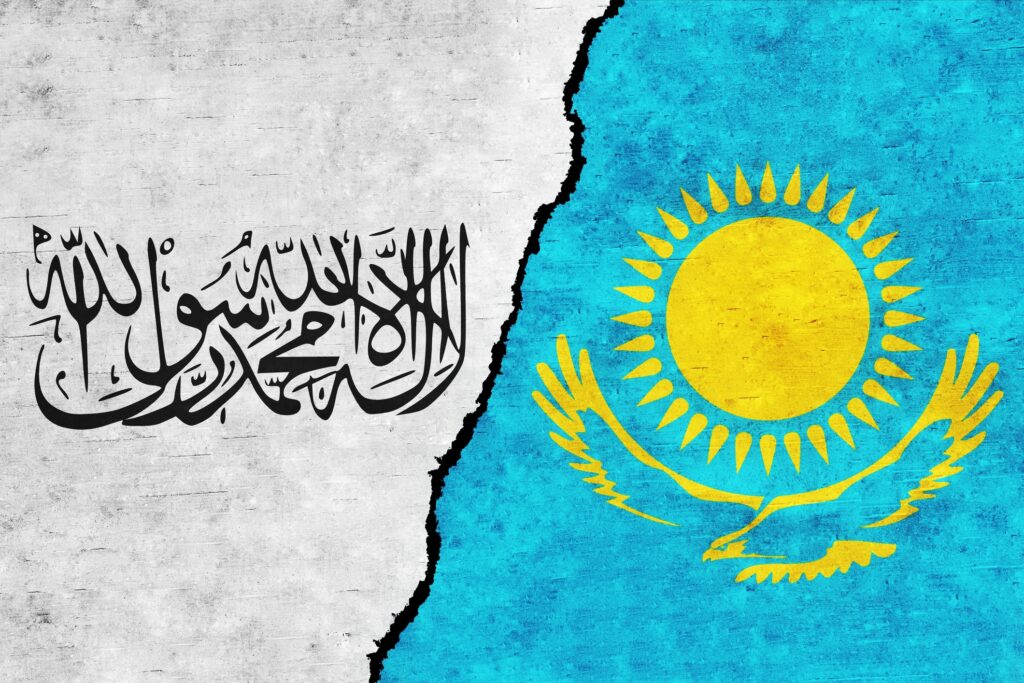
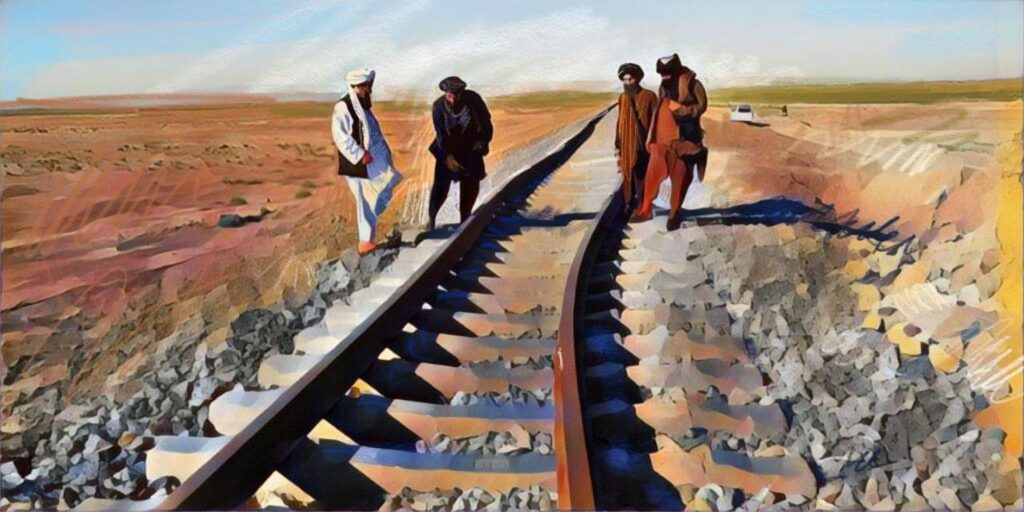
The visit of Kazakhstan's Foreign Minister Murat Nurtleu to Kabul (July 10–11) was a turning point not only for bilateral relations but also for the entire regional logistics agenda. While Astana's previous statements about its readiness to participate in the Trans-Afghan Corridor were viewed by many with skepticism as a demonstration of goodwill without practical substance, these doubts have now been dispelled. Kazakhstan has not only reaffirmed its commitment to the project but also reinforced it with concrete commitments. An interdepartmental memorandum on the implementation of the Torgundi-Herat railway line has been signed, and Astana has confirmed its readiness to invest up to $500 million in the Trans-Afghan railway project. This is an important step in the formation of future transport corridors within the Central Asia to South Asia (CA2SA) initiative. Practical matters such as tariff policy, border crossing procedures, logistics, and digitalization were also discussed. The visit also carried diplomatic weight. Kazakhstan is demonstrating its willingness to engage pragmatically with Afghanistan’s de facto authorities. This is not a step towards recognizing the Taliban regime, but an effort to involve Kabul in economic processes without altering Kazakhstan’s legal or political stance. Attempts to link this visit to Russia's recognition of the Taliban appear superficial. Such trips are not planned spontaneously — in diplomatic practice, visits at this level are prepared for weeks, if not months. The very structure of the negotiations made it clear what the priorities were: infrastructure, transport security, and economic cooperation, not political recognition. Given Kazakhstan’s balanced foreign policy, formal de jure recognition of the Taliban regime is unlikely in the foreseeable future. The current status quo — practical cooperation without political legitimization — is acceptable to all parties, regional states, and Afghanistan alike. At most, we may see an elevation of diplomatic representation. Currently, both countries are represented by temporary chargés d'affaires. After the visit, extraordinary and plenipotentiary ambassadors may be appointed. However, even this would not mean recognition. Diplomatic missions are a means of communication, not a political endorsement. Kazakhstan’s position continues to be guided by that of the United Nations. Until the Credentials Committee changes its position on the Afghan side's participation in the General Assembly, Astana will not force events. From 2021 to 2024, the committee rejected the Taliban's applications for accreditation, which de facto means a refusal of international recognition at the global level. Although these decisions are not legally binding, they serve as the main political guideline for states that adhere to a collective approach. In matters of recognition, it is essential not to get ahead of geopolitical realities. It is important that Kazakhstan's actions are not isolated: they are in line with other countries in the region, especially those bordering Afghanistan. Whereas previously the policy of Central Asian countries towards their southern neighbor was determined by security issues, the focus is now shifting to trade, logistics, and infrastructure development. Across all regional capitals, there is growing recognition that supporting Afghanistan is not a formality, but a rational strategic choice. After...

Steel Diplomacy: Central Asia’s Southern Push via Afghanistan

The United States and its allies may be uneasy about the Taliban’s return to power, given their extremist history, continued repression, and the collapse of decades-long Western efforts in Afghanistan. Nevertheless, the Taliban is strengthening ties with the Global South—particularly Central Asia—in search of investment for railway infrastructure. For landlocked Central Asian nations, Afghanistan is a key transit point on the shortest route to the Arabian Sea, offering an alternative to routes through Russia, China, or westward via the Caspian. The war-torn country – located at the crossroads of Central and South Asia – serves as a land bridge between the former Soviet republics and the major markets of the region, including India and Pakistan. This strategic position is why regional actors are eager to invest in the construction of the railway network in Afghanistan, fully aware that the new route would help them achieve at least some of their geopolitical and geoeconomics interest. Kazakhstani Foreign Minister Murat Nurtleu’s recent visit to Kabul was, according to reports, primarily focused on Afghan railway infrastructure. The largest Central Asian nation economy is reportedly ready to invest $500 million in the construction of the 115km (71 miles) railway from Towrgondi on Afghanistan’s border with Turkmenistan to the city of Herat. As Taliban railway officials told The Times of Central Asia, the Afghan and Kazakh delegations, who signed a memorandum of understanding on the project, are expected to finalize new agreements and contracts in the coming months. A detailed construction study is expected to be completed by winter, and Afghan authorities anticipate that construction will begin by the end of the year.  Meanwhile, Kabul hopes to reach similar deals with neighboring Uzbekistan and Turkmenistan, as well as with Russia and Pakistan. According to Taliban railway experts, these four nations – along with Kazakhstan – are expected to play a major role in the development of the 700-kilometer (approximately 435-mile) railway network in Afghanistan. The Taliban political officials, on the other hand, see the project as an opportunity for Afghanistan to increase its geopolitical importance. “It will help us reduce economic dependence and isolation, allowing Afghanistan to integrate more actively into the regional economy,” Muhammad Rehman, the Taliban-appointed Chargé d’Affaires of the Islamic Emirate of Afghanistan to Kazakhstan, told The Times of Central Asia, From his perspective, nations investing in Afghan railway infrastructure will become advocates for Afghanistan’s stability. Projects like the construction of the railway, in his view, can transform Afghanistan into a transit hub for regional countries through railway corridors. “Through the railway, Afghanistan can also import goods at a significantly lower cost, making essential commodities more affordable for its people,” Rahman stressed. More importantly, the railway opens a route for Central Asian natural resources to reach global markets via the ocean and further enhances the viability of the westward-flowing Middle Corridor. In short, the Afghan rail projects are important for connecting Eurasia. It is, therefore, no coincidence that Kazakhstan – being the richest country in terms of mineral wealth in Central Asia...