Viewing results 619 - 624 of 1395
Uzbekistan’s Saneg oil refining company has begun processing Afghan crude oil at its Fergana refinery, to help ease Afghanistan’s energy shortages under Taliban rule. The first shipment of oil was transported by rail from the Hairatan terminal in Afghanistan's northern Balkh province. Afghanistan faces a significant energy crisis due to supply issues from Iran and Turkmenistan. The Taliban wants to restart domestic oil production to reduce its dependence on imports. Afghan crude oil, mainly extracted from the Amu Darya basin, is not fully used because Afghanistan needs more facilities to refine it. However, fortunately for Afghanistan, its neighboring countries to the north and west are willing and capable of supplying electricity, gas, and light oil products so that the country can, to some extent, improve its energy security. The refining agreement represents one of the first cross-border collaborations for Afghan crude oil, despite the historically complex relations between Afghanistan and Uzbekistan. Other countries, such as Russia and Kazakhstan, are looking at similar opportunities to gain market share and indirectly support the Afghan economy. This shows how the Central Asian countries are changing their strategies while Afghanistan is isolated internationally. For example, at the end of April this year, a delegation from Kazakhstan paid an official visit to Kabul, where a meeting of the Kazakh and Afghan businesses and an exhibition of Kazakh products were held. The visit to Kabul shows Astana’s intention of using trade to improve Kazakhstan’s relations with the new Afghan government. Saneg’s initiative to process Afghan oil is part of Uzbekistan's strategy to boost its refining and seize business opportunities in a volatile region. Exporting refined products to Afghanistan could bring extra revenue, and help a struggling neighbor. However, political instability and fragile relations may limit the long-term benefits. Companies from Russia are also interested in similar deals. Uzbekistan has also signed five agreements on mining projects in Afghanistan. These agreements, worth $1.15 billion, were part of a larger package of 35 agreements and memoranda of understanding signed between the two countries. These agreements increased Uzbekistan’s investment in Afghanistan by more than $2.5 billion.
Kazakhstan's Home Credit Bank has stopped its cooperation with the Russian VTB Bank because of the risk of secondary sanctions, Home Credit has reported. “In connection with international sanctions imposed on JSC DO Bank VTB Kazakhstan (VTB Kazakhstan), JSC 'Home Credit Bank' has decided to cease cooperation with VTB Kazakhstan to exclude the risks of secondary sanctions. In this regard, any transfer operations in tenge and foreign currency on customers' accounts to/from VTB Kazakhstan will be stopped,” the bank's statement read. VTB remains the only Russian bank with a subsidiary structure in Kazakhstan. Earlier, Sberbank and Alfa Bank sold their subsidiary banks in the country. The US, EU, and UK are enforcing sanctions on VTB. As of July 1, 2024, VTB Kazakhstan ranked 18th in assets among the country's 21 banks. Home Credit Bank Kazakhstan was previously owned by Home Bank, but fully exited the asset at the end of 2022. Home Credit Bank CEO Kirill Bachvarov explained that this was necessary to restore the bank's rating, as the link to the Russian shareholder negatively affected its position. In July 2024, the U.S. Treasury tightened sanctions against Russia, adding to the list of companies whose work with Russia could lead to risks of secondary sanctions, including VTB Kazakhstan.
The German company "Linding Group" is set to invest about $10 million in assembling airplanes in Almaty, pending necessary permits from the government. Based in the economic zone “PIT ‘Alatau", production will begin in 2026. During the first year, 20 airplanes will be assembled, rising to 50 units annually thereafter. Kazakhstan is already engaged in several joint projects with foreign enterprises in aircraft production. One such project involves the "Russian Helicopters" company. Within the framework of the agreement with Kazakhstan's aircraft repair plant No. 405, a large-unit assembly of Mi-8AMT and Mi-171E helicopters was launched in Almaty, predominantly serving the Ministry of Emergency Situations and the National Guard of Kazakhstan. A further example of international cooperation is the contract between the Ural Civil Aviation Plant and Kazakhstan Aviation Industry (KAI) to produce the Baikal multi-purpose airplane. When fully assembled by the end of this year, the airplanes will be delivered to markets in Europe and Africa. The realization of all of these projects will both strengthen Kazakhstan's aviation industry and increase its presence in international aviation markets.
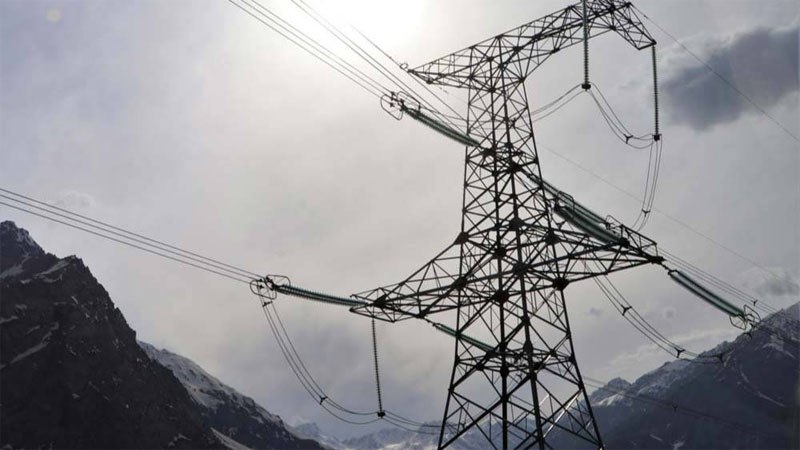
Russian Energy Minister Sergey Tsivilev has announced that the Russian and Uzbek energy ministries have agreed to connect the Russian “System Operator” to Central Asia's Unified Energy System (UES). The connection itself is expected to happen soon. Uzbekistan's Minister for Energy, Zhurabek Mirzamakhmudov, has commented that this move will ensure the security and stability of the energy system in the region. These measures are expected to allow prompt response to problems in energy supply and avoid interruptions. In addition, Inter RAO has announced that it is preparing to export electricity to Uzbekistan, with the start of supplies scheduled for this fall. Central Asia's Unified Energy System was created in the 1970s. It is managed by the coordination and dispatch center in Tashkent, and allows the balancing of seasonal fluctuations in demand for electricity and water needs during the irrigation period. It currently includes Uzbekistan, Kyrgyzstan, Kazakhstan and Turkmenistan. In May it became official that Tajikistan would join the system.
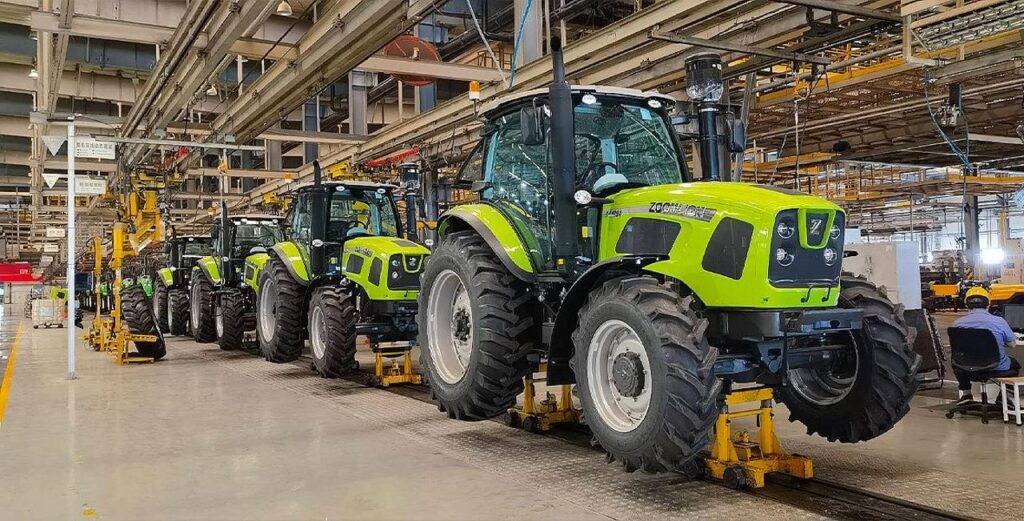
China’s Zoomlion Agriculture Machinery Co., Ltd., a leader in agricultural machinery production, is manufacturing tractors in Kazakhstan in cooperation with a local company, QazTehna. The plan is to produce up to 700 tractors per year at a plant in Saran in the Karaganda region, the Kazakh Ministry of Industry and Construction announced. Kazakhstan is one of the world's largest producers of grain crops, with a total sown area of more than 24 million hectares. The country needs sufficient agricultural machinery to ensure agricultural production in such a vast area. The renewal of outdated agricultural machinery remains a pressing challenge for Kazakhstan’s agro-industrial sector. According to the Ministry of Agriculture, there are 149,800 tractors in the country today, but the average wear of the machines is very high. According to the Ministry of Industry, the production capacity of Kazakhstan’s manufacturing plants fully meets the domestic demand for tractors and combines, with more than 80% of all tractors and combines purchased in Kazakhstan in recent years being domestic production. Kazakhstan has eight plants manufacturing more than ten brands and 120 models and modifications of tractors of different capacities, from 11 to 575 horsepower.
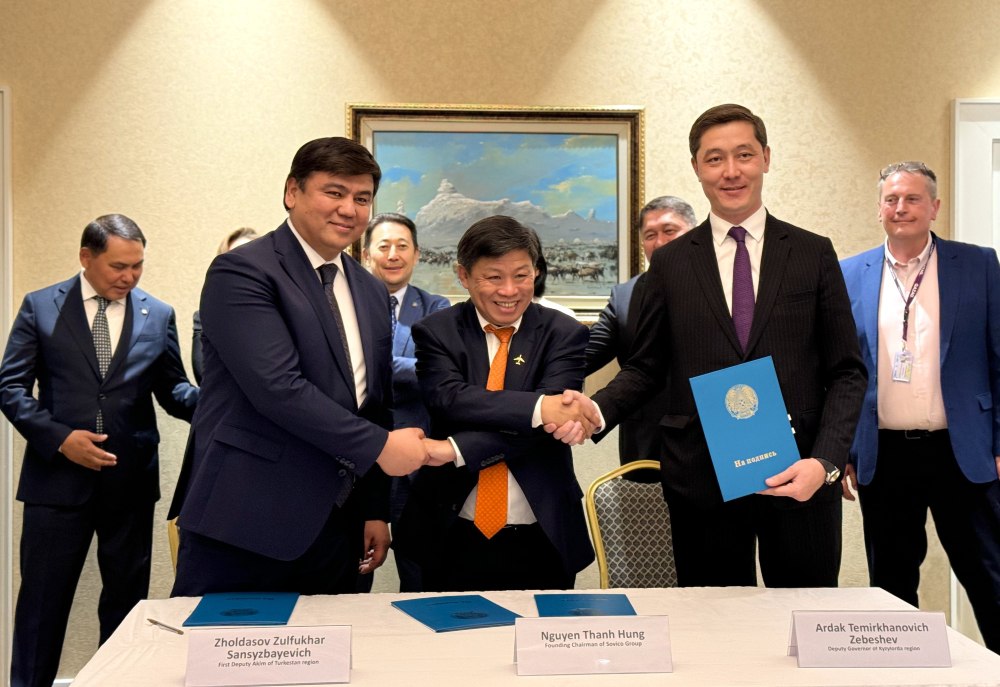
The Sovico Group, a leading investment conglomerate in Vietnam, is to modernize and further develop the infrastructure of Kazakhstan's Turkestan and Kyzylorda airports. As reported by Kazakh Invest, the deal was confirmed in a Memorandum of Cooperation, signed in Astana between Sovico Group Chairman Dr. Nguyen Thanh Hung and Deputy Governors of Turkestan and Kyzylorda regions. The Chairman of Sovico announced plans to increase the frequency of flights from Vietnam to Kazakhstan, as well as the group's potential development of Kazakhstan’s trade and logistics potential, particularly at the Khorgos hub on the Kazakh-Chinese border. The latter follows discussions with Kazakhstan President Kassym-Jomart Tokayev back in May, during which Nguyen Thanh Hung announced his company's interest in taking control of several airports and investing in logistics warehouses for the storage of goods produced in Vietnam and ASEAN countries for subsequent sale in Kazakhstan, Central Asian countries, the EAEU, and Europe. The Sovico Group has also announced plans to acquire Qazaq Air for the sum of approximately $4.2 million by the end of September 2024; a move described by President Tokayev in July, as a demonstration of the Vietnamese conglomerate's ambitious plans to develop civil aviation in Kazakhstan and the region. In a country where rail is the main means of transport, the development of regional airports and domestic flights will have a significant impact on the passage of both cargo and people.