• KGS/USD = 0.01144 0%
  • KZT/USD = 0.00216 0%
  • TJS/USD = 0.10659 0%
  • UZS/USD = 0.00008 0%
  • TMT/USD = 0.28530 0%
  • KGS/USD = 0.01144 0%
  • KZT/USD = 0.00216 0%
  • TJS/USD = 0.10659 0%
  • UZS/USD = 0.00008 0%
  • TMT/USD = 0.28530 0%
  • KGS/USD = 0.01144 0%
  • KZT/USD = 0.00216 0%
  • TJS/USD = 0.10659 0%
  • UZS/USD = 0.00008 0%
  • TMT/USD = 0.28530 0%
  • KGS/USD = 0.01144 0%
  • KZT/USD = 0.00216 0%
  • TJS/USD = 0.10659 0%
  • UZS/USD = 0.00008 0%
  • TMT/USD = 0.28530 0%
  • KGS/USD = 0.01144 0%
  • KZT/USD = 0.00216 0%
  • TJS/USD = 0.10659 0%
  • UZS/USD = 0.00008 0%
  • TMT/USD = 0.28530 0%
  • KGS/USD = 0.01144 0%
  • KZT/USD = 0.00216 0%
  • TJS/USD = 0.10659 0%
  • UZS/USD = 0.00008 0%
  • TMT/USD = 0.28530 0%
  • KGS/USD = 0.01144 0%
  • KZT/USD = 0.00216 0%
  • TJS/USD = 0.10659 0%
  • UZS/USD = 0.00008 0%
  • TMT/USD = 0.28530 0%
  • KGS/USD = 0.01144 0%
  • KZT/USD = 0.00216 0%
  • TJS/USD = 0.10659 0%
  • UZS/USD = 0.00008 0%
  • TMT/USD = 0.28530 0%

Viewing results 961 - 966 of 1546

Kazakhstan and China Strengthen Strategic Partnership

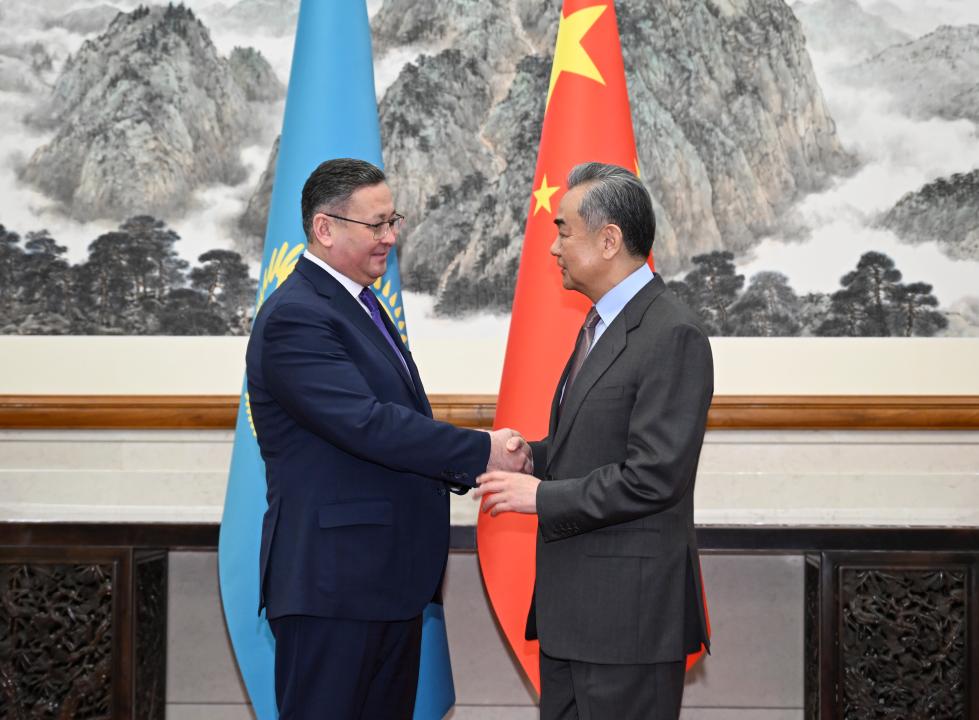
On 29 March Kazakhstan’s Deputy Prime Minister and Minister of Foreign Affairs, Murat Nurtleu visited China for the first meeting concerning the establishment of the Strategic Dialogue between Kazakhstan and China. Following discussions with Chinese Foreign Minister Wang Yi on political, trade, economic, investment, and cultural cooperation, Minister Nurtleu reported: “We attach great importance to the development of relations with Beijing. We have established a comprehensive strategic partnership, which is being strengthened through personal friendly contacts of our leaders.” Citing the fact that in 2023, China became the Kazakhstan’s largest trading partner, with an increase in turnover of bilateral trade of over 30% to 41 billion US dollars, he emphasized the need for further promotion of joint economic, transport and logistics projects within the framework of China’s Belt and Road initiative. In turn, the Chinese Foreign Minister stated, “Kazakhstan is our authoritative strategic partner in the region” and announced that China is ready to fully strengthen and enhance cooperation with Kazakhstan. The ministers also noted that the significant intensification of cooperation between the two countries was largely due to the introduction of the mutual visa-free regime implemented in November last year.

Year of Kazakhstan Tourism in China

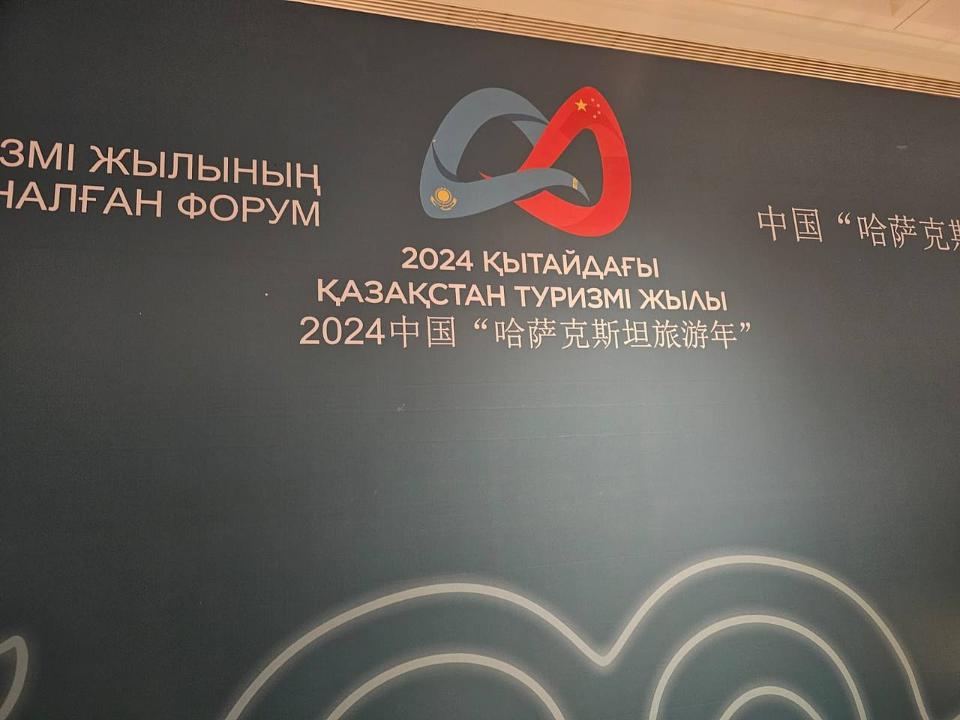
The Year of Kazakhstan Tourism in China was officially launched in Beijing on 28-29 March. The occasion was marked by several events including a Kazakh-Chinese forum on the development of tourism and investment, an exhibition representing Kazakhstan’s various regions, cultural activities staged in an ethno-village, and a gala concert. In his welcoming speech at the Kazakh-Chinese tourism and investment forum, Ermek Marzhikpayev, Minister of Tourism and Sports of Kazakhstan, said: “The Year of Tourism of Kazakhstan in the People's Republic of China is a landmark event that helps strengthen friendly relations between the two countries. We believe that our dialogue will give new breath and new horizons for partnership in the field of tourism, creating the basis for fruitful and long-term cooperation.” He added that Kazakhstan’s rich nomadic culture, centuries-old history, and unique natural landscape has much to offer to travellers with wide-ranging interests. Kairat Sadvakasov, chairman of Kazakh Tourism national company, likewise celebrated the launch saying, “We are convinced that Kazakhstan is one of the most attractive destinations for Chinese tourists, being not just a friendly and neighboring country with a visa-free regime, but also a strategic partner of the 'Belt and Road' Initiative. We offer tourists engagement with the concept of ‘Eco-Ethnic-Entertainment-Events’ including: ecotourism, ethno-tourism, and cultural entertainment.” China was second only to Russia in the list of countries whose citizens visited Kazakhstan in 2023. According to official statistics, over the first nine months of last year, more than 75,000 Chinese tourists stayed in Kazakh hotels, and a total of over 200,000 visitors from China visited Kazakhstan.

Kazakhstan to Earn $1.7 Billion from Russian Oil Transit to China

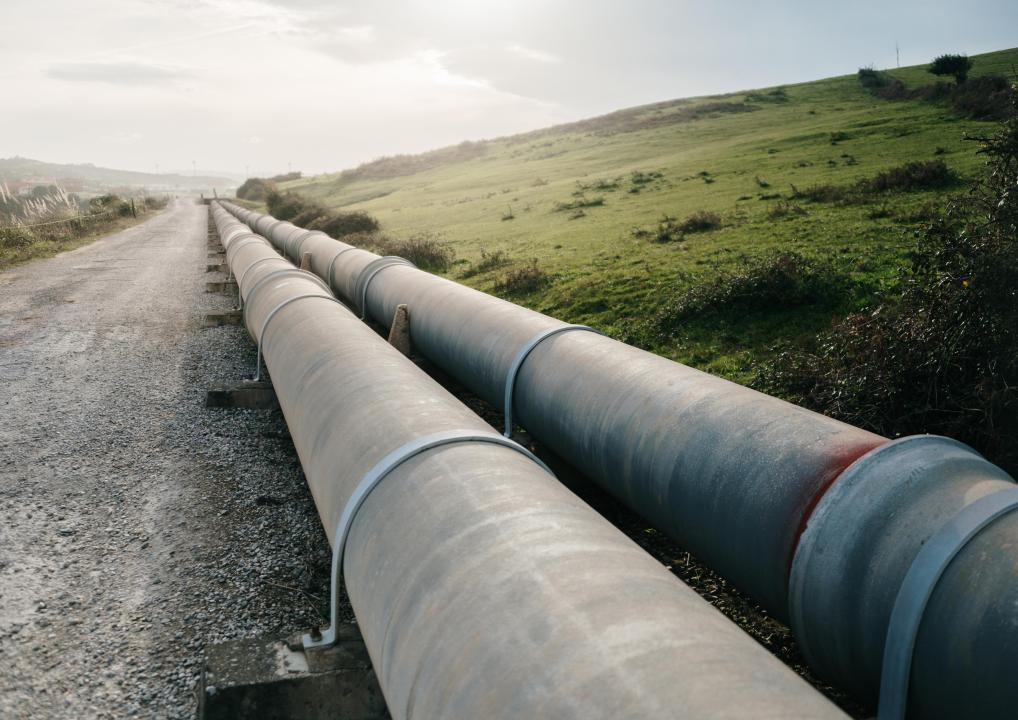
The Mazhilis of the Parliament of Kazakhstan has ratified amendments to the agreement between the Governments of Kazakhstan and Russia on the transportation of Russian oil through Kazakhstan to China. The original agreement, signed on December 24, 2013, covers the period up until January 1, 2024 but both parties have now expressed their interest in its extension to 2033. According to Kazakhstan’s Energy Minister Almasadam Satkaliev, extending the agreement for a further ten years will enable the transit 10 million tons of Russian oil per year. Approval was granted for transit tariff set at $15 per ton and between 2024 and 2033, the forecast revenue from the transit of Russian oil through Kazakhstan to China is $1.710 billion. Statistics show that from 2014 to 2023, the total transit of Russian oil through Kazakhstan to China amounted to 90,899,271 tons, providing transit revenue of $1.327 billion.

Tokayev Celebrates Kazakh-Chinese Economic Ties at Boao Forum

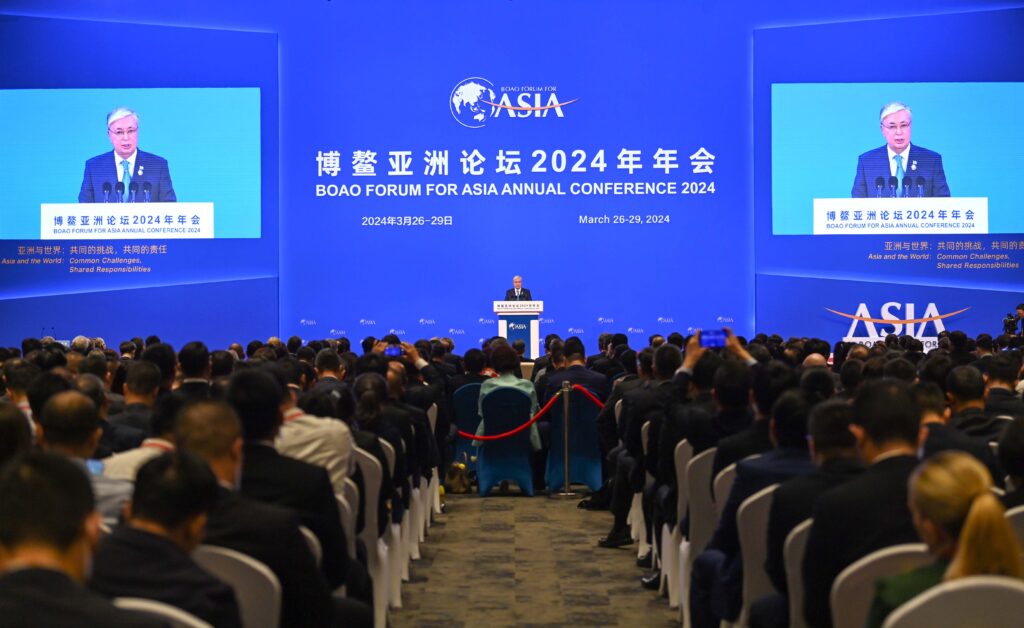
Kazakh President Kassym-Jomart Tokayev was feted as guest of honour at the 23rd Boao Asian Forum (BFA) : "Asia and the World: Common Challenges, Common Responsibility." He was joined at the opening ceremony of the plenary session in the Chinese province of Hainan by: Chairman of the BFA Board of Directors Ban Ki-moon, Chairman of the Standing Committee of the National People's Congress Zhao Leji, President of Nauru David Adang, Prime Minister of Sri Lanka Dinesh Gunawardena, Prime Minister of the Commonwealth of Dominica Roosevelt Skerrit, Chairman of the international non-governmental organization "Council of Elders" Mary Robinson, Secretary General of the OECD Matthias Kormann, and Director General of the UN's World Intellectual Property Organization (WIPO) Daren Tang. In his address to the forum, Tokayev made reference to the fact that against the backdrop of escalating world conflicts, there is tension in international trade and an assumption that the growth rate of global GDP will be the lowest in the past 30 years. However, Asia's role in this sphere is increasing, and the region is projected to provide 60 percent of global GDP growth this year. Global trade giants located in Asia are now attracting more and more foreign investment on account of Asia being home to the world's leading technology centres, responsible for 70 percent of patent developments. "Of the expected $30 trillion growth in middle-class consumption by 2030, only $1 trillion is expected to come from Western economies. Collectively, all these factors point to the so-called 'Asian Renaissance," stated Tokayev. He then emphasized the role of the current forum to demonstrate the advanced achievements of the region: "Kazakh-Chinese relations are based on an effective partnership that has made Kazakhstan China's main trade and economic partner in Central Asia. Kazakhstan accounts for half of Chinese trade and investment in the region. Last year, trade turnover between Kazakhstan and China reached a historic record of $41 billion. In 2023, the volume of cargo traffic between our countries increased by 22% to almost 30 million tons." The Kazakh president also mentioned that 80 percent of all land transportation between China and Europe is carried out through Kazakhstan, noting the role of the "One Belt, One Road" project in the creation of modern multimodal, environmentally safe and sustainable infrastructure in the region. With regard to the economic success of the Kazakh Republic, he drew attention to the fact that the country's economic growth of 5.1 percent last year almost exceeds the projected growth rate of the world economy twofold. Plans were outlined for further developments in the field with reference to an open-door policy, abundant resources, and liberal market reforms, aimed to create a favourable ground for mutually beneficial cooperation with China. Tokayev reported that his country is becoming increasingly attractive to investors due to measures to improve the fiscal and monetary system, market reforms, and a price-competitive economy. He also called on the world community to ensure equal opportunities for all countries: "The huge Asian bond market with its huge market capitalization...

Container Trains from China to Europe through Kazakhstan reaches 80%

On March 25th, Marat Karabaev, Kazakhstan’s Minister of Transport visited Urumqi in China’s western Xinjiang Uyghur Autonomous Region, home to the International Dry Port, the Express Delivery Center (Jitu Express), the China-Europe Railway Express Hub, and the office of the Xinjiang Trade and Logistics Corporation. The occasion marked the anniversary of the departure of the 150th container train, Tian Shan, along the China-EU route. During the ceremony, it was stated that over the 10-year period since the launch of China’s Belt and Road initiative in 2013, about 85 thousand container trains were sent from China to Europe; 80% of which had passed through Kazakhstan. Earlier this month, the Kazakh government announced plans to increase the volume of cargo transported by rail to 450 million tons and by road to 316 million tons. The proposed increase in transit transportation to 30 million tons will include that of cargo along the Trans-Caspian International Transport Route to at 4.2 million tons.

Kazakh Peacekeepers to be Sent to the Golan Heights

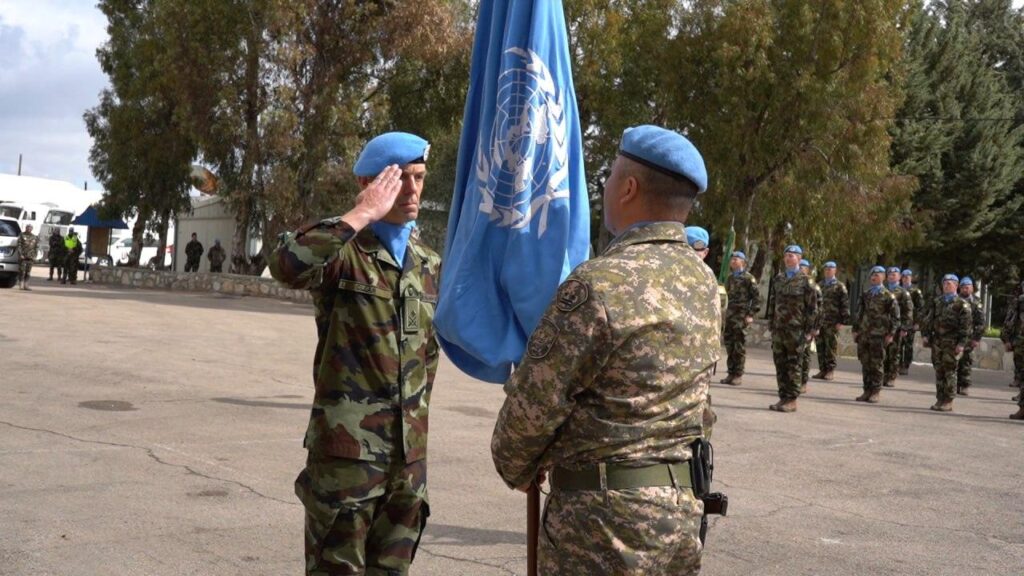
The Kazakh Defense Ministry has issued a report on the handing over of the United Nations’ flag to the peacekeeping contingent of Kazakhstan. The solemn ceremony took place on March 22nd at the Fawhar peacekeeping base, located in the area of responsibility of the UN mission on the Golan Heights between Israel and Syria. After the head of the Irish contingent, Lieutenant Colonel Oliver Clear, had handed over the UN flag to the commander of the Kazakh contingent, Lieutenant Colonel Zhiger Aipov, the latter commented: “Since the transfer of the UN flag, our unit has become a full participant in the mission in the Golan Heights and we have now begun to carry out the assigned tasks.” This is the first time in Kazakhstan’s history that the UN has given the country a mandate to carry out an independent peacekeeping mission. During the year, the Kazakh peacekeeping contingent will patrol the area, strengthen checkpoints, maintain ceasefire between warring parties, and perform other tasks in accordance with the mandate of the UN mission. Peacekeepers from Kazakhstan have undergone thorough selection and training in accordance with the UN’s requirements and standards and according to Kazakh Defense Minister Ruslan Zhaksylykov, 139 servicemen are ready to be to be sent to the Golan Heights.