• KGS/USD = 0.01144 0%
  • KZT/USD = 0.00215 0%
  • TJS/USD = 0.10680 0.19%
  • UZS/USD = 0.00008 0%
  • TMT/USD = 0.28530 0%
  • KGS/USD = 0.01144 0%
  • KZT/USD = 0.00215 0%
  • TJS/USD = 0.10680 0.19%
  • UZS/USD = 0.00008 0%
  • TMT/USD = 0.28530 0%
  • KGS/USD = 0.01144 0%
  • KZT/USD = 0.00215 0%
  • TJS/USD = 0.10680 0.19%
  • UZS/USD = 0.00008 0%
  • TMT/USD = 0.28530 0%
  • KGS/USD = 0.01144 0%
  • KZT/USD = 0.00215 0%
  • TJS/USD = 0.10680 0.19%
  • UZS/USD = 0.00008 0%
  • TMT/USD = 0.28530 0%
  • KGS/USD = 0.01144 0%
  • KZT/USD = 0.00215 0%
  • TJS/USD = 0.10680 0.19%
  • UZS/USD = 0.00008 0%
  • TMT/USD = 0.28530 0%
  • KGS/USD = 0.01144 0%
  • KZT/USD = 0.00215 0%
  • TJS/USD = 0.10680 0.19%
  • UZS/USD = 0.00008 0%
  • TMT/USD = 0.28530 0%
  • KGS/USD = 0.01144 0%
  • KZT/USD = 0.00215 0%
  • TJS/USD = 0.10680 0.19%
  • UZS/USD = 0.00008 0%
  • TMT/USD = 0.28530 0%
  • KGS/USD = 0.01144 0%
  • KZT/USD = 0.00215 0%
  • TJS/USD = 0.10680 0.19%
  • UZS/USD = 0.00008 0%
  • TMT/USD = 0.28530 0%

Viewing results 127 - 132 of 304

World Justice Project: Kazakhstan Leads, Uzbekistan Improves, Kyrgyzstan Drops

The World Justice Project has announced the 2023 ranking of countries based on the rule of law. The ranking is based on eight indicators across 142 countries, which include constraints on government powers, the absence of corruption, open government, fundamental rights, order and security, regulatory enforcement, civil justice, and criminal justice. Denmark, Norway, and Finland occupy the highest places on the list. Kazakhstan has the highest score among the countries of Central Asia, placing in 65th. The country's ranking in terms of corruption, order and security, and civil justice all improved. Uzbekistan placed in 78th, with its indicators for order and security particularly high; the state is listed 17th in this category, with indicators for the absence of corruption also positive. Both Kazakhstan and Uzbekistan have improved their ranking by 2 points compared to last year. Kyrgyzstan, meanwhile, dropped one place to 103rd, whilst Tajikistan and Turkmenistan are not included in the rankings.

Turkmenistan Strengthens Anti-Corruption Mechanisms With Kazakh Experience

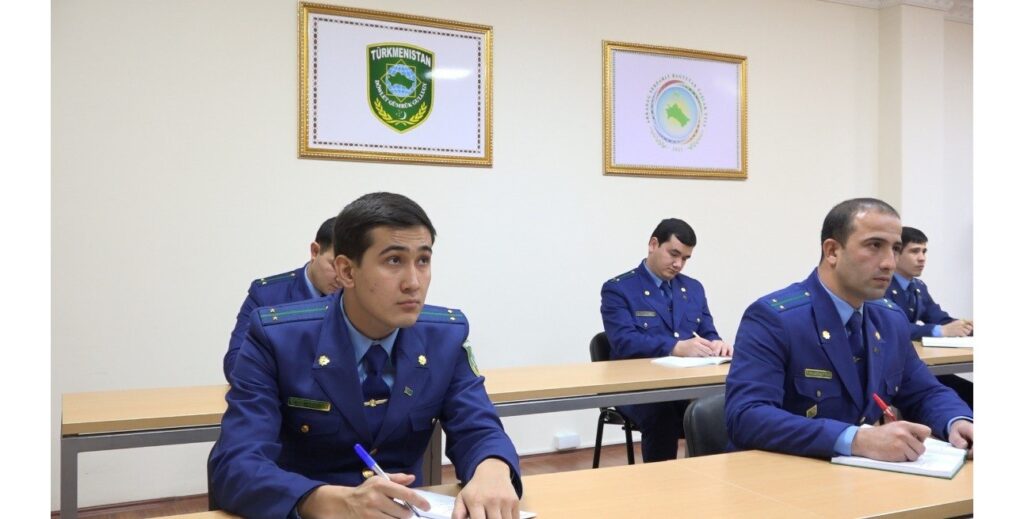
Turkmenistan is actively enhancing its anti-corruption framework by drawing on international expertise. A delegation of senior officials from key ministries recently visited Kazakhstan to learn from its financial practices. This visit, facilitated by the USAID "Governance in Turkmenistan" project with support from the OSCE Center in Ashgabat, aimed to explore best practices in financial monitoring, investigations, and the regulation of virtual assets at the Astana International Financial Center. Therein, Turkmen officials studied national risk assessments, inter-agency cooperation, and preventive measures against corruption, with a particular focus on asset recovery and identifying beneficial owners. The GAT project underlines Turkmenistan's stated commitment to fostering transparent, inclusive governance and advancing socioeconomic development.

Karakalpak Activist Loses Asylum Bid in Kazakhstan

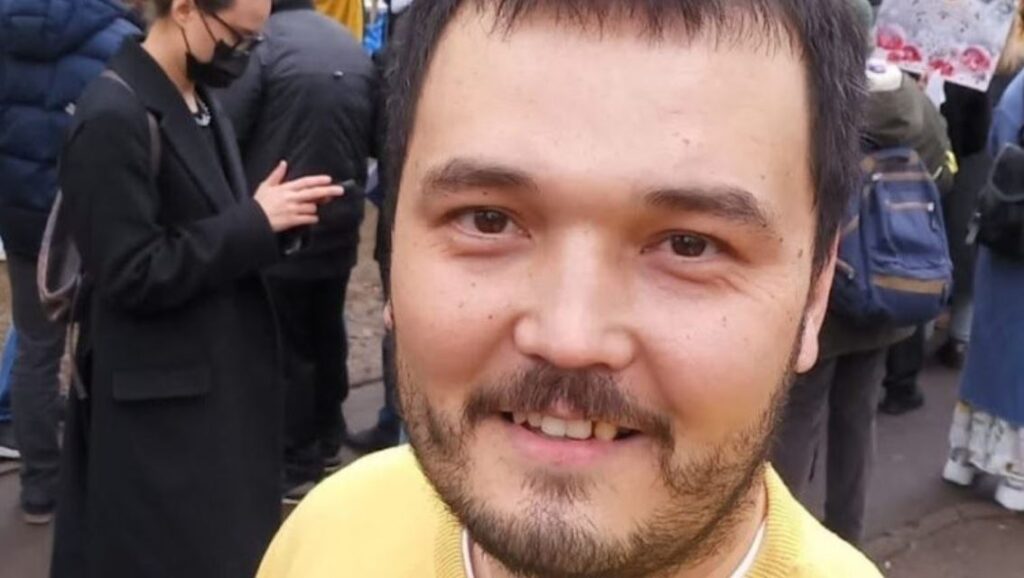
An Uzbek activist who has campaigned for the rights of people in the Uzbek region of Karakalpakstan faces possible extradition after Kazakhstan denied his asylum request, according to the activist´s supporters. Aqylbek Muratbai, who has lived in Kazakhstan for years, was arrested in February at the request of Uzbek authorities and a Kazakh commission ruled against his asylum request on Friday, his supporters said. New Kazakh regulations allow Muratbai to be moved to Uzbekistan “at any time,” according to Muratbai’s account on the X platform. His lawyer plans to appeal. Karakalpakstan is an arid, semi-autonomous area in the northwest of Uzbekistan that was the scene of deadly violence in 2022. Protesters marched in opposition to planned constitutional changes that would have removed that autonomous status, and security units used force to disperse the demonstrations. At least 21 people were killed, including 4 law enforcement officers, according to Human Rights Watch. Uzbek authorities have since prosecuted Karakalpak activists for crimes including the instigation of riots and sentenced some to long prison terms. At the same time, the government has launched an investment program to develop the long-neglected region. The Karakalpakstan question is particularly sensitive for Uzbekistan because the national constitution allows the region’s people to choose secession through a referendum. Muratbai’s camp had said that he would likely face unfair prosecution if he is extradited to Uzbekistan and that the Kazakh asylum process should take that possibility into account, even if maintaining good relations with the Uzbek leadership is also important.

Central Asian Countries Unite To Support Women and Children Repatriated From Conflict Zones

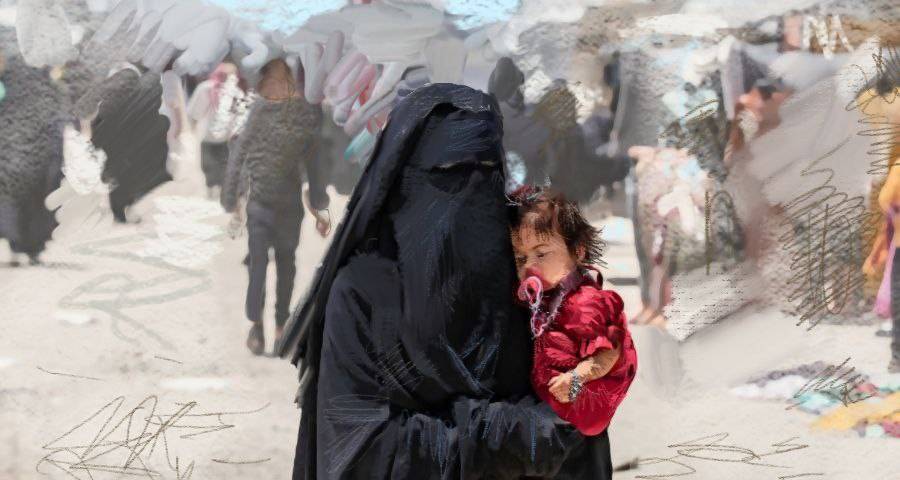
UNICEF Uzbekistan reports that Kazakhstan, Kyrgyzstan, Tajikistan, and Uzbekistan are actively working to improve the support system for women and children returning from conflict zones, such as Iraq and Syria. In support of the European Union's project “The second phase of EU-UN support to Central Asian states for their citizens returning from conflict zones,” delegations from the above met to discuss their shared experiences and means of providing necessary support and services for successfully reintegrating women and children into society. Uzbekistan was one of the first countries in Central Asia to start repatriating its citizens from conflict zones. Since 2019, the country has undertaken several missions to return women and children stranded in conflict zones as part of operations known as “Mehr” (“kindness” in Uzbek). The “Mehr-1” and “Mehr-2” operations have enabled the Government of Uzbekistan to repatriate many of its citizens, and in cooperation with the government of Iraq and UNICEF, offer a safe haven in their motherland for children deprived of basic necessities such as food, clean water, and medical care while living in war zones and refugee camps. On their return, repatriated citizens are placed in special sanatoriums where they are provided with hot food, clothing, and the services of doctors, therapists, and teachers. To date, Uzbekistan has successfully repatriated 531 citizens, including 331 children, 125 women, and 27 men. The country's initiative has been praised internationally and noting  its focus on the interests of children and supporting the family unity and society, Ní Aoláin, a UN expert has stateed that, “The Uzbek model of repatriation and reintegration provides a roadmap for other governments to return their nationals from conflict zones." Kazakhstan, likewise, has committed to the repatriation of its citizens from areas previously controlled by the Islamic State, and has launched operations “Jusan” and “Rusafa”, implemented with a high level of coordination between various government agencies, including national security services, diplomats, and the military. One of the most essential repatriations took place within the framework of the “Jusan” operation, launched in 2019. The name “Jusan” means bitter wormwood; native to Kazakhstan and a symbol of homesickness. Through this operation, hundreds of women and children were rescued from dangerous refugee camps in Syria, including the notorious Al-Hol Camp. Maryam, one of the women repatriated during the “Jusan” operation, said that the "first time a delegation from Kazakhstan arrived was to collect data on Kazakh citizens in the Al-Hol Camp. They promised to come back for us soon. A month of waiting felt like an eternity to us.” According to women from the tent camp, the shortage of drinking water and provisions, essential medicines, and the unbearable heat aggravated the situation and led to constant conflicts between residents. The humanitarian operations “Jusan” and “Rusafa” enabled the return of 725 people to Kazakhstan, including 188 women and 522 children, most of whom were under twelve years of age. Kazakhstan's success in such operations has been  attributed to the high level of investment by the state. According to Gabit Konusov,...

Tokayev Pardons Chinese Scholar Konstantin Syroezhkin

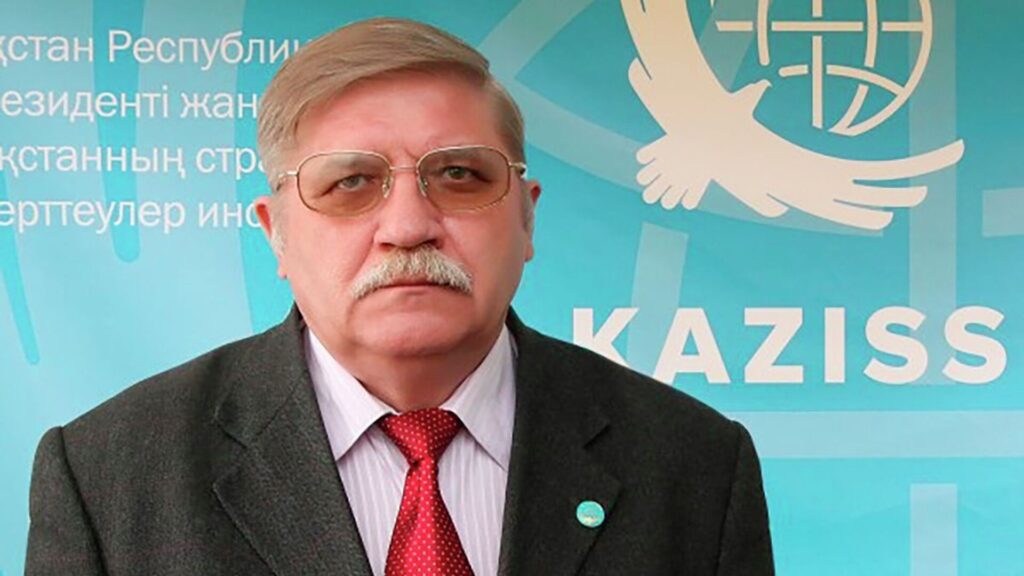
The Kazakh political analyst Andrei Chebotaryov has announced on his Telegram channel that President Kassym-Jomart Tokayev has pardoned a scholar of Chinese studies, Konstantin Syroezhkin, who was convicted of treason in 2019. “On the proposal of the Commission on pardon issues under the President of the Republic of Kazakhstan, the head of state Kassym-Jomart Tokayev pardoned the doctor of political sciences and professor Konstantin Syroezhkin by an appropriate decree. In this regard, his criminal record was removed, and his rights were restored. In general, justice has triumphed! I wish our colleague and mentor good health and new scientific achievements!”,  Chebotaryov shared. Syroezhkin was arrested in February 2019 in a criminal case of high treason. The case caused widespread outrage, especially in scientific circles. At the same time, little is known about it. The trial was closed, and the circumstances of the case were not disclosed. In October 2019, Konstantin Syroezhkin was found guilty of high treason and sentenced to 10 years in prison by the specialized inter-district criminal court of Almaty. In April 2024, the appellate panel granted Syroezhkin's appeal and released him on parole with probation supervision for the remaining term of four years, five months, and 22 days. The board concluded that Syroezhkin's exemplary behavior, conscientious attitude to work, and participation in prison life proved he did not need to serve the entire sentence. Syroezhkin has been engaged in Oriental studies for many years and has had a long academic career in Kazakhstan. Earlier, he worked at the Institute of Uyghur Studies of the Academy of Sciences of the Kazakh SSR and at Kazakhstan's Center of Oriental Studies of the Academy of Sciences. During the investigation that ended his career, Syroezhkin was chief scientific officer of the Kazakhstan Institute for Strategic Studies, from 2006 to 2019. Among his significant works are such studies as “Modern Xinjiang and its Place in Kazakhstan-China Relations,” “Kazakhstan-China: From cross-border Cooperation to Strategic Partnership,” and “Should Kazakhstan be Afraid of China: Myths and Phobias.” He has also researched the life of Kazakhs in China, which became his work “Kazakhs in China: Sketches of Socio-Economic and Cultural Development.” It is worth noting that other well-known scientists have also been convicted in Kazakhstan. For example, in 2011, the leader of the country's Sufi community and a Doctor of Technical Sciences, Professor Sayat Ibrayev, was sentenced to 12 years in prison on charges of “organizing a criminal group.” The same year, he was nominated in absentia for the Alikhan Bukeikhanov Award of the Union of Journalists of Kazakhstan.

Kazakhstan Proposes Lowering Age of Criminal Responsibility

Kazakhstan has proposed lowering the age of criminal responsibility Leading the initiative  at a plenary session, Mazhilis Deputy Magerram Magerramov emphasized, “We, legislators, should probably revise the age of criminal responsibility threshold for some crimes, establishing responsibility not from 14, but from 12 years old, for example, in cases of rape." Magerramov drew attention to unsafe conditions in schools, citing cases of violence and murder committed by minors. In his opinion, bullying, and romanticizing  banditry within the school environment create the basis for violence that continues in the army. The deputy also stressed the lack of a social protection system and called for strengthening educators' roles in preventing schoolchildren's destructive behavior. To this end, he recommended a revision of current approaches to the prevention of criminal behavior among teenagers in tandem with increased attention to moral and ethical education. Magerramov noted that Kazakhstan needs a comprehensive approach by authorized bodies to solving these problems as well as a revision of the current system which allows juvenile offenders to avoid punishment because of their age. In June 2024, a new law came into force in Kazakhstan, which introduced liability for bullying and cyberbullying of minors. However, the deputy believes that additional measures are needed to combat juvenile violence. The age of criminal responsibility varies from country to country. In Japan, Ireland, and Morocco, children can be held responsible for crimes from the age of twelve. In India, the minimum age of responsibility is set at 12, with the caveat that for serious offenses such as murder or rape, the court may take into account the child's conscious actions.