• KGS/USD = 0.01144 0%
  • KZT/USD = 0.00214 0%
  • TJS/USD = 0.10508 0.48%
  • UZS/USD = 0.00008 0%
  • TMT/USD = 0.28490 -0.28%
  • KGS/USD = 0.01144 0%
  • KZT/USD = 0.00214 0%
  • TJS/USD = 0.10508 0.48%
  • UZS/USD = 0.00008 0%
  • TMT/USD = 0.28490 -0.28%
  • KGS/USD = 0.01144 0%
  • KZT/USD = 0.00214 0%
  • TJS/USD = 0.10508 0.48%
  • UZS/USD = 0.00008 0%
  • TMT/USD = 0.28490 -0.28%
  • KGS/USD = 0.01144 0%
  • KZT/USD = 0.00214 0%
  • TJS/USD = 0.10508 0.48%
  • UZS/USD = 0.00008 0%
  • TMT/USD = 0.28490 -0.28%
  • KGS/USD = 0.01144 0%
  • KZT/USD = 0.00214 0%
  • TJS/USD = 0.10508 0.48%
  • UZS/USD = 0.00008 0%
  • TMT/USD = 0.28490 -0.28%
  • KGS/USD = 0.01144 0%
  • KZT/USD = 0.00214 0%
  • TJS/USD = 0.10508 0.48%
  • UZS/USD = 0.00008 0%
  • TMT/USD = 0.28490 -0.28%
  • KGS/USD = 0.01144 0%
  • KZT/USD = 0.00214 0%
  • TJS/USD = 0.10508 0.48%
  • UZS/USD = 0.00008 0%
  • TMT/USD = 0.28490 -0.28%
  • KGS/USD = 0.01144 0%
  • KZT/USD = 0.00214 0%
  • TJS/USD = 0.10508 0.48%
  • UZS/USD = 0.00008 0%
  • TMT/USD = 0.28490 -0.28%

Viewing results 61 - 66 of 186

Kazakhstan and the UAE Are Building a Geoeconomic Powerhouse Spanning Asia and the Gulf

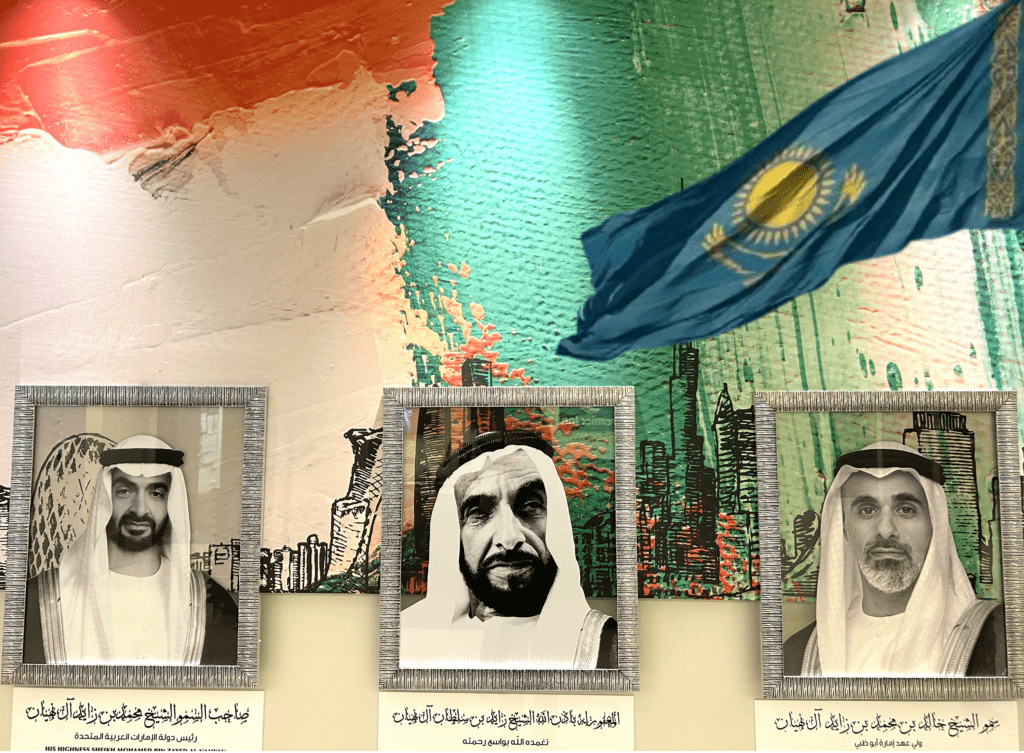
Kazakhstan President Kassym-Jomart Tokayev’s recent mid-January visit to the United Arab Emirates (UAE), to attend the Abu Dhabi Sustainability Week (ADSW) Summit, underscores the strategic importance both nations place on their bilateral ties. ADSW is a prominent global platform dedicated to accelerating sustainable development and promoting international cooperation on the global environmental agenda. The 2025 summit — with the theme, “Nexus of Next: Supercharging Sustainable Progress” — was designed specifically to explore advanced technologies such as artificial intelligence, renewable energy, and innovative sustainability solutions. As leader of the most dynamic of the Central Asian economies, President Tokayev’s presence signaled his country’s ambition to play a more prominent role in addressing environmental challenges at an international level. In his keynote speech, Tokayev addressed environmental issues that are particularly critical for Kazakhstan, including desertification, biodiversity loss, water scarcity, and food security. He emphasized his country’s multifaceted approach to these challenges, which includes digital technologies, large-scale infrastructure projects, and the development of nuclear energy as a low-carbon solution. Kazakhstan has recently launched initiatives, such as expanding solar and wind farms and implementing advanced irrigation systems to combat desertification. Tokayev also highlighted Kazakhstan’s commitment to meeting its renewable energy targets, aiming to generate 15% of its electricity from renewables by 2030, in partnership with global leaders in green technology. Overall, the ADSW Summit provided a platform for Kazakhstan to engage with international partners, share its vision for sustainable development, and explore collaborative opportunities to address global environmental challenges. Kazakhstan’s efforts include the development of the Mohammed bin Rashid Al Maktoum Solar Park, which will have a capacity of 5,000 megawatts (MW) by 2030, and participation in the Space-D programme, which enhances operational performance through nano-satellites. In particular, President Tokayev met with UAE President Sheikh Mohamed bin Zayed Al Nahyan to discuss bilateral relations. The two leaders agreed to focus on a specific economic agenda — focused on trade, investment, and sustainable development — to create positive bilateral trade dynamics. Their Joint Declaration on Strategic Investment Projects in these fields was also highlighted. Kazakhstan and the UAE have developed a dynamic and multifaceted partnership over the past three decades. Since establishing diplomatic relations in 1993, the UAE has become Kazakhstan’s leading strategic partner in the Arab world. Early cooperation focused on trade and investment but has since expanded to include sectors such as petrochemicals, energy, transport, logistics, agriculture, and aerospace. Key milestones include the establishment of direct flight routes between the two countries and the signing of long-term investment agreements in the mid-2000s. Tokayev noted that direct investment from the UAE into Kazakhstan more than doubled from 2023 to 2024, placing the country among the top ten largest foreign investors in Kazakhstan. A focal point of their discussion was the goal of increasing bilateral trade turnover to $1 billion. In this context, the Dubai International Chamber has established a representative office in Kazakhstan to boost trade and investment opportunities further still. For several years, the UAE has been expanding its cooperation with the Greater Caspian...

Does the European Parliament Judge Central Asia Fairly?

In 2024, European Parliament (EP) resolutions on Central Asia emphasized its increasing significance in a world that is being reshaped by Russia’s war on Ukraine and China’s growing assertiveness. They focused on strengthening the EU’s partnerships with Central Asia while seeking to advance democratic values and human rights. These Enhanced Partnership and Cooperation Agreements aim to support economic reforms, foster sustainable development, and encourage regional cooperation. At the same time, reflecting the EU’s strategic focus on stability and resilience in the region, the EP’s resolutions urged the Central Asian states to decrease their dependency on Russian energy and avoid facilitating sanctions evasion. For the Central Asian countries, all these initiatives present opportunities to address pressing challenges and pave the way for growth. Advancing democratic governance and protecting fundamental rights, for example, can foster more inclusive and stable societies. Deeper engagement with the EU also offers access to advanced technologies and investments (as well as global markets), which are necessary for innovation and infrastructure upgrades. Likewise, the diversification of energy sources enhances regional self-reliance, reducing vulnerabilities that are tied to over-dependence on a single partner. Alignment with EU priorities, including resistance to autocratic pressures, gives Central Asia a better chance to develop its resilience and interconnected future. Some voices in the region, however — particularly among government officials and more traditionally-minded citizens — view the European Parliament's 2024 resolutions as overly critical, indeed influenced by special interests that fail to take into account the region’s unique challenges and priorities. From a Central Asian perspective, the criticisms contained in the EP’s resolutions lack essential context, focus narrowly on perceived shortcomings, and fail to give adequate consideration to the complex situation underlying governmental decisions. Such a one-sided approach, they suggest, overlooks essential cultural, historical, socio-political, and geopolitical factors. The result is a significant gap between the EU’s expectations on the one hand, and, on the other, what is reasonable to expect given the realities on the ground. The drafters of these documents often focus excessively on identifying deficiencies in democratic processes. They report violations without contextualizing the governments’ choices and often omit any mention of the views of the general public. The unfortunate consequence is that such criticisms vitiate good-faith attempts to build cooperation and partnership. The ideal becomes the enemy of the possible. Most Europeans still have a poor understanding of Central Asia. Many MEPs lack the time or resources to grasp the region’s complexity. Instead, their decisions are too often informed by resolutions that are drafted by a small group of “experts”. The language of these resolutions often reflects the drafters’ personal biases, which in turn risk deforming Europe’s strategic relationships with the region. A lack of proper scrutiny is all the more alarming in light of the Qatargate scandal, which exposed how state-funded lobbyists can distort human rights narratives to advance specific agendas. Maria Arena, the former head of the European Parliament's Subcommittee on Human Rights (DROI), played a central role in shaping judgments on democratic practices in Central Asia,...

Kazakhstan Ends Era of Cheap Fuel: Price Controls Set for Abolition

On January 17, the Ministry of Energy of the Republic of Kazakhstan published a number of draft orders on the Open NLA (normative legal acts) portal, which were to be discussed within five days. In total, the Ministry proposed the abolition of eleven orders regulating wholesale and retail prices for petroleum products, which have been under price control since 2014. In addition, it intends to change the calculation formulas and price ceilings for wholesale and retail sales of liquefied and natural gas. I have been writing about the need for price liberalization since 2018, as seen in articles such as “#Kazneft, part 2: The Bermuda Gasoline Triangle - Why Prices Will Rise” and “#Kazneft, part 4: We Rank Seventh in the World for the Cheapest Gasoline. Is It Sold at a Loss?” This is a landmark event for the Government of Kazakhstan, which has long maintained not only the lowest fuel prices in the region but some of the lowest globally. The country consistently ranks among the top ten nations with the cheapest energy resources, including fuel, natural gas, coal, and electricity.   Cheap and Even Cheaper According to Global Petrol Prices, as of January 20, 2025, fuel prices per liter in dollar terms across the EAEU, CIS, and neighboring countries are as follows: (Table 1) Country RON-95 Diesel Turkmenistan 0,43 0,29 Kazakhstan 0,47 0,55 Russia 0,61 0,71 Azerbaijan 0,65 0,59 Belorussia 0,75 0,75 Kyrgyzstan 0,81 0,81 Afghanistan 0,83 0,83 Uzbekistan 0,99 0,95 Georgia 1,09 1,06 China 1,15 1,02 Ukraine 1,39 1,37 Mongolia 1,49 1,19 Kazakhstan ranks seventh globally for the affordability of RON-95 gasoline, trailing behind Angola, Egypt, Algeria, Kuwait, Turkmenistan, and Malaysia. At the same time, there are “throwaway” prices in Iran, Libya, and Venezuela, but these price indicators do not reflect the actual availability of fuel in these countries. Turkmenistan also shows relatively low fuel prices, primarily due to the use of alternative fuels, such as methane, in transportation. Kazakhstan has historically had nearly double the price gap compared to its neighboring countries, which has facilitated the shadow export of fuel despite an official ban on exporting petroleum products.   A Leaky Bucket I have described Kazakhstan's domestic fuel market as a "leaky bucket"— no matter how much fuel is produced, it is constantly in short supply. In 2024, the country processed about 18 million tons of oil, with its three major refineries — Atyrau: 99% owned by the national company KazMunayGas (KMG), Shymkent: 51% owned by China National Petroleum Corporation (CNPC), and 49% by KMG, and Pavlodar: 100% KMG — accounting for approximately 17 million tons. Mini-refineries produced an additional one million tons. The production of petroleum products (excluding fuel oil) amounted to around 14.5 million tons.   The balance of petroleum products for 2025 is as follows, million tons: (Table 2) Product Production in the Republic of Kazakhstan Import from Russia Import to production, % RON-92, RON-95, RON-98 5,0 0,29 6 % Diesel fuel 5,1 0,45 9 % Jet fuel 0,75 0,3 40 % Bitumen/tar 1,1 0,50 45 % For 2025,...

Kazakhstan Could Save America’s Energy Future

The energy crisis gripping Europe has made clear for all to see the limits of solar and wind power. Years of investment and unbridled ambition have not created renewable sources that can deliver the consistent, large-scale energy that modern economies need. Nuclear power has emerged as the only viable solution for achieving zero-emissions energy while maintaining reliability. Europe’s urgent need to reduce its dependency on Russian gas has made all that even clearer. Meanwhile, the United States faces its own energy challenges. Its nuclear industry urgently requires a secure and stable uranium supply; yet U.S. foreign policy has largely overlooked Kazakhstan, the world’s largest uranium producer. It gets worse. No sitting U.S. president has ever visited Kazakhstan, which produces over 40% of the world’s natural uranium. Russia and China have filled this diplomatic vacuum, embedding themselves deeply in Kazakhstan’s energy sector. The United States and Europe must act decisively to build stronger ties with Kazakhstan and Central Asia, if they are to achieve energy independence by securing their nuclear futures. Europe’s dependence on Russian natural gas has been its geopolitical Achilles’ heel for decades. Russia's illegal war of aggression against Ukraine, driving home the need to diversify energy sources, has further increased that vulnerability. Nuclear power offers Europe a path to energy independence. This hinges, however, on access to uranium, of which Europe imports 97% of its supply. Moreover, much of that uranium is enriched in Russia, creating a dependency analogous to that on Russian gas. That problem can be solved by deepening cooperation with Kazakhstan, the world’s largest uranium producer. Unfortunately, Europe’s engagement with Kazakhstan has been half-hearted at best; yet the country's reserves are essential for powering Europe’s nuclear plants. Strategic investments and partnerships are needed to unlock Kazakhstan’s role as a reliable uranium supplier to Europe, but logistical hurdles and a lack of political focus have so far stymied efforts to make that happen. Kazakhstan, the world's leading uranium producer, offers the United States a critical opportunity to secure its energy and national-security needs, yet Washington has ignored this and made little effort to deepen its ties with Kazakhstan. By contrast, China sources 60% of its uranium imports from Kazakhstan, supported by investments in mining and nuclear fuel facilities. Likewise, Russia has, through Rosatom, forged strong partnerships with Kazatomprom. These efforts give Beijing and Moscow significant leverage over global uranium markets. The U.S., however, has failed to foster the political and economic relationships necessary for long-term nuclear-energy security. Kazakhstan is a particularly glaring case in point. Over the past two decades, Kazakhstan has come to account for nearly half of global uranium production, giving it a key position in the global uranium supply chain. Neighboring Uzbekistan, the fifth-largest producer, adds another 6%, and Mongolia also has significant undeveloped reserves of future potential. Yet Kazakhstan remains heavily dependent on Russian infrastructure for uranium transport and enrichment. Until the late 2024 signature of an agreement to supply nearly half of its annual uranium ore production to China through the...

Kazakhstan’s High-Stakes Balancing Act in the Aktau Crash Investigation

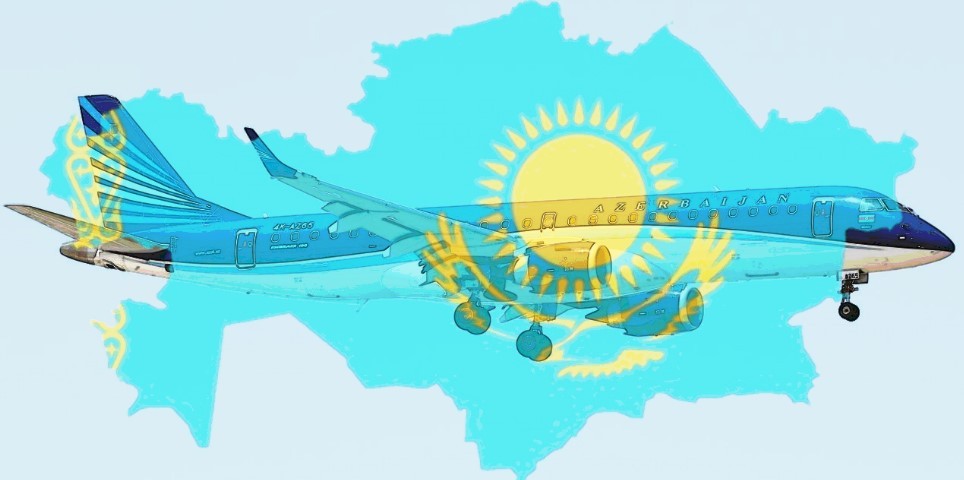
The Aktau crash of the Azerbaijan Airlines Embraer 190 aircraft, which killed 38 people on 25 December, was a tragic event with significant international repercussions. This devastating accident not only claimed lives but also raised critical questions about aviation safety and the handling of sensitive investigations. As investigators sought to determine its cause, Kazakhstan faced an important decision regarding the handling of the flight recorder. Ultimately, the country chose to transfer the recorder to Brazil, the manufacturer of the aircraft, rather than to the Interstate Aviation Committee (IAC) of the Commonwealth of Independent States (CIS), as Russia had proposed. This decision reflected both technical and diplomatic considerations, marking a crucial moment in the unfolding investigation. By taking this decision, Kazakhstan adhered to established industry procedures for aviation safety investigations. Such a step highlights the country's commitment to transparency and global norms in aviation. The move is typical of the country's foreign policy under President Kassym-Jomart Tokayev, whose long diplomatic experience leads him to emphasize a rules-based approach over political considerations and to act in accord with established procedural norms. This choice ensured that the investigation would follow established international practices, thereby lending credibility to the process and reassuring global aviation stakeholders. This behavior is also in line with Kazakhstan's broader commitment to international law and a rules-based global order. Another notable example of this approach was its endorsement of the principles of sovereignty and territorial integrity through its refusal to recognize Russia’s annexation of Crimea or the independence of the Donbas regions. These decisions were not necessarily easy ones, given Kazakhstan’s economic and security ties with Russia, but they reinforced its commitment to global standards. While some observers might frame decisions like the Aktau recorder transfer as a “snub” to Russia, such characterizations would miss the point. Like Kazakhstan’s refusal to recognize Donbas as independent and its efforts to prevent the flow of military components in violation of Western sanctions, its actions are not meant to be about rejecting one partner in favor of another. Rather, acting in its own autonomous interests, Kazakhstan seeks to "do the right thing," because this maintains a consistent international profile with a steady foreign-policy course grounded in international law and practice. Kazakhstan’s mediation efforts extend beyond formal multilateral forums, showcasing its active engagement in regional and global diplomacy. The country provided a neutral platform for discussions between opposing factions in the conflict over Syria; and it has also worked to ease tensions between Armenia and Azerbaijan, hosting purely bilateral consultations and thus demonstrating its capacity to engage constructively in regional conflicts without taking sides. These efforts are in line with Kazakhstan’s larger foreign-policy strategy to act as a principled and impartial intermediary on the global stage, fostering dialogue and reducing hostilities. Similarly, Kazakhstan’s leadership in the Conference on Interaction and Confidence-Building Measures in Asia (CICA) reflects its dedication to multilateralism and peaceful conflict resolution. Kazakhstan exemplifies the rising middle-power archetype also through its significant contributions to global nuclear non-proliferation. Its foreign policy operates on...

How the Azerbaijan Airlines Crash Could Shake Relations with Russia

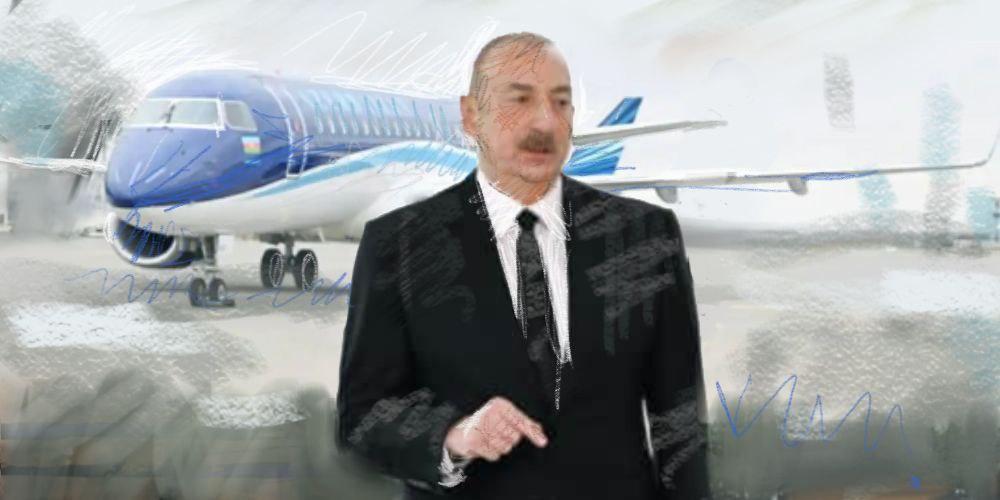
The crash of an Azerbaijan Airlines (AZAL) airplane in Aktau, Kazakhstan, has the potential to significantly effect Azerbaijan's relations with Russia if Moscow mishandles the situation. To date, there has been a lack of transparency and responsiveness on the part of the Kremlin. The implications could include accelerating the deterioration of Moscow's influence in the region. These implications, therefore, concern not only the local countries, but any international actor having strategic interests in the South Caucasus and Central Asia, or otherwise concerned with their future role and place in the evolving post–Cold War international system.   The Facts of the Disaster Given the rapid dissemination of information in the 2020s by electronic means, whereby authentic real-time videos made by first responders to the fuselage on the ground were uploaded to social media and available worldwide within minutes, the overall outline and some details of the incident are by now generally well known. The airplane was en route from Baku to Grozny, the capital of Chechnya, when explosions in the air damaged the cabin. Very soon after, but not as a result of these explosions, the pilots completely lost all electronic orientation and navigation capabilities. According to one source close to Azerbaijan's investigation into the crash, preliminary results showed the plane was struck by a Russian Pantsir-S air defense system and its communications were then paralyzed by electronic warfare systems on the approach into Grozny. Ukrainian military drones have repeatedly targeted Russia’s southern regions, triggering Russian air defenses. “No one claims that it was done on purpose,” the source said; but “taking into account the established facts, Baku expects the Russian side to confess to the shooting down of the Azerbaijani aircraft.” After being hit, the plane was refused emergency landing permission at Grozny (2.5 kilometers from where the incident occurred) and at least two other Russian airports in the North Caucasus (Makhachkala, 155 kilometers away, and Mineral’nye Vody, 225 kilometers), before being directed by local air control out over the Caspian Sea. Once there, the pilots made the decision to try to land in Aktau (435 kilometers away). Against all odds, they succeeded in avoiding the need to ditch the aircraft into the sea, which would have undoubtedly killed all on board and also destroyed the craft, making any investigation into what had happened impossible. In the event, according to the Kazakhstani authorities, out of 62 passengers and five crew, 32 survivors were initially rescued. Captain Igor Kshnyakin, Co-pilot (First Officer) Alexander Kalyaninov, and Purser Hokuma Aliyeva died when the front wheel touched down ahead of the back wheels, as a result of which the cockpit was thrown violently away from the ongoing wreck. However, this is what created the conditions for at least some of the passengers to survive, as it split the fuselage in two. The event has garnered international attention, including for the professionalism of the crew.   What Has Happened Since At first, Kazakhstan declared its own unilateral competence to investigate the crash, which occurred on...