
• KGS/USD = 0.01143 0%
  • KZT/USD = 0.00216 0%
  • TJS/USD = 0.10684 -0.28%
  • UZS/USD = 0.00008 0%
  • TMT/USD = 0.28571 0%
  • KGS/USD = 0.01143 0%
  • KZT/USD = 0.00216 0%
  • TJS/USD = 0.10684 -0.28%
  • UZS/USD = 0.00008 0%
  • TMT/USD = 0.28571 0%
  • KGS/USD = 0.01143 0%
  • KZT/USD = 0.00216 0%
  • TJS/USD = 0.10684 -0.28%
  • UZS/USD = 0.00008 0%
  • TMT/USD = 0.28571 0%
  • KGS/USD = 0.01143 0%
  • KZT/USD = 0.00216 0%
  • TJS/USD = 0.10684 -0.28%
  • UZS/USD = 0.00008 0%
  • TMT/USD = 0.28571 0%
  • KGS/USD = 0.01143 0%
  • KZT/USD = 0.00216 0%
  • TJS/USD = 0.10684 -0.28%
  • UZS/USD = 0.00008 0%
  • TMT/USD = 0.28571 0%
  • KGS/USD = 0.01143 0%
  • KZT/USD = 0.00216 0%
  • TJS/USD = 0.10684 -0.28%
  • UZS/USD = 0.00008 0%
  • TMT/USD = 0.28571 0%
  • KGS/USD = 0.01143 0%
  • KZT/USD = 0.00216 0%
  • TJS/USD = 0.10684 -0.28%
  • UZS/USD = 0.00008 0%
  • TMT/USD = 0.28571 0%
  • KGS/USD = 0.01143 0%
  • KZT/USD = 0.00216 0%
  • TJS/USD = 0.10684 -0.28%
  • UZS/USD = 0.00008 0%
  • TMT/USD = 0.28571 0%

Viewing results 193 - 198 of 988

Kyrgyzstan Introduces Meat Price Regulation Amid Export Surge

In response to rising domestic meat prices and increasing livestock exports, Kyrgyzstan has introduced state regulation of meat pricing. The directive was issued by Bakyt Torobaev, Minister of Water Resources, Agriculture, and Processing Industry. According to the minister, the state will now monitor meat prices, track livestock movements, and impose restrictions on meat exports to neighboring countries. Torobaev also instructed the Antimonopoly Regulation Service (ARS) to maintain continuous oversight of price trends and conduct market analysis across the country. Ministry specialists are expected to carry out inspections and engage with vendors to prevent unjustified price hikes. The Ministry of Agriculture stated that all relevant departments have been mobilized to implement the directive. Veterinary, livestock, and pasture authorities have been tasked with strengthening sanitary oversight of livestock transportation. These efforts will be coordinated with the Border Service to combat smuggling. Unregulated livestock exports, particularly of native Kyrgyz sheep breeds, have long been a concern for authorities. Strong demand from neighboring countries has created domestic supply shortages, contributing to annual price increases of approximately 10%. Uzbekistan remains the primary destination for Kyrgyz meat and livestock exports. In addition to meat products, Uzbekistan imports live sheep for breeding purposes. According to the National Statistical Committee, Kyrgyzstan exported 233,000 live goats and sheep valued at $23.5 million and 130,000 head of cattle worth $24.5 million to Uzbekistan in 2024. Some of this livestock is subsequently transported from Uzbekistan to Tajikistan. The new price regulation measures are part of broader government efforts to ensure national food security and stabilize prices in the domestic market.
Public Confidence in Kyrgyz Banking Sector Rises Amid Robust Growth

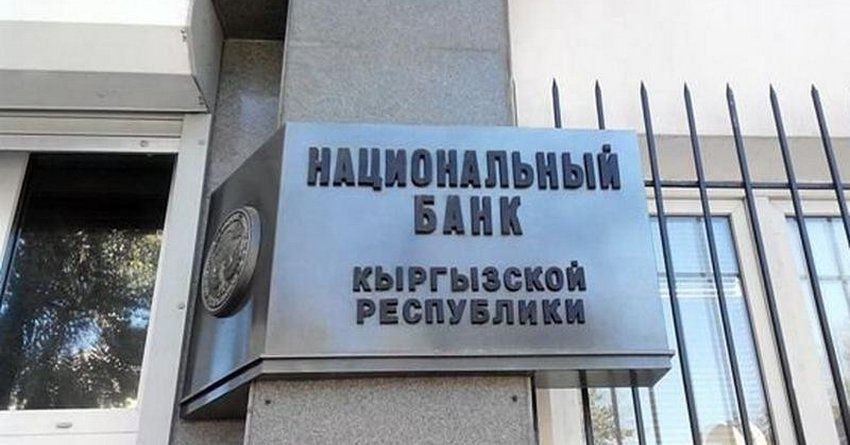
Kyrgyzstan’s banking sector recorded strong performance in the first half of 2025, signaling growing public trust and active private sector engagement. The latest data from the National Bank of the Kyrgyz Republic (NBKR) shows marked increases in total assets, deposits, and loans, reflecting both economic resilience and successful monetary policy implementation. According to the NBKR, the total assets of commercial banks have risen by 24% since the beginning of the year, reaching $11.63 billion. Deposits increased by 20% to over $8.05 billion, while the loan portfolio expanded by 22.5% to $4.8 billion. The central bank emphasized the sector’s stability and high liquidity in the national currency. “The monetary policy being pursued allows us to maintain stability in the interbank money market. The banking system continues to enjoy high liquidity in the national currency. The National Bank is conducting operations to maintain a balanced level of money supply in the economy,” the NBKR stated. The sector’s expansion has also been fueled by the adoption of digital banking technologies and the removal of fees for interbank transfers between individuals. In the first six months of 2025, QR code-based non-cash payments surged more than twelvefold in volume and twentyfold in value. Altogether, 167 million transactions totaling $3.16 billion were processed. “From October 23, 2024, until the end of 2025, Kyrgyzstan has a ban on charging individuals fees for transfers in som via mobile apps and internet banking,” said NBKR Chairman Melis Turgunbaev. The regulator also pointed to the strength of the broader Kyrgyz economy and the relative stability of the currency market. Nevertheless, inflationary pressures are mounting amid ongoing geopolitical tensions and shifting global trade dynamics. Price volatility in food and raw materials markets has been particularly acute, driven by external economic shocks and rising inflation in key partner countries. To curb inflation and stabilize the domestic economy, the NBKR raised its key policy rate by 25 basis points to 9.25%. The central bank expects the rate adjustment to help preserve consumer purchasing power and support household financial stability.

Kyrgyzstan Begins Dried Apricot Exports to China

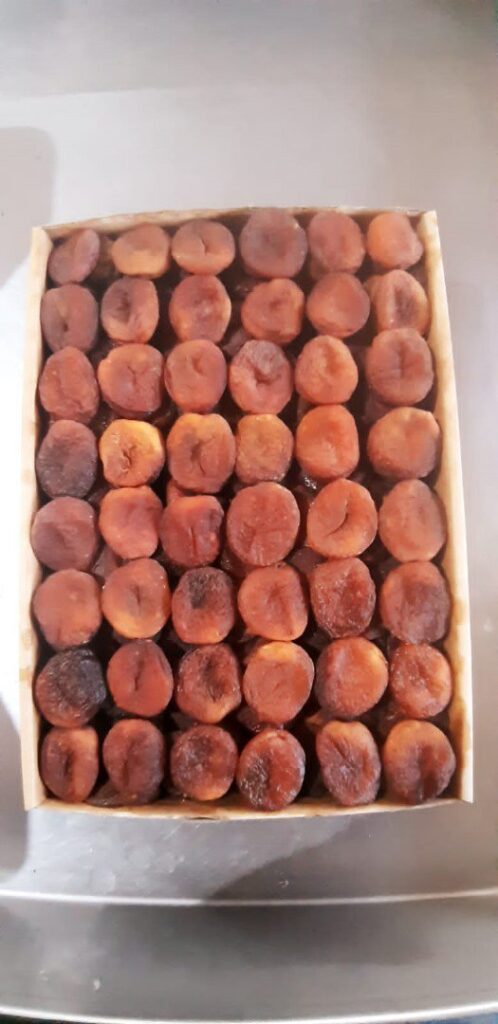
Kyrgyzstan has launched exports of dried apricots to China, with the first 23-ton shipment dispatched on July 29. The delivery comes after Chinese authorities approved Kyrgyz dried apricots for import, following Kyrgyzstan’s successful compliance with Beijing’s sanitary and quarantine standards. According to the Kyrgyz Ministry of Water Resources, Agriculture and Processing Industry, this marks a significant step in expanding agricultural exports to China and sets the stage for broader trade in fruit and vegetable products. The milestone follows the July 11 signing of a bilateral agreement to construct a food safety and quarantine laboratory in Bishkek. The facility will test agricultural goods destined for China to ensure they meet the country’s stringent import regulations. Deputy Prime Minister Bakyt Torobayev noted that Kyrgyz-Chinese trade grew by 44.7% in 2024, reaching $5.3 billion. Exports from Kyrgyzstan to China surged to $2.04 billion, representing a 93-fold increase compared to 2023. Agriculture has emerged as a key area of bilateral cooperation. In 2024, trade in agricultural products between the two nations totaled $153.3 million, up by $33 million from the previous year. Kyrgyz authorities are now seeking to expand the list of approved exports. Negotiations are underway to finalize four additional protocols with China, covering dried fruits, cattle hides, meat, and animal feed. These efforts aim to diversify Kyrgyzstan’s agricultural exports and enhance its position in the Chinese market. Officials see China’s rising demand for agricultural imports as a major opportunity for Kyrgyz farmers and exporters, particularly as the country continues to invest in infrastructure and quality assurance systems to support trade growth.

Vietnamese Company to Build Solar Power Plant in Kyrgyzstan

Kyrgyzstan’s Cabinet of Ministers has signed an investment agreement with Vietnam’s RECA LLC, Rox Energy Global for the construction and operation of a solar power plant in the village of Kyzyl-Oruk, located in the Issyk-Kul region. The agreement was signed by Kyrgyz Energy Minister Taalaibek Ibrayev and senior representatives of the Vietnamese firms, which are part of ROX Group, one of Vietnam’s leading conglomerates. Discussions covered key implementation stages, including land allocation by the Kyrgyz government, grid integration, and state-supported incentives for the project . The solar plant is designed to have a capacity of 1,900 MW and is scheduled for completion in 2027. The project will be financed through foreign direct investment. Founded in 1996, ROX Group operates across several sectors including real estate, technology, hospitality, and financial services, and is actively expanding into international markets, particularly in Europe. In Kyrgyzstan, the company is also behind the construction of the Royal Central Park residential complex in Bishkek. The solar power initiative is fully aligned with Kyrgyzstan’s national strategy to diversify its energy portfolio, increase electricity generation from renewable sources, and address persistent energy shortages across the country.

Kyrgyzstan Sets New Summer Electricity Consumption Record

Kyrgyzstan has recorded a new peak in daily electricity consumption during the summer season, reaching 44.1 million kilowatt-hours (kWh) in a single day, according to the National Electric Grid of Kyrgyzstan (NEGK). This marks a 22% increase compared to the same period in 2024, when the maximum daily load stood at 36 million kWh. The surge is largely attributed to an extended heatwave, with temperatures in major cities exceeding 40°C, prompting heavy use of air conditioners and cooling systems. The NEGK also reported a steady rise in electricity consumers, with an estimated 30,000 new subscribers joining the grid annually. This trend is fueled by Kyrgyzstan’s ongoing construction boom, which includes the development of residential complexes and industrial sites, sectors that have become pillars of the national economy. Despite the strain, the power grid remains stable. “We urge citizens to use electricity sparingly. Rational resource use contributes to the reliable operation of the energy system,” the company stated in a public advisory. Residents were also encouraged to unplug unused appliances to conserve energy. Summer Surplus, Winter Strain Unlike the winter months, Kyrgyzstan typically enjoys a surplus of electricity in summer due to the seasonal melting of glaciers, which boosts hydroelectric output. The country is preparing to participate in the CASA-1000 project alongside Tajikistan, aiming to export surplus electricity to Pakistan via Afghanistan. These exports will be limited to the summer, as Kyrgyzstan faces significant energy shortages in winter. According to the National Energy and Power System Company, winter electricity demand can reach 80 million kWh per day, placing substations under considerable stress. To mitigate shortages and prevent rolling blackouts, Kyrgyzstan imports electricity from Kazakhstan and Russia, and under contracts with Turkmenistan and Uzbekistan. The country’s energy reserve capacity is shrinking due to increasing demand. In response, the Ministry of Energy is investing in network expansion and voltage stabilization. In 2024, five 110 kV substations were constructed. In 2025, two additional major facilities are slated to open in the Issyk-Kul and Batken regions, each with a capacity of 500 kWh.

Kyrgyzstan Tops EAEU in Construction Growth Despite Labor Woes

Kyrgyzstan recorded the highest growth in construction activity among member states of the Eurasian Economic Union (EAEU) during the first half of 2025, according to data published by the Eurasian Economic Commission (EEC). Infrastructure Boom Drives Expansion Between January and May 2025, construction volumes in Kyrgyzstan nearly doubled compared to the same period in 2024. Last year, the sector had already grown by 38% year-on-year. Armenia followed with a growth rate of 29%, while Kazakhstan, Belarus, and Russia posted more modest increases of 15.4%, 12.3%, and 5.5% respectively. Across the EAEU, construction grew by an average of 6.8%. The primary drivers of Kyrgyzstan’s construction boom include extensive state and private investment in housing, infrastructure, and industrial development. The government has focused on building hydroelectric power plants, residential complexes, and administrative buildings. Notably, the state mortgage program offers housing loans at 4-8% interest rates, well below market levels. From January to April 2025, the Cabinet of Ministers allocated nearly $500 million toward housing projects, supplemented by $77 million in equity financing. To help stabilize construction costs, the government also classified cement as a socially significant good, subject to price controls. According to The Times of Central Asia, investment in housing, infrastructure, and social facilities rose by 62% year-on-year during the first four months of 2025, reaching approximately $800 million, the highest figure in recent years. The construction sector contributed an estimated 3% to Kyrgyzstan’s GDP growth in the first half of the year. Quality and Labor Concerns Persist Despite these achievements, concerns are growing over construction quality and labor shortages. Residents in major cities report poorly planned developments that lack supporting infrastructure, including roads and essential utilities such as water and electricity. Speaking to The Times of Central Asia, construction auditor Bakhtiar Kasymaliyev highlighted critical challenges in project execution. “We have serious problems with quality and professionalism,” he said. “There is a shortage of skilled concrete workers and bricklayers. They are in high demand. As a temporary solution, companies are bringing in labor from Pakistan, India, and Egypt, but most of them are unskilled. To improve quality, we need to attract qualified specialists from abroad.” According to Kasymaliyev, the labor shortage is already impacting project timelines and structural integrity, raising red flags amid the sector’s rapid expansion.
