• KGS/USD = 0.01143 0%
  • KZT/USD = 0.00216 0%
  • TJS/USD = 0.10684 -0.28%
  • UZS/USD = 0.00008 0%
  • TMT/USD = 0.28571 0%
  • KGS/USD = 0.01143 0%
  • KZT/USD = 0.00216 0%
  • TJS/USD = 0.10684 -0.28%
  • UZS/USD = 0.00008 0%
  • TMT/USD = 0.28571 0%
  • KGS/USD = 0.01143 0%
  • KZT/USD = 0.00216 0%
  • TJS/USD = 0.10684 -0.28%
  • UZS/USD = 0.00008 0%
  • TMT/USD = 0.28571 0%
  • KGS/USD = 0.01143 0%
  • KZT/USD = 0.00216 0%
  • TJS/USD = 0.10684 -0.28%
  • UZS/USD = 0.00008 0%
  • TMT/USD = 0.28571 0%
  • KGS/USD = 0.01143 0%
  • KZT/USD = 0.00216 0%
  • TJS/USD = 0.10684 -0.28%
  • UZS/USD = 0.00008 0%
  • TMT/USD = 0.28571 0%
  • KGS/USD = 0.01143 0%
  • KZT/USD = 0.00216 0%
  • TJS/USD = 0.10684 -0.28%
  • UZS/USD = 0.00008 0%
  • TMT/USD = 0.28571 0%
  • KGS/USD = 0.01143 0%
  • KZT/USD = 0.00216 0%
  • TJS/USD = 0.10684 -0.28%
  • UZS/USD = 0.00008 0%
  • TMT/USD = 0.28571 0%
  • KGS/USD = 0.01143 0%
  • KZT/USD = 0.00216 0%
  • TJS/USD = 0.10684 -0.28%
  • UZS/USD = 0.00008 0%
  • TMT/USD = 0.28571 0%

Viewing results 205 - 210 of 988

Russian Inflows Drive Kyrgyz Remittance Surge

Kyrgyzstan recorded a sharp increase in remittance inflows during the first five months of 2025, reaching USD 1.367 billion —a 16% rise compared to the same period in 2024, according to data from the National Bank of the Kyrgyz Republic (NBKR). The increase was particularly notable in April and May, traditionally high-transfer months ahead of the summer season. In May alone, remittances totaled USD 299 million, up from USD 253 million in May 2024. Russia remains the dominant source of remittances, accounting for 94% of total inflows between January and May. The NBKR reported USD 1.2 billion in transfers from Russia during this period, reflecting a year-on-year increase of USD 188 million. This growth comes despite a significant drop in the officially registered number of Kyrgyz labor migrants in Russia from 650,000 in previous years to around 350,000 in 2025. Unofficial estimates, however, suggest the actual figure may exceed one million. The higher remittance volume suggests increased per-capita transfers or improved earnings among Kyrgyz migrants. In 2023, remittances from Russia stood at USD 2.532 billion. Even as the migrant workforce declined sharply in 2024, total transfers from Russia rose by USD 34 million, indicating persistent reliance on income from abroad. Other countries contributed relatively little to Kyrgyzstan’s remittance inflows. Transfers from the United States edged up to USD 27.6 million in the first five months of 2025, an increase of USD 600,000 from the previous year. In contrast, remittances from South Korea and Turkey declined sharply. Transfers from South Korea fell from USD 28.2 million to just USD 1 million, while Turkey’s contribution dropped from USD 6.9 million to USD 4 million. Remittances continue to play a central role in Kyrgyzstan’s economy, historically making up more than 30 percent of GDP. Yet the country’s ongoing reliance on Russia for these financial inflows highlights its exposure to external risks such as geopolitical tensions, currency fluctuations, and changes in foreign labor market policies. Looking ahead, the NBKR expects the upward trend in remittances to persist through 2025. However, long-term sustainability may hinge on diversifying migration destinations and strengthening domestic employment opportunities.

Kyrgyzstan Seeks Foreign Investment in Critical Minerals Sector

Kyrgyzstan is emerging as a potential player in the global critical minerals market and is actively seeking international partnerships to develop its untapped geological resources. Speaking at the International Forum on Critical Minerals 2025 in Seoul on May 12-13, Deputy Minister of Natural Resources, Ecology, and Technical Supervision Marat Jusupbekov emphasized the country’s growing relevance in the strategic resource sector. He noted that Kyrgyzstan is home to 11 deposits of rare earth elements (REEs), positioning it as a promising destination for investment and cooperation. “Kyrgyzstan has significant reserves of rare and critical minerals that are essential for the energy transition and high-tech manufacturing. We are open to cooperation with global partners,” Jusupbekov said during his address. One of the most notable assets is the Kutessay II deposit, which holds more than 63,300 tons of rare earth metals, along with molybdenum, silver, bismuth, lead, and zinc. The government is promoting joint development of this site with the nearby Kalesai beryllium deposit, which contains an estimated 11,700 tons of beryllium. Both deposits are licensed to Kyrgyzgeology, a state-owned enterprise tasked with attracting foreign investment. Jusupbekov also highlighted the potential of the Kyzyl-Ompol uranium-thorium group, including the Tash-Bulak area, where titanium-magnetite reserves are estimated at 5.5 million tons. This project is licensed to Kyrgyzaltyn, the country’s largest mining company. The deputy minister underlined the strategic role of critical minerals in the global transition to clean energy and advanced manufacturing. Materials such as lithium, cobalt, manganese, gallium, indium, graphite, and zinc are essential for the production of solar panels, electric vehicle batteries, and other next-generation technologies. “Kyrgyzstan is committed to modernizing its mining sector by adopting green technologies and responsible extraction practices,” he said. “We invite international partners to co-develop critical mineral projects and advance sustainable industrial growth.” In December 2024, Kyrgyzstan signed Memorandums of Understanding with South Korea’s Ministry of Trade, Industry and Energy and the Korea Institute of Geoscience and Mineral Resources (KIGAM). These agreements laid the foundation for deeper cooperation and potential South Korean investment in Kyrgyzstan’s mining sector. The International Forum on Critical Minerals 2025, co-hosted by KIGAM, South Korea’s Ministry of Trade, Industry and Energy, and its Ministry of Foreign Affairs, brought together representatives from 12 countries, including Kazakhstan, Uzbekistan, Tanzania, the Democratic Republic of the Congo, Nigeria, Mongolia, Vietnam, Indonesia, Australia, Canada, and new participants Kyrgyzstan and Tajikistan.

Kyrgyz Lending Surges 55% as Consumer Demand Fuels Growth

From January to May 2025, the volume of new loans issued by commercial banks in Kyrgyzstan rose by 55 percent, according to the Eurasian Development Bank’s (EDB) June macroeconomic forecast. The sharpest increase was recorded in consumer lending, which more than doubled during the period, rising by 2.1 times. As a result, the total loan portfolio of the Kyrgyz banking sector grew by nearly one-third. “High lending rates are supporting domestic demand: retail trade and public catering increased by 25.3 percent during the first five months of the year. Consumer activity will continue to drive economic growth,” the EDB report  states. Similar findings were previously released by the National Bank of the Kyrgyz Republic (NBKR), though with some differences in specific figures. According to the NBKR, net profits of Kyrgyz banks from January to May totaled 12 billion som (approximately 137 million USD). The overall loan portfolio reached 404 billion som (around 4.6 billion USD), with overdue loans amounting to 7.3 billion som (83.5 million USD), or 1.8 percent of the total. The deposit base also showed strong growth: citizens deposited roughly 700 billion som (8 billion USD), reflecting a 17.7 percent increase since the start of the year. Efforts to reduce dollarization have also shown progress. The share of foreign currency assets in banks’ loan portfolios fell by 1.5 percentage points to 18.5 percent. Meanwhile, the proportion of household deposits held in foreign currency declined by 4.6 percentage points to 38.4 percent. According to EDB analysts, several key factors are driving Kyrgyzstan’s economic momentum. These include rising global gold prices, strong domestic consumption, and increased investment. Based on these trends, the bank has revised its 2025 GDP growth forecast for Kyrgyzstan upward by 1.6 percentage points. The country’s economy is now projected to grow by 10.3 percent this year.

Kyrgyzstan Rises to Third Place Globally in Gold Exports

Kyrgyzstan ranked third in the world for gold exports in the first quarter of 2025, selling 3.8 tons of the precious metal on the international market, according to data from the World Gold Council. Despite this export success, Kyrgyzstan’s official gold reserves remain among the lowest in Central Asia. The country holds 34.2 tons of gold, compared to Kazakhstan’s 290 tons and Uzbekistan’s 367 tons. Uzbekistan led global gold exports during the same period with nearly 15 tons sold, while Kazakhstan opted to bolster its reserves, adding 6.5 tons in the first three months of the year. However, figures from Kyrgyzstan’s National Bank tell a different story. In June 2025, National Bank Chairman Melis Turgunbaev told parliament that the country’s reserves had reached 52 tons. This suggests either a sharp two-month increase or a discrepancy between national and international reporting standards. “Our analysts monitor gold prices and market conditions daily. We buy or sell gold as needed, just like currency, that's one of the bank's core functions,” Turgunbaev explained. “Last year, we achieved substantial income through effective reserve management. The first five months of this year have also yielded strong results.” Members of parliament expressed satisfaction with the size of the country’s gold and foreign exchange reserves, which currently stand at an estimated $3.7 billion, exceeding Kyrgyzstan’s annual state budget. Kyrgyz mining operations produce approximately 20 tons of gold annually. A significant share of this output is exported, leaving domestic jewelers with limited access to raw materials. Sales channels include the London Commodity Exchange and buyers in Switzerland. The National Bank also offers measured gold bars for public purchase at a modest premium.

Kyrgyzstan Launches Major Gold Exploration at Historic Makmal Deposit

Kyrgyzstan has initiated large-scale geological exploration at the historic Makmal gold deposit in the Jalal-Abad region, marking the first such effort in decades. The announcement was made by Kyrgyzaltyn, the state-owned enterprise responsible for gold and precious metals mining. According to the company, its subsidiary, Makmal Gold Company, has begun exploratory drilling in the southwestern section of the mine, an area previously untouched by mining operations. Soviet-era geological surveys suggest that this zone may hold up to four tons of gold reserves. "Extensive work is underway to extend the life of the Makmal mine," the Kyrgyzaltyn press service stated. "We plan to drill 19 wells at depths ranging from 140 to 400 meters. This will help us better define reserves and create additional employment opportunities." The exploration will proceed in two phases. In the first stage, geologists will drill a total of 3,275 meters. If results are favorable, a one-kilometer tunnel will be constructed to allow for precise reserve estimation, laying the groundwork for future industrial extraction. Kyrgyzaltyn also plans to evaluate other previously unexplored areas of the deposit. Historic and Economic Significance The Makmal deposit, one of Kyrgyzstan’s earliest gold mining sites, began industrial operations in 1986. Originally projected to last ten years, the discovery of new veins has kept the mine active to the present day. Currently, the mine contributes more than 95% of budget revenues for the Toguz-Toro district. Makmalzoloto, the operator, has also invested significantly in regional infrastructure, allocating 54 million Kyrgyz som (approximately $618,000) over the past three years, with an additional 50 million som ($572,000) directed toward charitable initiatives. The company employs more than 500 workers, nearly all of whom are local residents. While the annual output is modest, less than one ton, Makmal remains among the ten largest operational gold mines in the country. Kyrgyzstan has around 2,500 registered mineral deposits, of which 46 are classified as large.

Turkic States Push Digital Integration and Organic Farming in Agriculture Sector

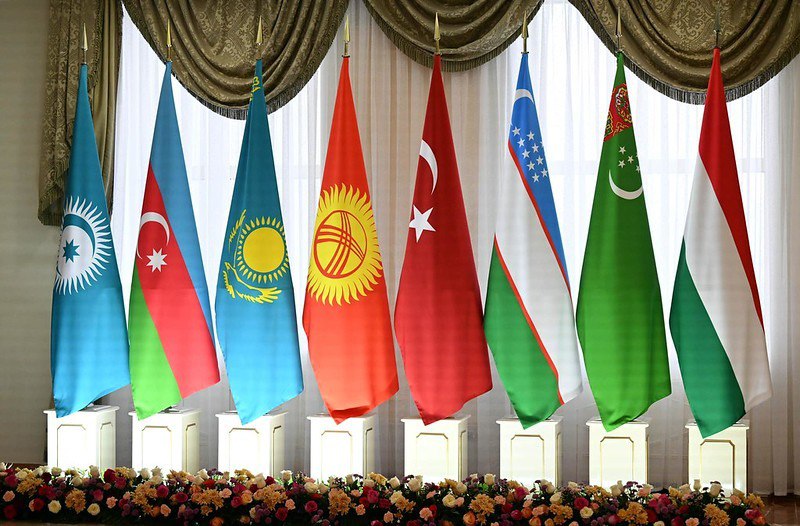
The fourth meeting of agriculture ministers from the Organization of Turkic States (OTS) took place on June 25 in Cholpon-Ata, in Kyrgyzstan’s Issyk-Kul region, with a strong focus on organic agriculture and digital transformation in the sector. Strengthening Regional Agricultural Cooperation Agriculture ministers from Azerbaijan, Kazakhstan, Kyrgyzstan, Turkey, Uzbekistan, and Hungary convened to reaffirm their shared commitment to sustainable agriculture and explore strategies for deepening regional cooperation. Central to the discussions was the promotion of organic farming as a tool for ensuring food security, preserving natural resources, and adapting to climate change. The ministers unanimously supported Kyrgyzstan’s proposal to designate Cholpon-Ata as the “Agricultural Capital of the OTS” for one year, beginning in September 2025. A major outcome of the meeting was the decision to establish a Digital Agro-Platform for OTS member states. This digital initiative is designed to simplify market access for farmers and agribusinesses, reduce trade and customs barriers, and increase transparency in agricultural supply chains. The platform aims to streamline trade within the region and bolster exports. The ministers also endorsed the promotion of a unified regional label, “OTS-Made”, for agricultural and food products originating from member countries, with the goal of strengthening brand identity and consumer trust. Kyrgyzstan’s Organic Agriculture Ambitions During the forum, Kyrgyzstan’s Deputy Chairman of the Cabinet of Ministers and Minister of Water Resources, Agriculture and Processing Industry, Bakyt Torobayev, announced a national organic agriculture development program for 2025-2029. The program sets ambitious targets: expanding certified organic farmland from the current 63,000 hectares (5.25% of arable land) to 200,000 hectares by 2029 and transitioning the Issyk-Kul and Naryn regions entirely to organic farming methods. In addition to increasing the land under organic cultivation, the government aims to raise the share of organic products to 25% of total agricultural output and increase the proportion of organic goods in agricultural exports to 25%. “Kyrgyz agricultural products are environmentally friendly, as they are produced in favorable agro-climatic conditions, on mountain pastures irrigated with clean glacial waters, and on fertile lands,” said Torobayev. By positioning organic agriculture as a regional priority and embracing digital tools, the OTS member countries are taking coordinated steps to modernize their agricultural sectors and ensure long-term food and environmental sustainability.