• KZT/USD = 0.00223
  • TJS/USD = 0.10820
  • UZS/USD = 0.00009
  • TMT/USD = 0.29760
  • KZT/USD = 0.00223
  • TJS/USD = 0.10820
  • UZS/USD = 0.00009
  • TMT/USD = 0.29760
  • KZT/USD = 0.00223
  • TJS/USD = 0.10820
  • UZS/USD = 0.00009
  • TMT/USD = 0.29760
  • KZT/USD = 0.00223
  • TJS/USD = 0.10820
  • UZS/USD = 0.00009
  • TMT/USD = 0.29760
  • KZT/USD = 0.00223
  • TJS/USD = 0.10820
  • UZS/USD = 0.00009
  • TMT/USD = 0.29760
  • KZT/USD = 0.00223
  • TJS/USD = 0.10820
  • UZS/USD = 0.00009
  • TMT/USD = 0.29760
  • KZT/USD = 0.00223
  • TJS/USD = 0.10820
  • UZS/USD = 0.00009
  • TMT/USD = 0.29760
  • KZT/USD = 0.00223
  • TJS/USD = 0.10820
  • UZS/USD = 0.00009
  • TMT/USD = 0.29760
21 September 2026

Viewing results 49 - 54 of 263

Report Reveals Persistently High Air Pollution Levels in Bishkek and Osh

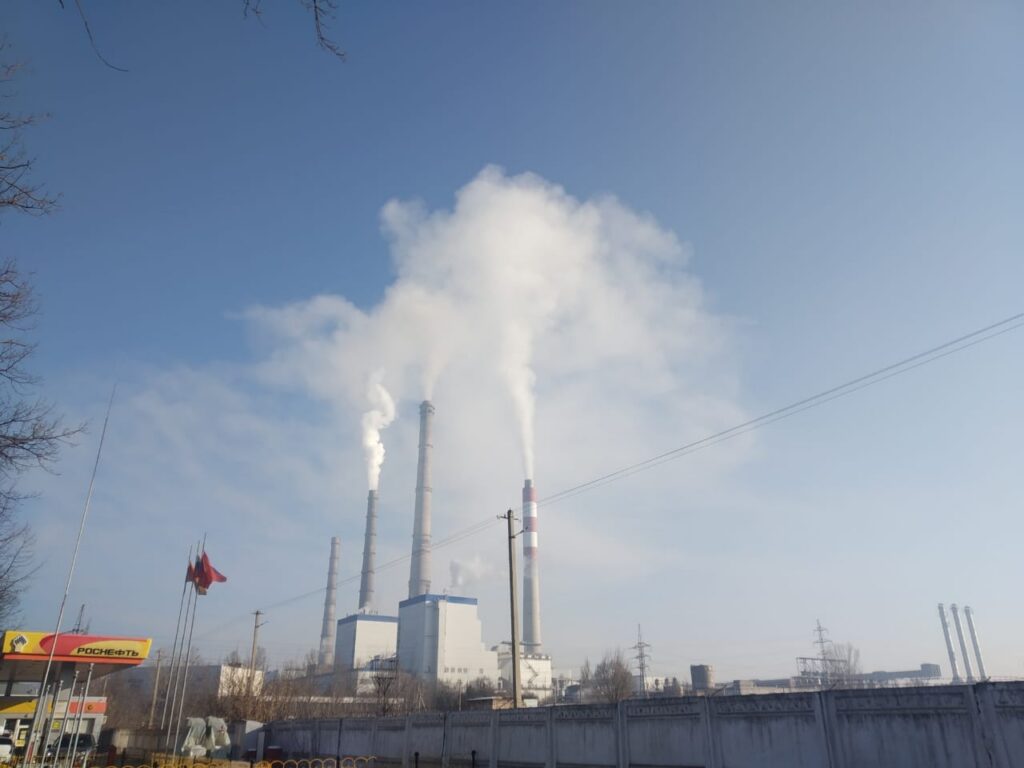
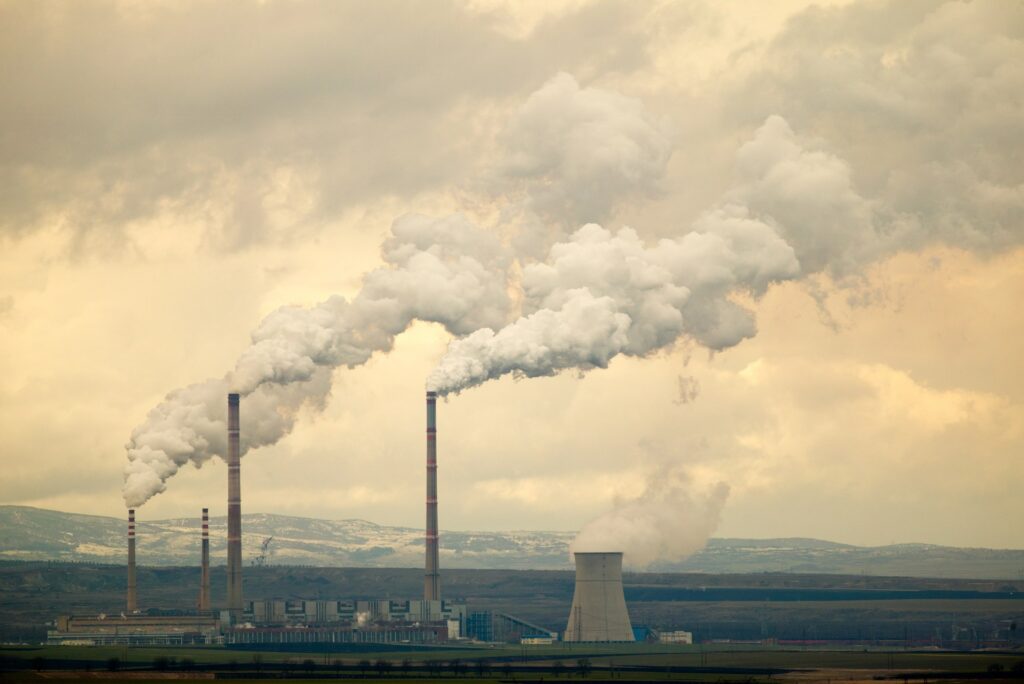
Air pollution remains one of Kyrgyzstan’s most serious environmental challenges, particularly in the cities of Bishkek and Osh, where coal-based heating and motor vehicle emissions are identified as the main sources of pollution, according to a report by the environmental organisation MoveGreen. The study, covering the period from December 2024 to November 2025, found that Bishkek experienced between 118 and 120 days during which concentrations of fine particulate matter (PM2.5) exceeded permissible limits. Average annual levels were estimated at between 44 and 47 micrograms per cubic meter, significantly above the World Health Organization’s recommended guideline of 5 micrograms per cubic meter. Air quality in the capital shows strong seasonal variation. Pollution levels rise sharply during winter due to increased coal consumption for heating and the accumulation of emissions linked to the city’s geographical setting. As a result, Bishkek has frequently ranked among the world’s most polluted urban areas in international air quality monitoring indices. In Osh, pollution patterns were described as more stable but still concerning. Elevated PM2.5 levels were recorded for 159 days during the study period, nearly half the year. The city’s average annual concentration reached 74 micrograms per cubic meter, far exceeding international health recommendations. The report’s authors also noted that concentrations of other pollutants, including nitrogen oxides and formaldehyde, tend to increase during warmer months. Among the key recommendations outlined in the study are a gradual transition to cleaner heating sources, expansion and modernisation of public transport systems, measures to reduce dust pollution in urban areas, and improvements in air quality monitoring infrastructure.
Kyrgyzstan Plans $10 Million Animal Vaccine Plant to Strengthen Livestock Sector

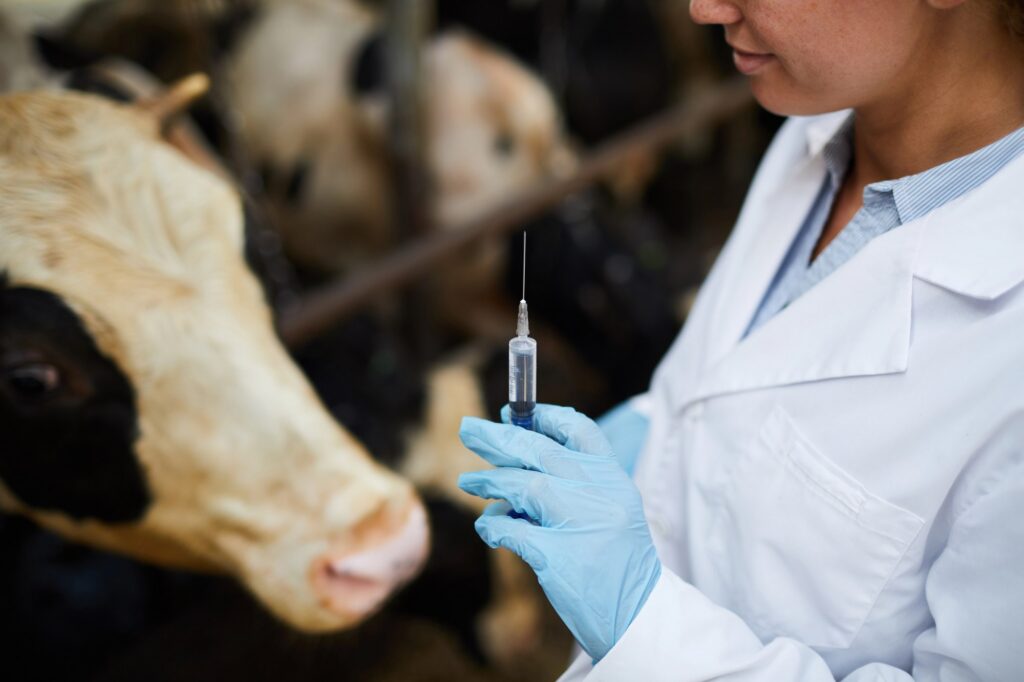
Kyrgyzstan is planning to build a modern animal vaccine production facility as part of broader efforts to improve disease prevention and support the development of its livestock sector. The project was discussed on March 17 during a meeting between Minister of Water Resources, Agriculture, and Processing Industry Erlist Akunbekov and representatives of Altyn Tamyr Joint-Stock Company. Altyn Tamyr is currently the country’s only producer of veterinary biopreparations, supplying the domestic market and exporting products to Kazakhstan, Uzbekistan, Afghanistan, Tajikistan, and Azerbaijan. Akunbekov described the planned facility as a strategic initiative and instructed officials to ensure that construction and commissioning proceed as quickly as possible. Preliminary estimates put the cost of the project at approximately $10 million. The government is expected to support the initiative through preferential financing and by creating favorable conditions for investors. Officials say the plant will help strengthen veterinary safety standards and improve productivity in the livestock sector. Once operational, it is also expected to enable Kyrgyzstan not only to meet domestic demand for veterinary vaccines but also to expand exports. The project comes amid continued growth in the country’s livestock population. According to the Ministry of Agriculture, as of the end of 2024 Kyrgyzstan had 1,828,527 head of cattle, an increase of 1.5% compared with the previous year, including 918,638 cows, up 1.8%. The number of sheep and goats reached 6,282,810, a year-on-year increase of 1.1%, while the horse population grew by 2% to 553,531 head. Poultry numbers rose more sharply, increasing by 10.5% to 7,724,314. To obtain more precise data, Kyrgyzstan plans to conduct a nationwide agricultural census from March 20 to April 10, 2026. Experts note that strengthening veterinary infrastructure will be crucial for sustaining growth in the livestock sector and expanding the country’s agricultural exports.

Kyrgyzstan Seeks Climate Finance and Carbon Market Funding to Cut Emissions

Kyrgyzstan is preparing to sign a carbon project aimed at supporting the country’s transition to sustainable energy. The announcement was made by Energy Minister Taalaibek Ibrayev following a meeting with World Bank Country Manager for Kyrgyzstan Hugh Riddell on March 13. The initiative will be supported by the Transformative Carbon Asset Facility (TCAF), a World Bank trust fund designed to help developing countries introduce market-based carbon pricing mechanisms and attract private investment in low-carbon technologies. TCAF provides a hybrid financing model that combines climate finance with carbon market funding. Payments are made only after verified reductions in greenhouse gas emissions are achieved. The project is being implemented under the Innovative Finance for Resilient and Sustainable Energy Transition (iFIRST) program. According to Kyrgyzstan’s Ministry of Energy, it will use a results-based payment mechanism, meaning that emission reductions must first be measured and independently verified before financial compensation is disbursed. If the reductions are confirmed, Kyrgyzstan could receive up to $4.5 million in climate finance to support its commitments under the Paris Agreement. The initiative may also attract up to $5.5 million in additional funding through carbon market mechanisms. The project includes technical assistance grants of up to $1.5 million to strengthen the institutional capacity of government agencies, develop a national system for monitoring greenhouse gas emissions, and establish a national carbon unit registry. Officials say the initiative will help advance reforms in Kyrgyzstan’s energy sector, strengthen the country’s climate policy framework, and increase access to international climate finance. It is also expected to contribute to environmental sustainability, modernization of the energy sector, and reductions in greenhouse gas emissions. In July 2025, Kyrgyzstan’s Cabinet of Ministers approved the Concept for Achieving Carbon Neutrality in the Kyrgyz Republic. The strategy outlines a phased transition toward a carbon-neutral economy, focusing on key sectors including energy, transport, industry, agriculture, waste management, and forestry. The concept prioritizes reducing greenhouse gas emissions, expanding renewable energy, improving energy efficiency, restoring forest ecosystems, adopting innovative technologies, and integrating climate risks into national planning. The government views the initiative as a foundation for attracting climate finance, creating green jobs, and ensuring long-term environmental security. Under the strategy, Kyrgyzstan has pledged to achieve carbon neutrality by 2050 and reduce greenhouse gas emissions by 44% by 2030. Despite these ambitions, the country’s overall emissions remain relatively low, accounting for less than 0.032% of global greenhouse gas emissions. In October 2025, the Ministry of Natural Resources, Environment, and Technical Supervision published Kyrgyzstan’s first Biennial Transparency Report. According to the document, total greenhouse gas emissions in 2023 reached 19.38 million tons of CO₂ equivalent. Forests, soils, and other ecosystems absorbed 10.31 million tons, resulting in net emissions of 9.07 million tons. The energy sector remains the largest source of emissions, accounting for more than half of the total. Agriculture is the second-largest contributor, largely driven by livestock production. At the same time, emissions from transport, electricity generation, and heating have declined significantly since the early 1990s due to the adoption of cleaner technologies and...

Central Asia and the Global Water Crisis: A Test of Governance and Cooperation

Water scarcity is rapidly transforming from a regional environmental concern into one of the defining global security challenges of the 21st century. UN-linked assessments estimate that around four billion people experience severe water scarcity for at least one month each year, and nearly three-quarters of the global population lives in countries facing water insecurity. Against this backdrop, Central Asia is not an exception but rather a concentrated example of global dynamics: climate pressure, population growth, and inefficient resource management. Regional initiatives, including proposals put forward by Kazakhstan, therefore have the potential to contribute not only to stability in Central Asia but to the development of a more coherent global water governance architecture. The Water Crisis as a Global Reality Water is increasingly regarded as a strategic resource on par with energy and food. Climate change is intensifying droughts, floods, and the degradation of aquatic ecosystems across all regions, from Africa and the Middle East to South Asia, Europe, and North America. Recent mapping and analysis by investigative groups and international media indicate that half of the world’s 100 largest cities experience high levels of water stress, with dozens classified as facing extremely high levels. Major urban centers, including Beijing, New York, Los Angeles, Rio de Janeiro, and Delhi, are among those under acute pressure, while cities such as London, Bangkok, and Jakarta are also categorized as highly stressed. In this context, Central Asia is not an outlier. It is confronting today what may soon become the global norm. Central Asia: Where Global Trends Converge A defining feature of the current environmental situation is that factors beyond natural ones drive the water crisis. Experts increasingly stress that shortages are often less about absolute physical scarcity and more about outdated management systems, infrastructure losses, and inefficient consumption patterns. In this respect, Central Asia can be seen as a testing ground for global water challenges, where multiple stress factors converge. The region, with mountain peaks exceeding 7,000 meters, contains some of the largest ice reserves outside the polar regions. The Pamir and Hindu Kush ranges, together with the Tibetan Plateau, the Himalayas, and the Tien Shan, form part of what is sometimes referred to as the “Third Pole,” the largest concentration of ice after the Arctic and Antarctic. [caption id="attachment_13410" align="aligncenter" width="2560"] The White Horse Pass, Tajikistan; image: TCA, Stephen M. Bland[/caption] However, the pace of change is alarming. By 2030-2040, water scarcity in Central Asia risks becoming chronic. Glaciers in the Western Tien Shan, for example, have reportedly shrunk by roughly 27% over the past two decades and continue to retreat, posing a direct threat to the flow of the Amu Darya and Syr Darya rivers. These rivers increasingly fail to reach the Aral Sea in sufficient volume, while the exposed seabed has become a major source of salt and dust storms. [caption id="attachment_21928" align="aligncenter" width="2560"] Moynaq, Karakalpakstan; image: TCA, Stephen M. Bland[/caption] Infrastructure inefficiencies compound the problem. Estimates suggest that in some systems, 40-50% of water can be lost in deteriorating...

Kyrgyzstan Plans Full Transition to Water-Saving Irrigation in Issyk-Kul Region

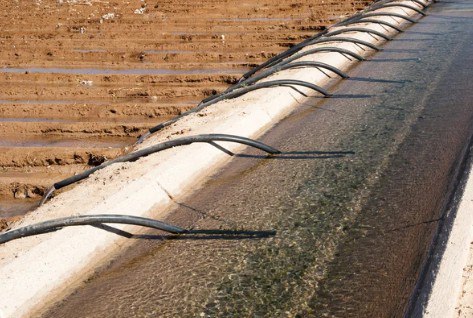
Kyrgyzstan’s government is preparing to fully transition the Issyk-Kul region to water-saving irrigation technologies, offering farmers preferential financing amid growing concerns over falling water levels in the country’s largest lake and key tourist destination. Speaking in parliament on February 11, Deputy Chairman of the Cabinet of Ministers and Minister of Water Resources, Agriculture, and Processing Industry Bakyt Torobaev announced that farmers adopting drip or sprinkler irrigation systems will be eligible for low-interest loans at a preferential 2% rate. Lending is expected to begin next month. Torobaev emphasized the urgency of reducing agricultural water consumption to stabilize inflows into Lake Issyk-Kul. “If we switch to drip irrigation, more water will flow into Issyk-Kul. If we use all the water for agriculture, none of it may reach the lake. Therefore, our goal is to fully transition the Issyk-Kul region to drip and sprinkler irrigation,” he told lawmakers. Environmental pressure on the Issyk-Kul basin has intensified due to climate change and accelerated glacier retreat. The basin contains 957 glaciers, covering about 560.8 square kilometers, many of which are shrinking rapidly. Although around 120 rivers feed the lake, only about 80 reach it during the summer months due to irrigation withdrawals. Between 1927 and 2003, the lake’s level dropped by 2.75 meters, an effect largely attributed to inefficient water use. Policy support for conservation has recently been formalized. In December 2025, the Cabinet of Ministers approved the Concept for the Sustainable Development of the Ecological and Economic System of Lake Issyk-Kul through 2030, alongside a detailed action plan prioritizing the adoption of water-saving agricultural technologies. Under current plans, modern irrigation systems will be installed on 100,000 hectares of farmland across the Issyk-Kul region, potentially redirecting up to 200 million cubic meters of water back into the lake annually. Nationwide, adoption of water-efficient irrigation remains limited but is accelerating. According to the Ministry of Water Resources, Agriculture, and Processing Industry, modern irrigation technologies currently cover around 16,000 hectares. The authorities aim to expand that area by 30,000-40,000 hectares each year, targeting 200,000 hectares under water-saving irrigation by 2030. State-funded installations are also increasing. In 2026, drip and sprinkler systems are scheduled to be deployed on 5,270 hectares. Between 2024 and 2025, such systems were installed on 2,369 hectares, 641 hectares with drip irrigation, and 1,728 hectares with sprinkler systems. Kyrgyzstan currently has approximately 1 million hectares of irrigated agricultural land overall.

Kazakhstan and Kyrgyzstan Resume Data Sharing on Reservoirs and Transboundary Rivers

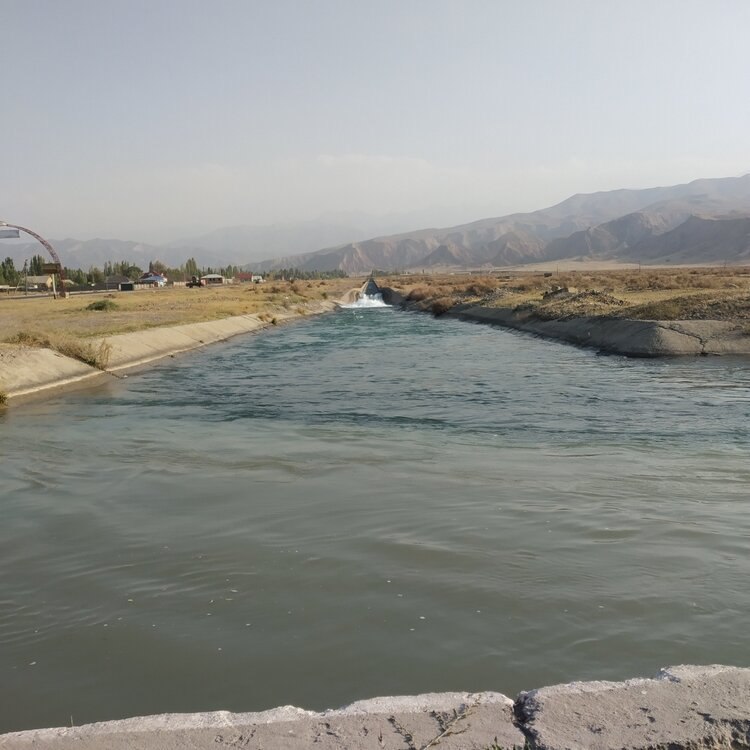
Kazakhstan and Kyrgyzstan have renewed formal cooperation in hydrometeorology, agreeing to exchange key hydrological data on major reservoirs and transboundary rivers, a development officials say is vital for regional flood management and agricultural planning. The agreement covers data exchange on the Kirov, Orto-Tokoy, and Toktogul reservoirs, all located in Kyrgyzstan but directly influencing downstream water supply in Kazakhstan. The signing took place on February 9 in Astana, where Kyrgyzstan’s First Deputy Minister of Emergency Situations Mambetov Muratovich and Kazakhstan’s First Deputy Minister of Water Resources and Irrigation Nurlan Aldamzharov endorsed a 2026-2028 cooperation program between Kazhydromet and the Kyrgyz Hydrometeorological Service. Key Components of the Agreement The three-year program includes: Regular exchange of hydrological data on shared rivers and reservoirs Joint forecasting of basin runoff and water accumulation Mutual hazard and storm warnings Scientific and technical collaboration Professional exchange between agencies Describing the agreement as an achievement of "water diplomacy," Aldamzharov emphasized that timely data is critical to protecting populations and infrastructure downstream, especially during peak water flow and flood risk periods. Strategic Role of Kyrgyz Water Infrastructure Kyrgyzstan plays a pivotal upstream role in Central Asia’s water system, delivering seasonal irrigation flows to southern Kazakhstan’s Turkistan, Kyzylorda, and Zhambyl regions via the Chu, Talas, and Syr Darya rivers. Each of the reservoirs included in the data-sharing agreement serves a distinct strategic function: Kirov Reservoir: Located in Kyrgyzstan’s Talas region, near the Kazakh border; vital for irrigating farmland on both sides. Orto-Tokoy Reservoir: Situated on the Chu River, which flows into Kazakhstan, it regulates seasonal supply for downstream agriculture. Toktogul Reservoir: Kyrgyzstan’s largest, located on the Naryn River, the principal tributary of the Syr Darya, one of Central Asia’s main water arteries feeding Kazakhstan and Uzbekistan. According to Kazakhstan’s Ministry of Water Resources, during the 2025 growing season, Zhambyl region received 160 million cubic meters of water via the Chu River and 427.5 million cubic meters via the Talas River under existing water allocation frameworks. Water Stress Ahead of Growing Season Authorities warn that the Syr Darya basin continues to experience low-flow conditions. Reduced inflows to the Naryn-Syr Darya system are threatening irrigation reliability for the upcoming agricultural season. The Toktogul Reservoir may reach near-record low levels, heightening risks for downstream farmers. In response, agricultural authorities in southern Kazakhstan have urged the adoption of water-saving irrigation technologies, a shift away from water-intensive crops, and greater reliance on drought-resistant varieties-steps that make access to reliable hydrological forecasts increasingly urgent.