• KGS/USD = 0.01144 0%
  • KZT/USD = 0.00212 0%
  • TJS/USD = 0.10456 0.19%
  • UZS/USD = 0.00008 0%
  • TMT/USD = 0.28490 0%
  • KGS/USD = 0.01144 0%
  • KZT/USD = 0.00212 0%
  • TJS/USD = 0.10456 0.19%
  • UZS/USD = 0.00008 0%
  • TMT/USD = 0.28490 0%
  • KGS/USD = 0.01144 0%
  • KZT/USD = 0.00212 0%
  • TJS/USD = 0.10456 0.19%
  • UZS/USD = 0.00008 0%
  • TMT/USD = 0.28490 0%
  • KGS/USD = 0.01144 0%
  • KZT/USD = 0.00212 0%
  • TJS/USD = 0.10456 0.19%
  • UZS/USD = 0.00008 0%
  • TMT/USD = 0.28490 0%
  • KGS/USD = 0.01144 0%
  • KZT/USD = 0.00212 0%
  • TJS/USD = 0.10456 0.19%
  • UZS/USD = 0.00008 0%
  • TMT/USD = 0.28490 0%
  • KGS/USD = 0.01144 0%
  • KZT/USD = 0.00212 0%
  • TJS/USD = 0.10456 0.19%
  • UZS/USD = 0.00008 0%
  • TMT/USD = 0.28490 0%
  • KGS/USD = 0.01144 0%
  • KZT/USD = 0.00212 0%
  • TJS/USD = 0.10456 0.19%
  • UZS/USD = 0.00008 0%
  • TMT/USD = 0.28490 0%
  • KGS/USD = 0.01144 0%
  • KZT/USD = 0.00212 0%
  • TJS/USD = 0.10456 0.19%
  • UZS/USD = 0.00008 0%
  • TMT/USD = 0.28490 0%

Viewing results 73 - 78 of 715

Switzerland Backs Winter Tourism Development in Kyrgyzstan

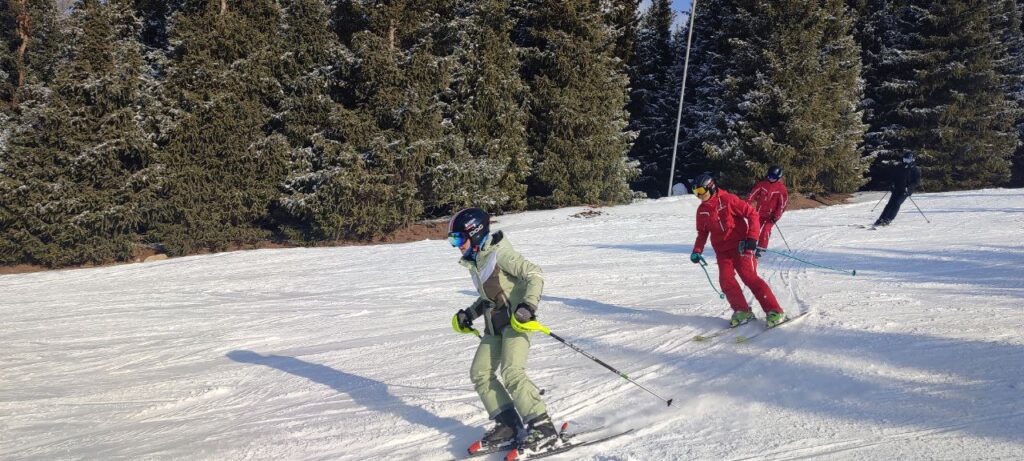
Switzerland is providing practical support to Kyrgyzstan in developing its winter tourism sector, with a strong focus on training professional staff. A program for ski instructor training is currently underway in the city of Karakol, Issyk-Kul region, with Swiss backing. Switzerland's ambassador to Kyrgyzstan, Sirocco Meserli, recently visited a cross-country skiing training session, a sport that has seen systematic development in Kyrgyzstan since 2022. According to Swiss diplomats, specialists from Switzerland have arrived to train Kyrgyz instructors and sports school coaches in modern international methods tailored for children, adults, and tourists. The initiative is part of the Sustainable Winter Tourism project, funded by the Swiss government. The final stage of this year’s training sessions with Swiss experts is currently taking place. [caption id="attachment_42787" align="aligncenter" width="300"] @TCA[/caption] Meserli stated that the program covers skiing techniques, instructional methods, tourist engagement, and safety protocols. “Infrastructure development is important, but qualified personnel who can provide a high level of service and a positive tourist experience play a decisive role,” he said. The project introduces international training standards for instructors at the Admission, Aspirant, and Instructor levels, commonly used in alpine skiing and snowboarding training globally. The Swiss side has emphasized the project’s long-term goals: not only to train instructors but also to lay the foundation for winter sports as a sustainable economic sector, fostering growth in tourist traffic, job creation, and service offerings during the winter season. [caption id="attachment_42788" align="aligncenter" width="300"] @TCA[/caption] Kyrgyz experts see high potential in this area. Approximately 94% of Kyrgyzstan’s territory is mountainous, and new ski resorts are actively being developed across the country. “Skiing is becoming popular. Young people are eager to learn. All instructors speak Kyrgyz, Russian, and English, and demand for training has grown significantly,” ski instructor Daniyar Toichbek told The Times of Central Asia. Karakol remains Kyrgyzstan’s primary ski destination. During the winter season, numerous rental shops operate in the city, where a full set of ski equipment can be rented for about $35, making winter recreation accessible to both locals and international visitors.
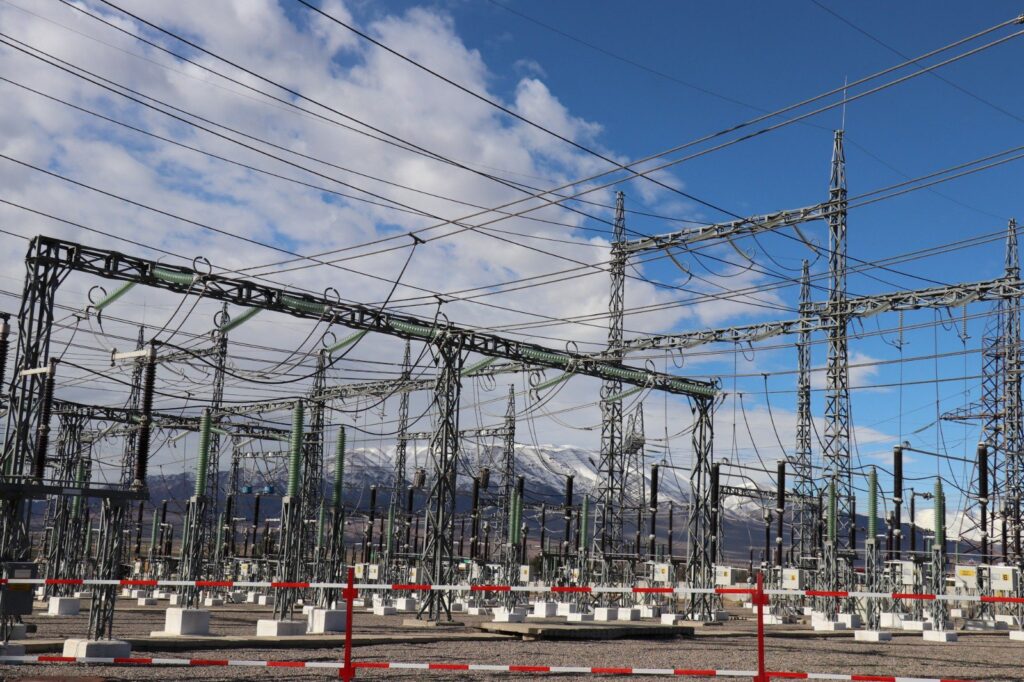
Electricity Generation in Kyrgyzstan Stagnates as Demand Surges

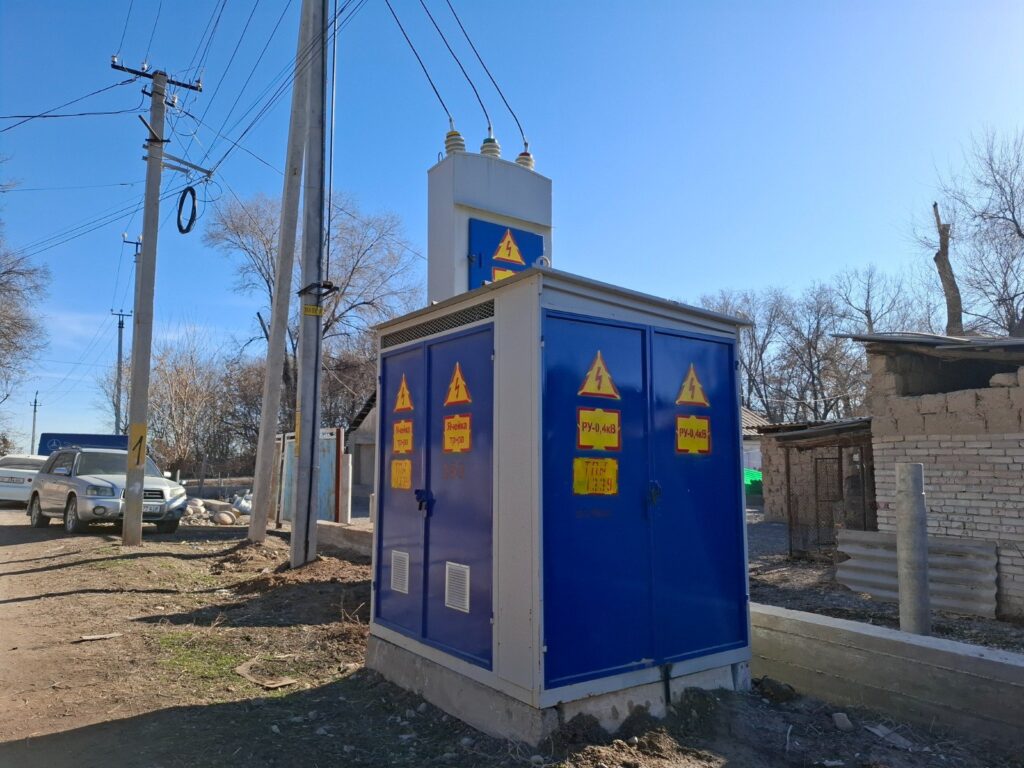
Electricity consumption in Kyrgyzstan has surged by nearly 25% over the past five years, rising from 15.4 billion kWh in 2020 to 19.3 billion kWh in 2025. However, electricity generation has remained virtually flat, increasing by just 0.1 billion kWh during the same period, according to data presented at the Ministry of Energy’s board meeting on January 23. The widening gap between supply and demand is attributed to sustained economic growth, the launch of new industrial facilities, and delays in commissioning new power infrastructure. Compounding the issue, hydropower output, the backbone of Kyrgyzstan’s energy mix, is increasingly constrained by declining water levels linked to climate change. In 2025, Kyrgyzstan's electricity generation structure was as follows: 12.9 billion kWh - large hydropower plants 0.223 billion kWh - small hydropower plants 0.234 billion kWh - mini-hydro, solar, and wind power plants 2.01 billion kWh - thermal power plants To meet domestic demand, the country imported 3.8 billion kWh of electricity from neighboring states. A key long-term solution lies in the construction of the Kambarata-1 hydropower plant, a strategic regional project being developed in cooperation with Kazakhstan and Uzbekistan. Once completed, the plant is expected to have a capacity of 1,860 MW and generate 5.6 billion kWh annually. In 2025, Kyrgyzstan updated the project’s feasibility study, originally prepared in 2014, finalized the dam type, and signed a contract with the tender winner. The World Bank is considering up to $1.5 billion in financing, while nine international donors have expressed interest in contributing an additional $2.5 billion. In parallel, the country is expanding its renewable energy portfolio. Eight small hydropower plants with a combined capacity of 44.6 MW and solar plants totaling 102 MW were commissioned in 2025. Investment agreements have also been signed for the construction of five solar plants and one wind farm with a total capacity of 3,150 MW. These projects represent a planned investment of approximately $4.2 billion. Additionally, on January 23, the Cabinet of Ministers signed a memorandum of understanding with China’s Kyrgyzstan Reclaim Co. Ltd. to build a 200 MW cascade of small hydropower plants on the Tar River in the Osh region. The investment is projected at around $300 million. Officials say these projects are aimed at boosting generation capacity and enhancing Kyrgyzstan’s long-term energy resilience amid growing domestic consumption.

Central Asia Launches Regional Electricity Market with World Bank Support

On January 22, the World Bank’s Board of Executive Directors approved the 10-year Regional Electricity Market Interconnectivity and Trade (REMIT) Program, an ambitious initiative to establish Central Asia’s first regional electricity market. The program aims to boost cross-border electricity trade, expand transmission capacity, and lay the foundation for large-scale renewable energy integration across the region. Electricity demand in Central Asia is projected to triple by 2050 under a business-as-usual scenario. Yet electricity trade in the region currently accounts for only 3% of total demand. The REMIT Program seeks to harness Central Asia’s diverse and complementary energy resources: hydropower in Kyrgyzstan and Tajikistan, thermal power from coal and natural gas in Kazakhstan, Turkmenistan, and Uzbekistan, and the region’s rapidly expanding solar and wind potential. Over the next decade, REMIT aims to: Increase regional electricity trade to at least 15,000 GWh annually, enough to supply millions of consumers Triple regional transmission capacity to 16 GW Enable up to 9 GW of clean energy integration The initiative is designed to enhance regional energy security, reduce power outages, lower electricity costs, and promote a more resilient and interconnected grid system. Total indicative financing for the program is $1.018 billion, to be deployed in three phases. These funds will support the creation and operation of a regional energy market, boost transmission infrastructure, introduce digital technologies to improve grid reliability, and strengthen regional energy institutions and coordination mechanisms. Investments are also expected to generate both construction-related employment and high-skilled jobs tied to market operations. In the program’s first phase, Kyrgyzstan, Tajikistan, Uzbekistan, and the Central Asian Countries’ Coordinating Dispatch Center (CDC) Energia will benefit from grants and concessional financing totaling $143.2 million. This comprises $140 million from the World Bank’s International Development Association (IDA) and $3.2 million from the Central Asia Water and Energy Program (CAWEP). “The REMIT Program supports Central Asian countries’ ambition to deepen energy cooperation and create a regional electricity market,” said Najy Benhassine, World Bank Regional Director for Central Asia. “This will enable more efficient use of energy resources, including cross-border deployment of clean energy, improve access to reliable and affordable electricity, and support jobs. By 2050, stronger regional connectivity could generate up to $15 billion in economic benefits.” Charles Cormier, World Bank Regional Infrastructure Director for Europe and Central Asia, added that REMIT will advance energy security and unlock private sector investment. “The first phase alone is expected to enable about 900 MW of new clean energy capacity, leveraging $700 million in private investment. This will pave the way for a more resilient and interconnected power system across this dynamic region,” he said. CDC Energia will lead the implementation of market and institutional activities, while national transmission companies will be responsible for infrastructure investments.

Finland’s President Stubb Warns Russia’s Imperial Thinking Poses Risks for Central Asia

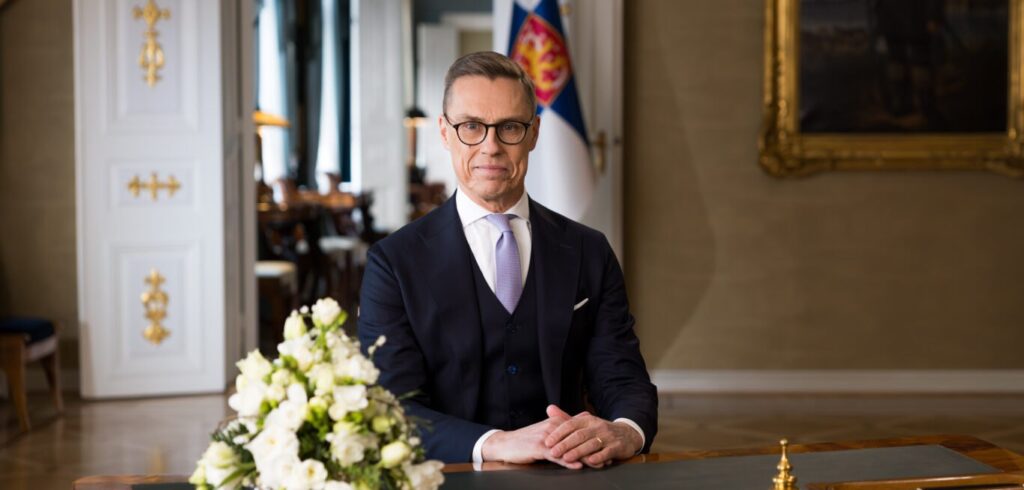
Russia’s imperial worldview may pose a greater long-term risk to Central Asia and the South Caucasus than to NATO member states, Finnish President Alexander Stubb said in an interview with The Washington Post, highlighting concerns that continue to resonate across the post-Soviet space. Speaking with columnist David Ignatius, Stubb referenced Finland’s long and complex history with its eastern neighbor, noting that expansionist thinking remains deeply rooted in Russian political culture. “I think the DNA of Russia is still expansion and imperialism,” he said, arguing that President Vladimir Putin views the collapse of the Soviet Union as a historical injustice. While much of the Western debate centers on potential threats to NATO countries such as the Baltic states, Finland, or Poland, Stubb suggested that more vulnerable regions lie elsewhere. “I think the more worrying aspect for others is the Central Asian countries, the Southern Caucasus and others,” he said, pointing to what he described as a top-down political system driven by the ideology of Russkiy mir, or the “Russian world.” Stubb also spoke about his personal interactions with Russian officials, including Putin and Foreign Minister Sergei Lavrov, stressing that meaningful political dialogue remains unlikely while the war in Ukraine continues. As previously reported by The Times of Central Asia, Russian television host Vladimir Solovyov sparked backlash after suggesting that Moscow could conduct “special military operations” in Central Asia and Armenia. The remarks were widely condemned by Uzbek scholars, journalists, and analysts as destabilizing and provocative. More recently, Russian ultranationalist Alexander Dugin, often described as an ideologue of the “Russian world”, publicly questioned the sovereignty of several former Soviet republics, including Uzbekistan, Kazakhstan, Tajikistan, and Kyrgyzstan. A video of his comments circulated widely online, drawing sharp criticism across the region. Russia’s Foreign Ministry later sought to distance the Kremlin from such statements. Spokesperson Maria Zakharova stated that Solovyov’s remarks did not reflect official policy and reaffirmed that Moscow’s relationships with Central Asian countries are based on partnership and respect for sovereignty.

Canadian Silvercorp to Develop Major Gold Deposits in Kyrgyzstan

A Canadian mining company is set to develop two of the largest undeveloped gold deposits in western Kyrgyzstan’s Tien Shan gold belt. Silvercorp Metals Inc., a diversified producer of silver, gold, lead, and zinc, announced it has signed a Share Purchase Agreement with Chaarat Gold Holdings Limited, along with a Cooperation Agreement with the National Investment Agency under the President of the Kyrgyz Republic. Under the agreements, Silvercorp will acquire a 70% stake in Chaarat ZAAV CJSC for $162 million. Chaarat ZAAV holds the mining license for the fully permitted Tulkubash and Kyzyltash gold deposits, covering approximately 7 square kilometers, as well as exploration licenses spanning an additional 27.42 square kilometers, which include the Karator and Ishakuld gold zones. Silvercorp has also signed a Share Purchase and Shareholders Agreement with Kyrgyzaltyn, the state-owned gold company. Upon completion, ZAAV will become a joint venture between Silvercorp and Kyrgyzaltyn, with the Canadian firm maintaining a 70% stake and serving as the operator. As part of the deal, the Kyrgyz government will waive its pre-emptive rights and extend the mining license through June 25, 2062, enhancing long-term investment stability. Located about 490 kilometers southwest of Bishkek, the Tulkubash and Kyzyltash projects will be developed in two phases. Phase One (2026-2028) will focus on the Tulkubash deposit. Silvercorp plans to invest around $150 million to construct an open-pit mine with a processing capacity of 4 million tons of ore annually. Commercial production is expected between 2027 and 2028, with annual output estimated at 110,000 ounces of gold over an initial mine life of three to four years. If the Karator exploration license is converted to a mining license in 2026, this phase could be extended by at least two more years. Phase Two (2028-2031) will develop the Kyzyltash sulfide deposit. This stage is expected to require about $400 million in investment and will include both open-pit and underground operations with a capacity of 3-4 million tons per year. Once fully operational from 2031, Kyzyltash is projected to produce between 190,000 and 230,000 ounces of gold annually for more than 18 years. The antimony-gold mineralization at the site was first discovered by Soviet geologists in the 1970s. Since 2002, Chaarat Gold has invested approximately $174 million in exploration, technical studies, and infrastructure, including roads, camps, and support facilities. Silvercorp becomes the second Canadian mining firm to operate in Kyrgyzstan, following Centerra Gold’s development of the Kumtor mine in the Issyk-Kul region. Kumtor was nationalized in 2021, and in August 2022, Kumtor Gold Company was designated a 100% state-owned enterprise. At a ceremony marking the launch of underground mining at Kumtor in August 2025, President Sadyr Japarov stated that Kyrgyzstan had received only $100 million in dividends during 28 years of foreign management, compared to $441 million paid to the state in the three years following nationalization. The Silvercorp transaction marks one of the largest foreign mining investments in Kyrgyzstan since the Kumtor nationalization and is seen as a key test of the country’s ability to...

Epiphany in Central Asia: Orthodox Traditions and Regional Unity

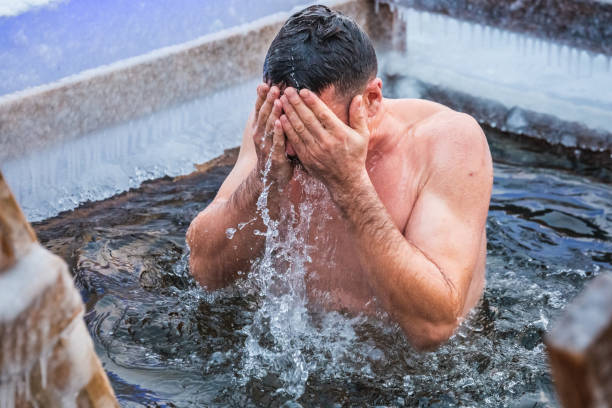
On the night of January 18-19, Orthodox Christians across Central Asia gather at frozen rivers and lakes to celebrate the feast of Epiphany by plunging into icy waters, three times each, in line with tradition. Though rooted in the Christian faith, this ritual has evolved into a broader cultural event, drawing participation from people of many backgrounds. A Test of Faith and Endurance In Central Asia, Epiphany coincides with some of the coldest days of the year, often referred to as the "Epiphany frosts." Despite subzero temperatures, participation in ice bathing continues to grow. According to Orthodox tradition, Epiphany commemorates the baptism of Jesus in the River Jordan. While the climate in Israel was mild, believers in the region embrace the symbolic cleansing despite the extreme cold. The Orthodox Church does not consider ice bathing a requirement for the faithful. Instead, the central ritual of the holiday is the Great Blessing of Water, performed both on Epiphany and the evening before. Priests encourage believers to collect holy water from churches, sprinkle it throughout their homes, and drink it in small amounts on an empty stomach. Many believe this brings health and protection for the year ahead. Nevertheless, in the main Orthodox churches of Central Asia, fonts and pools are prepared for those who wish to immerse themselves. Designated ice holes are also opened in lakes and rivers for traditional bathing. Strict Safety Measures in Kazakhstan In Kazakhstan, authorities take extensive precautions to ensure public safety during Epiphany bathing. In Astana, the celebration began with a religious procession from the Constantine and Helen Cathedral to the embankment of the Ishim River, where the water was consecrated despite temperatures dipping to minus 30 degrees Celsius. Warm changing rooms were provided, and teams from the Ministry of Emergency Situations, along with paramedics and rescue personnel, were on hand throughout the night. In Almaty, where temperatures hovered around minus 15 degrees, Epiphany fonts were set up at 10 churches. Authorities reminded residents that swimming in non-designated natural bodies of water is prohibited due to the risk of slipping or falling through the ice. However, safety teams and patrols were stationed at approved bathing sites, including the Bolshaya Almatinka, Malaya Almatinka, Butakovka, Goryachiy Istochnik, and Gorenik rivers. Officials advised those with cardiovascular or endocrine conditions to avoid the ritual and warned against participating while intoxicated. A Cultural Tradition Embraced by Many Over time, Epiphany bathing in Central Asia has grown beyond a strictly religious practice. In Kazakhstan, many ethnic Kazakhs and other non-Christian residents eagerly take part, viewing the ritual as a source of health and vitality. It has become a powerful symbol of interethnic and interfaith unity in the region. While Muslim clerics typically do not encourage participation, they generally refrain from direct criticism, recognizing the tradition's broader cultural significance. Orthodox priests also emphasize that the ritual is more custom than doctrine, open to anyone. Some compare Epiphany bathing to the festive atmosphere of Kurban Ait, when Muslims share food in public spaces. Likewise,...