• KGS/USD = 0.01144 0%
  • KZT/USD = 0.00199 0%
  • TJS/USD = 0.10695 -0.09%
  • UZS/USD = 0.00008 0%
  • TMT/USD = 0.28571 0%
  • KGS/USD = 0.01144 0%
  • KZT/USD = 0.00199 0%
  • TJS/USD = 0.10695 -0.09%
  • UZS/USD = 0.00008 0%
  • TMT/USD = 0.28571 0%
  • KGS/USD = 0.01144 0%
  • KZT/USD = 0.00199 0%
  • TJS/USD = 0.10695 -0.09%
  • UZS/USD = 0.00008 0%
  • TMT/USD = 0.28571 0%
  • KGS/USD = 0.01144 0%
  • KZT/USD = 0.00199 0%
  • TJS/USD = 0.10695 -0.09%
  • UZS/USD = 0.00008 0%
  • TMT/USD = 0.28571 0%
  • KGS/USD = 0.01144 0%
  • KZT/USD = 0.00199 0%
  • TJS/USD = 0.10695 -0.09%
  • UZS/USD = 0.00008 0%
  • TMT/USD = 0.28571 0%
  • KGS/USD = 0.01144 0%
  • KZT/USD = 0.00199 0%
  • TJS/USD = 0.10695 -0.09%
  • UZS/USD = 0.00008 0%
  • TMT/USD = 0.28571 0%
  • KGS/USD = 0.01144 0%
  • KZT/USD = 0.00199 0%
  • TJS/USD = 0.10695 -0.09%
  • UZS/USD = 0.00008 0%
  • TMT/USD = 0.28571 0%
  • KGS/USD = 0.01144 0%
  • KZT/USD = 0.00199 0%
  • TJS/USD = 0.10695 -0.09%
  • UZS/USD = 0.00008 0%
  • TMT/USD = 0.28571 0%
29 January 2026

Viewing results 19 - 24 of 628

Nomad TV: Russia’s Latest Media Venture in Kyrgyzstan

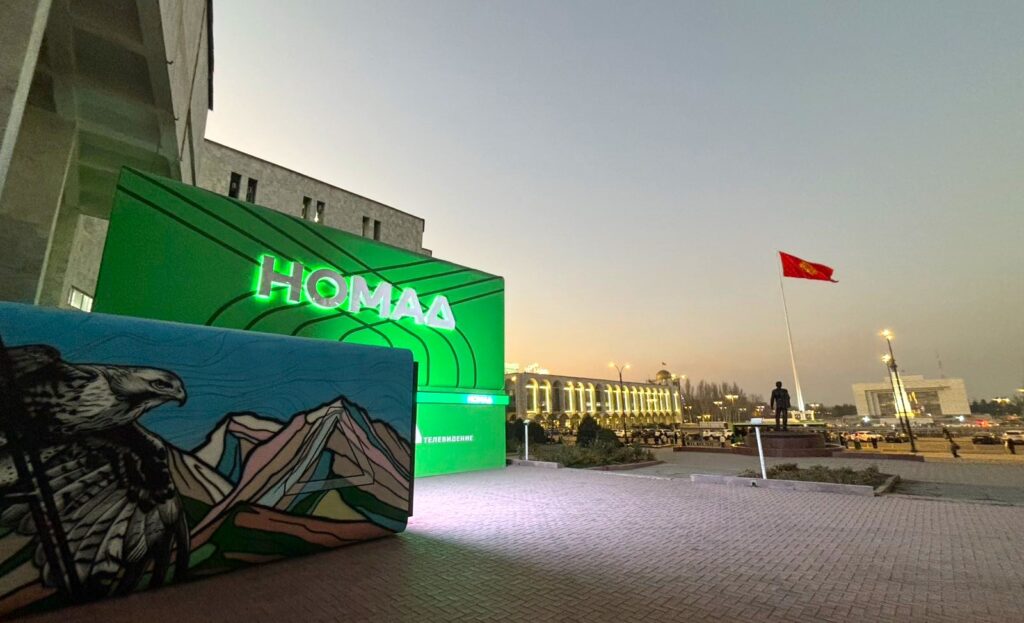
Kyrgyzstan has a new TV station. At first glance, it’s the kind of cozy, local news channel satirized in 2004’s Anchorman. The headline item on December 10th was the fact that it had snowed in Bishkek, with the on-screen reporter treading around the city asking residents whether they felt cold. “Not really,” is the general response, given that plummeting temperatures are hardly a new phenomenon in the Kyrgyz capital. “What kind of precautions did you take against the weather?” the reporter asks one gentleman. “Put on a hat and gloves,” comes the droll reply. This piece is followed by an interview with a representative of the city’s police service, advising people to tread carefully on the icy pavements. Similar soft news items follow: an interview on the progress of Asman eco-city on Lake Issyk Kul; the modernization of a factory in Bishkek; and the announcement of a new coach for the national football team. These are hardly stories to make waves. Indeed, most people in Bishkek are unaware of the new channel’s existence. “It hasn't been a major discussion point; the only presence that I felt is this huge, green box that has been installed on the central square,” Nurbek Bekmurzaev, the Central Asian editor of Global Voices, told The Times of Central Asia, referring to the broadcaster’s temporary studio at the heart of the city. Yet Nomad is one of the best-funded media outfits in the country, offering salaries twice as high as those paid by rival organizations. And, in one form or another, it seems clear that the money is coming from the Russian state. So why has the Kremlin, which is hardly underrepresented in Kyrgyzstan’s media sphere, decided to throw such sums at a local news station? [caption id="attachment_40853" align="aligncenter" width="1600"] Nomad TV’s temporary studio on Ala-Too square in the heart of Bishkek; image: TCA, Joe Luc Barnes[/caption] A Bold Start Nomad’s initial coverage was not so banal. On November 23, the channel began broadcasting with a cascade of high-profile interviews linked to Vladimir Putin’s state visit to Kyrgyzstan on November 25-27. This followed a lavish launch ceremony at the city’s opera house, attended by Russian Foreign Ministry spokeswoman, Maria Zakharova, and the Kyrgyz deputy Prime Minister Edil Baisalov. Putin himself lauded the new channel in his speech on November 26, and gave its chief editor, Natalia Korolevich, an exclusive interview the following day. This followed a feverish autumn, which the broadcaster had spent poaching talent from newsrooms around Bishkek. This included Mirbek Moldabekov, a veteran broadcaster from the state television channel, UTRK; the head of Sputnik in Kyrgyzstan, Erkin Alimbekov; and his wife, Svetlana Akmatalieva, a journalist from the National TV and Radio Corporation. The channel’s producer is Anna Abakumova, a former RT journalist who gained fame reporting from Russian-occupied territories in Ukraine. These aggressive recruitment tactics have split the profession in Kyrgyzstan. Journalist Adil Turdukolov asserted in an interview with Exclusive.kz that anyone who has chosen to work for Nomad “is not particularly concerned with...
The Silk Visa Deadlock: The Long Road to a Borderless Central Asia

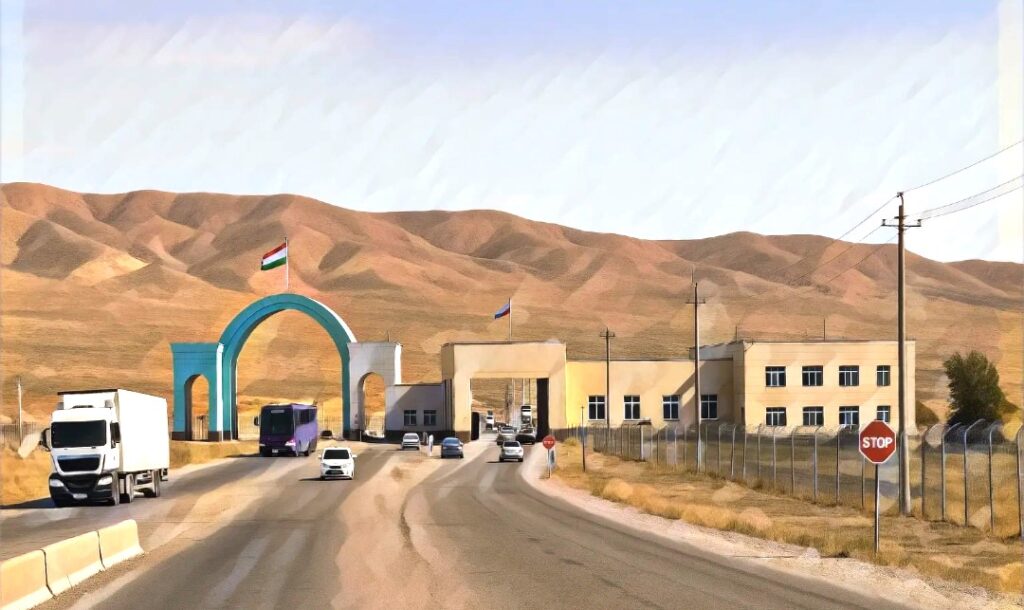
The year 2025 will likely be remembered as a milestone in Central Asian diplomacy. Regional leaders signed landmark agreements on water and energy cooperation and launched major investment projects. At high-level meetings, Central Asian presidents emphasized a new phase of deeper cooperation and greater unity, highlighting strategic partnership and shared development goals. But at ground level, at border crossings such as Korday between Kazakhstan and Kyrgyzstan, or the congested diversion routes replacing the closed Zhibek Zholy checkpoint, the picture is far less seamless. Long queues, heightened scrutiny, and bureaucratic delays remain the norm. While political rhetoric celebrates unity, the reality on the ground tells a different story. The region’s physical borders remain tightly controlled. A key symbol of unrealized integration is the stalled “Silk Visa” project, a proposed Central Asian version of the Schengen visa that would allow tourists to travel freely across the region. The project has made little headway, with experts suggesting that, beyond technical issues, deeper concerns, including economic disparities and security sensitivities, have played a role. Silk Visa: A Stalled Vision Launched in 2018 by Uzbekistan and Kazakhstan, the Silk Visa was envisioned as a game-changer for regional tourism and mobility. Under the scheme, tourists with a visa to one participating country could move freely across Central Asia, from Almaty to Samarkand and Bishkek. Seven years on, the project has yet to materialize. Official explanations point to the difficulty of integrating databases on “undesirable persons.” But as Uzbekistan’s Deputy Prime Minister acknowledged earlier this year, the delay stems from the need to harmonize security services and create a unified system. Experts also cite diverging visa policies and resistance from national security agencies unwilling to share sensitive data. As long as each country insists on determining independently whom to admit or blacklist, the Silk Visa will remain more aspiration than policy. Economic Imbalance: The Silent Barrier The most significant, albeit rarely acknowledged, hurdle to regional openness is economic inequality. Kazakhstan’s GDP per capita, at over $14,000, is significantly higher than that of Uzbekistan or Kyrgyzstan, which hover around $2,500-3,000. This disparity feeds fears in Astana that full border liberalization would trigger a wave of low-skilled labor migration, putting strain on Kazakhstan’s urban infrastructure and labor market. While Kazakhstan is eager to export goods, services, and capital across Central Asia, it remains reluctant to import unemployment or social tension. Migration pressure is already high: according to Uzbekistan’s Migration Agency, the number of Uzbek workers in Kazakhstan reached 322,700 in early 2025. Removing border controls entirely could exacerbate this trend, overwhelming already stretched public services. Security Concerns and Regional Tensions The geopolitical landscape further complicates the dream of borderless travel. A truly open regional system would require a strong, unified external border, something unattainable given Afghanistan’s proximity. The persistent threats of drug trafficking and extremist infiltration compel Uzbekistan and Tajikistan to maintain tight border controls. Kazakhstan, while geographically removed, remains cautious about loosening controls along its southern frontier. Moreover, despite recent agreements on delimiting the Kyrgyz–Tajik border, tensions in...

Kyrgyzstan UN Security Council Bid Gains Backing from Central Asian Neighbors

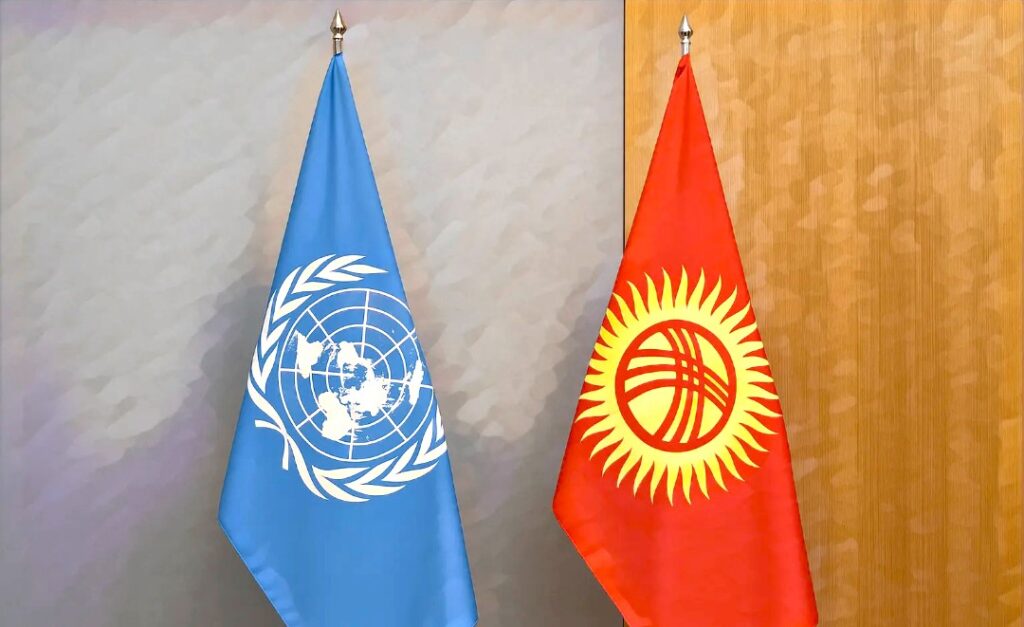
In a show of regional unity, the presidents of all of the Central Asian countries have endorsed Kyrgyzstan’s candidacy for a non-permanent seat on the United Nations Security Council for the 2027–2028 term. The joint appeal was announced on December 4 at a UN press briefing in New York by Uzbekistan’s Permanent Representative, Ulugbek Lapasov, who called on UN member states to support the bid. According to Lapasov, the endorsement reflects the region’s intent to strengthen its voice in international peace and security efforts. Kyrgyzstan’s Permanent Representative to the UN, Aida Kasymalieva, welcomed the unified support from neighboring states. Kasymalieva said the move reflects “a shared commitment to peace, dialogue, and a constructive multilateral approach,” and emphasized that her country, if elected, would serve as “a responsible and principled” Council member that amplifies the voices of smaller and developing nations. A Regional Campaign with Global Aspirations Kyrgyzstan first announced its intention to seek a Security Council seat in 2017. The campaign gathered momentum in 2024, when President Sadyr Japarov told the UN General Assembly that it was time to correct the “historical injustice” of dozens of UN member states - Kyrgyzstan among them - never having served on the Council. Japarov also called for broader representation, especially for African countries, and pledged that Kyrgyzstan would work to make the Council more effective, transparent, and inclusive. In April 2025, Kyrgyzstan officially launched its campaign with a reception at UN Headquarters in New York. Foreign Minister Jeenbek Kulubaev outlined Bishkek’s core priorities: conflict prevention, sustainable development for landlocked and mountainous nations, nuclear disarmament, and support for UN reform. The event drew diplomats from over 150 UN member states. The bid has become a central part of Bishkek’s foreign policy agenda, with senior officials describing it as a long-term investment in the country’s diplomatic standing. The vote for the 2027–2028 non-permanent seats will take place during the UN General Assembly session in June 2026, as scheduled under UN election procedures. Local media have reported that Kyrgyzstan’s main competitor for the Asia-Pacific seat is the Philippines, which has also announced its candidacy. This would not be the first time a Central Asian state has held a seat on the Council. Kazakhstan was elected for the 2017–2018 term, becoming the first country from the region to do so. Its campaign emphasized nuclear disarmament, regional security, and representing the interests of landlocked developing countries. Kyrgyzstan has framed its candidacy similarly, not just as a national endeavor, but as a platform for regional engagement on a global stage. Domestic Challenges, Global Aspirations While Kyrgyzstan pushes for a seat at the UN’s most powerful decision-making body, concerns persist over the country’s democratic trajectory. Once considered the most open society in Central Asia, Kyrgyzstan has seen a decline in civil liberties in recent years, with growing restrictions on independent media, increased pressure on NGOs, and a pattern of centralized political control under President Japarov. In 2021, Kyrgyzstan adopted a new constitution that expanded presidential powers and weakened checks and...

Kyrgyzstan Seeks to Deepen Economic Ties with Germany

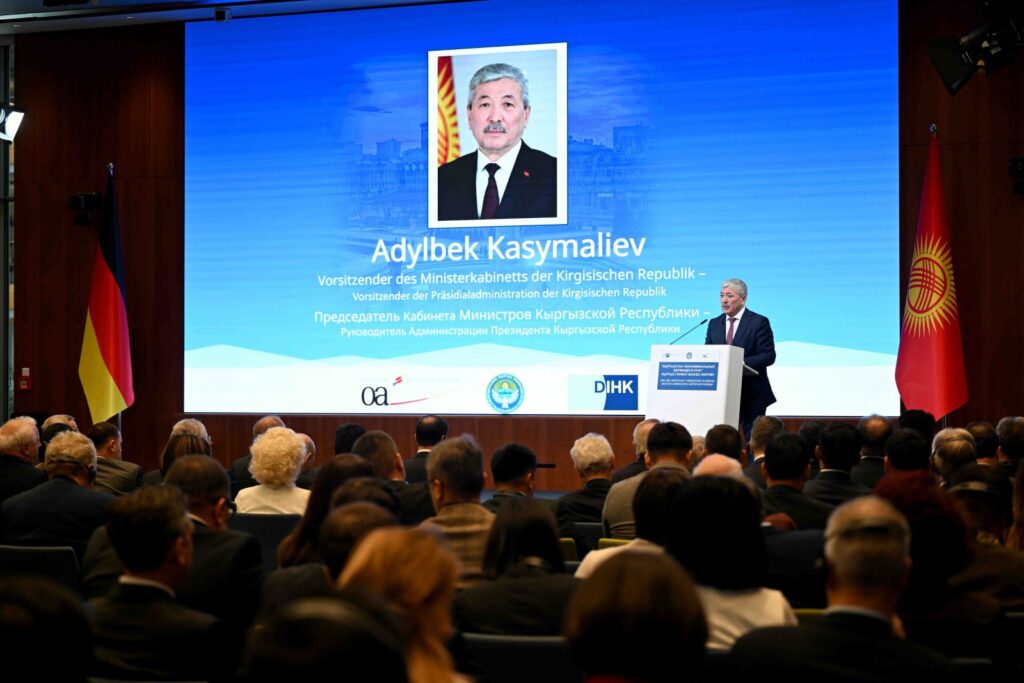
On November 28, Berlin hosted the Kyrgyz-German Business Forum and the fifth meeting of the Kyrgyz-German Business Council, with the participation of Adylbek Kasymaliev, Chairman of the Cabinet of Ministers of Kyrgyzstan. The event was organized by Kyrgyzstan’s National Investment Agency, the Eastern Committee of the German Economy, and the German Chamber of Commerce and Industry. It brought together over 300 participants from government agencies, financial institutions, and business sectors of both countries. Key areas of cooperation included the implementation of a dual vocational education system based on the German model, legal and organized labor migration from Kyrgyzstan to Germany, and joint projects in energy, green technologies, information technology, and agriculture. During the forum, Kasymaliev called on German companies to deepen engagement with Kyrgyzstan, from supplying equipment to investing in sustainable and green development initiatives. The primary purpose of Kasymaliev’s visit was to launch the second cycle of the “Days of the Economy of Kyrgyzstan and Germany,” a bilateral initiative aimed at strengthening economic cooperation and attracting foreign investment. At the Business Council meeting, Kasymaliev outlined three priority areas for collaboration. The first is financial and banking integration. He proposed establishing direct correspondent banking relationships between Kyrgyz and German financial institutions to enhance trade transparency, expedite transactions, and ensure greater security in bilateral trade. The second priority is cooperation in education and vocational training. Kyrgyzstan seeks to expand partnerships between universities, vocational schools, and industry centers, as well as to develop academic exchange and joint educational programs modeled on Germany’s experience. The third area of focus is labor migration. “Kyrgyzstan proposes to jointly develop targeted training programs, including professional and language training, as well as mechanisms for recognizing professional qualifications,” Kasymaliev stated. He emphasized that such cooperation would ensure fair working conditions and safeguard the rights of Kyrgyz citizens while addressing labor shortages in Germany. On November 29, Kasymaliev also visited the international postal exchange center of Kyrgyz Pochtasy (Kyrgyz Post) OJSC in Berlin. He noted that the establishment of such a center in the heart of Europe represents an important step toward boosting Kyrgyzstan’s export potential and expanding access for Kyrgyz businesses to European markets.

EU Supports Connectivity Improvements in Kazakhstan, Kyrgyzstan, and Uzbekistan as Part of Trans-Caspian Transport Corridor

On November 27, Tashkent hosted the Trans-Caspian Transport Corridor (TCTC) and Connectivity Investors Forum, where representatives of the European Union, Central Asian and South Caucasus states, Türkiye, and international development banks reaffirmed the strategic importance of the TCTC as a fast and reliable route linking Europe and Asia. The TCTC is the EU’s designation for the Trans-Caspian International Transport Route (TITR), also known as the Middle Corridor. This multimodal route connects China and Southeast Asia to Europe via Central Asia, the Caspian Sea, Azerbaijan, Georgia, and Türkiye in no more than 15 days, offering an alternative to the northern route through Russia. Participants discussed efforts to modernize both hard infrastructure, roads, railways, ports, and logistics hubs and soft connectivity, including digitalization, regulatory alignment, and trade facilitation. According to the EU Delegation in Uzbekistan, the forum, attended by European Commissioner for International Partnerships Jozef Síkela and European Commissioner for Enlargement Marta Kos, produced several new agreements to enhance multimodal connectivity in Central Asia. The EU has committed EUR 10.4 million within an EBRD loan of EUR 35 million to modernize Aktau Port in Kazakhstan, a key logistics hub on the Caspian Sea. The project will expand berths, introduce energy-efficient cranes, and increase container-handling capacity, strengthening the Middle Corridor’s competitiveness. An envisaged EIB loan of EUR 150 million, backed by an EU guarantee of EUR 8.8 million, will support road rehabilitation in Kazakhstan. The financing for national operator KazAvtoZhol aims to improve sustainable transport infrastructure linked to the TCTC. The EU will contribute EUR 15.46 million within an EBRD loan of EUR 35 million for the modernization of the Karabalta-Chaldovar road in Kyrgyzstan. Upgrading the 31.7-kilometer section will enhance connectivity between Kyrgyzstan and Kazakhstan, reduce travel time and costs, and improve road safety. In Uzbekistan, an anticipated EIB loan of up to EUR 100 million, supported by an EU guarantee of EUR 6 million, will finance the Nukus Highway Development Project. The upgrade of 87 kilometers of the A380 highway, one of the country’s main transport arteries, is expected to strengthen regional trade and streamline transport flows with neighboring states. Speaking at the forum, Commissioner Marta Kos stressed the geopolitical and economic value of reliable east-west transport links: “All of us have learnt the hard way that excessive dependencies make us vulnerable," she said. "Investments in transport infrastructure, digital and energy connectivity create more options and less risk of blackmail. We need credible, long-term alternatives to the Northern Corridor. Cargo along the Middle Corridor has grown four-fold between 2022 and today. By 2030 it could again triple, if the right investments are made to increase capacity and close gaps.”

CSTO Faces Uncertain Future as Putin Champions Russian Arms

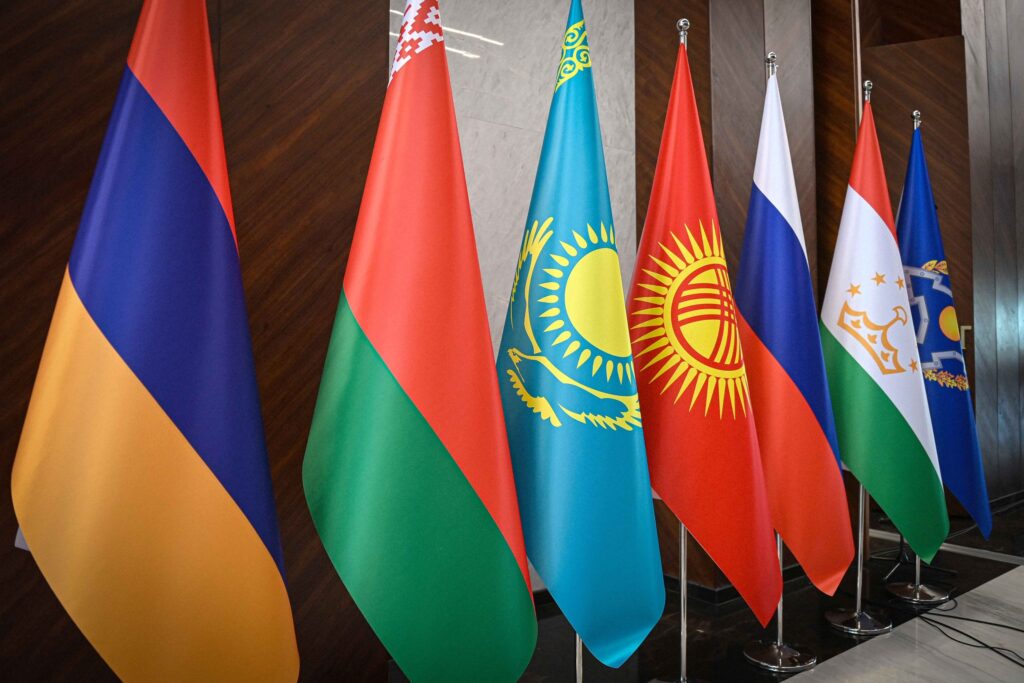
The session of the CSTO Collective Security Council on November 27 in Bishkek underscored a key reality: the bloc, once envisioned as the “Eurasian response to NATO,” now consists of just five active members. Armenia pointedly boycotted the summit, a gesture that spoke volumes about the alliance’s internal fractures. While the presidents of Kyrgyzstan, Russia, Belarus, Kazakhstan, and Tajikistan discussed “multipolarity” and “security,” Kyrgyz authorities erected a massive LED screen near the presidential residence, conveniently blocking the Ukrainian flag atop the Ukrainian embassy. Officials claimed the move was a “protocol requirement.” Moscow used the summit as a platform to outline its long-term strategic goals for the region, seizing the moment amid Armenia’s absence, growing debate over the CSTO’s purpose, and rising competition from other international security alliances in Eurasia. Yerevan’s decision to skip the gathering is a warning sign for fellow CSTO members. Armenia, having faced a real security crisis, evidently no longer views the alliance as a reliable guarantor. This casts doubt on the CSTO’s ability to adapt to a rapidly evolving regional security landscape, where flexibility, responsiveness, and tangible conflict support are increasingly in demand. In his report, CSTO Secretary General Imangali Tasmagambetov emphasized the bloc’s institutional development over the past three years, expanding collective forces, developing cyber capabilities, and establishing new international roadmaps. He also announced the creation of an Information and Analytical Department, signaling an effort to emulate more sophisticated military-political structures. Yet much of his address echoed the standard talking points delivered at previous summits. Tasmagambetov did address Armenia's absence, stating, “The CSTO respects Yerevan’s sovereign right.” Rather than defusing the issue, this acknowledgment only served to highlight the political rupture. Despite the tensions, CSTO leaders signed a broad set of documents, including a collective security strategy, an anti-drug initiative, and new military cooperation plans, reportedly one of the most comprehensive packages in recent years. Nonetheless, the summit’s spotlight belonged to Vladimir Putin and Alexander Lukashenko. The other leaders appeared relegated to the sidelines, affirming declarations to preserve a fragile collective consensus. Putin’s visit to Bishkek spanned two days, during which his pronouncements effectively became the summit’s agenda. He reiterated that the CSTO is a “guarantor of stability” and proposed equipping the bloc’s collective forces with Russian weapons “proven in combat conditions”, a clear reference to the war in Ukraine, though left deliberately vague. With Russia set to assume the CSTO chairmanship in 2026, the Kremlin appears to be steering the alliance toward deeper military-technical integration. Promoting its weapons to member states not only boosts Russia’s arms industry but also increases CSTO members’ reliance on Russian technologies and command systems. Some analysts suggest Moscow’s chairmanship priorities, from cybersecurity to aerospace defense, reflect an effort to position the CSTO as a counterweight to rival military-political blocs. President Lukashenko of Belarus added a European security dimension to the talks, citing NATO’s growing defense budgets and the military buildup in Poland, Germany, and the Baltic states as justification for reinforcing the CSTO. For Kazakhstan, Kyrgyzstan, and Tajikistan, the...