• KGS/USD = 0.01144 0%
  • KZT/USD = 0.00216 0%
  • TJS/USD = 0.10659 0%
  • UZS/USD = 0.00008 0%
  • TMT/USD = 0.28530 0%
  • KGS/USD = 0.01144 0%
  • KZT/USD = 0.00216 0%
  • TJS/USD = 0.10659 0%
  • UZS/USD = 0.00008 0%
  • TMT/USD = 0.28530 0%
  • KGS/USD = 0.01144 0%
  • KZT/USD = 0.00216 0%
  • TJS/USD = 0.10659 0%
  • UZS/USD = 0.00008 0%
  • TMT/USD = 0.28530 0%
  • KGS/USD = 0.01144 0%
  • KZT/USD = 0.00216 0%
  • TJS/USD = 0.10659 0%
  • UZS/USD = 0.00008 0%
  • TMT/USD = 0.28530 0%
  • KGS/USD = 0.01144 0%
  • KZT/USD = 0.00216 0%
  • TJS/USD = 0.10659 0%
  • UZS/USD = 0.00008 0%
  • TMT/USD = 0.28530 0%
  • KGS/USD = 0.01144 0%
  • KZT/USD = 0.00216 0%
  • TJS/USD = 0.10659 0%
  • UZS/USD = 0.00008 0%
  • TMT/USD = 0.28530 0%
  • KGS/USD = 0.01144 0%
  • KZT/USD = 0.00216 0%
  • TJS/USD = 0.10659 0%
  • UZS/USD = 0.00008 0%
  • TMT/USD = 0.28530 0%
  • KGS/USD = 0.01144 0%
  • KZT/USD = 0.00216 0%
  • TJS/USD = 0.10659 0%
  • UZS/USD = 0.00008 0%
  • TMT/USD = 0.28530 0%

Viewing results 25 - 30 of 790

The Iran Conflict Is Stress-Testing Central Asia’s Southern Corridors

Kazakhstan President Kassym-Jomart Tokayev’s proposal of Turkestan city as a venue for Iran-war negotiations shows how directly the conflict had already begun to affect Central Asia itself. The region is no longer simply observing events in Iran. By the time Tokayev made the offer, Central Asian governments were already dealing with evacuations, route disruption, emergency diplomatic coordination, and growing concern over the war’s economic effects. The Iran war has thus become a real test of Central Asia’s southern diversification strategy. Governments across the region have, in recent years, sought to widen access to world markets through Iran, the South Caucasus, and, in some cases, Afghanistan and Pakistan. These channels reduce dependence on northern routes by opening access to Türkiye, Europe, Gulf markets, and the Indian Ocean. The present crisis subjects that strategy to wartime conditions. The strain of war makes it easier to distinguish durable links, conditional ones, and routes that remain more aspirational than real. The C6 and Crisis Coordination The first effects have been practical. Turkmenistan has opened four additional checkpoints along its frontier with Iran, supplementing the Serakhs crossing, while Azerbaijan’s overland route through Astara became another critical outlet, evacuating 312 people from 17 countries between February 28 and March 2. Turkmenistan, according to official reporting, transited more than 200 foreign citizens from 16 countries during the same period. Uzbekistan used the Turkmen route to repatriate its citizens, while Kazakhstan directed its nationals toward overland exits through Turkmenistan, Azerbaijan, Armenia, and Türkiye. The war is already affecting borders, consular work, and the regional diplomatic agenda. This immediate response gives sharper political meaning to the widening of the Central Asian C5 into a C6 with Azerbaijan. The March 2 call among the five Central Asian foreign ministers and Azerbaijan showed that the format was already there to be used under pressure. What had until now appeared mainly as a corridor framework shaped by summit diplomacy and expert work appeared instead as a working format for crisis coordination linking Central Asia to the South Caucasus. The C6 idea is becoming more practical and more overtly diplomatic. The Organization of Turkic States adds a second, broader layer. Its foreign ministers met in Istanbul on March 7 and issued a joint statement expressing concern over the escalation in the Middle East, condemning actions that endanger civilians, warning against further regional destabilization, and affirming that threats to the security and interests of member states concern the organization as a whole. The statement was cautious, and the OTS is not turning into a military instrument. Even so, the war is testing whether a Turkic political space extending from Turkey through the South Caucasus to Central Asia can do more than express concern as regional security deteriorates. The C6 is becoming a working format for immediate coordination, while the OTS remains the broader political frame within which that coordination takes on institutional meaning. Corridor Stress and Resilience The trans-Iran transit option offers Central Asia a continuous land arc from regional railheads and road networks...

Caspian Escalation Raises Stakes for Central Asia

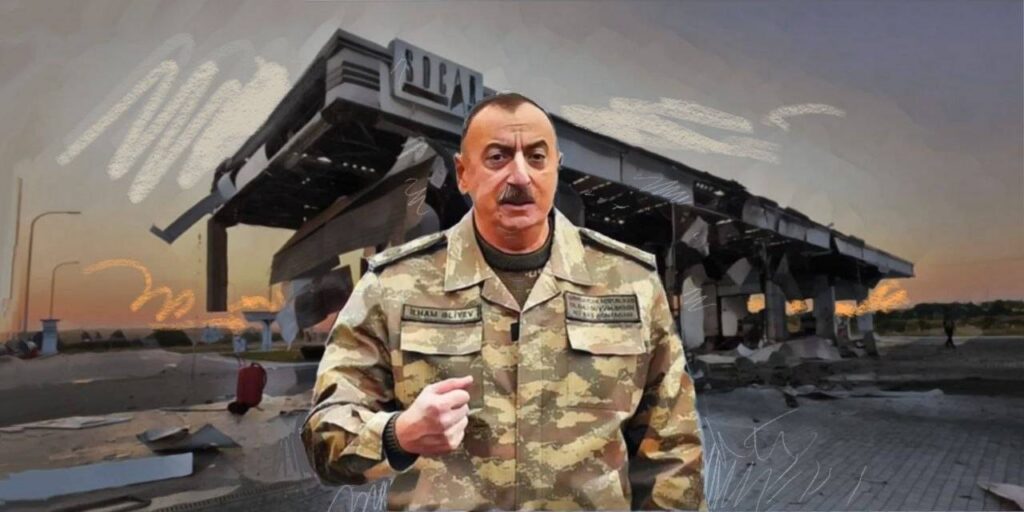
Central Asia, which has increasingly sought to present itself as a coordinated actor on the global political stage, has until recently maintained a cautious, non-aligned stance regarding the escalation in the Middle East. However, attacks affecting infrastructure in the Caspian region have altered the diplomatic balance. The Caspian Sea is a critical transit zone for Central Asia, linking Kazakhstan and Turkmenistan to Azerbaijan and onward to European and Middle Eastern markets. It forms part of key east–west and north–south trade corridors that have gained importance since Russia’s war in Ukraine disrupted traditional transit routes. In recent years, regional dynamics have also been shaped by Azerbaijan’s growing engagement with Central Asian states, including its formal inclusion in the expanded Central Asian consultative format, which has effectively evolved from the C5 into the C6. Baku has played an important role in regional connectivity. It has developed close relations with both Turkey and Israel, factors that influence geopolitical calculations in the Caspian basin, which directly borders Kazakhstan and Turkmenistan. This growing alignment has reinforced efforts to develop the Middle Corridor across the Caspian, linking Central Asia to Europe via the South Caucasus. Turkey maintains political, economic, and cultural influence in Kazakhstan, Kyrgyzstan, and Uzbekistan through the Organization of Turkic States. Russian political discourse has at times portrayed this cooperation as part of a broader pan-Turkic geopolitical project, a characterization widely dismissed by officials and analysts in Central Asia. Nevertheless, Astana and Baku continue to maintain strong relations with Ankara, a development that has periodically caused concern in Moscow. Under President Kassym-Jomart Tokayev, Kazakhstan has also strengthened ties with Gulf states. Qatar, Kuwait, the United Arab Emirates, and Saudi Arabia have become significant investors in the country’s economy. In this context, Iranian attacks on Gulf states not directly involved in the conflict have shaped Astana’s diplomatic positioning during the current crisis. Reports of drone attacks widely blamed on Iran targeting the Azerbaijani exclave of Nakhchivan have further heightened regional tensions. At the initial stage of the escalation, Kazakhstan’s response was largely limited to diplomatic contacts with regional leaders. At the same time, several Central Asian countries, along with Azerbaijan, expressed concern over the humanitarian consequences of the conflict and began dispatching aid to Iran. Azerbaijan sent nearly 30 tons of food and medical supplies on March 10, followed by another 82 tons of humanitarian aid on March 18. Uzbekistan delivered approximately 120 tons of humanitarian supplies, including flour, vegetable oil, sugar, and canned food, according to regional media reports. Turkmenistan also sent humanitarian aid consisting of medicines, medical supplies, and other goods, primarily intended for children. The Tajik government reported sending a convoy of 110 heavy trucks carrying humanitarian cargo to Iran, with a total weight of 3,610 tons. The diplomatic environment shifted further after Israeli air strikes on March 18 targeting Iranian naval facilities in the Caspian Sea. According to Israeli military statements cited by international media, the targets included a major port of the Iranian Navy, where, reportedly, "dozens of ships were destroyed,”...

U.S. Air Tanker Crash in Iraq Recalls KC-135 Loss in Kyrgyzstan in 2013

The March 12 fatal crash of a U.S. military KC-135 refueling aircraft supporting air strikes on Iran was the first accident involving that type of plane since a 2013 crash in Kyrgyzstan during U.S. military operations in Afghanistan. The U.S. Central Command said on Friday that that all six crew members on a KC-135 that went down in western Iraq had died, and that the aircraft was lost while flying over “friendly airspace,” and was not downed by hostile or friendly fire. U.S. military officials previously said two aircraft were involved in the incident, and that the second one landed safely. An investigation into the crash is underway as U.S. and Israeli aircraft continue intense attacks on targets in Iran, which has retaliated with missile and drone strikes on Israel and other countries. Shipping has been disrupted in the Strait of Hormuz, driving up global energy prices. Thirteen years ago, the United States was engaging in military operations against Taliban insurgents in Afghanistan when a KC-135 tanker crashed soon after taking off from Manas air base in Kyrgyzstan, killing all three crew members on board. The crash occurred on May 3, 2013. On March 14 of the following year, the U.S. Air Force released the results of an investigation into the fatal accident. “A unique combination of six factors -- flight control malfunctions, insufficient crew force training, incomplete crew checklist response, use of rudder while in a Dutch roll condition, crew composition, and cumbersome procedural guidance -- all came together during the flight's short 11-minute duration and resulted in this accident,” the investigation report said. It described a Dutch roll as “a more dangerous oscillatory instability” that followed initial instability causing the plane’s nose to drift from side to side. In 2006, a Kyrgyz airliner that was taking off from Manas accidentally struck a KC-135 tanker aircraft that had landed after a mission in Afghanistan and was awaiting instructions from the control tower. There were no injuries on the Kyrgyz plane, and one of the three KC-135 crew members suffered abrasions while evacuating from the refueling aircraft. Between 2001 and 2014, the U.S. Air Force operated a logistics hub at Manas, near Bishkek in Kyrgyzstan.

Growing Trade Disputes Test the Eurasian Economic Union

Trade disputes within the Eurasian Economic Union (EAEU) are as old as its creation. Restrictions on the import and export of certain goods have long been common practice. However, analysts increasingly warn that tensions have reached a point at which the organization risks losing its core function, ensuring the free movement of goods across borders and maintaining simplified conditions for migrant workers. Mounting Restrictions The EAEU currently comprises Armenia, Belarus, Kazakhstan, Kyrgyzstan, and Russia. Economic integration among several post-Soviet states began in 2000 with the establishment of the Eurasian Economic Community (EurAsEC), formed by Belarus, Kazakhstan, Kyrgyzstan, Russia, and Tajikistan. Uzbekistan joined in 2006, but suspended its participation in 2008. The foundation of this organization was the Customs Union agreement, intended to abolish customs duties among member states. The structure of the integration project has since evolved. The EAEU treaty was signed in 2014 and entered into force on January 1, 2015. Tajikistan and Uzbekistan did not join, while Armenia became a member in 2015. More than two decades after the first integration agreements, however, many of the bloc’s original promises remain only partially fulfilled. Experts have long argued that protectionist measures remain widespread within the bloc and that full freedom of movement for all categories of goods, including strategic products, has not been achieved. They also point to pronounced economic asymmetry: Russia accounts for approximately 85–87% of the union’s combined GDP, whereas Kazakhstan accounts for approximately 9–10%. Russia’s significantly larger population and political influence have further reinforced perceptions of structural imbalance. Moscow is now preparing new regulatory measures affecting its partners. From April 1, 2026, a national system for confirming the arrival of goods will be introduced for road imports from EAEU countries. According to the Russian authorities, shifting key control procedures to the pre-border stage is intended to improve transparency in the administration of indirect taxes. Previously, such checks were conducted after goods entered the country through desk and field audits. At the same time, Russia has intensified selective customs controls on its borders with Kazakhstan and Belarus, officially citing efforts to combat counterfeit goods. Particular scrutiny is being applied to product labelling and accompanying documentation. Controls were tightened last summer, when mobile checkpoints were established along the Kazakh-Russian border, followed by the inspections of vehicles leaving Belarus in the autumn. Full-scale checkpoints are now operating on the Kazakh-Russian border, while a simplified regime linked to the Union State and EAEU agreements continues to apply on the Belarusian-Russian border. Logistics industry representatives report that stricter controls on the Kazakh border have significantly increased transit delivery times. Carriers often face lengthy delays at checkpoints even when their documentation is in order. According to Alexandra Pokumeiko, head of a freight-forwarding department, the changes have created uncertainty in delivery schedules along Belarus-Russia transport corridors and on transit routes through Russia to Kazakhstan. The growing number of administrative restrictions has begun to spill into specific sectors of the economy, triggering retaliatory measures between member states. Escalating Tensions in the Automotive Sector A new dispute...

Kyrgyzstan Launches Electronic Queuing System for Trucks at China Border

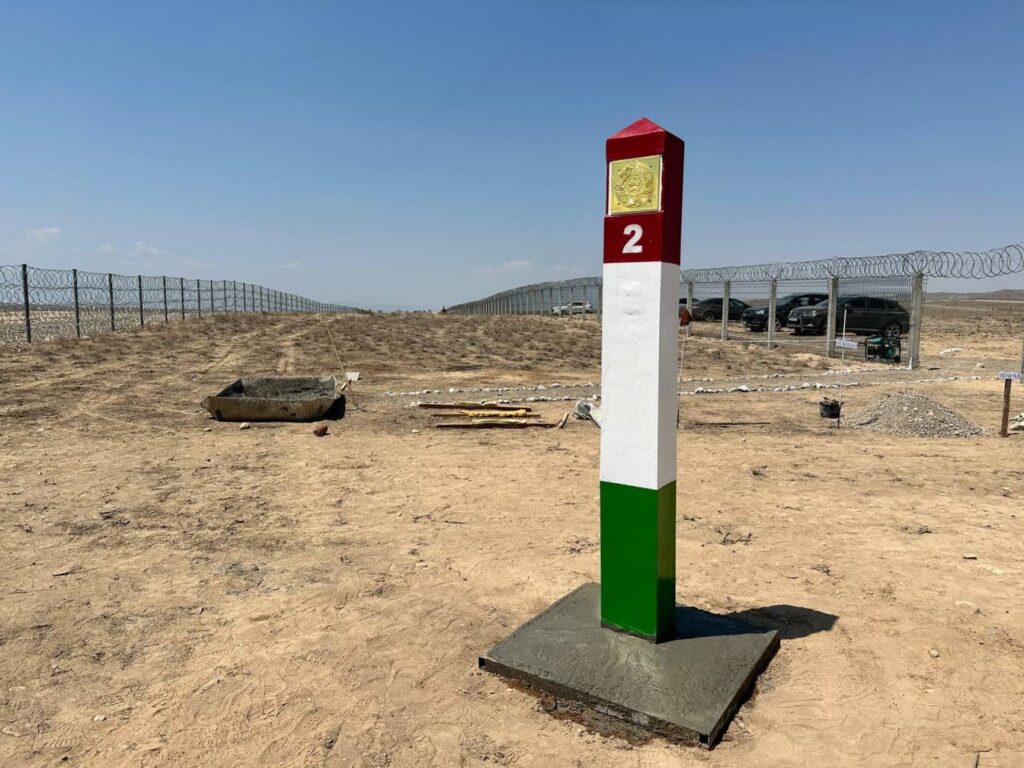
Kyrgyzstan’s State Customs Service has launched a pilot electronic queuing system for trucks at the Torugart border crossing in the Naryn region on the Kyrgyz-Chinese border. According to the Customs Service, the system is designed to streamline truck flows and reduce congestion that previously formed near the crossing. Queues of heavy vehicles sometimes stretched for up to 25 kilometres, placing significant strain on road infrastructure and negatively affecting the environment around Lake Chatyr-Kul. The new system allows transport operators to pre-register trucks for border clearance. Vehicles are directed to the checkpoint from a designated waiting area in accordance with their place in the electronic queue. In addition, a new waiting facility for drivers and representatives of transport companies has been opened at the crossing. Torugart is currently undergoing modernisation. Planned upgrades include the expansion of checkpoint territory, installation of modern non-intrusive inspection equipment, increased throughput capacity, and the construction of additional parking areas. The initiative is aimed at improving the efficiency of the crossing amid growing trade turnover between Kyrgyzstan and China. According to Chinese Ambassador to Kyrgyzstan Liu Jiangping, bilateral trade reached a record $27.2 billion in 2025, representing a 20% increase compared with the previous year. Torugart is one of Kyrgyzstan’s two fully operational road crossings with China, alongside the Irkeshtam checkpoint in the Osh region. In September 2024, Kyrgyzstan opened a third road crossing with China. The Bedel checkpoint, initially launched under a simplified regime, is located in a remote mountainous area roughly equidistant from Karakol in Kyrgyzstan and Aksu in China. Its full-scale development with infrastructure meeting international standards is expected to be completed by 2027.

Informal OTS Foreign Ministers’ Meeting Tests Limits of Turkic Coordination

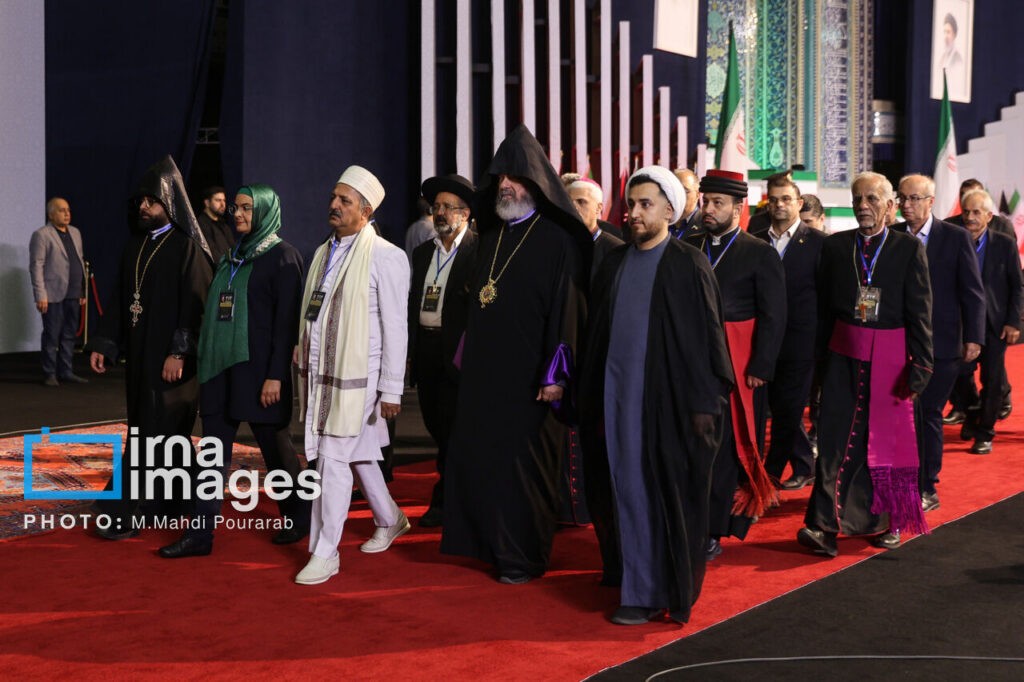
Escalating tensions linked to the widening conflict in the Middle East have tested the political cohesion of the Organization of Turkic States (OTS), according to Kazakh political commentator Dzhanibek Suleyev. Recent incidents affecting both Azerbaijan and Turkey — including drone strikes in Azerbaijan’s Nakhchivan Autonomous Republic and a missile intercepted by Turkish air defenses — have raised security concerns across the wider region. Suleyev argues that developments of this scale might normally prompt an urgent summit of heads of state. Instead, Turkey convened an informal meeting of foreign ministers and senior diplomatic representatives from OTS member states. The gathering took place on March 7, when officials convened at the invitation of Turkish Foreign Minister Hakan Fidan. According to Turkish media, ministers later met with President Recep Tayyip Erdoğan during their visit. Speaking to The Times of Central Asia, Suleyev drew attention to how the meeting was covered in the media of Central Asian member states. “In the Uzbek press, coverage was limited, and even on the website of their Ministry of Foreign Affairs, there is not a single word about the informal summit of OTS foreign ministers. Kazakhstan, moreover, was represented not by Foreign Minister Yermek Kosherbayev but by his deputy Alibek Bakayev. Kyrgyzstan’s Foreign Ministry issued four notes about the trip of its minister Jeenbek Kulubaev to Istanbul, three of which were devoted to the summit, but without any particular details,” Suleyev said. Kazakhstan’s Foreign Ministry published a short summary of the meeting, noting in broad terms that representatives discussed cooperation among Turkic states and regional developments. According to Suleyev, the joint statement adopted after the meeting was difficult to find outside of Azerbaijani media. One of the few outlets to publish the text in full was Azerbaijan’s APA news agency. Much of the statement focused on the incidents affecting Azerbaijan and Turkey, stressing that “any threat to the security of OTS member states causes concern for the entire Organization… The ministers strongly condemned the attacks carried out from the territory of the Islamic Republic of Iran against the Nakhchivan Autonomous Republic of the Republic of Azerbaijan, including strikes against civilian facilities and the territory of the Republic of Turkey,” the statement continued. “The rest of the statement boils down to destabilization in the Middle East could lead to a global economic crisis, the Palestinian conflict must be resolved taking into account UN resolutions, and so on,” Suleyev told TCA. One notable event during the meeting was the foreign ministers’ reception by President Erdoğan. Official summaries released by participating governments described the discussion in diplomatic terms. “Kazakh sources wrote that ‘prospects for the development of cooperation within the framework of Turkic cooperation were discussed,’” Suleyev said. Kyrgyz statements used similar language, stating that the “President of Turkey… noted the importance of regular dialogue on current regional and international issues and expressed interest in further developing multilateral cooperation within the framework of the Organization.” “In short, these are streamlined diplomatic formulations without specific details,” Suleyev said. According to a press...