• KGS/USD = 0.01144 0%
  • KZT/USD = 0.00204 0%
  • TJS/USD = 0.10429 0.29%
  • UZS/USD = 0.00008 0%
  • TMT/USD = 0.28490 0%
  • KGS/USD = 0.01144 0%
  • KZT/USD = 0.00204 0%
  • TJS/USD = 0.10429 0.29%
  • UZS/USD = 0.00008 0%
  • TMT/USD = 0.28490 0%
  • KGS/USD = 0.01144 0%
  • KZT/USD = 0.00204 0%
  • TJS/USD = 0.10429 0.29%
  • UZS/USD = 0.00008 0%
  • TMT/USD = 0.28490 0%
  • KGS/USD = 0.01144 0%
  • KZT/USD = 0.00204 0%
  • TJS/USD = 0.10429 0.29%
  • UZS/USD = 0.00008 0%
  • TMT/USD = 0.28490 0%
  • KGS/USD = 0.01144 0%
  • KZT/USD = 0.00204 0%
  • TJS/USD = 0.10429 0.29%
  • UZS/USD = 0.00008 0%
  • TMT/USD = 0.28490 0%
  • KGS/USD = 0.01144 0%
  • KZT/USD = 0.00204 0%
  • TJS/USD = 0.10429 0.29%
  • UZS/USD = 0.00008 0%
  • TMT/USD = 0.28490 0%
  • KGS/USD = 0.01144 0%
  • KZT/USD = 0.00204 0%
  • TJS/USD = 0.10429 0.29%
  • UZS/USD = 0.00008 0%
  • TMT/USD = 0.28490 0%
  • KGS/USD = 0.01144 0%
  • KZT/USD = 0.00204 0%
  • TJS/USD = 0.10429 0.29%
  • UZS/USD = 0.00008 0%
  • TMT/USD = 0.28490 0%

Viewing results 85 - 90 of 1441

Switzerland Backs Winter Tourism Development in Kyrgyzstan

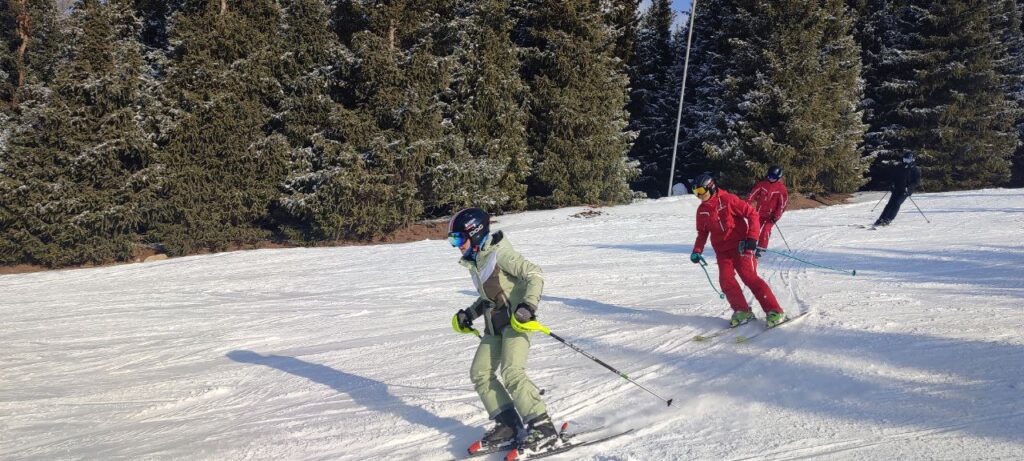
Switzerland is providing practical support to Kyrgyzstan in developing its winter tourism sector, with a strong focus on training professional staff. A program for ski instructor training is currently underway in the city of Karakol, Issyk-Kul region, with Swiss backing. Switzerland's ambassador to Kyrgyzstan, Sirocco Meserli, recently visited a cross-country skiing training session, a sport that has seen systematic development in Kyrgyzstan since 2022. According to Swiss diplomats, specialists from Switzerland have arrived to train Kyrgyz instructors and sports school coaches in modern international methods tailored for children, adults, and tourists. The initiative is part of the Sustainable Winter Tourism project, funded by the Swiss government. The final stage of this year’s training sessions with Swiss experts is currently taking place. [caption id="attachment_42787" align="aligncenter" width="300"] @TCA[/caption] Meserli stated that the program covers skiing techniques, instructional methods, tourist engagement, and safety protocols. “Infrastructure development is important, but qualified personnel who can provide a high level of service and a positive tourist experience play a decisive role,” he said. The project introduces international training standards for instructors at the Admission, Aspirant, and Instructor levels, commonly used in alpine skiing and snowboarding training globally. The Swiss side has emphasized the project’s long-term goals: not only to train instructors but also to lay the foundation for winter sports as a sustainable economic sector, fostering growth in tourist traffic, job creation, and service offerings during the winter season. [caption id="attachment_42788" align="aligncenter" width="300"] @TCA[/caption] Kyrgyz experts see high potential in this area. Approximately 94% of Kyrgyzstan’s territory is mountainous, and new ski resorts are actively being developed across the country. “Skiing is becoming popular. Young people are eager to learn. All instructors speak Kyrgyz, Russian, and English, and demand for training has grown significantly,” ski instructor Daniyar Toichbek told The Times of Central Asia. Karakol remains Kyrgyzstan’s primary ski destination. During the winter season, numerous rental shops operate in the city, where a full set of ski equipment can be rented for about $35, making winter recreation accessible to both locals and international visitors.


Uzbek Chess Surges at Elite Tata Steel Event in Netherlands

Uzbek grandmasters Nodirbek Abdusattorov and Javokhir Sindarov lead in the standings after the half-way mark in the prestigious Tata Steel Chess Tournament, currently underway in the Netherlands. Abdusattorov is in the top position with five and a half points after key victories in the Masters category, benefiting in the sixth round from a blunder by world champion Gukesh Dommaraju that cost the Indian a rook and led him to resign soon afterward. Abdusattorov then beat top seed Vincent Keymer of Germany in the seventh round, though he lost in the next game to Anish Giri of the Netherlands. The Uzbek grandmaster has won four games and drawn three times. Sindarov is unbeaten in second place with five points, after two wins and six draws. Hans Niemann of the United States is third in the standings with four and a half points. Players get one point for a win, half a point for a draw and zero points for a loss. The Tata Steel tournament, one of the toughest chess events of the year, runs from January 16 to February 1 in the seaside town of Wijk aan Zee. Round nine starts on Tuesday. There are a total of 13 rounds.

Kazakhstan to Expand Use of AI for Early Detection of Strokes and Cancer

Kazakhstan’s Ministry of Health is moving to expand the use of AI to improve early diagnosis of strokes, cancer, and other high-impact diseases. Officials say the rollout aims to reduce mortality, increase diagnostic accuracy, and ease the workload of healthcare professionals. According to the ministry, a list of priority AI initiatives has been compiled to help detect socially significant diseases at early stages and support clinical decision-making. The targeted areas include stroke, lung cancer, breast cancer, and dental diagnostics through the analysis of medical imagery using machine learning algorithms. Several platforms are already operational and are being integrated more widely into the national healthcare system. Among the current AI platforms in use: Cerebra – deployed in nine category II and III stroke centers across five regions, capable of identifying stroke symptoms in under three minutes; WDsoft – used in 190 healthcare facilities in 10 regions to assist in the early detection of cancer and pneumonia; AIDENTIS – adopted by 65 dental clinics and three medical universities to analyze X-ray imagery; ALIMA – an AI-based medical assistant now active in over 700 clinics nationwide. The ALIMA platform processes patient complaints, medical records, and images to suggest potential diagnoses, recommend examinations, and propose treatment plans aligned with clinical protocols. These AI initiatives rely on computing resources provided by the Ministry of Artificial Intelligence and Digital Development, including eight graphics processors, and are supported through API-based integrations. Looking ahead, the Ministry of Health intends to introduce AI tools to evaluate pharmaceuticals and medical devices and to launch a project for early detection of chronic heart failure using the Smart ECG system. This technology enables remote interpretation of electrocardiograms in clinics that lack specialized functional diagnostics staff. As previously reported by The Times of Central Asia, Kazakhstani surgeons recently conducted the region's first joint replacement surgeries in Tashkent using the MAKO robotic system, another example of the country’s growing investment in med-tech innovation.

Nani Transfer to FC Aktobe Signals Kazakhstan Football Clubs’ Bet on Aging Stars

The Kazakhstan Premier League (KPL) is emerging as a destination for veteran European footballers in the twilight of their careers, as local clubs invest in high-profile transfers to boost visibility, attract sponsorships, and reignite fan interest. The most notable example comes from western Kazakhstan, where FC Aktobe was transferred to private ownership less than a month ago. On January 8, the regional government sold the club to businessman Nurlan Artikbayev, owner of the construction firm Qazaq Stroy, for $730,000. Artikbayev pledged to modernize the stadium, develop youth football, and rebuild the squad after the club’s failure to win the championship or qualify for European competitions. Aktobe’s first move was signing Kazakhstan national team goalkeeper Alexander Zarutsky, formerly of Almaty’s FC Kairat and a key figure in their historic UEFA Champions League appearance. However, the headline transfer was the acquisition of 39-year-old Luís Nani, the former Portuguese international and ex-midfielder for Manchester United, Fenerbahçe, Lazio, and Sporting. The club announced Nani’s signing on January 25, highlighting the move as a symbol of its renewed ambitions. Nani most recently played for Portuguese side Estrela, appearing in 10 matches and scoring once. In a statement, he expressed enthusiasm for helping to develop both the club and Kazakh football more broadly. Earlier negotiations between Aktobe and Thomas Müller fell through, with the 36-year-old German reportedly turning down a proposed loan from MLS club Vancouver. Rumors of interest in Brazilian forward Hulk were denied by his agent, while talks with 35-year-old Miralem Pjanić, formerly of Barcelona and Juventus, collapsed over financial terms. The Kazakh transfer window remains open until April 3, leaving open the possibility of further signings. Elsewhere in the league, FC Kaisar of Kyzylorda announced the signing of 35-year-old Victor Moses, the former Chelsea and Inter Milan midfielder. These moves signal a clear strategy: use marquee names to elevate the league’s status and attract new audiences. This new approach coincides with a major policy shift. As of 2025, Kazakhstan has implemented a legislative ban on the use of public funds to pay foreign athletes, meaning that such transfers must now be financed entirely through private investment. Whether this strategy pays off on the pitch remains to be seen. But one thing is clear: Kazakhstani football is pivoting toward a market-driven model, where fan engagement and media visibility are becoming as valuable as tournament points.

Kazakh Producer Yulia Kim: “We Are Closing the Gap Between Central Asia and World Cinema”

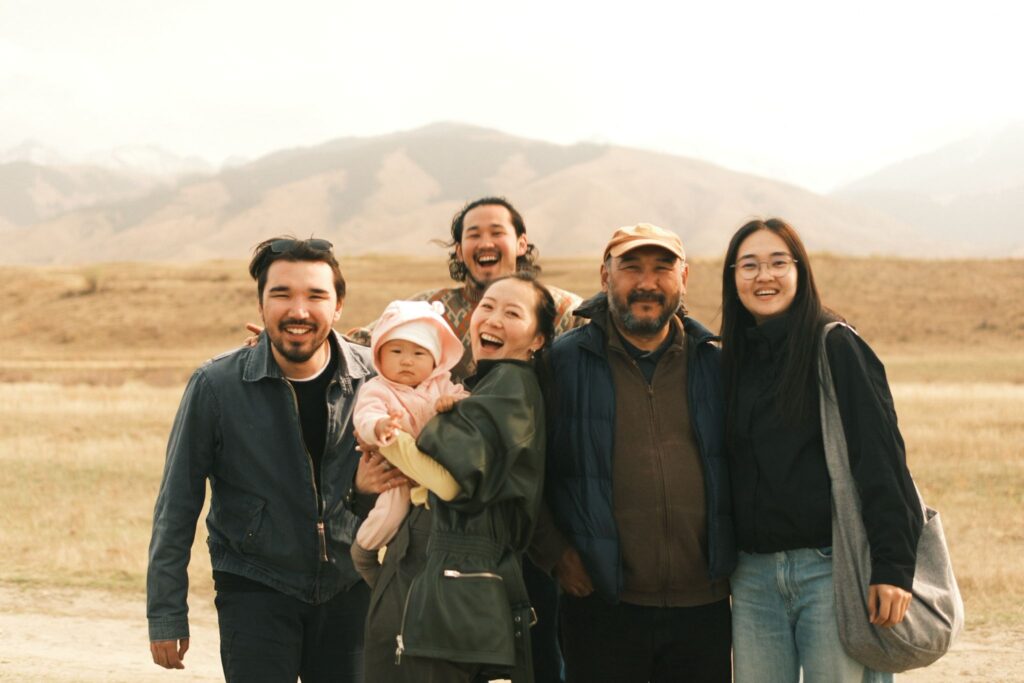
Central Asia is increasingly being recognized as a bright new spot on the global cinema map. Films by regional directors are now regularly featured in major festival programs, and international curators are paying closer attention to the area’s filmmaking talent. One of the key platforms fostering these connections is the Post Space film camp in Kyrgyzstan, a space where emerging directors present their work directly to global festival decision-makers. The Times of Central Asia spoke with Post Space co-founder and Kazakh producer Yulia Kim about how this format works, why bridging the gap between the region and the global film industry is vital, and how campfire songs can forge creative collaborations. [caption id="attachment_42621" align="aligncenter" width="1060"] @PostSpace[/caption] TCA: Yulia, you’re one of the founders of Post Space, widely considered the most influential film camp in Central Asia. You’ve been organizing it for four years now. Has it yielded results? Yulia: Many. In 2024, the Locarno Film Festival invited two Kazakh directors, including Aruan Anartay, a Post Space participant. Last year, we had another Kazakh participant. The Lisbon Film Festival even curated a program specifically dedicated to Central Asian cinema. Its director, Portuguese producer Paulo Branco, visited Post Space for the first time in 2024 and fell in love with our filmmakers. I believe that for the festival curators we invited, Central Asia has opened up in new ways. They now approach our films with a deeper understanding and, hopefully, greater interest. TCA: Would you say international interest is growing? Yulia: Yes, but Post Space aims for more than just professional development. We also strive to create a friendly, supportive atmosphere. The connections formed here often become lasting collaborations. For instance, we ran a screenwriting lab, and soon several films developed during that project will be released. One participant, Diaz Bertis, refined his script with the help of an international mentor we brought in. These are vital steps for our industry. TCA: Many local initiatives fizzle out quickly. Are you planning for the long term? Yulia: Absolutely. Our project is just gaining momentum. But we’re working with a minimal budget and little external support, which limits what we can do. We'd like to offer more grants and long-term support to the projects emerging from Post Space, but for now, it’s mostly moral support. Still, we’re pushing forward, and young filmmakers are eager to grow with us. We focus on giving a voice to emerging artists who aren’t even recognized at local festivals, let alone international ones. TCA: So Post Space is a launchpad for debut filmmakers? Yulia: For many, yes. There’s so much talent in the region, but a lot of it has no connection to the film industry. We want to be the space where they gain confidence, present their work, and receive feedback. Many participants hadn’t shown their films anywhere before Post Space, often due to fear or inexperience. They were thrilled to screen their work here. TCA: What stood out about Post Space 2025? Yulia: Each year has its...

Between Statistics and Reality: What the UNICEF Report Reveals About Children in Turkmenistan

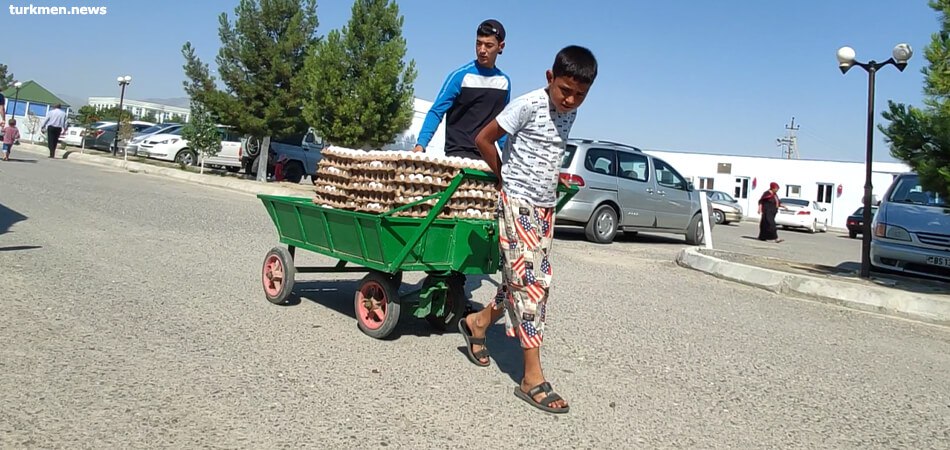
The State Committee on Statistics of Turkmenistan, in partnership with UNICEF, has released the report “Census 2022 - The Situation of Children in Turkmenistan”. However, as noted by independent outlet turkmen.news, the report is based on official census data that many experts consider unreliable or inflated, potentially skewing the findings. Despite these concerns, the report offers insight into the country’s demographic and social trends. According to the report, Turkmenistan has a notably “young” population: children aged 0-14 make up 30.7% of the total. In total, 2,463,258 individuals under the age of 17 account for more than one-third of the population. However, a decline in the birth rate is evident: there are 1.2 times fewer children in the 0-4 age group compared to those aged 5-9. Household composition data reveals that families with three or more children are the most common, comprising 43% of all households nationally and 48.9% in rural areas. Families with two children account for 31.1%, and those with one child, 25.9%. This distribution correlates with a broader demographic pattern, 57.8% of all children in Turkmenistan live in rural areas. The demographic dependency ratio remains high: there are 755 dependents per 1,000 working-age individuals. Notably, the child dependency rate is 4.3 times higher than that of the elderly, suggesting a sizable future labor force. The urban-rural divide is also apparent here: in rural areas, the child dependency ratio is 698, compared to 525 in urban centers. The report addresses early marriage and childbirth: among 15-17-year-olds, 1,349 boys (0.9%) and 1,770 girls (1.2%) were in either registered or de facto marriages. Within the same age group, 339 girls had already given birth. The highest rate of teenage births was recorded in Akhal region (4.2 per 1,000), while Ashgabat reported the lowest (1.2 per 1,000). Childhood disability statistics show mobility and stair-climbing difficulties are the most prevalent, affecting 3,106 children aged 5-17. Other reported issues include concentration and memory problems (1,989 cases), hearing impairments (1,791), and visual impairments (1,784). In all categories, boys outnumber girls. One of the most striking disparities is in preschool access. Only 23.8% of children in rural areas attend preschool, compared to 64.7% in urban areas, a rural-urban equity index of just 0.37. Given that the majority of children live in rural areas, the gap reflects systemic challenges, including insufficient infrastructure, transportation issues, and household dynamics where caregiving typically falls to women. Enrollment rates improve significantly for older children. Nearly all children aged 6-15 are in school, with only 0.3-0.4% not attending. However, the dropout rate increases in older age groups, with 5.4% of adolescents not enrolled in school or vocational institutions. No significant gender disparities were observed in this regard. Despite the insights the report offers, it is underpinned by 2022 census data that many independent experts argue is inflated. While Turkmenistan's official population stands at around 7 million, alternative estimates range between 2.7 and 5.7 million. Nevertheless, the release of this report marks a step toward a more open dialogue about the country’s social...