• KGS/USD = 0.01144 0%
  • KZT/USD = 0.00216 0%
  • TJS/USD = 0.10659 0%
  • UZS/USD = 0.00008 0%
  • TMT/USD = 0.28530 0%
  • KGS/USD = 0.01144 0%
  • KZT/USD = 0.00216 0%
  • TJS/USD = 0.10659 0%
  • UZS/USD = 0.00008 0%
  • TMT/USD = 0.28530 0%
  • KGS/USD = 0.01144 0%
  • KZT/USD = 0.00216 0%
  • TJS/USD = 0.10659 0%
  • UZS/USD = 0.00008 0%
  • TMT/USD = 0.28530 0%
  • KGS/USD = 0.01144 0%
  • KZT/USD = 0.00216 0%
  • TJS/USD = 0.10659 0%
  • UZS/USD = 0.00008 0%
  • TMT/USD = 0.28530 0%
  • KGS/USD = 0.01144 0%
  • KZT/USD = 0.00216 0%
  • TJS/USD = 0.10659 0%
  • UZS/USD = 0.00008 0%
  • TMT/USD = 0.28530 0%
  • KGS/USD = 0.01144 0%
  • KZT/USD = 0.00216 0%
  • TJS/USD = 0.10659 0%
  • UZS/USD = 0.00008 0%
  • TMT/USD = 0.28530 0%
  • KGS/USD = 0.01144 0%
  • KZT/USD = 0.00216 0%
  • TJS/USD = 0.10659 0%
  • UZS/USD = 0.00008 0%
  • TMT/USD = 0.28530 0%
  • KGS/USD = 0.01144 0%
  • KZT/USD = 0.00216 0%
  • TJS/USD = 0.10659 0%
  • UZS/USD = 0.00008 0%
  • TMT/USD = 0.28530 0%

Viewing results 187 - 192 of 786

Central Asia Sees Armenia-Azerbaijan Deal as a Step Forward

Central Asian countries have welcomed an agreement signed by Armenia and Azerbaijan at the White House, saying it is an important step toward peace in the South Caucasus and sets the stage for trade growth in the wider region. “We highly appreciate the efforts of all parties aimed at overcoming the long-standing conflict,” Uzbekistan’s Ministry of Foreign Affairs said on Saturday. “We are confident that the establishment of long-term peace and stability in the South Caucasus will pave the way for the launch of large transport and infrastructure projects for the benefit of all peoples of the vast region.” The leaders of Armenia and Azerbaijan signed the deal in a ceremony overseen by U.S. President Donald Trump on Friday, building on extensive dialogue between the two sides, though falling short of a comprehensive peace pact that would formally end decades of conflict. One of the terms of the Trump-backed deal is the opening of a South Caucasus trade corridor that would provide Azerbaijan – and Central Asian economies – with increased access to Turkey and Europe. Kazakhstan also praised the agreement and Trump’s role in making it happen, saying it “ended the long-standing military conflict between the two states and paved the way for establishing diplomatic relations and developing cooperation between them based on lasting peace,” presidential adviser Ruslan Zheldibay said on Telegram. President Kassym-Jomart Tokayev noted that Kazakhstan played a role in the rapprochement between Azerbaijan and Armenia because it hosted ministerial-level peace talks between the two sides in Almaty, according to Zheldibay. Tajikistan’s Ministry of Foreign Affairs said “the prompt legal consolidation” of the agreement signed in Washington will be a big step toward the full normalization of ties between the longtime adversaries and will contribute to regional stability and development. Kyrgyzstan has similarly expressed support for peace, offering earlier this year to host the signing of a peace agreement between Armenia and Azerbaijan. Turkmenistan, which pursues a stated policy of neutrality in foreign affairs, faces Azerbaijan across the Caspian Sea and is eager to develop trade routes.
No Kremlin Needed: Peace Breaks Out in Post-Soviet Eurasia

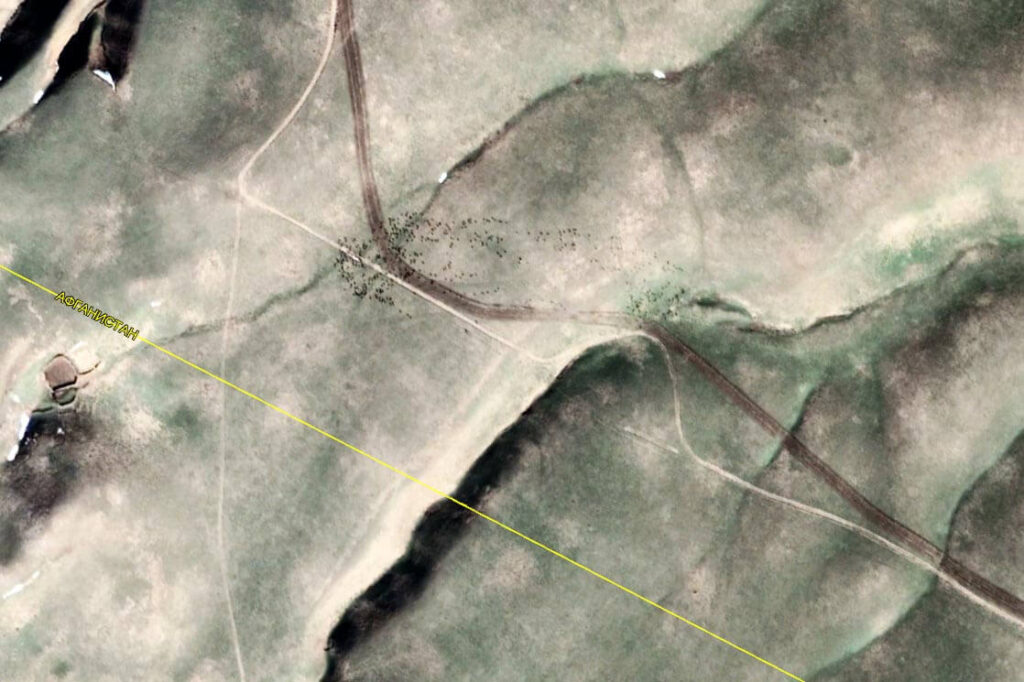
Two decades ago, no border dispute in the former Soviet space was resolved without a Kremlin handshake. Moscow was the central mediator. Not anymore. In March 2025, Tajikistan and Kyrgyzstan signed a historic border agreement without Moscow at the table. Not long after, Armenia and Azerbaijan began finalizing a peace treaty of their own. Now there’s talk of the two leaders traveling to the White House to sign the deal. Russia is losing its position as a peace broker in its near abroad. For decades, Russia played the “big brother” and mediator, inserting itself into every conflict with the implicit message: nothing moves without Moscow. Today, we are witnessing a different pattern. Regional actors are no longer passive clients of Russian peace making. Tajikistan and Kyrgyzstan resolved a decades-long border dispute without outside pressure. Armenia and Azerbaijan, once frozen in a Kremlin-managed stalemate, are building a peace path with Western and regional partners instead. The Armenia–Azerbaijan Case: Peace Without Moscow Once the unchallenged mediator in the Nagorno-Karabakh conflict, Moscow now finds itself watching from the sidelines as Armenia and Azerbaijan step toward a historic peace deal. After the 2020 war and Azerbaijan’s decisive 2023 offensive that reabsorbed Nagorno-Karabakh, Armenia was left exposed. Moscow, tied down in Ukraine and facing a credibility crisis, withdrew its peacekeepers from Karabakh in mid-2024. Yerevan, once loyal to Russia and the CSTO, found itself abandoned. The Kremlin neither enforced security guarantees nor deterred Azerbaijani advances. As public trust in Russia collapsed, Armenian leadership pivoted West. This vacuum opened the door for the U.S., and specifically Donald Trump, to step in. Armenian and Azerbaijani leaders met in Abu Dhabi in July, brokered by Emirati and American intermediaries. The Trump administration has since accelerated the process, with reports of a draft treaty offering mutual recognition, demilitarization zones, and the establishment of a strategic corridor linking Azerbaijan to Nakhchivan on a 100-year lease supervised by the U.S. This creative proposal, unimaginable under Russian mediation, has gained serious traction. If finalized at the White House, the agreement would represent the first U.S.-brokered peace deal in the post-Soviet space, a dramatic break with 30 years of Kremlin-led diplomacy. For the region, it’s a significant development: the Caucasus is no longer Russia’s to manage. Even more visible is Azerbaijan’s shift. Though long pursuing a multi-vector foreign policy, Baku now leans heavily toward Turkey, Israel, and the Gulf. Talks are reportedly underway for Baku to join a version of the Abraham Accords, with support from Washington and Riyadh.  The Tajikistan–Kyrgyzstan Case: Local Solutions In March 2025, Tajikistan and Kyrgyzstan signed a final border delimitation agreement. It ended three decades of violence, and territorial ambiguity. The signing came without Kremlin mediation, a sharp departure from Cold War-era norms when Moscow acted as both arbiter and enforcer in Central Asia’s internal affairs. The shift didn’t happen overnight. After the bloody clashes of 2021 and 2022, Russia distanced itself from active mediation, with the Kremlin signaling as early as late 2022 that it had no...

‘No Complaints,’ Says Tajikistan Ombudsman Amid Allegations of Journalist Mistreatment

Representatives from the Office of the Human Rights Ombudsman in Tajikistan stated they have met with several imprisoned journalists and received no formal complaints from them. The announcement was made by Khusniddin Nidoev, deputy head of the department for civil and political rights protection, during a press conference on August 4. Visit to the Detention Facility According to Nidoev, he personally visited the “First Soviet” correctional colony on May 5, where he met with journalists Daler Emomali, Zavkibek Saidamin, Abdullo Gurbati, and Ahmad Ibrohim, editor-in-chief of the regional newspaper Paik. “We are in constant contact with them. Even during phone conversations with the heads of institutions, we ask about their condition, especially those whose names are widely covered in the media,” Nidoev said. He added that the journalists expressed satisfaction with their conditions and did not report any grievances. Relatives Raise Concerns However, relatives of other imprisoned journalists have reported troubling circumstances. The family of Abdusattor Pirmuahmadzoda, a blogger and former employee of Radio Sadoi Dushanbe, said they have had no contact with him since March. His brother, Abdukarim, told Asia-Plus that Abdusattor was placed in solitary confinement after he publicly questioned why his name was excluded from a list of candidates for amnesty during an official visit to the prison. Since then, neither his wife nor his children have been able to visit him, despite repeated requests. Nidoev confirmed that the ombudsman’s office met with Pirmuahmadzoda in 2024 while he was held in a Khujand prison but acknowledged that no such visit has occurred this year. He promised to investigate his current status. In a separate case, the wife of Zavkibek Saidamin, Mahfirat Khudoynazarova, reported in early July that her husband is suffering from a nervous condition and experiencing pain in his spine and eyes. “We sent him medicine. He is taking it. They said he was examined by an eye doctor and treated. But he still doesn’t feel well,” she told Asia-Plus. Meanwhile, the families of Daler Emomali and Ahmad Ibrohim have said their relatives are in stable condition, although they continue to object to their imprisonment. Sentences and Human Rights Reactions The prison terms for the journalists range from seven to over ten years. Ahmad Ibrohim was sentenced to 10 years and 4 months, Daler Emomali to 10 years, Abdullo Gurbati to 7.5 years, and both Abdusattor Pirmuahmadzoda and Zavkibek Saidamin to 7 years each. Appeals filed by defense lawyers and relatives have been rejected by higher courts, leaving the sentences in force. International human rights organizations, including Reporters Without Borders, have repeatedly condemned the imprisonments as politically motivated and called for the journalists’ immediate release. To date, Tajik authorities have not responded publicly to these demands. Since 2022, at least six journalists have been arrested and sentenced to lengthy prison terms in Tajikistan.

The Rise of Regionalism in Central Asia: From Divisions to Dialogue

In recent years, Central Asia has undergone a remarkable transformation — from a region historically marked by political divisions and competing national interests, to one increasingly characterised by cooperation and dialogue. Today, Central Asian countries are exploring the idea of strategic autonomy and greater regional solidarity, not as an abstract ambition, but as a practical response to the shared challenges and opportunities they have. A key institutional vehicle for this evolving cooperation is the Consultative Meeting of Central Asian Leaders. Unlike formal international summits, this forum allows for open and informal dialogue between heads of state. It is valued precisely because it enables leaders to discuss sensitive regional matters candidly, without the constraints of protocol. The momentum for regional cooperation is clearly growing, and this forum has become a symbol of Central Asia’s desire to take its future into its own hands. Beyond this, the countries of Central Asia cooperate through platforms such as the Shanghai Cooperation Organization (SCO) and the Organisation of Turkic States, both of which offer multilateral mechanisms for addressing regional security, economic integration, and cultural exchange. Importantly, what was once a region of competing national agendas is now evolving into a space of shared strategic vision, including coordinated positions in international forums such as the United Nations. Additionally, in recent years, the foreign policies of Central Asian countries have demonstrated more and more coordination and regional alignment, especially in their engagement with external partners. This shift is reflected in the emergence of multilateral dialogue formats between Central Asia and key global actors. Notably, the European Union–Central Asia Summit, most recently held in Samarkand in 2025, underlined a shared commitment to regional connectivity, sustainable development, and mutual security. Similar formats have been institutionalised with other global players, such as the C5+1 format with the United States, focusing on green transition, economic reforms, and regional security. Germany has also advanced a Central Asia–Germany high-level dialogue, including the “Berlin Initiative,” aimed at promoting green energy, vocational training, and the rule of law. Meanwhile, Italy has launched its Central Asia + Italy format as part of its strategy to diversify partnerships in Eurasia and promote economic diplomacy. These platforms reflect a common approach, where Central Asian countries are increasingly choosing to engage as a bloc, rather than solely through bilateral channels. This enhances their negotiating capacity, visibility, and strategic coherence on the global stage. While each country maintains its sovereignty and specific foreign policy priorities, there is a growing recognition that regional solidarity amplifies voices and leverage in an increasingly complex geopolitical landscape. This shift aligns with the broader regional identity-building efforts under the Consultative Meetings of Central Asian Leaders, and reflects a pragmatic understanding that shared challenges — such as water management, climate adaptation, and migration — are better addressed collectively and in concert with international partners. Common regional challenges also drive this growing convergence. Climate change, water scarcity, and labor migration are issues that transcend borders. One of the most pressing concerns is the region’s vulnerability due to...

Central Asia Grapples with Fuel Shortages Amid Market Volatility

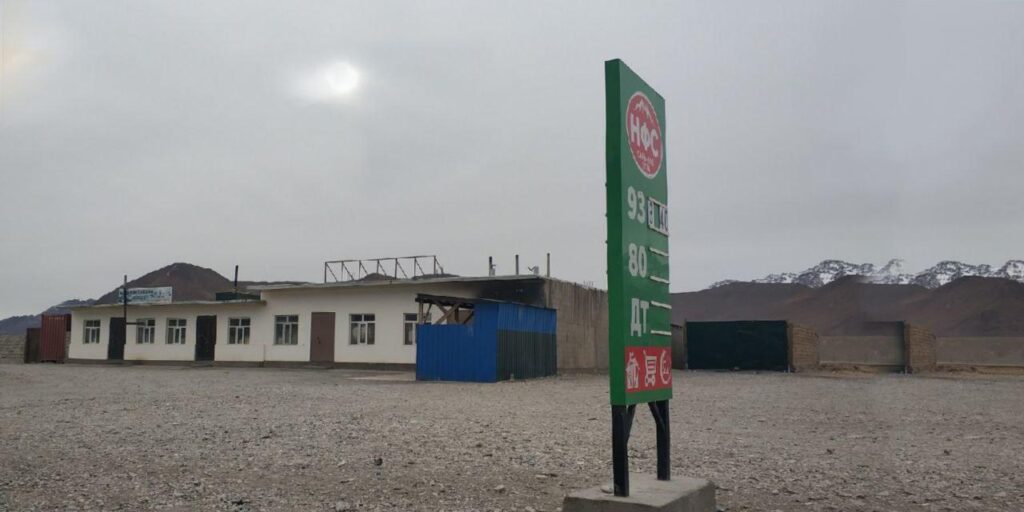
The heavy reliance on fuel imports from Russia is placing Central Asian countries in an increasingly precarious position. Disparities in pricing and exchange rates are driving a surge in illicit fuel resales, exacerbating supply challenges across the region. Gasoline and diesel prices continue to climb, and shortages are being felt widely. This dependence on Russian supplies is particularly concerning following U.S. President Donald Trump's ultimatum to Moscow: end the war in Ukraine within ten days or face 100% tariffs on countries trading oil and petroleum products with Russia. The tariffs could take effect as early as next week, placing Central Asian states in a hugely vulnerable position. Kazakhstan: Shortages and Shadow Exports In early July, motorists across Kazakhstan reported widespread shortages of AI-95 gasoline, particularly along the Karaganda-Balkhash and Astana-Pavlodar highways and in the country’s western regions. Some filling stations restricted purchases of AI-95 to 30 liters per vehicle, and AI-98 was only available via coupons. The Ministry of Energy attributed the shortages to increased tourist and transit traffic. Price caps on gasoline were lifted in January 2025, after which they began to steadily rise. According to the Ministry of Energy, fuel in Kazakhstan remains significantly cheaper than in other Eurasian Economic Union (EAEU) member states, prompting the government to gradually align prices with the regional market. Forecasts suggest gasoline prices could rise by up to 50%, further fueling inflation and impacting all sectors of the economy. The government argues that maintaining artificially low fuel prices would require substantial budget subsidies. The resulting price differentials have made illegal fuel exports more profitable, aggravating domestic shortages. To combat speculation, Kazakhstan imposed a ban in January on exporting gasoline and diesel by road and rail. Despite the country’s ongoing efforts to expand domestic production, Kazakhstan is expected to import substantial volumes from Russia in 2025: 285,000 tons of motor gasoline, 300,000 tons of jet fuel, 450,000 tons of diesel, and 500,000 tons of bitumen. Experts caution that significant increases in domestic output may not materialize until 2030. Russia’s decision on July 28 to tighten its gasoline export ban to include large producers is further complicating the situation. The embargo, introduced amid record-high exchange prices, is expected to last through August. Nevertheless, Energy Minister Erlan Akkenzhenov insists the Russian export restrictions will not affect Kazakhstan, citing a standing intergovernmental agreement that exempts the country from such measures. The Rise of Grey Market Schemes Despite official reassurances, fuel prices continue to rise. Energy expert Olzhas Baidildinov warns of a growing shadow market, driven in part by the weakening of the Kazakh tenge against the Russian ruble. With the exchange rate at 6.6 tenge per ruble, the economic incentive for illicit exports from Kazakhstan remains strong. Baidildinov predicts further shortages by the autumn if this trend continues. Kyrgyzstan: Growing Dependence Kyrgyzstan, which has faced repeated fuel shortages in recent years, has seen prices rise sharply. Over the past decade, the cost of AI-92 has climbed by 52%, AI-95 by 57%, and diesel, used in agriculture...

Potential Mass Expulsion of Migrants Looms in Russia

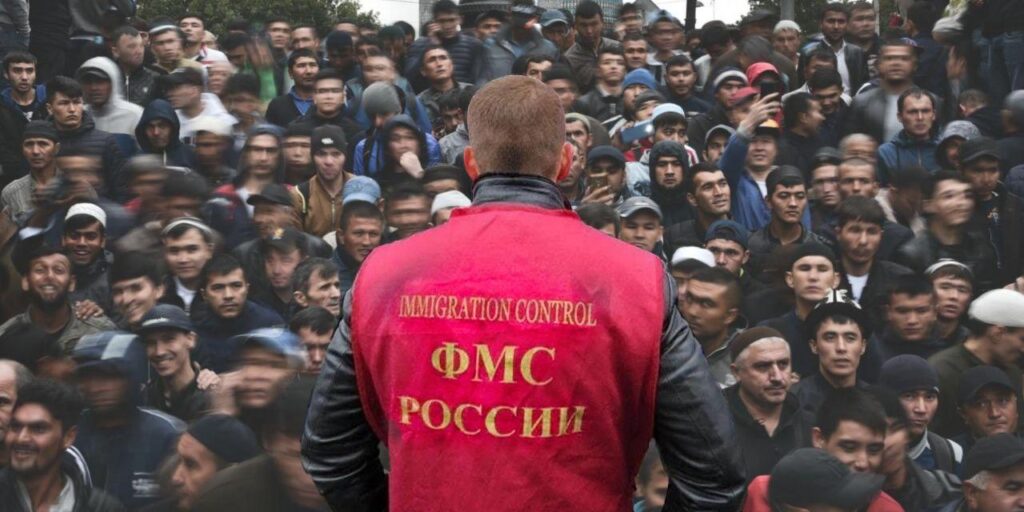
Russia introduced new regulations for foreign citizens in the country on February 5, and started keeping a list at the Interior Ministry of foreigners who are living or staying in Russia without proper documentation, the “controlled persons registry.” The rules are aimed at migrant laborers working in Russia, many of whom come from Central Asian countries. Russia has set a September 10 deadline for foreigners in the country to clear up all their paperwork with the authorities or face expulsion with a ban on re-entry. Judging by recent comments from Kyrgyzstan’s ambassador to Russia, Kubanychbek Bokontayev, many might not make that September 10 deadline. Needed but Not Desired Over the course of the last two decades, millions of citizens from Central Asian countries have worked in Russia. Most are from Kyrgyzstan, Tajikistan, and Uzbekistan. The remittances they send home have grown to the point where this money now accounts for nearly 40% of the GDP in Tajikistan, 24% in Kyrgyzstan, and 14% in Uzbekistan. Most of these remittances come from Russia. Russia badly needs the extra workers, and, until recently, the arrangement seemed to suit all parties. But the March 2024 terrorist attack on Moscow’s Crocus City Hall changed the situation. The Russian authorities detained and charged a group of Tajik nationals for the attack, and the always simmering xenophobia in Russia, particularly toward Central Asians, boiled over. New rules and restrictions have been imposed on migrant workers. Those that came into force in February this year were only the latest in a series of changes that already included mandatory fingerprinting and photographs upon entry to Russia, a reduction in the term of stay from 180 to 90 days, and an increasing list of infractions that provide grounds for deportation. In 2024, Russia expelled some 157,000 migrants who were in the country illegally, which, according to Russian Interior Minister Vladimir Kolokoltsev, was an increase of some 50% over 2023. The Clock Is Ticking At the start of February, just before the latest regulations came into effect, Russia’s Deputy Interior Minister Aleksandr Gorovoi said there were some 670,000 foreigners living illegally in Russia. Gorovoi added that more than half were women and children, “those who entered, but we do not see that they received a patent registered with the migration service… [or] that an employment agreement was concluded with them.” On July 24, Kyrgyz media outlet AKIpress published an interview with the Kyrgyz Ambassador to Russia, Bokontayev, in which he said that at the start of July, there were some 113,000 Kyrgyz citizens on the controlled persons registry, which he referred to as the “gray list.” He also said there were some 80,000 Kyrgyz citizens on the “black list” of people barred from entering Russia. In a separate interview with Radio Free Europe/Radio Liberty’s Kyrgyz Service published on July 25, Kyrgyzstan’s General Consul in Russia, Bakyt Asanaliyev, said that about 30% of the Kyrgyz citizens on the gray list are children. Ambassador Bokontayev said Kyrgyzstan’s embassy is working to make sure...