• KGS/USD = 0.01144 0%
  • KZT/USD = 0.00212 0%
  • TJS/USD = 0.10432 0%
  • UZS/USD = 0.00008 0%
  • TMT/USD = 0.28490 0%
  • KGS/USD = 0.01144 0%
  • KZT/USD = 0.00212 0%
  • TJS/USD = 0.10432 0%
  • UZS/USD = 0.00008 0%
  • TMT/USD = 0.28490 0%
  • KGS/USD = 0.01144 0%
  • KZT/USD = 0.00212 0%
  • TJS/USD = 0.10432 0%
  • UZS/USD = 0.00008 0%
  • TMT/USD = 0.28490 0%
  • KGS/USD = 0.01144 0%
  • KZT/USD = 0.00212 0%
  • TJS/USD = 0.10432 0%
  • UZS/USD = 0.00008 0%
  • TMT/USD = 0.28490 0%
  • KGS/USD = 0.01144 0%
  • KZT/USD = 0.00212 0%
  • TJS/USD = 0.10432 0%
  • UZS/USD = 0.00008 0%
  • TMT/USD = 0.28490 0%
  • KGS/USD = 0.01144 0%
  • KZT/USD = 0.00212 0%
  • TJS/USD = 0.10432 0%
  • UZS/USD = 0.00008 0%
  • TMT/USD = 0.28490 0%
  • KGS/USD = 0.01144 0%
  • KZT/USD = 0.00212 0%
  • TJS/USD = 0.10432 0%
  • UZS/USD = 0.00008 0%
  • TMT/USD = 0.28490 0%
  • KGS/USD = 0.01144 0%
  • KZT/USD = 0.00212 0%
  • TJS/USD = 0.10432 0%
  • UZS/USD = 0.00008 0%
  • TMT/USD = 0.28490 0%

Viewing results 43 - 48 of 695

Tajikistan Approves Use of Central Bank Reserves to Fund Rogun Hydropower Plant

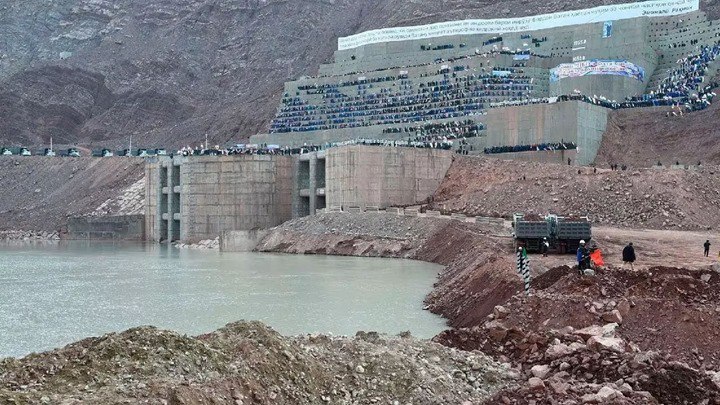
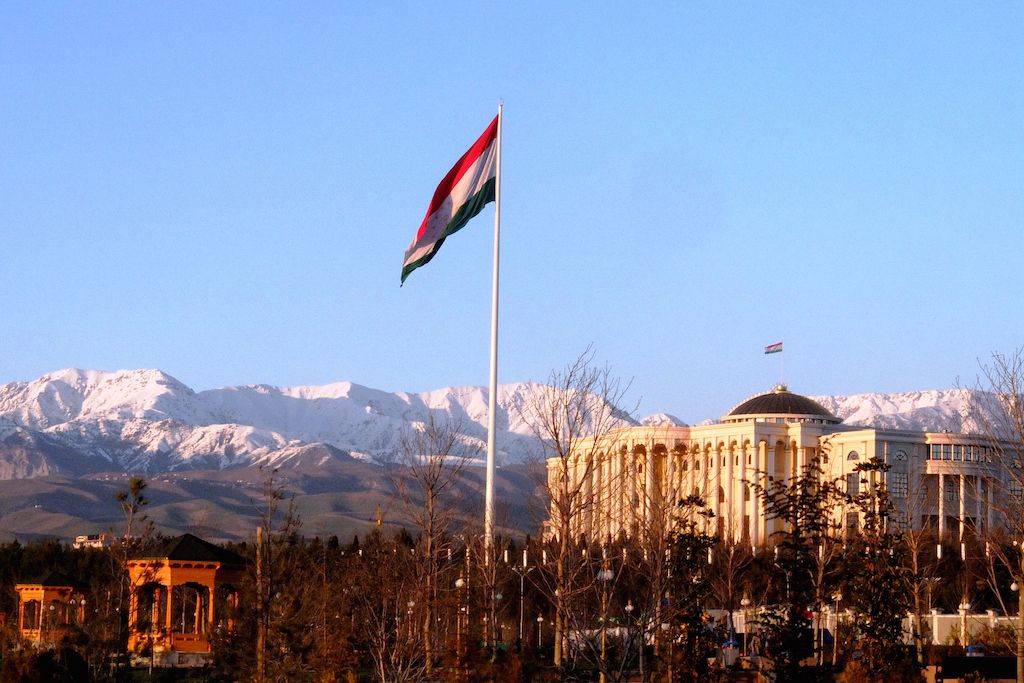
Tajikistan’s lower house of parliament on January 22 approved a draft law allowing funds from the reserve fund of the National Bank of Tajikistan to be used to finance construction of the Rogun Hydropower Plant, a project viewed as central to the country’s long-term energy strategy. The decision was reported by Sadoi Mardum, the official newspaper of the lower chamber. According to the publication, the bill was introduced at the initiative of President Emomali Rahmon. Speaking before lawmakers, Finance Minister Faiziddin Qahhorzoda said the legislation creates a legal mechanism for channeling reserve fund resources through the state budget toward completion of Rogun, which authorities describe as a strategically important facility. Qahhorzoda explained that the law provides for the transfer of 916 million Tajik somoni (approximately $100 million), representing the remaining balance of the National Bank’s reserve fund generated from its financial performance in 2024. He told deputies that the measure is intended to help Tajikistan achieve energy independence by 2027 and reduce reliance on external loans and grants. The minister also pointed to broader budgetary support for the energy sector. Under the state budget for 2026, around 15 billion somoni (more than $1.6 billion) has been allocated for fuel and energy projects, with the majority of those funds earmarked for completion of the Rogun dam. The parliamentary decision follows earlier reports highlighting financial oversight challenges surrounding the hydropower project. As previously reported by The Times of Central Asia, an independent audit of Rogun’s 2024 financial statements identified serious concerns related to financial reporting and internal controls. The audit was conducted by Baker Tilly Tajikistan, a member of the international Baker Tilly network, and resulted in a qualified opinion. Auditors said they were unable to fully confirm the accuracy of the company’s accounts and cited several material issues, including a possible understatement of share capital. They also noted that they did not participate in scheduled inventories of cash, fixed assets, or other holdings as of December 31, 2024, limiting their ability to verify parts of the company’s assets.
Analysis: Three Decades of Parliamentary Reform in Central Asia — and What Changed

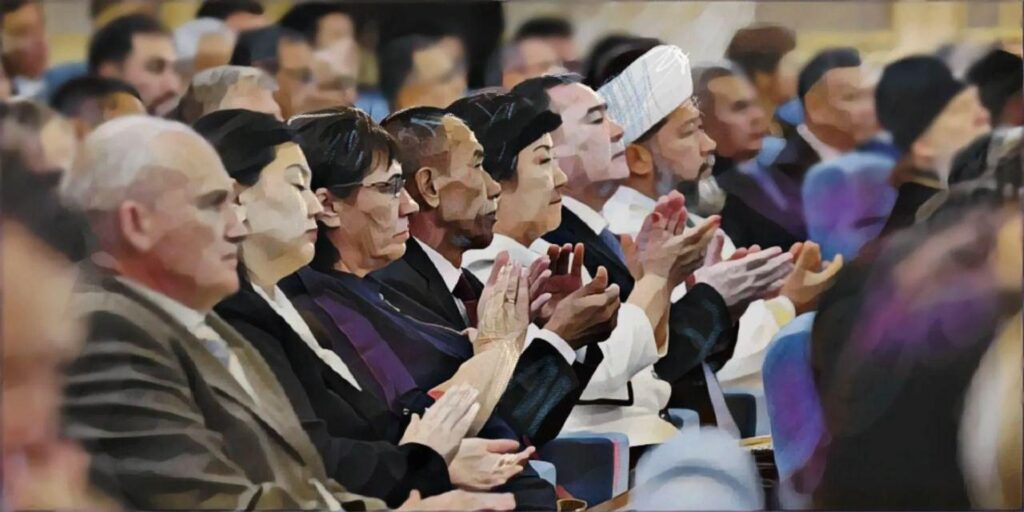
Kazakhstan’s President Kassym-Jomart Tokayev announced his reform plans on January 20, including structural changes to the government. Arguably, one of the least consequential of those changes is replacing the current bicameral parliament with a unicameral parliament. Across Central Asia, over the last 35 years, parliaments have repeatedly switched from unicameral to bicameral parliaments, or vice versa, the number of deputies has increased and decreased, and in some cases, parallel bodies have come into existence and later disappeared. Kazakhstan When the Soviet Union collapsed in late 1991, each of the former republics, including the Central Asian countries of Kazakhstan, Kyrgyzstan, Tajikistan, Turkmenistan, and Uzbekistan, had a unicameral, republican Supreme Soviet elected in 1990. These Supreme Soviets continued functioning after independence until 1994, and in the case of Kyrgyzstan and Tajikistan, until 1995. In Kazakhstan, in December 1993, the majority of the 360 deputies in the Supreme Soviet voted to dissolve the body. In March 1994, there were elections to the new parliament (Supreme Kenges) that had 177 seats. During the tumultuous year of 1995, the parliament was dissolved by then-President Nursultan Nazarbayev, who ruled by decree until snap parliamentary elections in December of that year. However, on August 29, 1995, voters approved a new constitution in a national referendum. That constitution created a bicameral parliament with 67 deputies in the Mazhilis, the lower house, and 50 deputies in the Senate, 10 of them directly appointed by the president. Deputies to the Mazhilis were chosen in popular elections. Senators were chosen in indirect elections involving deputies from local, provincial, and municipal councils of large cities. In the snap parliamentary elections of October 1999, 10 seats were added and chosen by party lists, while the original 67 continued to be contested in single-mandate districts. That structure lasted until 2007. Constitutional amendments adopted in late May that year increased the number of seats in the Mazhilis to 107, of which 98 were to be chosen by party lists. Nazarbayev’s Nur-Otan party won all 98 of the party list seats in the August elections. The remaining nine representatives came from the Assembly of Peoples of Kazakhstan, a group representing the various ethnic groups in Kazakhstan that Nazarbayev created in 1995. Eight additional members of the Assembly were given seats in the Senate. The Assembly held its own elections to fill those seats. Kazakhstan conducted a constitutional referendum in June 2022, in part aimed at mollifying discontent that lingered from the mass unrest in early January that year, which left 238 people dead. Some amendments stripped away powers in the executive branch that had accumulated during the 28 years Nazarbayev was president, and more power was given to parliament. Another amendment removed the nine Mazhilis seats reserved for members of the Assembly of Peoples of Kazakhstan. One amendment reduced the number of Senate members appointed by the president back to 10, after it had been raised to 15 under a 2007 amendment. Kyrgyzstan A referendum in Kyrgyzstan on constitutional amendments in October 1994 created a bicameral...

Tajikistan Reports Strong 8.4% Economic Growth in 2025

Tajikistan’s economy grew by 8.4% in 2025, according to official data released by the country’s statistical authorities, marking one of the strongest growth rates in Central Asia last year. President Emomali Rahmon announced the figure during a year-end address to parliament, saying gross domestic product reached approximately 173 billion somoni, or about $18.8 billion. Official data shows growth was driven primarily by industry, construction, agriculture, and services. The Statistical Agency under the President of Tajikistan reported that industrial production increased by more than 20% year-on-year, supported by mining, metallurgy, cement production, and food processing. Construction activity also expanded, reflecting continued state investment in roads, housing, and energy infrastructure. Authorities highlighted ongoing work on the Rogun hydropower project as a central pillar of economic policy. The dam is expected to secure the domestic electricity supply and boost exports once fully operational, particularly to neighboring markets. Remittances remained a key contributor to economic growth in 2025. Transfers from Tajik migrant workers, most of whom are employed in Russia, rose during the year, supporting household consumption and helping offset external economic pressures. According to the World Bank, remittances have accounted for a very large share of Tajikistan’s GDP, with personal remittances near 48% of GDP in recent years, leaving the economy highly exposed to labor market conditions abroad. Foreign trade turnover also increased. Exports of electricity, metals, and agricultural products rose, while imports of machinery, fuel, and construction materials expanded alongside investment activity. Regional media reported that China, Russia, and neighboring Central Asian states remained Tajikistan’s main trading partners in 2025. Despite the strong headline growth, international financial institutions have continued to flag structural weaknesses. The International Monetary Fund has warned that sustaining high growth will require reforms to improve governance, strengthen the banking sector, and expand the role of the private sector in the economy. Analysts also note that rapid growth partly reflects a low statistical base and heavy reliance on state-led investment. Job creation in higher-value sectors remains limited, contributing to continued labor migration and leaving the economy vulnerable to external shocks. The government has set similarly ambitious targets for 2026, with officials emphasizing industrialization, infrastructure development, and energy exports. Whether Tajikistan can maintain its pace of growth while addressing long-standing structural constraints will remain a key test for the country’s economic trajectory in the coming years.

Central Asia Launches Regional Electricity Market with World Bank Support

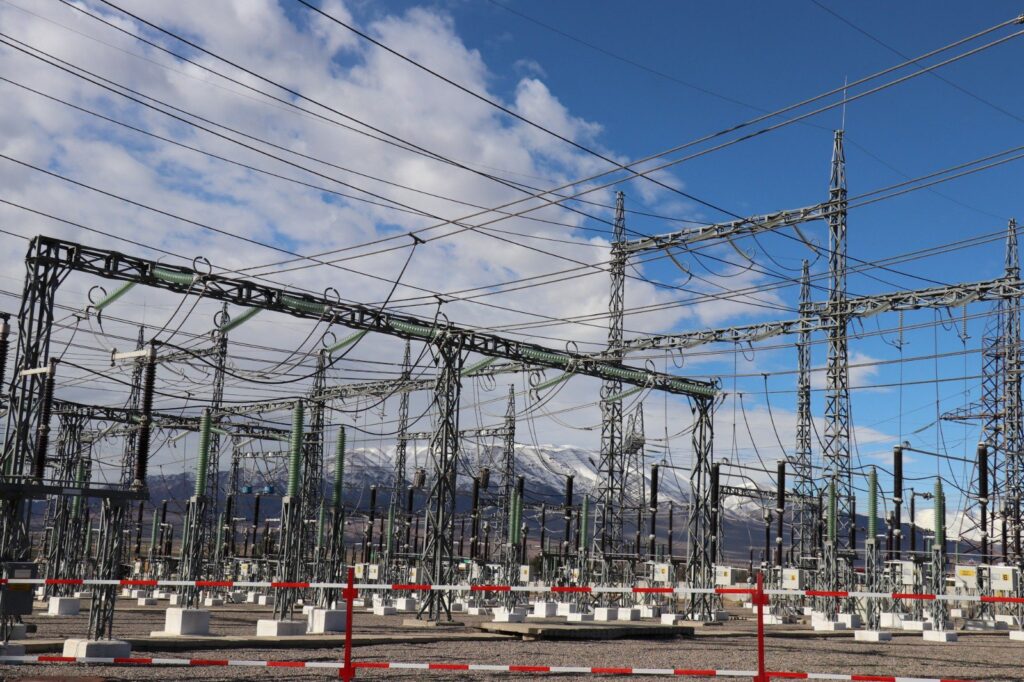
On January 22, the World Bank’s Board of Executive Directors approved the 10-year Regional Electricity Market Interconnectivity and Trade (REMIT) Program, an ambitious initiative to establish Central Asia’s first regional electricity market. The program aims to boost cross-border electricity trade, expand transmission capacity, and lay the foundation for large-scale renewable energy integration across the region. Electricity demand in Central Asia is projected to triple by 2050 under a business-as-usual scenario. Yet electricity trade in the region currently accounts for only 3% of total demand. The REMIT Program seeks to harness Central Asia’s diverse and complementary energy resources: hydropower in Kyrgyzstan and Tajikistan, thermal power from coal and natural gas in Kazakhstan, Turkmenistan, and Uzbekistan, and the region’s rapidly expanding solar and wind potential. Over the next decade, REMIT aims to: Increase regional electricity trade to at least 15,000 GWh annually, enough to supply millions of consumers Triple regional transmission capacity to 16 GW Enable up to 9 GW of clean energy integration The initiative is designed to enhance regional energy security, reduce power outages, lower electricity costs, and promote a more resilient and interconnected grid system. Total indicative financing for the program is $1.018 billion, to be deployed in three phases. These funds will support the creation and operation of a regional energy market, boost transmission infrastructure, introduce digital technologies to improve grid reliability, and strengthen regional energy institutions and coordination mechanisms. Investments are also expected to generate both construction-related employment and high-skilled jobs tied to market operations. In the program’s first phase, Kyrgyzstan, Tajikistan, Uzbekistan, and the Central Asian Countries’ Coordinating Dispatch Center (CDC) Energia will benefit from grants and concessional financing totaling $143.2 million. This comprises $140 million from the World Bank’s International Development Association (IDA) and $3.2 million from the Central Asia Water and Energy Program (CAWEP). “The REMIT Program supports Central Asian countries’ ambition to deepen energy cooperation and create a regional electricity market,” said Najy Benhassine, World Bank Regional Director for Central Asia. “This will enable more efficient use of energy resources, including cross-border deployment of clean energy, improve access to reliable and affordable electricity, and support jobs. By 2050, stronger regional connectivity could generate up to $15 billion in economic benefits.” Charles Cormier, World Bank Regional Infrastructure Director for Europe and Central Asia, added that REMIT will advance energy security and unlock private sector investment. “The first phase alone is expected to enable about 900 MW of new clean energy capacity, leveraging $700 million in private investment. This will pave the way for a more resilient and interconnected power system across this dynamic region,” he said. CDC Energia will lead the implementation of market and institutional activities, while national transmission companies will be responsible for infrastructure investments.

Finland’s President Stubb Warns Russia’s Imperial Thinking Poses Risks for Central Asia

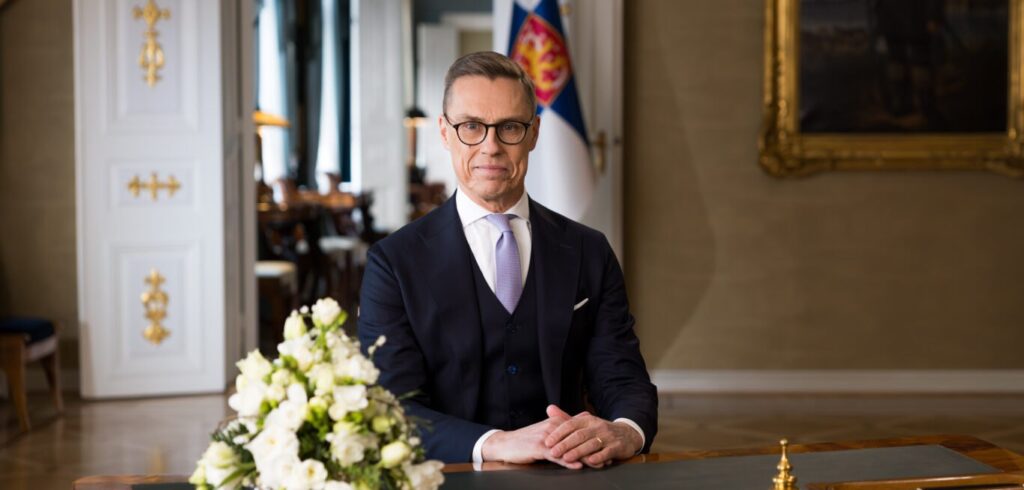
Russia’s imperial worldview may pose a greater long-term risk to Central Asia and the South Caucasus than to NATO member states, Finnish President Alexander Stubb said in an interview with The Washington Post, highlighting concerns that continue to resonate across the post-Soviet space. Speaking with columnist David Ignatius, Stubb referenced Finland’s long and complex history with its eastern neighbor, noting that expansionist thinking remains deeply rooted in Russian political culture. “I think the DNA of Russia is still expansion and imperialism,” he said, arguing that President Vladimir Putin views the collapse of the Soviet Union as a historical injustice. While much of the Western debate centers on potential threats to NATO countries such as the Baltic states, Finland, or Poland, Stubb suggested that more vulnerable regions lie elsewhere. “I think the more worrying aspect for others is the Central Asian countries, the Southern Caucasus and others,” he said, pointing to what he described as a top-down political system driven by the ideology of Russkiy mir, or the “Russian world.” Stubb also spoke about his personal interactions with Russian officials, including Putin and Foreign Minister Sergei Lavrov, stressing that meaningful political dialogue remains unlikely while the war in Ukraine continues. As previously reported by The Times of Central Asia, Russian television host Vladimir Solovyov sparked backlash after suggesting that Moscow could conduct “special military operations” in Central Asia and Armenia. The remarks were widely condemned by Uzbek scholars, journalists, and analysts as destabilizing and provocative. More recently, Russian ultranationalist Alexander Dugin, often described as an ideologue of the “Russian world”, publicly questioned the sovereignty of several former Soviet republics, including Uzbekistan, Kazakhstan, Tajikistan, and Kyrgyzstan. A video of his comments circulated widely online, drawing sharp criticism across the region. Russia’s Foreign Ministry later sought to distance the Kremlin from such statements. Spokesperson Maria Zakharova stated that Solovyov’s remarks did not reflect official policy and reaffirmed that Moscow’s relationships with Central Asian countries are based on partnership and respect for sovereignty.

Tajikistan Is Drowning in Plastic: Inside a Waste System Under Strain

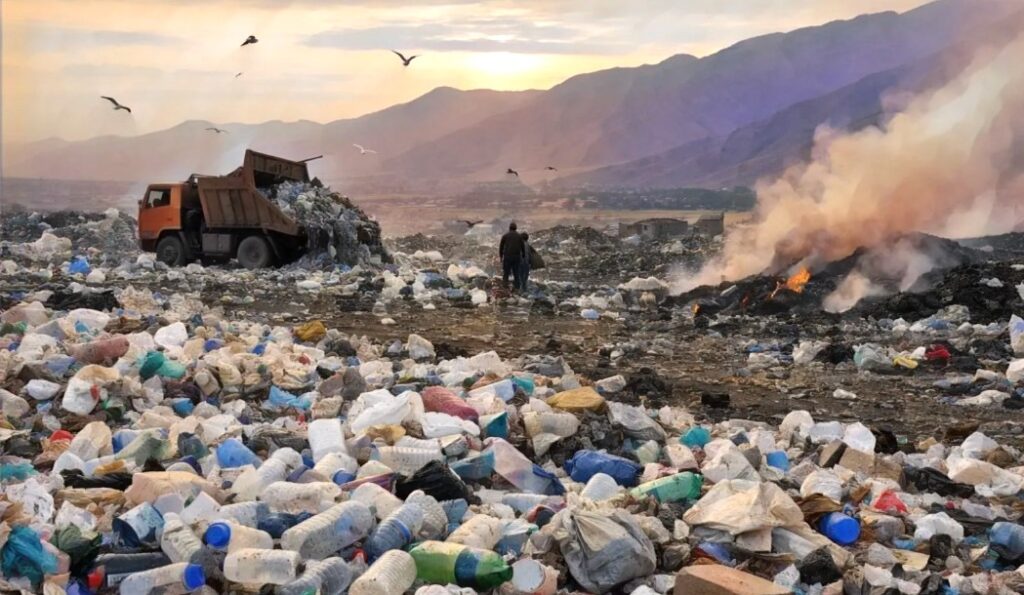
According to domestic sector-specific sources, more than nine million tonnes of municipal solid waste (MSW) are generated annually in Tajikistan, of which around 322,000 tonnes is plastic. The key feature of plastic waste is its extreme resistance to decomposition; it can persist in natural environments for decades or even centuries, accumulating in soil and water bodies. However, estimates of total waste generation vary widely depending on the source, with international organizations offering more conservative figures. The United Nations Environment Programme (UNEP), for instance, reports approximately two million tonnes of formally collected municipal waste generated annually in Tajikistan. This discrepancy is likely due to differing accounting methodologies. National statistics typically include waste from unauthorized dumps and the informal sector, while international estimates often rely on formally collected and officially documented waste. Still, even the most conservative figures highlight the significant environmental burden posed by Tajikistan’s waste-management system. Tajikistan’s Position in International Waste Rankings Waste accumulation and limited recycling capacity are reflected in global assessments. According to domestic reporting citing the 2024 Mismanaged Waste Index (MWI), 87.1% of Tajikistan’s waste is either not collected through organized systems or is disposed of in violation of environmental standards. This would place the country among those with the most vulnerable waste-management systems. In practice, this means waste is often dumped at unauthorized sites, openly burned, or dispersed into the environment. These practices place pressure on soil, water resources, and air quality, while also posing long-term risks to public health. This crisis is unfolding amid a global plastic-waste emergency. Even in countries with advanced recycling systems, the proportion of recycled plastic remains low. UNEP estimates that only around 9% of all plastic ever produced has been recycled; the rest remains in the environment. Regional Disparities: Cities vs. Rural Areas Tajikistan’s domestic statistics divide the country into three groups based on waste generation. The “Mega” group includes the largest cities and adjacent areas (e.g., Dushanbe, Khujand), home to roughly 4.2 million people. Average daily waste generation here is 1.013 kg per person, resulting in up to an estimated 148,000 tonnes of plastic waste annually. The “Medium” group comprises 10 mid-sized cities (e.g., Bokhtar, Kulob, Kanibadam), with a combined population of 1.99 million. Daily per capita waste generation in this group averages 0.902 kg, leading to an estimated 62,000 tonnes of plastic annually. In rural areas and smaller districts, with over 4 million residents, waste generation averages 0.79 kg per person per day. While the plastic share here is less precise, these regions still generate an estimated 100,000 tonnes of plastic waste per year. It is in these smaller settlements that waste-management infrastructure is most deficient. While cities have basic municipal services and landfills, many rural areas lack even waste-collection containers. As a result, waste is often dumped in ravines, rivers, or burned in backyards, meaning much of it goes unrecorded in official statistics and may significantly exceed documented levels. Where the Plastic Goes: Disposal, Loss, and Recycling Most plastic waste in Tajikistan is either buried or left in...