• KGS/USD = 0.01144 0%
  • KZT/USD = 0.00217 0%
  • TJS/USD = 0.10456 0%
  • UZS/USD = 0.00008 0%
  • TMT/USD = 0.28571 0%
  • KGS/USD = 0.01144 0%
  • KZT/USD = 0.00217 0%
  • TJS/USD = 0.10456 0%
  • UZS/USD = 0.00008 0%
  • TMT/USD = 0.28571 0%
  • KGS/USD = 0.01144 0%
  • KZT/USD = 0.00217 0%
  • TJS/USD = 0.10456 0%
  • UZS/USD = 0.00008 0%
  • TMT/USD = 0.28571 0%
  • KGS/USD = 0.01144 0%
  • KZT/USD = 0.00217 0%
  • TJS/USD = 0.10456 0%
  • UZS/USD = 0.00008 0%
  • TMT/USD = 0.28571 0%
  • KGS/USD = 0.01144 0%
  • KZT/USD = 0.00217 0%
  • TJS/USD = 0.10456 0%
  • UZS/USD = 0.00008 0%
  • TMT/USD = 0.28571 0%
  • KGS/USD = 0.01144 0%
  • KZT/USD = 0.00217 0%
  • TJS/USD = 0.10456 0%
  • UZS/USD = 0.00008 0%
  • TMT/USD = 0.28571 0%
  • KGS/USD = 0.01144 0%
  • KZT/USD = 0.00217 0%
  • TJS/USD = 0.10456 0%
  • UZS/USD = 0.00008 0%
  • TMT/USD = 0.28571 0%
  • KGS/USD = 0.01144 0%
  • KZT/USD = 0.00217 0%
  • TJS/USD = 0.10456 0%
  • UZS/USD = 0.00008 0%
  • TMT/USD = 0.28571 0%

Viewing results 199 - 204 of 509

Tajik Entrepreneurs Return to Kyrgyz Markets

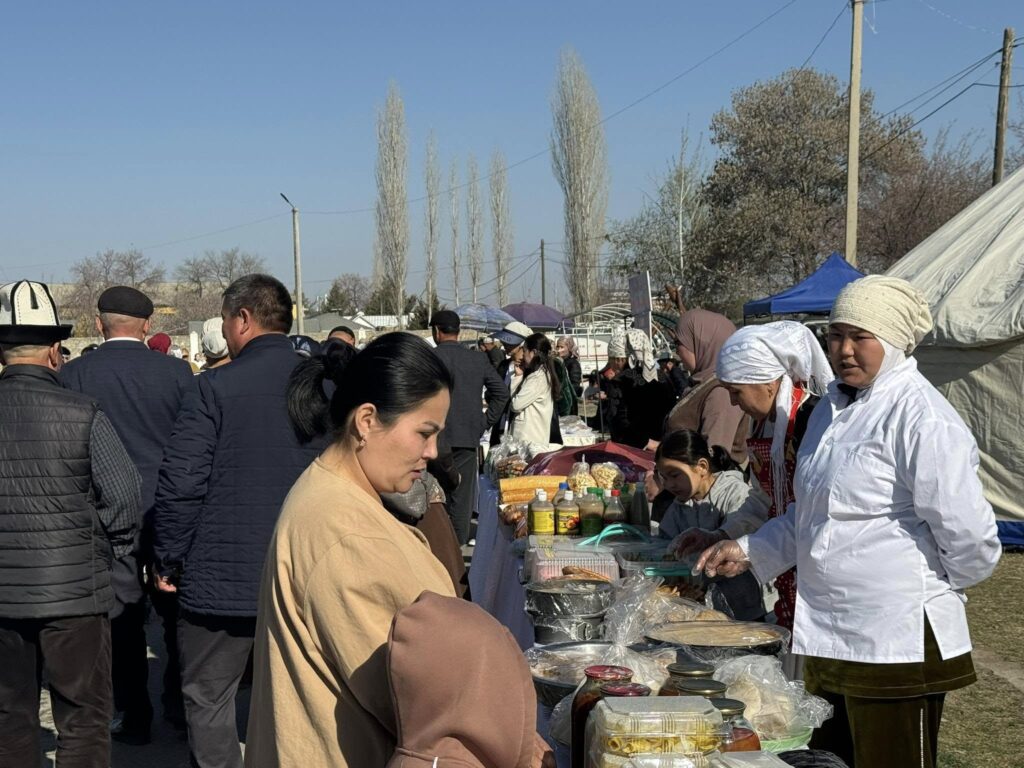
Following the reopening of the Kyrgyz-Tajik border, Tajik entrepreneurs have resumed visits to markets in Batken Oblast, Kyrgyzstan. Local media report that residents are welcoming the return of their southern neighbors​. Once a week, the market in Ak-Turpak village becomes a hub of activity, drawing sellers and buyers from across the region and neighboring countries. A major draw is Batken rice, which resellers purchase in bulk for export to Uzbekistan and Russia. According to local vendors, the market can sell up to 200 tons of rice on a busy day. Rice is cultivated across 3,000 hectares in this border region and remains a vital source of income for many farmers. With the border now open and economic ties restored, buyers from Isfara, Tajikistan, have begun frequenting the Ak-Turpak market, offering a welcome boost to Kyrgyz vendors. As previously reported by The Times of Central Asia, residents of Batken’s border districts also benefit from cross-border trade, often finding it more economical to purchase certain fruits and vegetables in Tajikistan than in Kyrgyzstan’s oblast centers. On March 13, 2025, following the signing of bilateral agreements, the Kairagach and Kyzyl-Bel border checkpoints in Batken Oblast officially reopened. According to Kyrgyzstan’s Border Guard Service, approximately 5,000 people crossed the Kyrgyz-Tajik border between March 13 and 17. An additional 500 individuals crossed by air. Prior to the agreement, all crossings had remained closed since 2021.

Power Shifts in Central Asia: The Unpredictable Path of Leadership

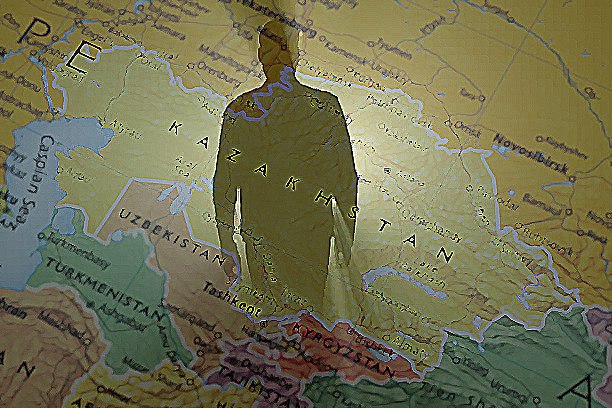
European Union Commissioner for International Partnerships Josef Sikela has concluded his tour of Central Asia, a visit conducted against the backdrop of global geopolitical turbulence. Unlike previous engagements, where European officials often criticized the region’s leadership for a lack of democratic progress, Sikela refrained from making demands on local governments. Historically, Europe has accused Central Asian states of authoritarianism and the entrenchment of long-serving leaders. However, the idea that power is uniquely permanent in the region is increasingly questioned. Critics point to Western examples, such as Angela Merkel’s 16-year tenure as Germany’s chancellor, and alleged electoral manipulation within the EU, such as in Romania, where elections were annulled after an undesired candidate’s victory. Meanwhile, in Central Asia, even presidents once considered “eternal” have eventually left office, sometimes peacefully, sometimes under turbulent conditions. Kyrgyzstan: The Unpredictable Outlier Kyrgyzstan is often described as a "democratic exception" within Central Asia, yet its history is marked by political instability and frequent leadership changes, arguably more so than in many of the world’s most conflict-prone regions. The country’s first president, Askar Akayev, held power from 1990 to 2005. Though re-elected three times, his rule ended in March 2005 when protests erupted over parliamentary election results that heavily favored pro-government candidates. Demonstrators stormed the Government House in Bishkek, prompting Akayev to flee. Reports, though unverified, claimed he was smuggled out wrapped in a carpet. Following Akayev’s ouster, Kurmanbek Bakiyev took power, but his rule ended in 2010 after violent unrest. His downfall was allegedly facilitated by Kazakhstan’s intelligence services, and he later found political asylum in Belarus under President Alexander Lukashenko. Since Bakiyev’s departure, Kyrgyzstan has continued to experience political turbulence. Presidents Almazbek Atambayev (2010-2017) and Sooronbai Jeenbekov (2017-2020) both left office under pressure. Atambayev’s tenure saw a diplomatic fallout with Kazakhstan, while Jeenbekov resigned in 2020 amid protests over parliamentary elections. His successor, Sadyr Japarov, remains in office, but whether he will complete his term is an open question. Uzbekistan: Reform Within Limits Islam Karimov, Uzbekistan’s first post-Soviet leader, ruled for over 26 years before his death in 2016. While he maintained a strictly centralized government, his tenure was also marked by violent crackdowns, most notably the Andijan uprising in 2005, which resulted in a Western diplomatic fallout​. His successor, Shavkat Mirziyoyev, has introduced some reforms, loosening restrictions on civil liberties and the economy. However, the fundamental structure of state control remains intact, with opposition movements still tightly monitored. Kazakhstan: From Nazarbayev to Tokayev Kazakhstan’s transition from Nursultan Nazarbayev to Kassym-Jomart Tokayev is often described as managed succession rather than a genuine power shift. Nazarbayev, who led Kazakhstan for nearly three decades, officially stepped down in 2019, yet retained significant influence until the January 2022 unrest, which forced him to relinquish much of his remaining power. These protests, initially sparked by fuel price hikes, rapidly escalated into anti-government riots. While official accounts describe the unrest as an attempted coup orchestrated by figures within Nazarbayev’s inner circle, critics suggest Tokayev used the crisis to consolidate power....

Tajikistan to Modernize Energy, Cotton, and Education Sectors with EU Grants

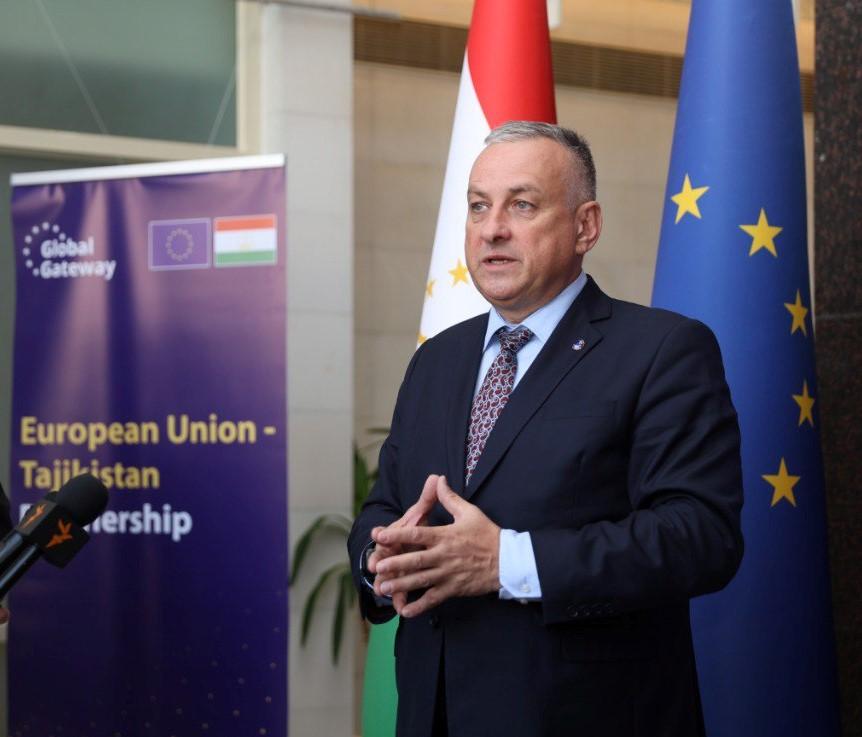
On March 14, European Commissioner for International Partnerships Jozef Síkela arrived in Tajikistan. He met with President Emomali Rahmon to reaffirm the European Union’s commitment to the country through the EU’s Global Gateway initiative​. During their meeting, Síkela and Rahmon discussed the state and future of EU-Tajikistan relations, as well as pressing regional issues. Their talks focused on expanding economic and trade ties, attracting investments in industry and agriculture, and securing funding for hydropower projects. Rahmon emphasized Tajikistan’s commitment to green technologies and its goal of generating 100% of its electricity from renewable sources under the Strategy for the Development of the Green Economy until 2037​. EU’s New Funding for Tajikistan During his visit, Síkela announced several new EU funding initiatives aimed at strengthening Tajikistan’s sustainable development. According to the EU Delegation to Tajikistan, two key agreements were signed with Team Europe partners to drive sustainability efforts in the country: A €20 million investment grant with the European Bank for Reconstruction and Development (EBRD) to modernize Tajikistan’s electricity grid, reduce energy losses, and prepare for future renewable energy investments. This aligns with the EU’s broader goal of enhancing energy security and supporting the green transition in Central Asia. A €20 million grant with Deutsche Gesellschaft für Internationale Zusammenarbeit (GIZ), the German Agency for International Cooperation, to promote sustainability in Tajikistan’s cotton sector. The initiative will support certified sustainable cotton production, improve processing for high-quality exports, and create new opportunities for the domestic private sector. Additionally, the EU announced a €10 million disbursement as part of a larger €30 million budget support program. This funding will help implement the National Strategy for Education Development 2030 and the Programme for Professional Training of Citizens 2021-2025, improving the quality and relevance of both general secondary education and vocational training​. As part of his visit, Síkela toured the Rogun Hydropower Plant, a crucial project for Tajikistan’s energy infrastructure. “With its Global Gateway strategy, the EU is investing in Tajikistan’s future by supporting critical infrastructure upgrades, expanding renewable energy capacity, and modernizing key industries such as cotton production,” Síkela stated. “These investments will reduce energy losses, create jobs, and open new export markets”​.

EBRD and ADB Finance Upgrade of Key Road in Tajikistan

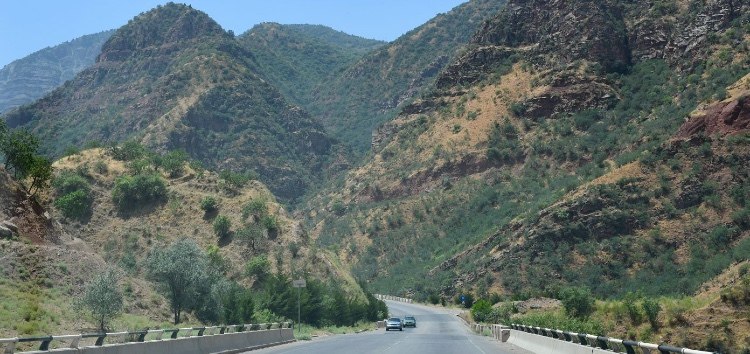
The European Bank for Reconstruction and Development (EBRD) has announced a loan to finance the upgrade and expansion of the Dangara-Guliston road in Tajikistan​. Built in the 1930s as part of a major international highway, this road serves as a crucial link between the north and south of the Khatlon region, an area that produces more than 53% of Tajikistan’s agricultural output and is home to 35% of the country’s population. Financing and Project Scope The EBRD’s sovereign loan of up to €38 million will help finance improvements to a 49-kilometer section of the road, including the construction of charging infrastructure for electric vehicles. The Asian Development Bank (ADB) will provide $86.7 million (€83.5 million) in grant financing to support the project. The upgrades will convert the existing single-lane road into a dual-lane highway, significantly improving transportation efficiency and reducing cargo delivery times across the Khatlon region and beyond. Additionally, the upgraded road will feature: Improved lighting Cycle paths Pavements for pedestrians Electric Mobility and Sustainability This will be one of the first roads in Tajikistan equipped with charging stations for electric vehicles (EVs), encouraging wider EV adoption in the country. The EBRD will also provide a technical cooperation grant to develop a national electric mobility action plan, aimed at stimulating public and private investment in sustainable transportation infrastructure across Tajikistan. EBRD's Broader Investment in Tajikistan To date, the EBRD has invested over €1 billion in Tajikistan through 183 projects, supporting key sectors such as infrastructure, energy, and private enterprise development.

Opinion: How Central Asia Has Strengthened Ties with the West Since 2022

The Russian invasion of Ukraine has changed the relationship between Russia and Central Asia. Russia’s decision to invade a neighboring country, and the devastation and destruction that followed, has forced Central Asia to reconsider its relationship with the Russian Federation.  Russia is no longer seen as an “invincible superpower,” meaning it cannot be relied on to protect other members of the CSTO (Collective Security Treaty Organization). In addition, the U.S. and European countries have levied heavy sanctions on Russia for its invasion of Ukraine. Russia has attempted to evade these sanctions by conducting business with third parties, but the international community has warned several organizations and countries not to partake in these relations. Otherwise, should these businesses and countries opt to help Russia, then the international community has said that it will impose stiff penalties on these Russian intermediaries as well. Given these events, the Central Asian states have now been actively pursuing new relationships beyond Russia to bolster national, economic, and energy security within the region. During this process, China has attempted to assert itself as Central Asia’s new ally. Like Russia, China already has a significant trade relationship with Central Asia. In addition, China is Central Asia’s largest gas consumer, meaning the Chinese have attempted to force Central Asia into an economic and energy partnership. Despite this relationship, the countries of Central Asia have opted not to increase their reliance on China. Instead, recent developments have led them to improve their relations with the United States, the United Kingdom, and the European Union. But how has the West strengthened its relationship with Central Asia since 2022? Take, for example, the United States. When Russia’s invasion began in February 2022, the then U.S. Secretary of State Antony Blinken met with foreign ministers from Kazakhstan, Kyrgyzstan, Tajikistan, and Uzbekistan to discuss the war. During their meeting, Secretary Blinken stated that the United States supports Central Asia’s “sovereignty, independence, and territorial integrity.” He also said that the United States will continue to strengthen its relationship with the region. Since this meeting, Blinken has met with foreign ministers from Central Asia on several occasions in 2023 and 2024, where they further discussed how Central Asia can “develop the strongest possible capacities for their own security, their growing economic prosperity, and the strength and resilience of their societies.” Furthermore, U.S. President Joe Biden met with senior officials from Central Asia. During his meeting with his Central Asian counterparts in September 2023, Biden said that the United States would help “invest in and develop Central Asia’s energy infrastructure.” The United States also established a new business initiative with Central Asia, where the United States has provided hundreds of millions of dollars in assistance to the region. Then, during the United States-Central Asia Trade Investment Framework Council in June 2024, the United States and the Central Asian states discussed new investment opportunities and how they could diversify trade. These discussions were well received, and the United States called for future engagements between it and Central...

Tajik Women Unite to Urge Rahmon to Grant Leniency for Journalist Rukhshona Khakimova

A group of 130 women in Tajikistan have appealed to President Emomali Rahmon, requesting leniency for journalist Rukhshona Khakimova, who was sentenced to eight years in prison. A Plea for Mercy In their appeal, the women expressed deep concern over the fate of Khakimova’s two young daughters, one of whom is an infant still in need of breastfeeding. “This verdict has shaken us to the core, but most of all, it has shattered the lives of her two tiny daughters, Shakhnura and Shukrona, who overnight lost the most precious thing a child has, a mother's love, warmth, and care. Ten-month-old Shukrona was deprived not only of her mother’s hands but also of her mother’s milk, which is not just nourishment but the very essence of the mother-child bond. We cannot imagine the pain of these children, who cannot yet speak but already feel the cruel emptiness that nothing and no one can fill,” the letter reads. The signatories emphasized that they were not calling for the sentence to be overturned but rather for clemency. They urged the government to apply legal mechanisms that would allow Khakimova to serve an alternative sentence while remaining with her children. “We believe there are lawful ways to take her motherhood into account and ensure that two young children are not left without maternal care,” the appeal stated. A Controversial Conviction Khakimova was charged with high treason under Article 305 of Tajikistan’s Criminal Code, with the case initiated by the General Prosecutor’s Office in June 2024. According to sources familiar with the investigation, her prosecution is linked to a survey on China’s influence in Tajikistan. She was sentenced on February 5 during a closed trial at the Dushanbe detention center, alongside other defendants in the so-called “coup d’état case”. Before the verdict, she had been allowed to remain free, albeit with restricted movement, due to her responsibilities as a mother. However, her documents had been confiscated, preventing her from traveling. Following the court ruling, she was taken into custody immediately. International Outcry International human rights organizations have condemned the sentence. The International Coalition for the Protection of Human Rights Defenders (The Observatory for the Protection of Human Rights Defenders) has called for Khakimova’s immediate release. Similar statements have been issued by Human Rights Watch (HRW) and Reporters Without Borders (RSF), both of which have criticized the court’s decision.