• KGS/USD = 0.01144 0%
  • KZT/USD = 0.00217 0%
  • TJS/USD = 0.10456 0%
  • UZS/USD = 0.00008 0%
  • TMT/USD = 0.28571 0%
  • KGS/USD = 0.01144 0%
  • KZT/USD = 0.00217 0%
  • TJS/USD = 0.10456 0%
  • UZS/USD = 0.00008 0%
  • TMT/USD = 0.28571 0%
  • KGS/USD = 0.01144 0%
  • KZT/USD = 0.00217 0%
  • TJS/USD = 0.10456 0%
  • UZS/USD = 0.00008 0%
  • TMT/USD = 0.28571 0%
  • KGS/USD = 0.01144 0%
  • KZT/USD = 0.00217 0%
  • TJS/USD = 0.10456 0%
  • UZS/USD = 0.00008 0%
  • TMT/USD = 0.28571 0%
  • KGS/USD = 0.01144 0%
  • KZT/USD = 0.00217 0%
  • TJS/USD = 0.10456 0%
  • UZS/USD = 0.00008 0%
  • TMT/USD = 0.28571 0%
  • KGS/USD = 0.01144 0%
  • KZT/USD = 0.00217 0%
  • TJS/USD = 0.10456 0%
  • UZS/USD = 0.00008 0%
  • TMT/USD = 0.28571 0%
  • KGS/USD = 0.01144 0%
  • KZT/USD = 0.00217 0%
  • TJS/USD = 0.10456 0%
  • UZS/USD = 0.00008 0%
  • TMT/USD = 0.28571 0%
  • KGS/USD = 0.01144 0%
  • KZT/USD = 0.00217 0%
  • TJS/USD = 0.10456 0%
  • UZS/USD = 0.00008 0%
  • TMT/USD = 0.28571 0%

Viewing results 133 - 138 of 1147

From Glaciers to Green Goals: Central Asia at COP30

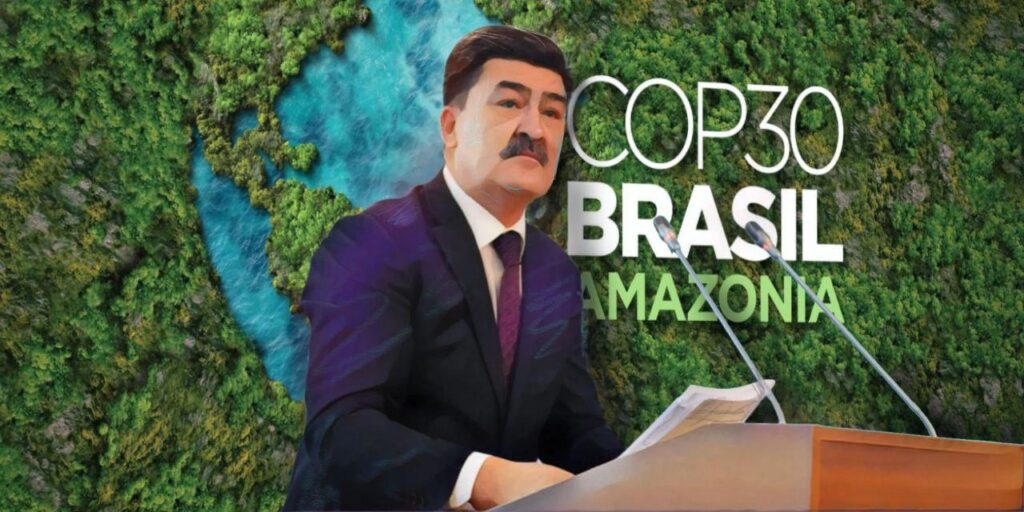
The UN Climate Change Conference (COP30) in Belém, Brazil, concluded with a hard-fought global deal that boosts climate finance for developing countries but avoids any promise to phase out fossil fuels. Amid this uneasy compromise, the Central Asian nations worked to get their priorities heard. Their delegations pressed for more climate funding, recognition of their unique vulnerabilities, and support for regional initiatives, with mixed results. A United Regional Voice on Climate Home to over 80 million people, Central Asia entered COP30 with a goal outlined as “five countries, one voice,” after a regional dialogue in Dushanbe ahead of the summit forged a common stance on shared threats such as melting glaciers and water stress. The region has already warmed about 2.2 °C – faster than the global average – and glaciers are shrinking by roughly 0.5% each year, Uzbekistan’s environment minister Aziz Abdukhakimov warned in Belém. He noted worsening land degradation and vanishing water resources, underscoring Central Asia’s acute climate vulnerability. In response, Uzbekistan unveiled a new pledge to cut its greenhouse gas emissions by 50% by 2035 (from 2010 levels) by expanding renewable energy and forests. Such actions align with COP30’s call for developed nations to triple adaptation finance by 2035 to help vulnerable countries cope. “COP30 showed that climate cooperation is alive and kicking, keeping humanity in the fight for a livable planet,” UN climate chief Simon Stiell said in his closing speech, praising delegates for persisting despite global divisions. National Commitments and Initiatives Kazakhstan, Central Asia’s largest economy and emitter, took on a visible role at COP30. Its delegation was led by Minister of Ecology and Natural Resources Yerlan Nyssanbayev, who addressed the summit’s opening session. Nyssanbayev reaffirmed Kazakhstan’s commitment to the Paris Agreement goals, noting the country has adopted a “Revised Nationally Determined Contribution (NDC) and a National Adaptation Plan” with more ambitious targets to cut emissions and bolster resilience. “It is crucial for us to consistently work toward achieving our climate goals,” he stated. Nyssanbayev emphasized the importance of climate finance for developing countries, highlighting the new “Baku–Belém Roadmap” to mobilize $1.3 trillion annually by 2035 and urging support for a significantly increased funding mechanism.  Kazakhstan also became one of only seven nations – and the sole Central Asian country – to sign a joint declaration pledging “near zero” methane emissions from its fossil fuel sector. In a sign of ongoing regional leadership, Nyssanbayev invited all delegates to attend a Central Asia Regional Environmental Summit that Kazakhstan will host in 2026, aiming to sustain climate cooperation beyond COP30. Kyrgyzstan, given its geography, used the summit to champion the mountain agenda and the plight of high-altitude communities on the frontlines of climate change. The Kyrgyz Republic chairs the UNFCCC’s Mountain Group and sent a delegation led by Deputy Chairman of the Cabinet of Ministers, Edil Baisalov, and Dinara Kemelova, the President’s Special Representative for the Mountain Agenda. In the first week of COP30, Kemelova delivered keynote remarks at multiple high-level sessions, calling for strengthened international support and...

Two Major Reservoirs in Turkmenistan Dry Up Amid Intensifying Drought

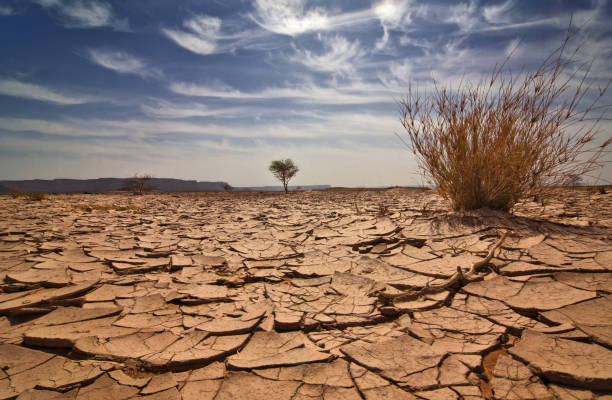
Turkmenistan’s Balkan region is facing a deepening drought, with two strategically important reservoirs, Mammetköl and Delili, completely drying up by mid-2025. Both reservoirs, fed by the Etrek (Atrek) River, have vanished from satellite imagery, underscoring the severity of the region’s water crisis. According to meteorological reports, the reservoirs were not replenished during the winter months and rapidly lost their remaining water due to evaporation and filtration. The winter of 2024-2025 was exceptionally dry, and the spring brought no relief. With virtually no inflow from the now-dry Etrek River, the reservoirs were left to evaporate. Mammetköl, built in 1964, had a total volume of 20.5 million cubic meters and a usable capacity of 17.9 million cubic meters. Delili, commissioned in 1970, had a capacity of 5.32 million cubic meters. Both were vital to irrigating farmland and sustaining livestock pastures in the Balkan region. This is not the first time Mammetköl has dried up. During the prolonged drought of 2020-2023, the reservoir emptied in October 2021 and remained largely dry for nearly two years, with only brief periods of partial refilling. A rare flood event in August 2023, triggered by heavy rains in the Atrek’s upper reaches, temporarily restored water levels, but the relief was short-lived. Data from the Etrek weather station show that from January to November 2025, normal precipitation levels were recorded only in February and March. The situation rapidly deteriorated not just in the Etrek basin but across other parts of Turkmenistan as well. Reservoirs and rivers disconnected from the Amu Darya began to show signs of critical depletion in early 2025. The Murghab and Tedzhen rivers also reached dangerously low levels. By mid-year, many artificial reservoirs fed by the Atrek had dried out entirely. In autumn, the drought expanded into the Amu Darya basin, Turkmenistan’s largest and most vital waterway, further exacerbating the national water crisis.

Central Asian Countries Agree to Recognize Each Other’s University Degrees

The governments of Kazakhstan, Kyrgyzstan, Tajikistan, Turkmenistan, and Uzbekistan have officially agreed to mutually recognize higher education diplomas issued within the region. Kazakhstan approved the relevant draft on November 12, as documented in an intergovernmental agreement. The initiative aims to create a unified educational space in Central Asia and eliminate barriers related to qualification recognition. Under the agreement, all five countries will automatically recognize university diplomas that are legally valid, officially accredited, and issued by state higher education institutions in any of the participating countries. Recognition will apply in three key areas: Employment in another Central Asian country Internships Continuing education at the next academic level However, qualifications must meet common higher education standards. Recognition may be denied only if substantial differences in the educational systems are identified. The agreement outlines a clear implementation mechanism: each country will appoint a designated authority responsible for diploma recognition and notify the depositary, which will in turn inform the other signatories. If the structure or authority of the appointed body changes, the state is required to issue an immediate notification through diplomatic channels. Despite agreeing on a shared framework, the countries still maintain varying standards for recognizing foreign university degrees. Uzbekistan, Kyrgyzstan, Turkmenistan, and Tajikistan have agreed to recognize diplomas from universities in any participating country, provided those institutions are legally operating and issue officially recognized state diplomas. Kazakhstan, however, has adopted stricter criteria. It will only recognize diplomas from regional universities that appear in the top 1,000 of the following international rankings: Quacquarelli Symonds World University Rankings (QS) Times Higher Education (THE) Academic Ranking of World Universities (ARWU) Diplomas from these universities will allow holders from participating countries to work, intern, or pursue further studies in Kazakhstan, subject to an application process. The agreement is expected to ease the movement of skilled professionals within Central Asia and reduce bureaucratic barriers to regional academic and professional mobility.

Food Conditions in the Turkmenistan Army Under Scrutiny

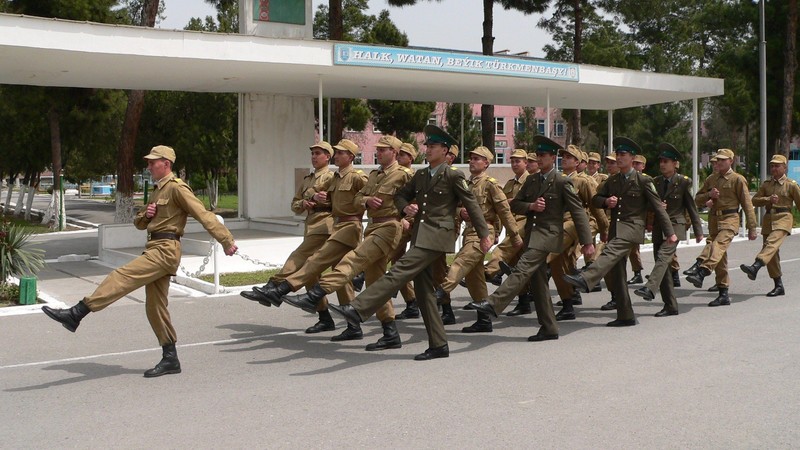
Conscripts returning from military service in Turkmenistan have reported severe food shortages, stark inequality between soldiers and officers, and institutional indifference. Against a backdrop of chronic malnutrition, instances of illness, interpersonal conflict, and even fatalities have been documented. According to former soldiers, food rations in the Turkmen armed forces are grossly inadequate and fall far short of nutritional standards. Daily meals typically consist of boiled pumpkin, stewed cabbage, beets, and rice porridge for breakfast and dinner. Lunch includes a thin soup reportedly containing only "pieces of carrot" and little else. Bread quality is a major concern. Flatbread made from locally sourced flour is often undercooked, forcing conscripts to eat it half-raw, leading to widespread gastrointestinal issues. Meanwhile, soldiers from wealthier families reportedly fare much better. Their relatives send money, which conscripts use to pay canteen cooks for preferential treatment. These soldiers are served separately, receiving meat dishes, salads, fruit, soft drinks, and properly baked bread. In some regions, such as the Balkan region, entrepreneurs have been officially allowed to open cafes near military checkpoints. There, soldiers can purchase rice, samsa, and other local dishes, funded either by family support or their own limited savings. One tragic incident occurred this summer at a base in the Balkan region. A fight broke out outside the canteen when a soldier from a well-off family refused to share his meal. The altercation escalated, ending in the death of one private and a lengthy prison sentence for the other. Discontent is also reportedly growing among officers. Despite earning relatively high salaries for the region, between $860 and $1,140 per month, many do not receive housing, forcing their families to pay substantial rents, which significantly reduces their disposable income. Graduates of the Ministry of Defense’s Military Institute are required to serve a minimum of five years before becoming eligible for discharge. However, approval for resignation remains at the discretion of the command, and with ongoing personnel shortages, such requests are frequently denied.

Central Asia Faces Growing Water Risks as Qosh Tepa Canal Nears Completion

Kazakh media, Inbusiness.kz, reports that discussions within the Russian Academy of Sciences have revived a decadesold idea to redirect Siberian rivers toward Central Asia. Researchers have proposed that Russia’s Ministry of Science and Higher Education include a study of the project in its state research plan, arguing that the region is entering a critical phase of water scarcity. This renewed debate comes as Afghanistan advances construction of the Qosh Tepa Canal, a massive irrigation project in the country’s north. The first 108 kilometer section began operating in 2023, and work on the second phase is nearing completion. Once fully operational, the 285 kilometer canal is expected to divert more than 15% of the Amu Darya river’s flow to irrigate around 550,000 hectares of farmland in Afghanistan’s drought-prone regions. Construction began in March 2022 and its impact is already being felt across Central Asia. Experts warn the canal could reduce Uzbekistan’s water supply by around 15% and Turkmenistan’s by up to 80%, which may lead to lower crop yields, job losses, rising poverty and even potential migration or tensions. Scholars in Kazakhstan note rising alarm. Ravshan Nazarov, an associate professor based in Tashkent, said that failure to address water shortages could trigger mass population movements. He argued that redirecting Siberian rivers, though technically complex and costly, may become unavoidable. He warned that if Russia does not share its water resources, it might eventually face “an influx of 100 million refugees.” Data from the Food and Agriculture Organization (FAO) show that Turkmenistan is the region’s largest water consumer, using 53 cubic kilometres annually despite a population of just about 7 million. Experts attribute this to ageing infrastructure, high evaporation losses and a lack of concrete-lined canals. Meanwhile, Kyrgyzstan has faced water shortages since 2020.

Opinion: Central Asia Is Consolidating Its Role as a Full-Fledged Actor in Global Processes

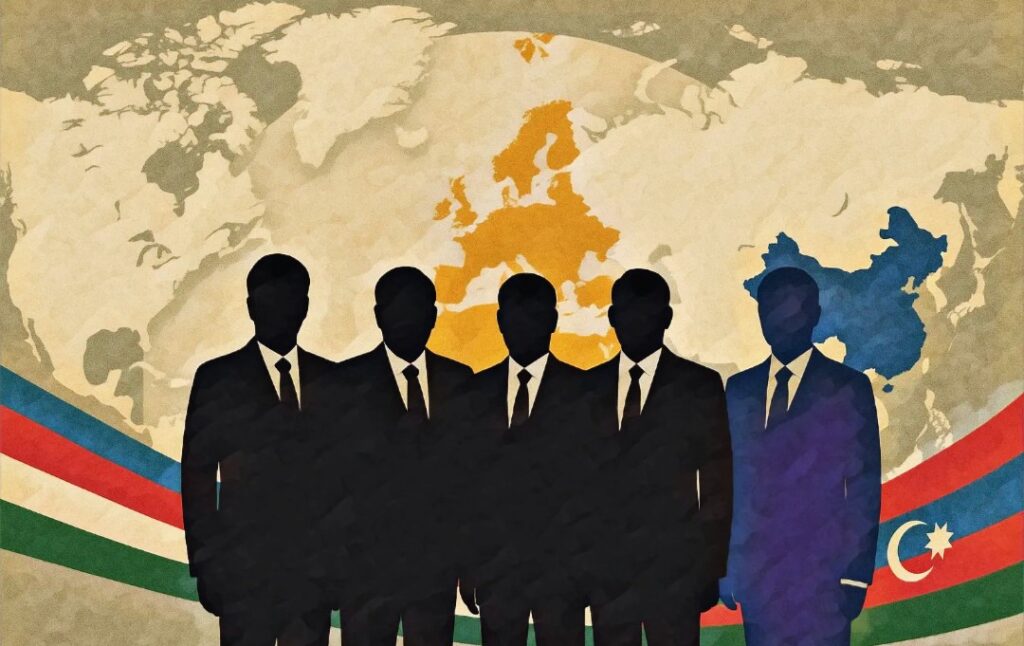
The seventh Consultative Meeting of the Heads of State of Central Asia, held in Tashkent, was far more than a routine regional gathering. It marked a pivotal moment with the potential to shape the political and economic architecture of the region for the next decade or two. President Shavkat Mirziyoyev’s keynote address stood out for articulating a forward-looking and comprehensive strategic vision. Notably, he proposed redefining the format itself from a loose “consultative mechanism” into a more cohesive and institutionalized “Central Asian Community.” At the summit, leaders endorsed several landmark documents: the Concept for Regional Security and Stability in Central Asia, the Catalogue of Threats to Central Asia’s Security and measures for their prevention for 2026-2028 and its implementation plan, a joint appeal supporting the Kyrgyz Republic’s candidacy for the UN Security Council, and the decision to admit Azerbaijan as a full-fledged participant. Taken together, these steps signal that Central Asia increasingly sees itself not as a passive bystander amid global geopolitical turbulence, but as an emerging regional actor capable of shaping its own trajectory. Two broader trends deserve special emphasis. First, the region is moving beyond reactive engagement with external initiatives and power blocs. Rather than relying solely on structures created by outside actors, Central Asia is beginning to develop its own institutions. This shift mirrors a global pattern: as the international order becomes more fragmented and unpredictable, regional communities are strengthening their internal mechanisms as a means of resilience. Second, the format envisioned in Tashkent diverges from “Brussels-style integration.” It does not require the transfer or dilution of sovereignty. Instead, it relies on soft integration, consultation, consensus-building, and phased convergence. As President Mirziyoyev noted, having a shared and realistic sense of “what we want our region to look like in 10-20 years” is essential. Without such a vision, Central Asia risks remaining the object of great-power competition rather than an autonomous participant in it. One of the summit’s most consequential developments was the decision to welcome Azerbaijan as a full-fledged member of the format. The emerging political and economic bridge between Central Asia and the South Caucasus is quickly becoming not only a transit nexus but also a cornerstone of a broader geopolitical space. The strengthening of Trans-Caspian corridors, the advancement of the “China – Kyrgyzstan – Uzbekistan” railway, the Trans-Afghan corridor, and the alignment of Caspian Sea transport routes will significantly expand the region’s strategic and economic potential. A further nuance is worth highlighting: Azerbaijan’s long-standing ties with the Western political and security architecture, through NATO partnership mechanisms and energy corridors, as well as its membership in the Organization of Turkic States, introduce new layers of connectivity. Its inclusion repositions the “Central Asian Community” from a post-Soviet platform into a wider geopolitical constellation spanning Eurasia, the South Caucasus, and the Middle East. For Central Asian states, this new configuration opens additional room for multi-vector diplomacy and reduces the risks of unilateral dependence.   The views expressed in this article are those of the author and do not...