• KGS/USD = 0.01144 0%
  • KZT/USD = 0.00208 0%
  • TJS/USD = 0.10463 0%
  • UZS/USD = 0.00008 0%
  • TMT/USD = 0.28490 0%
  • KGS/USD = 0.01144 0%
  • KZT/USD = 0.00208 0%
  • TJS/USD = 0.10463 0%
  • UZS/USD = 0.00008 0%
  • TMT/USD = 0.28490 0%
  • KGS/USD = 0.01144 0%
  • KZT/USD = 0.00208 0%
  • TJS/USD = 0.10463 0%
  • UZS/USD = 0.00008 0%
  • TMT/USD = 0.28490 0%
  • KGS/USD = 0.01144 0%
  • KZT/USD = 0.00208 0%
  • TJS/USD = 0.10463 0%
  • UZS/USD = 0.00008 0%
  • TMT/USD = 0.28490 0%
  • KGS/USD = 0.01144 0%
  • KZT/USD = 0.00208 0%
  • TJS/USD = 0.10463 0%
  • UZS/USD = 0.00008 0%
  • TMT/USD = 0.28490 0%
  • KGS/USD = 0.01144 0%
  • KZT/USD = 0.00208 0%
  • TJS/USD = 0.10463 0%
  • UZS/USD = 0.00008 0%
  • TMT/USD = 0.28490 0%
  • KGS/USD = 0.01144 0%
  • KZT/USD = 0.00208 0%
  • TJS/USD = 0.10463 0%
  • UZS/USD = 0.00008 0%
  • TMT/USD = 0.28490 0%
  • KGS/USD = 0.01144 0%
  • KZT/USD = 0.00208 0%
  • TJS/USD = 0.10463 0%
  • UZS/USD = 0.00008 0%
  • TMT/USD = 0.28490 0%

Viewing results 49 - 54 of 310

Human Rights Groups Urge Turkmenistan to Release Activists Ahead of Neutrality Anniversary

As Turkmenistan prepares to mark the 30th anniversary of its policy of permanent neutrality, international human rights organizations are urging the government to commemorate the occasion by releasing civil society activists imprisoned for peacefully expressing their views. In a joint appeal, the International Partnership for Human Rights (IPHR), the Turkmen Initiative for Human Rights (TIHR), Turkmen.News, and the Norwegian Helsinki Committee (NHC) called on Turkmen authorities to use the milestone as an opportunity to take a humanitarian step by pardoning activists jailed on politically motivated charges. The organizations emphasized that presidential pardons remain the only available legal mechanism for early release in Turkmenistan. Including these cases in the official pardon process, they argue, would demonstrate the country’s willingness to align with international human rights standards. Among the prisoners named in the appeal is Mansur Mingelov, a human rights activist who has been incarcerated since 2012. He is serving a 22 year sentence after publicly denouncing the abuse of ethnic Baloch people. Another activist, Murat Dushemov, was sentenced to four years for publicly criticizing the government and its handling of the COVID-19 pandemic. He was expected to be released in the summer of 2025. The rights groups also expressed growing concern about activists and citizen journalists who were detained abroad and reportedly subjected to forced return to Turkmenistan, where they face prosecution under opaque legal processes. Citizen journalists Alisher Sakhatov and Abdulla Orusov were detained in Turkey in April 2025 on charges of “threatening public safety.” Farhat Meymankuliev was deported from Turkey in 2023 and, according to human rights monitors, subsequently imprisoned following a closed trial. In another case, Malikberdy Allamyrradov was secretly transferred from Russia to Turkmenistan in December 2023 and later charged with assaulting a cellmate. Saddam Gulamov was also forcibly returned from Russia and sentenced to a prison colony in the Lebap region. The human rights groups argue that freeing these individuals would send a strong message of goodwill during a major national celebration and offer a concrete signal of Turkmenistan’s readiness to uphold its international obligations.

Two Major Reservoirs in Turkmenistan Dry Up Amid Intensifying Drought

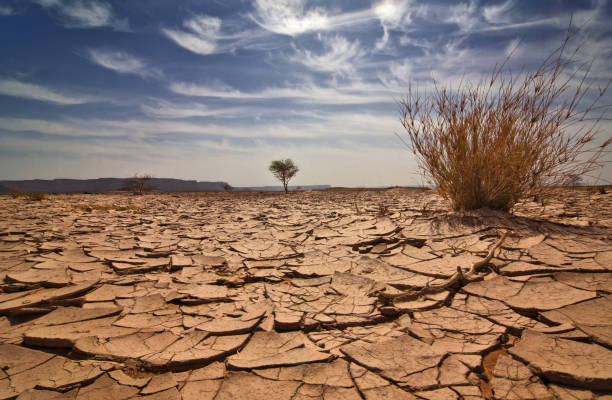
Turkmenistan’s Balkan region is facing a deepening drought, with two strategically important reservoirs, Mammetköl and Delili, completely drying up by mid-2025. Both reservoirs, fed by the Etrek (Atrek) River, have vanished from satellite imagery, underscoring the severity of the region’s water crisis. According to meteorological reports, the reservoirs were not replenished during the winter months and rapidly lost their remaining water due to evaporation and filtration. The winter of 2024-2025 was exceptionally dry, and the spring brought no relief. With virtually no inflow from the now-dry Etrek River, the reservoirs were left to evaporate. Mammetköl, built in 1964, had a total volume of 20.5 million cubic meters and a usable capacity of 17.9 million cubic meters. Delili, commissioned in 1970, had a capacity of 5.32 million cubic meters. Both were vital to irrigating farmland and sustaining livestock pastures in the Balkan region. This is not the first time Mammetköl has dried up. During the prolonged drought of 2020-2023, the reservoir emptied in October 2021 and remained largely dry for nearly two years, with only brief periods of partial refilling. A rare flood event in August 2023, triggered by heavy rains in the Atrek’s upper reaches, temporarily restored water levels, but the relief was short-lived. Data from the Etrek weather station show that from January to November 2025, normal precipitation levels were recorded only in February and March. The situation rapidly deteriorated not just in the Etrek basin but across other parts of Turkmenistan as well. Reservoirs and rivers disconnected from the Amu Darya began to show signs of critical depletion in early 2025. The Murghab and Tedzhen rivers also reached dangerously low levels. By mid-year, many artificial reservoirs fed by the Atrek had dried out entirely. In autumn, the drought expanded into the Amu Darya basin, Turkmenistan’s largest and most vital waterway, further exacerbating the national water crisis.

Central Asian Countries Agree to Recognize Each Other’s University Degrees

The governments of Kazakhstan, Kyrgyzstan, Tajikistan, Turkmenistan, and Uzbekistan have officially agreed to mutually recognize higher education diplomas issued within the region. Kazakhstan approved the relevant draft on November 12, as documented in an intergovernmental agreement. The initiative aims to create a unified educational space in Central Asia and eliminate barriers related to qualification recognition. Under the agreement, all five countries will automatically recognize university diplomas that are legally valid, officially accredited, and issued by state higher education institutions in any of the participating countries. Recognition will apply in three key areas: Employment in another Central Asian country Internships Continuing education at the next academic level However, qualifications must meet common higher education standards. Recognition may be denied only if substantial differences in the educational systems are identified. The agreement outlines a clear implementation mechanism: each country will appoint a designated authority responsible for diploma recognition and notify the depositary, which will in turn inform the other signatories. If the structure or authority of the appointed body changes, the state is required to issue an immediate notification through diplomatic channels. Despite agreeing on a shared framework, the countries still maintain varying standards for recognizing foreign university degrees. Uzbekistan, Kyrgyzstan, Turkmenistan, and Tajikistan have agreed to recognize diplomas from universities in any participating country, provided those institutions are legally operating and issue officially recognized state diplomas. Kazakhstan, however, has adopted stricter criteria. It will only recognize diplomas from regional universities that appear in the top 1,000 of the following international rankings: Quacquarelli Symonds World University Rankings (QS) Times Higher Education (THE) Academic Ranking of World Universities (ARWU) Diplomas from these universities will allow holders from participating countries to work, intern, or pursue further studies in Kazakhstan, subject to an application process. The agreement is expected to ease the movement of skilled professionals within Central Asia and reduce bureaucratic barriers to regional academic and professional mobility.

Food Conditions in the Turkmenistan Army Under Scrutiny

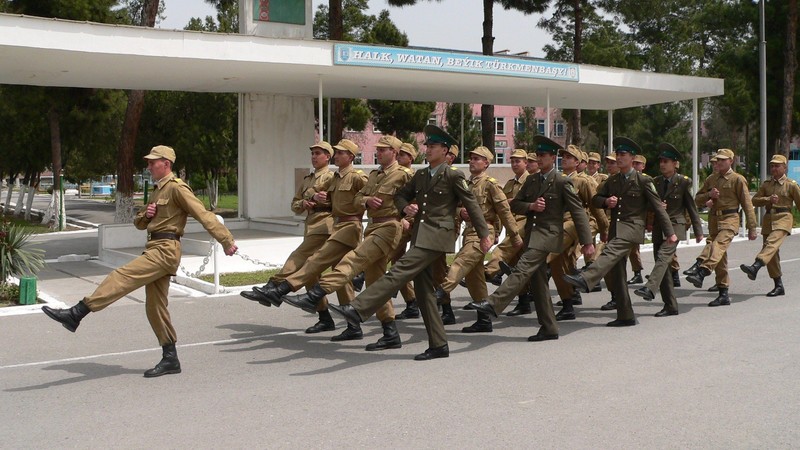
Conscripts returning from military service in Turkmenistan have reported severe food shortages, stark inequality between soldiers and officers, and institutional indifference. Against a backdrop of chronic malnutrition, instances of illness, interpersonal conflict, and even fatalities have been documented. According to former soldiers, food rations in the Turkmen armed forces are grossly inadequate and fall far short of nutritional standards. Daily meals typically consist of boiled pumpkin, stewed cabbage, beets, and rice porridge for breakfast and dinner. Lunch includes a thin soup reportedly containing only "pieces of carrot" and little else. Bread quality is a major concern. Flatbread made from locally sourced flour is often undercooked, forcing conscripts to eat it half-raw, leading to widespread gastrointestinal issues. Meanwhile, soldiers from wealthier families reportedly fare much better. Their relatives send money, which conscripts use to pay canteen cooks for preferential treatment. These soldiers are served separately, receiving meat dishes, salads, fruit, soft drinks, and properly baked bread. In some regions, such as the Balkan region, entrepreneurs have been officially allowed to open cafes near military checkpoints. There, soldiers can purchase rice, samsa, and other local dishes, funded either by family support or their own limited savings. One tragic incident occurred this summer at a base in the Balkan region. A fight broke out outside the canteen when a soldier from a well-off family refused to share his meal. The altercation escalated, ending in the death of one private and a lengthy prison sentence for the other. Discontent is also reportedly growing among officers. Despite earning relatively high salaries for the region, between $860 and $1,140 per month, many do not receive housing, forcing their families to pay substantial rents, which significantly reduces their disposable income. Graduates of the Ministry of Defense’s Military Institute are required to serve a minimum of five years before becoming eligible for discharge. However, approval for resignation remains at the discretion of the command, and with ongoing personnel shortages, such requests are frequently denied.

Central Asia Faces Growing Water Risks as Qosh Tepa Canal Nears Completion

Kazakh media, Inbusiness.kz, reports that discussions within the Russian Academy of Sciences have revived a decadesold idea to redirect Siberian rivers toward Central Asia. Researchers have proposed that Russia’s Ministry of Science and Higher Education include a study of the project in its state research plan, arguing that the region is entering a critical phase of water scarcity. This renewed debate comes as Afghanistan advances construction of the Qosh Tepa Canal, a massive irrigation project in the country’s north. The first 108 kilometer section began operating in 2023, and work on the second phase is nearing completion. Once fully operational, the 285 kilometer canal is expected to divert more than 15% of the Amu Darya river’s flow to irrigate around 550,000 hectares of farmland in Afghanistan’s drought-prone regions. Construction began in March 2022 and its impact is already being felt across Central Asia. Experts warn the canal could reduce Uzbekistan’s water supply by around 15% and Turkmenistan’s by up to 80%, which may lead to lower crop yields, job losses, rising poverty and even potential migration or tensions. Scholars in Kazakhstan note rising alarm. Ravshan Nazarov, an associate professor based in Tashkent, said that failure to address water shortages could trigger mass population movements. He argued that redirecting Siberian rivers, though technically complex and costly, may become unavoidable. He warned that if Russia does not share its water resources, it might eventually face “an influx of 100 million refugees.” Data from the Food and Agriculture Organization (FAO) show that Turkmenistan is the region’s largest water consumer, using 53 cubic kilometres annually despite a population of just about 7 million. Experts attribute this to ageing infrastructure, high evaporation losses and a lack of concrete-lined canals. Meanwhile, Kyrgyzstan has faced water shortages since 2020.

Ashgabat Police Intensify Crackdown on Internal Migrants Ahead of Neutrality Day

Security forces in Turkmenistan’s capital Ashgabat have stepped up operations targeting visitors from other regions in the lead-up to the country’s 30th anniversary of neutrality. Witnesses report harsh interrogations at checkpoints, physical abuse, ethnic slurs, and widespread raids in areas where day laborers gather. Systematic Interrogations and Raids Recent media reports highlighting police crackdowns on non-resident workers appear to represent only a fraction of a broader campaign against internal migrants. According to residents, anyone arriving in Ashgabat now faces multi-stage inspections at all major entry points, including from the Gokdepe, Dashoguz, Mary, and Lebap regions. Checkpoint officers question travelers in detail, asking where they are going, who they are visiting, the length of their stay, and their purpose. Those suspected of seeking work are often forced to return to their regions of origin. Within Ashgabat, authorities continue searches at the Gurtly bus station and expand checks to markets, construction sites, and agricultural outlets, any location where day laborers might be found. The raids extend to suburban areas, including the city of Arkadag. Ethnic Discrimination and Unofficial Policies Longstanding unofficial policies appear to disproportionately affect ethnic Uzbeks. Residents of Dashoguz and Lebap regions report that career advancement in government is often limited for Uzbeks, with many being encouraged to change their names from childhood to improve their prospects. Even in districts where Uzbeks form the majority, leadership roles are predominantly held by ethnic Turkmen. According to Turkmen.news, the surge in pressure on non-residents coincides with preparations for high-profile events. In the summer, similar measures were observed in the resort town of Avaza before a United Nations forum. Now, authorities appear focused on “cleaning up” Ashgabat and Arkadag ahead of Neutrality Day. Eyewitnesses believe the government aims to present an idealized image of the capital as Turkmenistan prepares to mark 30 years of neutrality. Gurbanguly Berdymuhamedov, the previous president and current Chairman of the country's People's Council, is reportedly placing significant emphasis on the celebrations. High-ranking international delegations are expected to attend. Institutionalized Control Since 2022 The origins of the current policy trace back to January 2022, when Berdymuhamedov, during a Security Council meeting, directed the head of the migration service, Nazar Atagaraev, to increase controls on internal movement. Since then, raids have become routine, with enforcement intensifying ahead of state events.