Azerbaijan Joins Central Asia to Build a C6 Corridor Core
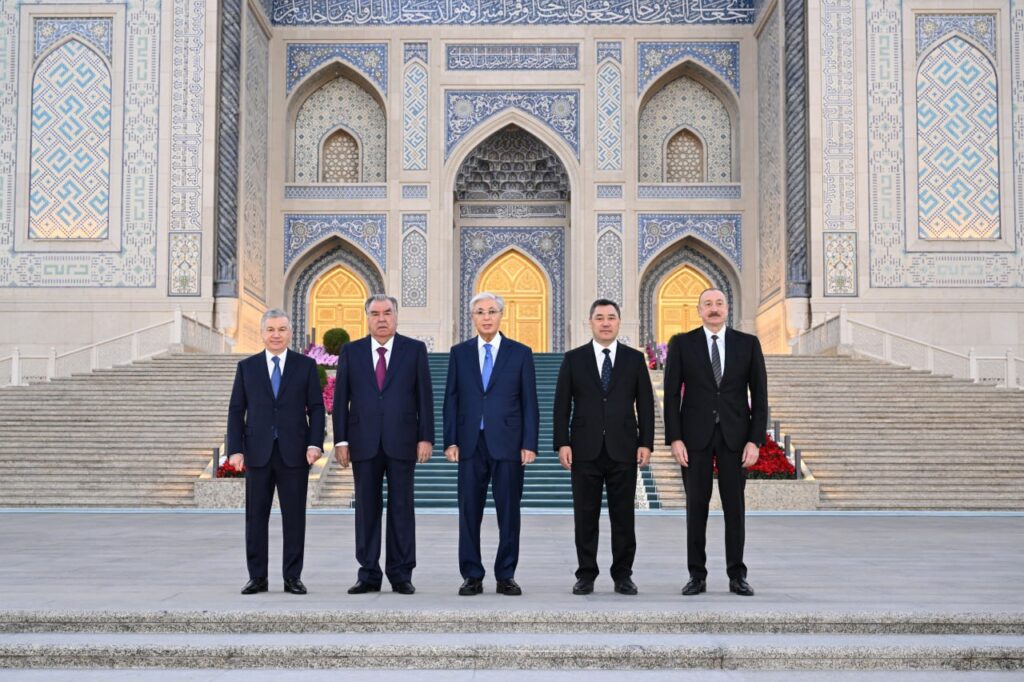
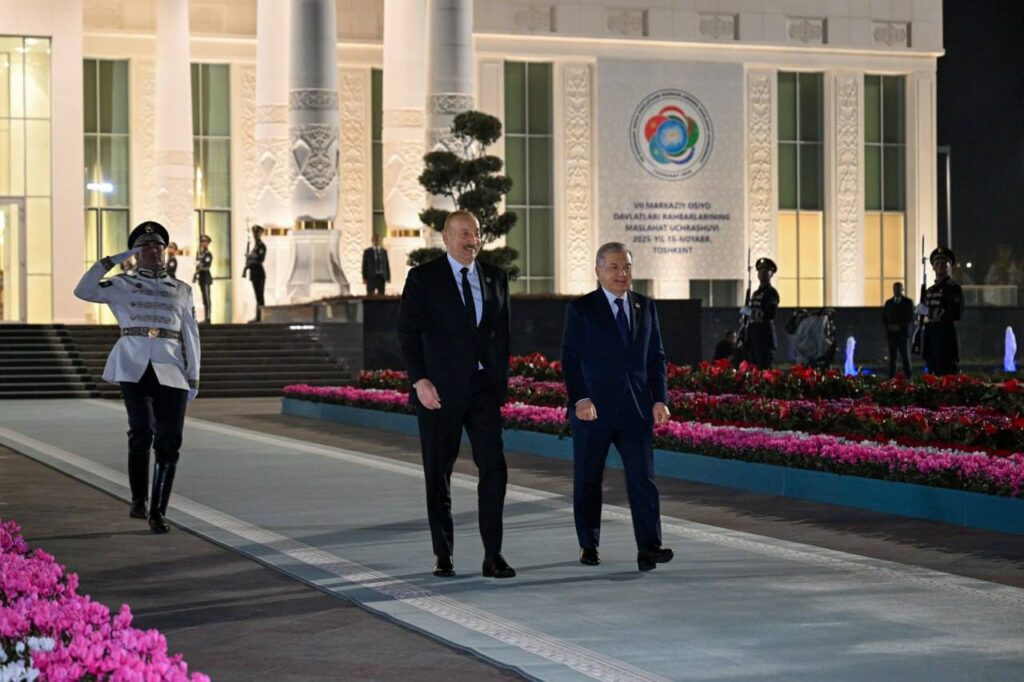
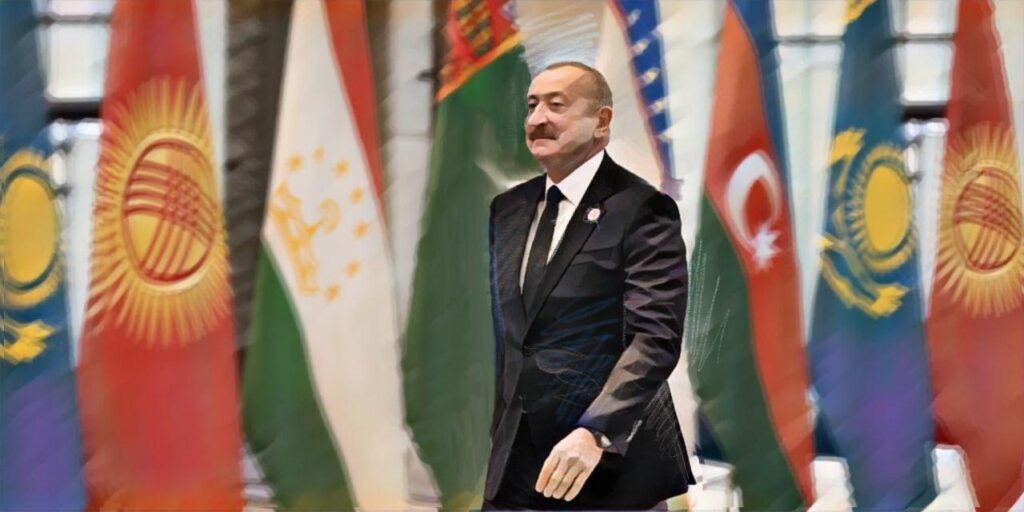
Central Asian leaders met in Tashkent on November 15–16 for the seventh Consultative Meeting of Heads of State. Azerbaijan attended as a guest with full rights, as it had done at the meetings last year and the year before. This time, the leaders agreed that Azerbaijan would sit as a full participant in future meetings, transforming the C5 into the C6. In his opening remarks, Uzbekistan’s President Shavkat Mirziyoyev proposed turning the loose consultative mechanism into a formal regional body under the working title, the “Community of Central Asia.” Mirziyoyev went further and suggested extending the mandate from economic integration to include security and environmental cooperation for the region as a whole. The Uzbek President called the decision to admit Azerbaijan “historic,” as the leaders framed the welcoming of Azerbaijan not as a courtesy to a neighbor but as part of a wider integration project that already runs across the Caspian and that is now seeking to bring a South Caucasus transit and energy hub directly into the frame. The consultative format is thus being asked to carry a heavier load than when it was created in 2018 as a careful space for political dialogue and security confidence-building. For governments and external partners, the practical question is whether this emerging “Central Asia plus Azerbaijan” geometry can evolve into a corridor community with its own regional rules, or whether it will remain largely declaratory while decisions continue to track external finance and great-power projects. Azerbaijan and Central Asia Begin to Co-Author the Agenda From the start, the consultative meetings of the Central Asian heads of state were conceived as a modest, leader-level forum to ease regional tensions and reopen direct dialogue after a decade of drift. The first gathering in Astana in March 2018 focused on borders, water management, and security issues that had festered since the 1990s, and that format’s agenda had mainly remained focused on political reconciliation and crisis management. The seventh meeting in Tashkent was different in kind. By bringing Azerbaijan formally into the room on a continuing rather than one-off basis, and by placing corridor and digital questions at the center of proceedings rather than on the margins, it reframed the forum from an inward-looking confidence-building device into a platform that aspires to shape external connectivity. Azerbaijan’s presence at earlier summits in 2023 and 2024 created a transitional phase in which Baku could test how far its own transit and energy agenda resonated with Central Asian priorities. In Tashkent, that ambiguity effectively ended. President Ilham Aliyev’s speech, delivered after the leaders had agreed that Azerbaijan would participate in future meetings as a full member, described Central Asia and Azerbaijan as forming “a single geopolitical and geo-economic region whose importance in the world is steadily growing.” He tied that claim to concrete developments along the Middle Corridor segment through Azerbaijan, the Alat port complex, upgraded customs procedures, and cross-Caspian energy and data links. For Kazakhstan, the Tashkent meeting offered a complementary opportunity. President Kassym-Jomart Tokayev used his speech...