• KZT/USD = 0.00223
  • TJS/USD = 0.10820
  • UZS/USD = 0.00009
  • TMT/USD = 0.29850
  • KZT/USD = 0.00223
  • TJS/USD = 0.10820
  • UZS/USD = 0.00009
  • TMT/USD = 0.29850
  • KZT/USD = 0.00223
  • TJS/USD = 0.10820
  • UZS/USD = 0.00009
  • TMT/USD = 0.29850
  • KZT/USD = 0.00223
  • TJS/USD = 0.10820
  • UZS/USD = 0.00009
  • TMT/USD = 0.29850
  • KZT/USD = 0.00223
  • TJS/USD = 0.10820
  • UZS/USD = 0.00009
  • TMT/USD = 0.29850
  • KZT/USD = 0.00223
  • TJS/USD = 0.10820
  • UZS/USD = 0.00009
  • TMT/USD = 0.29850
  • KZT/USD = 0.00223
  • TJS/USD = 0.10820
  • UZS/USD = 0.00009
  • TMT/USD = 0.29850
  • KZT/USD = 0.00223
  • TJS/USD = 0.10820
  • UZS/USD = 0.00009
  • TMT/USD = 0.29850
16 September 2026

Viewing results 37 - 42 of 65

Reporters Without Borders Condemns Attack on Turkmen Journalist Soltan Achilova

Reporters Without Borders (RSF) has strongly condemned the alleged attempt on the life of independent Turkmen journalist Soltan Achilova and has called on the international community to pressure Turkmenistan to cease its repression of free press. Achilova, a prominent journalist known for her critical reporting on Turkmenistan, stated that authorities attempted to poison her in November 2024 and later barred her from leaving the country under the pretext of an infectious disease diagnosis. On the morning of November 20, as Achilova prepared to leave for the airport with her daughter, several individuals in medical uniforms arrived at her home. They demanded she open the door, with one forcibly snatching her key and reportedly threatening her, saying, “Why do you need a key in the other world?” As previously reported by The Times of Central Asia, despite exhibiting no signs of illness, Achilova was forcibly taken to an infectious disease center in Ashgabat, where she was held in isolation for six days and barred from communicating her whereabouts. In a video message published by Chronicles of Turkmenistan, Achilova directly blamed Turkmenistan's authoritarian leadership, including President Serdar Berdimuhamedov and former President Gurbanguly Berdimuhamedov, for orchestrating the incident, stating: “They will not rest until they destroy me. This is all done on their orders.” Achilova suspects the poisoning attempt is connected to her journalistic work. Just days before she was scheduled to travel to Geneva to accept the prestigious Martin Ennals Award for human rights defenders, a man visited her home, claiming to have evidence of police corruption. He later returned with samosas, a traditional snack, which he offered as a gesture of goodwill. One of Achilova’s neighbors who sampled the food lost consciousness within 15 minutes and was rushed to the hospital, where she was placed in intensive care. RSF has described the incident as part of a broader pattern of repression aimed at silencing dissenting voices in Turkmenistan. Jeanne Cavelier, RSF’s head of Eastern Europe and Central Asia, has expressed concern: “This attempted poisoning and systematic persecution of Soltan Achilova show that the Turkmen authorities will stop at nothing to suppress independent journalism. We call on the international community to intervene immediately to protect her life and her right to independent reporting.” Soltan Achilova is one of the few journalists in Turkmenistan who openly engages with independent outlets, making her a frequent target of government harassment. Since beginning her work in 2006, she has faced threats, attacks, and constant surveillance. Her relatives are regularly interrogated, and her phone remains under strict monitoring. This is not the first time authorities have obstructed Achilova’s international travel. In 2023, while attempting to travel to Geneva, border officials deliberately defaced her passport, rendering it invalid. Turkmenistan consistently ranks among the world’s worst countries for freedom of the press, placing 175th out of 180 nations in the World Press Freedom Index. RSF continues to spotlight Achilova’s case as emblematic of Turkmenistan’s efforts to suppress independent journalism and maintain strict control over information. RSF’s statement calls for...
Deportations of Central Asians from the U.S. Increased in 2024

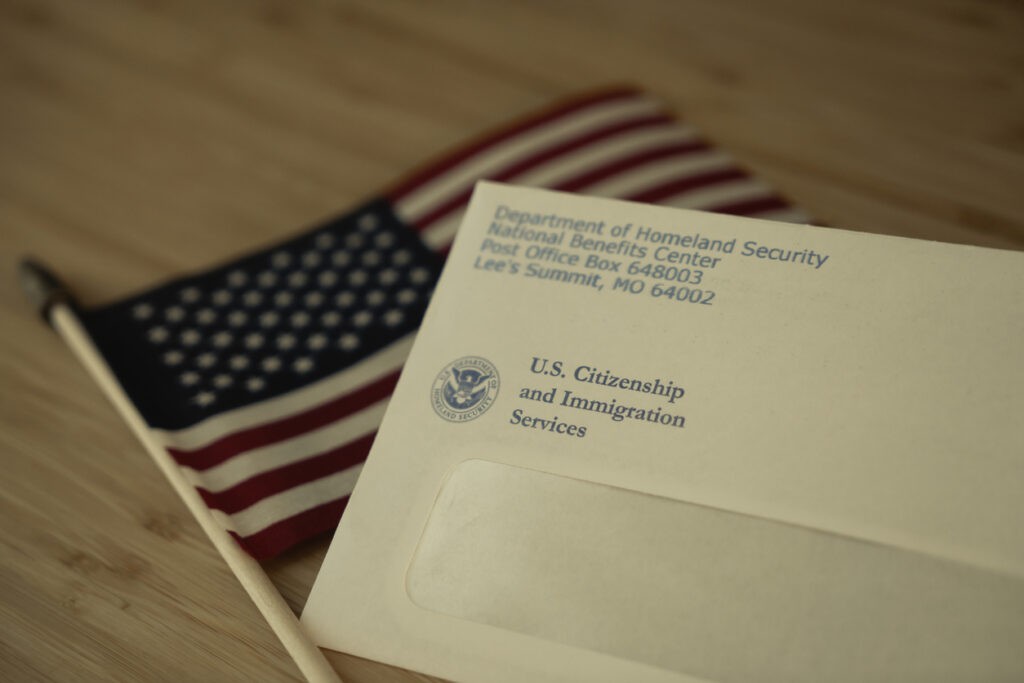
U.S. Immigration and Customs Enforcement (ICE) has released its Fiscal Year 2024 Annual Report, detailing the agency’s accomplishments over the past year. The report highlights how ICE’s directorates and program offices met their mission objectives. Established in the aftermath of the 9/11 attacks, ICE is tasked with protecting the American public, ensuring public safety, and promoting national security. According to the report, ICE’s Enforcement and Removal Operations (ERO) deported 271,484 non-citizens with final orders of removal to 192 countries. This total includes 88,763 individuals charged with or convicted of criminal offenses, 3,706 known or suspected gang members, 237 known or suspected terrorists, and eight human rights violators. More than 30% of those deported had criminal histories, with an average of 5.63 convictions or charges per individual. ERO also assisted in identifying and arresting individuals wanted in their home countries for serious crimes, including terrorism and torture. The Times of Central Asia examined the report with a focus on Central Asian countries. In 2024, the US deported 572 Uzbek nationals - a dramatic increase compared to 88 in 2013, 21 in 2021, and 55 in 2022. Deportations of Tajik citizens also surged, reaching 77 in 2024 compared to only four annually in 2019, 2020, 2022, and 2023. Kazakhstan saw the deportation of 23 of its citizens this year, up from 14 in 2023. Deportations to Kyrgyzstan also spiked, with 69 individuals removed in 2024. By comparison, only three Kyrgyz citizens were deported in 2020, eight in 2021, one in 2022, and 14 in 2023. Meanwhile, deportations of Turkmen nationals remained low, but still showed an upward trend. In 2024, five Turkmen citizens were deported, compared to four in 2019, one in 2022, and three in 2023.

Turkmen Human Rights Activist Soltan Achilova Released After Forced Hospitalization

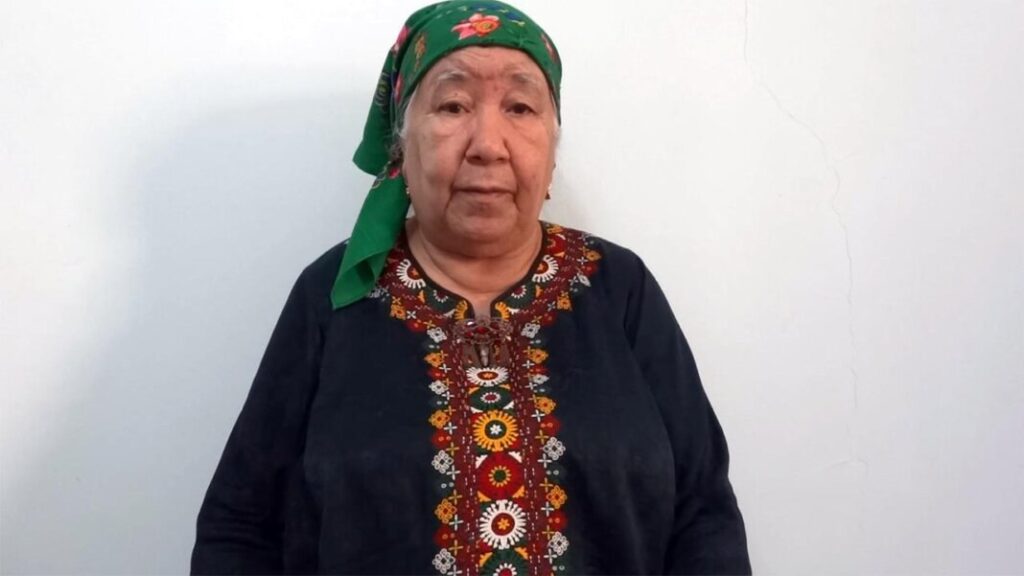
Renowned Turkmen journalist Soltan Achilova, along with her daughter and son-in-law, has been discharged from the infectious disease department of Choganly Hospital after six days of forced isolation. According to the Turkmenistan Chronicle portal, none of the three showed symptoms or signs of any infectious disease. Prior to their release, Achilova's apartment was disinfected, but authorities provided no explanation for their hospitalization or the results of medical tests conducted during their detention. The Times of Central Asia previously reported that Achilova and her relatives were hospitalized after a group of men in medical coats forcibly removed them from their home on November 20. This happened on a day when the journalist was scheduled to travel to Geneva to attend a Martin Ennals Foundation award ceremony, where her work was to be recognized. The timing has led to widespread speculation that the hospitalization was a calculated effort to prevent her attendance. While in isolation, doctors conducted blood tests and nasal swabs but failed to announce any diagnosis. Despite this, medical staff prescribed treatment, which Achilova refused, citing the absence of an explanation for her condition. The journalist's release was reportedly facilitated by diplomatic interventions from several countries and pressure from international human rights organizations. Although now safely home, the incident highlights the increasingly hostile environment for human rights defenders and independent journalists in Turkmenistan, a country notorious for its oppressive restrictions on free speech and movement.

Turkmenistan Tightens Border Rules to Limit Trips to Uzbekistan

Turkmenistan is imposing stricter regulations on cross-border tourism with Uzbekistan, reportedly to conceal its struggles to provide basic goods and services to its citizens, according to Eurasianet. In 2024, an increasing number of Turkmen citizens have been traveling to Uzbekistan to purchase food and essential items that are scarce in their own country, a reflection of Turkmenistan’s ongoing economic crisis. Over the past month, customs officials have introduced new rules aimed at curbing these cross-border trips, according to Radio Free Europe/Radio Liberty (RFE/RL). Travelers are now required to present a variety of documents, including marriage certificates and proof of residency, to cross the border. Residents of the Dashoguz Region have reported that dozens of people were denied exit for failing to provide all the necessary paperwork. RFE/RL suggests that the government views these trips as a source of embarrassment, highlighting the reliance of its citizens on Uzbekistan for basic necessities. To counter this perception, Turkmen authorities are tightening border controls. However, the report also notes that corruption persists; intermediaries can reportedly facilitate crossings for a $50 bribe. “Customs officers accuse these citizens of shaming the country by engaging in trade, and under this pretext, they stop them at customs,” RFE/RL quoted one individual as saying. Turkmenistan’s efforts to stem cross-border movement reflect its struggle to address domestic shortages while grappling with the broader implications of its economic challenges.

Turkmenistan Forcibly Hospitalizes Human Rights Activist to Prevent Her Traveling

Veteran journalist and human rights defender Soltan Achilova was forcibly hospitalized in Turkmenistan, an apparent attempt by authorities to prevent her from leaving the country for an international event in Geneva. The incident was highlighted in a recent article by Rachel Denber, Deputy Director of the Europe and Central Asia Division of Human Rights Watch. Achilova, aged 75, was set to attend an event organized by the Martin Ennals Foundation in recognition of her nomination in 2021 as a finalist for the award. On the morning of November 20, hours before her flight from Ashgabat, four men in medical uniforms arrived at her home. Claiming suspicion of an infectious disease, they forcibly removed her from her residence, confiscated her keys, and transported her to an infectious disease hospital. Shortly after, Achilova's daughter and son-in-law arrived at the scene, only to find one of the men still at the apartment, who demanded they undergo medical examinations due to "contact" with the allegedly infected Achilova. At the hospital, Achilova was subjected to a blood test but was not informed of the specific illness she was purportedly carrying. Officials later declared the test "positive," requiring her indefinite hospitalization. Achilova, along with her daughter and son-in-law, remained at the hospital overnight. This incident reflects a long-standing pattern of repression by Turkmen authorities, who frequently use such tactics to restrict human rights activists from traveling abroad. In 2023, Achilova and her daughter were also barred from traveling to Geneva when officials claimed their passports were damaged. International organizations and human rights defenders have called on Turkmenistan's government to release Achilova and her relatives immediately, cease their forced hospitalization, and allow her to travel freely. Achilova’s ordeal is emblematic of the systemic harassment faced by independent journalists and human rights activists in Turkmenistan. Over the years, she has endured various forms of intimidation: being followed near her home, having her property vandalized, and suffering physical assaults, including attacks by police and unidentified individuals. Achilova's unwavering commitment to human rights has made her a target of state repression. Despite ongoing threats, she continues to raise awareness about the plight of ordinary citizens under Turkmenistan’s authoritarian regime led by President Serdar Berdimuhamedov.

Turkmenistan Strengthens Anti-Corruption Mechanisms With Kazakh Experience

Turkmenistan is actively enhancing its anti-corruption framework by drawing on international expertise. A delegation of senior officials from key ministries recently visited Kazakhstan to learn from its financial practices. This visit, facilitated by the USAID "Governance in Turkmenistan" project with support from the OSCE Center in Ashgabat, aimed to explore best practices in financial monitoring, investigations, and the regulation of virtual assets at the Astana International Financial Center. Therein, Turkmen officials studied national risk assessments, inter-agency cooperation, and preventive measures against corruption, with a particular focus on asset recovery and identifying beneficial owners. The GAT project underlines Turkmenistan's stated commitment to fostering transparent, inclusive governance and advancing socioeconomic development.